Cargo pockets have become ubiquitous in modern apparel, appearing on everything from workwear to high-fashion pieces. But what drives their persistent popularity across diverse market segments? For brands and retailers, comprehending the underlying appeal of such functional elements is essential for successful product development and market positioning.
Cargo pockets have transitioned from specialized military equipment to mainstream apparel due to their exceptional utility and distinctive aesthetic that resonates with contemporary consumers. The design philosophy addresses modern requirements for secure, accessible storage while maintaining stylistic relevance across multiple categories.
From our perspective as apparel manufacturers, features like cargo pockets significantly influence product performance in competitive markets. Understanding their design evolution and practical applications can provide valuable insights for brand development.
What is the historical evolution of cargo pockets?
The development of cargo pockets represents a fascinating case study in functional design adaptation. Originally conceived for military applications, these storage solutions have undergone significant transformation while retaining their core utility principles.
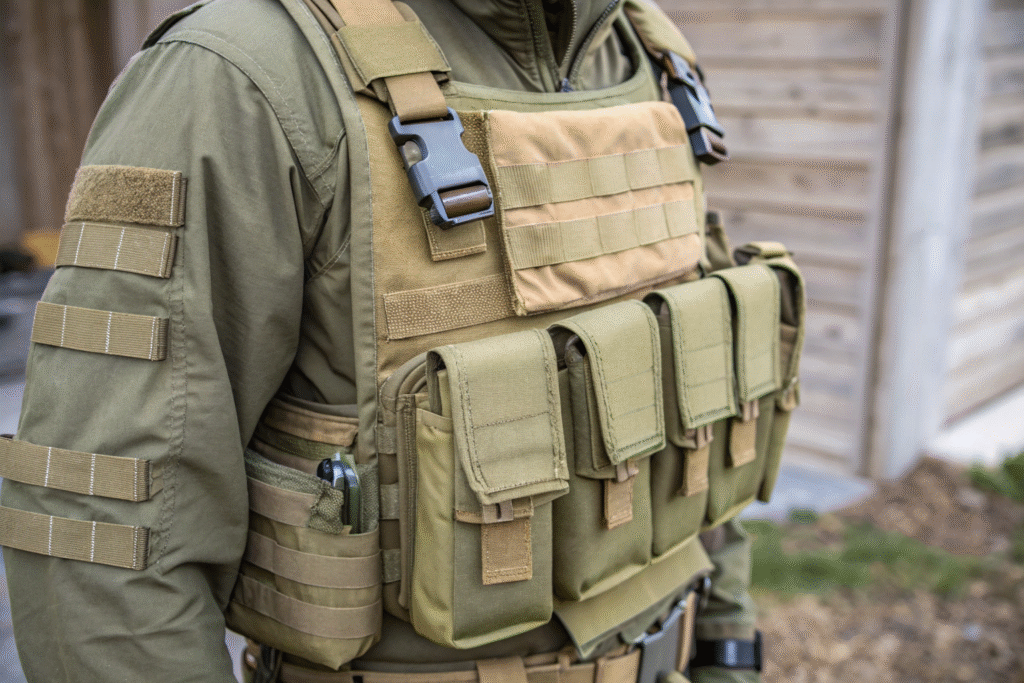
Military specifications demanded reliable storage systems for essential equipment including navigation tools, communication devices, and survival gear. The characteristic utility compartment integrated into garment side panels offered an optimal solution. The generous dimensions, typically secured with reinforced flaps and durable fasteners, enabled safe transportation of bulky items while preserving mobility. This purpose-driven design emerged from operational necessities, with its demonstrated effectiveness ensuring continued military adoption through multiple generations.
How did cargo pockets transition into commercial markets?
The migration from military exclusive to consumer mainstream began with post-war surplus availability but accelerated dramatically during the 1990s. This period witnessed the emergence of tactical-inspired fashion and adventure-ready apparel lines that embraced utilitarian aesthetics. Manufacturers began incorporating cargo pocket designs into commercial product lines, positioning them as premium functional solutions for active lifestyles. This commercial adoption established cargo pockets as symbols of preparedness and practical style, securing their permanent position in contemporary apparel collections.
What defines the structural composition of cargo pockets?
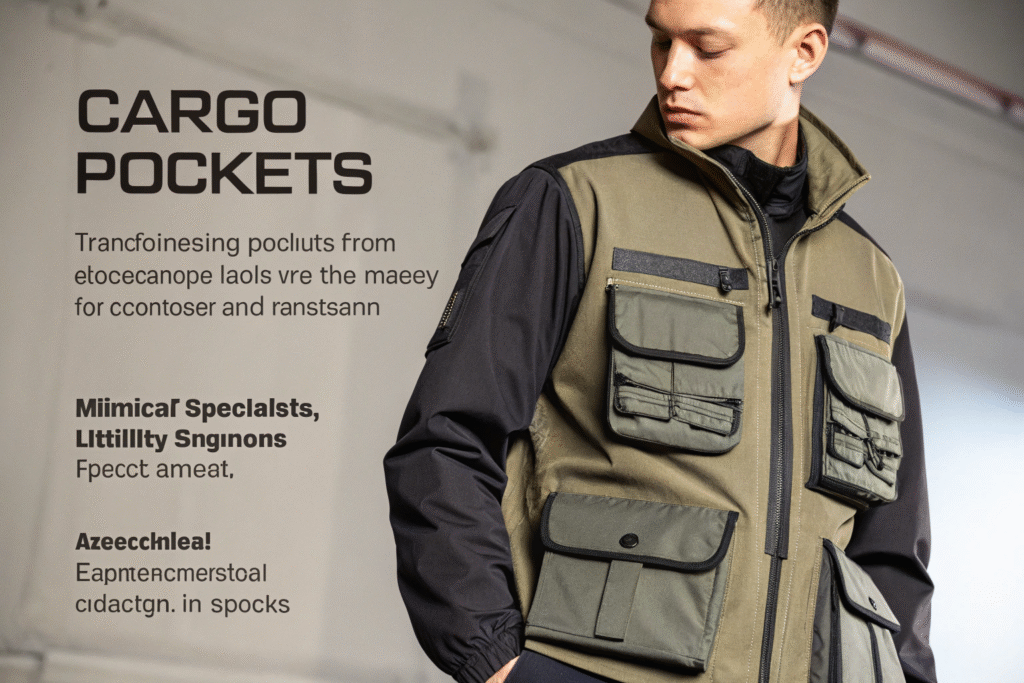
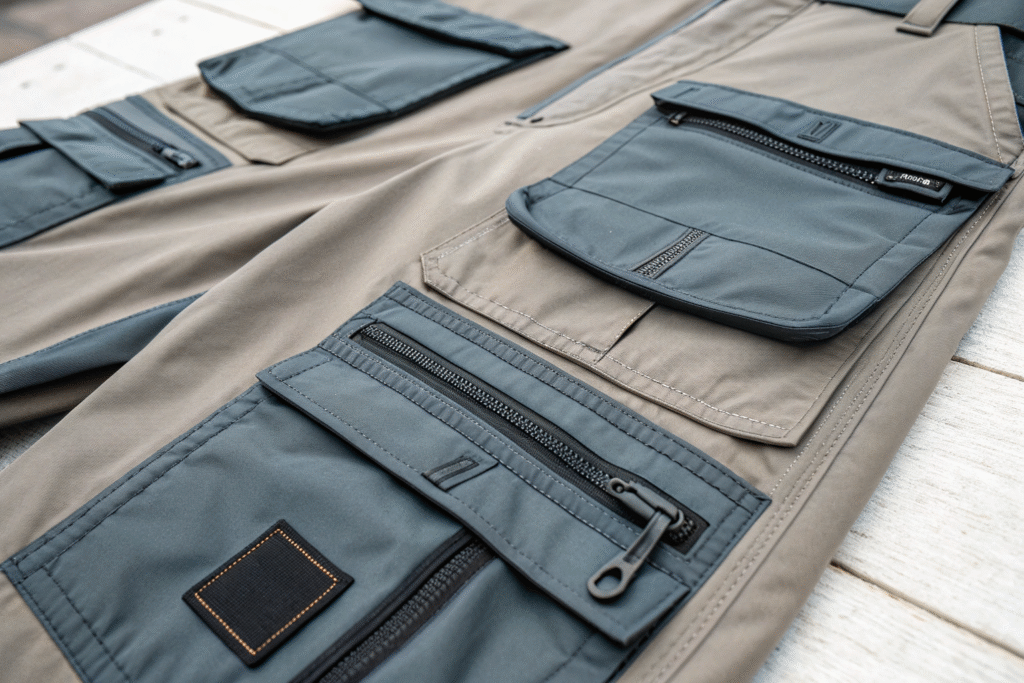
Authentic cargo pocket construction involves several distinctive elements. The primary characteristic is expanded capacity, significantly exceeding standard pocket dimensions. Strategic placement on the lateral thigh region provides optimal accessibility without compromising ergonomics. The classic configuration typically incorporates expanding pleat construction with secure closure systems, utilizing buttons, snaps, or modern zipper implementations. Material selection emphasizes durable textiles like reinforced twills or technical ripstop fabrics, ensuring structural integrity under load-bearing conditions. These combined elements create a comprehensive storage system rather than simple compartmentalization.
How do cargo pockets enhance functional performance?
The fundamental value proposition of cargo pockets lies in their practical utility. In an era of constant connectivity and mobile device dependency, integrated storage solutions have become increasingly relevant to consumer needs.
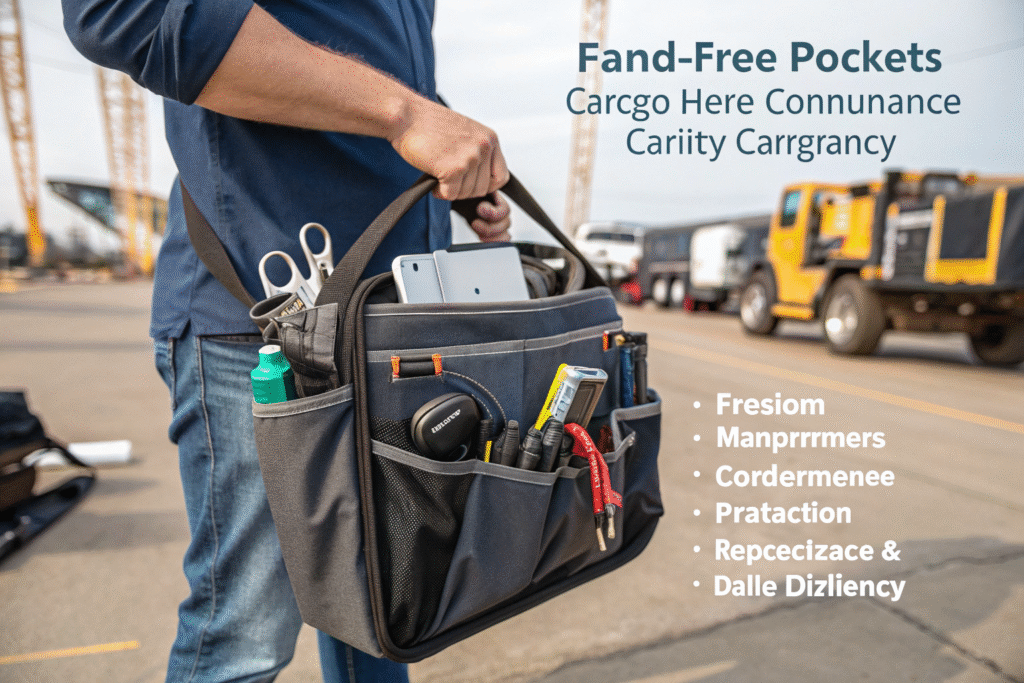
The principal functional advantage involves hands-free carrying capacity. Well-executed cargo pocket designs enable essential item transportation without auxiliary carrying systems. This proves particularly valuable across numerous scenarios including outdoor activities, event operations, and daily commuting. For professionals in fields like facility management or production coordination, this functionality becomes operational essential. The ability to maintain tools, communication equipment, and personal items within immediate reach enhances workplace efficiency and safety protocols. This performance-oriented design represents a significant value proposition for consumers prioritizing practical applications.
What organizational systems do cargo pockets provide?
The organizational capacity of cargo pockets represents one of their most compelling attributes. Contemporary designs often incorporate sophisticated internal configurations including partitioned sections and specialized sub-compartments. This enables systematic organization where users can allocate specific items to designated areas—secure device pockets, key retention loops, main storage zones, and external accessory attachments. This methodical approach prevents item damage through contact and facilitates immediate access. This advanced garment engineering transforms basic apparel into personalized equipment management systems.
How does structural design affect wearer ergonomics?
A common design challenge involves balancing storage capacity with mobility preservation. Successful implementations address this through strategic positioning on anatomically stable zones during lower body movement. Advanced manufacturing incorporates sophisticated pattern engineering to ensure the storage elements maintain a streamlined profile when not fully loaded. Material flexibility considerations and precision stitching techniques guarantee the components move synchronously with body mechanics. This ergonomic integration ensures practical utility never compromises wearer comfort, representing a critical balance in performance apparel manufacturing.
What aesthetic principles govern cargo pocket styling?
While functionality remains paramount, cargo pockets maintain relevance through distinct visual appeal. They project connotations of capability, adventure, and practical sophistication that have been embraced by multiple fashion movements.
Cargo pockets introduce structured visual elements that break garment monotony through strategic seam placement and dimensional variation. The technical, utilitarian appearance has been widely adopted by contemporary streetwear brands, often reinterpreting traditional silhouettes through refined proportions and innovative material applications. This styling communicates practical elegance and activity-ready positioning that resonates strongly with modern consumer identities.
How can designers implement cargo pockets in contemporary collections?
Modern cargo pocket integration requires thoughtful adaptation to current market preferences. Design teams now implement these functional elements across diverse categories including tailored separates using technical fabrics, fashion-forward outerwear, and premium performance wear. Successful execution depends on material selection excellence, precision construction methodologies, and proportional consideration relative to the complete garment silhouette. This approach allows brands to leverage the functional and aesthetic benefits while maintaining design cohesion and contemporary relevance.
What are prevalent styling misconceptions regarding cargo pockets?
Significant market misconceptions include associating cargo designs exclusively with oversized, unstructured silhouettes. Contemporary manufacturing has demonstrated these functional elements can be integrated into sophisticated, streamlined garments. Another outdated perception involves gender-specific applications, whereas current market analysis reveals nearly equal adoption across gender categories with specialized pattern development for different body types. The aesthetic has matured significantly, establishing cargo-inspired details as legitimate design choices in premium apparel markets.
How should brands select appropriate cargo pocket configurations?
Selecting optimal cargo pocket designs requires strategic consideration of multiple factors including target demographic, intended use cases, and brand positioning. This represents a critical decision impacting product functionality, production economics, and market reception.
Initial assessment should define the primary application spectrum—whether for professional use requiring maximum durability, lifestyle applications emphasizing style integration, or technical performance demanding specialized features. This analysis informs dimensional parameters, placement strategies, and closure system selection. Collaboration with experienced apparel producers provides access to prototyping resources and technical guidance regarding design implications, ensuring final products achieve both aesthetic and functional objectives.

What manufacturing variables affect cargo pocket economics?
Production costing for cargo pockets involves multiple variables beyond basic material consumption. While increased textile utilization for larger components and reinforcement elements represents one factor, the primary cost driver involves construction complexity. Simple patch pocket applications require minimal machining time, whereas fully featured cargo designs with multiple closure systems, expansion capabilities, and internal organization involve numerous manufacturing steps requiring skilled operator attention. Closure component selection—from standard fasteners to custom-developed solutions—further influences production budgeting. Professional manufacturing partners assist brands in optimizing these variables to achieve design vision within commercial parameters.
What quality assurance protocols apply to cargo pocket production?
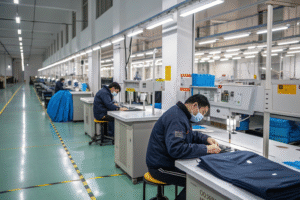
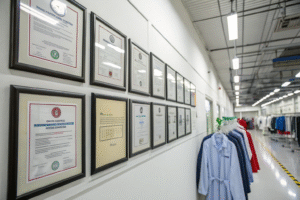
Quality management for cargo pockets demands rigorous inspection protocols given their stress-point nature. Comprehensive quality verification includes stitch density analysis and reinforcement stitching validation at all stress locations. Closure system testing involves cycle durability assessments for all fastener types. Component alignment verification ensures symmetrical positioning and correct integration with garment architecture. Practical performance evaluation includes load testing that simulates actual use conditions to verify seam strength and material endurance. This systematic approach guarantees the engineered functionality delivers reliable performance throughout the product lifecycle.
Conclusion
Cargo pockets represent a compelling case study in functional design evolution, successfully transitioning from specialized applications to widespread market acceptance. Their continued relevance stems from the effective synthesis of practical utility and adaptable aesthetics that address fundamental consumer needs. For apparel brands, comprehensive understanding of cargo pocket heritage, functional advantages, and design considerations provides significant opportunities for product differentiation and market success.
For brands developing technical pants, shorts, or integrated storage solutions, manufacturing partnership selection critically impacts final product quality. Our organization specializes in transforming design concepts into commercial successes, with dedicated focus on construction quality, competitive manufacturing, and supply chain reliability. To explore production opportunities for your next collection, we invite direct consultation with our Business Director, Elaine, at elaine@fumaoclothing.com.