If you're tired of slow shipments and quality issues, you're not alone. Many buyers struggle to find reliable wholesale clothing manufacturers who actually deliver what they promise.
A reliable wholesale clothing manufacturer offers more than just low prices—they ensure quality, timely delivery, and smooth communication. This matters because missing a season can cost thousands in lost revenue.
Finding the right manufacturer can transform your entire supply chain. Let’s walk through how to spot a good one, how to place bulk orders smartly, how to manage quality, and how sustainability fits into modern manufacturing.
How to Find Reliable Wholesale Clothing Manufacturers?
If you're sourcing from abroad, it can be frustrating to filter through endless options that look great online but underdeliver in real life.
Start by checking credentials, asking for samples, and verifying certifications. Reliable manufacturers usually have experience exporting, clear communication, and factory audits available.

What are online red flags?
Not every factory you find on Google or at trade shows is worth your time. Some reply slowly or give vague answers. Others might avoid showing certifications or overpromise capacity. One red flag I’ve learned to spot is when a sales rep avoids giving their factory address or resists video calls. It usually means they’re a trading company, not a real manufacturer. Another is when they push for a deposit before showing any documentation.
Here’s a simple checklist I use during my first contact:
| Question | Good Sign | Bad Sign |
|---|---|---|
| Can I visit your factory or see a video tour? | Yes, with photos/videos ready | Avoids or ignores request |
| Can you share audit reports or certifications? | Sends them clearly | Says they'll send "later" |
| How long have you exported to the USA/EU? | 3+ years with references | Less than a year or no references |
| Are you the factory or a trading company? | Explains clearly and transparently | Gives vague answers |
When I look for new partners, I also ask if they’ve worked with brands I know. If they say yes, I ask for proof—not to doubt them, but because reputation matters. If they have no problem showing it, I know I'm dealing with someone serious.
How to verify suppliers offline?
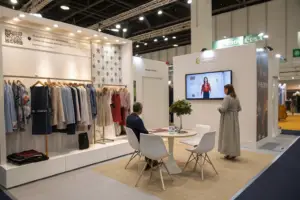
Using online platforms like Google or B2B websites can give you a list, but it’s only step one. I always follow up with deeper research. LinkedIn is a great way to check if the company is real and active. You can often find their sales team or even their CEO. Then, I check if they attend trade shows like Canton Fair or Magic Show in Vegas. Real factories usually invest in those.
Sometimes, I use sourcing agents or ask third-party inspection services to visit a factory before placing a big order. It costs a bit more, but it’s cheaper than fixing a bad shipment. Even video factory tours over Zoom can show you the truth—if they refuse, that’s a warning.
Benefits of Bulk Ordering from Clothing Manufacturers?
If you're placing small trial orders, you're missing out. Bulk orders don’t just save money—they also give you leverage in production schedules and customization.
When you buy in bulk, you reduce per-unit costs, gain priority in scheduling, and often unlock better customization and payment terms. It's a win-win if your demand is stable.
Why is bulk cheaper?
The first thing I noticed when I shifted from small batch to bulk orders was the drop in price per piece. Factories don’t like stopping machines, so they reward larger, consistent orders. For example, a hoodie that costs $7 for 200 pieces might only cost $5.50 if you order 2000. That’s a 21% cut.
Here’s a quick breakdown from one of my past purchases:
| Quantity | Unit Price | Total |
|---|---|---|
| 200 pcs | $7.00 | $1,400 |
| 2000 pcs | $5.50 | $11,000 |
Even with shipping, the savings added up. Besides cost, bulk orders gave me stronger negotiation power. I asked for free logo printing, better packaging, and even 60-day payment terms. The factory was more flexible because they knew they had a big order coming in.
How do factories treat bulk buyers?
Factories often have tight schedules, especially before major seasons. If you're only buying 100 units, you might get pushed to the back of the line. But with a bulk order, I noticed I got priority during production, better communication, and even early samples.
When I became a consistent bulk buyer, the factory assigned me a dedicated project manager. My samples arrived faster. My orders shipped on time. They even pre-booked fabric for me ahead of Chinese New Year. I felt like a partner, not just a customer.
Quality Control Tips for Wholesale Apparel Orders?
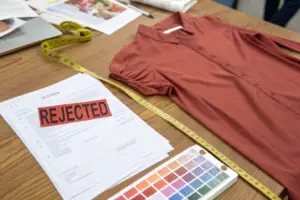
You can’t afford poor stitching or wrong colors. Quality problems kill your brand’s reputation and increase your return rates.
Set clear standards, request pre-production samples, and use third-party inspection services. Always confirm packaging and labeling details up front.
What to check before production?
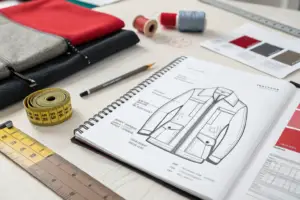
Before I approve any production, I go through a full checklist. I start with a tech pack—this includes fabric type, stitching details, logos, and measurements. Then, I request a PP (pre-production) sample. I test it in real-life conditions—wash it, wear it, pull the seams.
Here’s a sample pre-production checklist I use:
| Item | Details |
|---|---|
| Fabric | Type, GSM, colorfastness test |
| Print/Logo | Size, position, wash durability |
| Measurements | Match spec sheet within 0.5cm |
| Stitching | Flatlock, single or double, no loose threads |
| Accessories | Zippers, buttons, labels all in correct positions |
If anything is off, I correct it before giving the green light. This saves me headaches later.
What to inspect before shipment?
Once production starts, I ask for inline inspection photos. I don’t wait until the last day to find problems. If I have a big order, I’ll hire a third-party service like SGS or Bureau Veritas to visit the factory. It costs about $200, but catching a mistake early is worth way more.
After production, I double-check packaging. I once had a shipment where the hangtags were all wrong. Now I always ask for photos of final packed goods, including labels and cartons. I also confirm the quantity before they ship.
My advice: never skip inspection. Even if you trust your factory, mistakes happen. A proper QC process can make or break your season.
Sustainable Practices in Wholesale Garment Production?
If your customers care about the environment, your factory should too. Sustainability is more than a buzzword—it’s now a basic expectation for many brands.
Sustainable garment production includes using eco-friendly fabrics, reducing water usage, and ensuring fair labor. Good manufacturers share reports and certifications upfront.
How can factories go green?
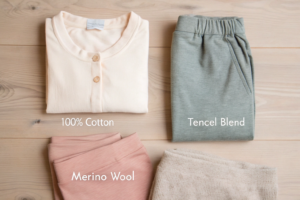
Some manufacturers just claim to be sustainable, but I look for proof. For example, I check if they use organic cotton, recycled polyester, or plant-based dyes. I also ask how they manage water—especially for denim or dyed fabric. One factory I worked with installed a wastewater treatment system and shared monthly usage reports.
Here are a few signs of a truly sustainable factory:
| Practice | Impact |
|---|---|
| GOTS-certified organic cotton | Reduces pesticide and chemical use |
| Waterless dyeing | Saves 70% of water used in traditional dyeing |
| Solar-powered machinery | Cuts carbon emissions |
| Recycled fabrics | Reduces waste going to landfills |
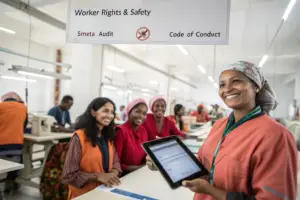
I also ask if their workers have contracts and fair working hours. Sustainability isn’t just about the planet—it’s about people too.
How to spot greenwashing?
I’ve seen many websites with “eco” labels, but no real proof. So now I always ask for documents. GOTS, OEKO-TEX, and BSCI are some of the top certifications. If they can’t provide these, I dig deeper. I’ll check if they’ve been audited or if their claims line up with third-party reviews.
Sometimes I even ask to speak with their compliance officer or tour the facility virtually. A sustainable factory has nothing to hide. They’ll show you their process, introduce their team, and even tell you about their challenges. That kind of transparency is a green flag.
Conclusion
Reliable wholesale clothing manufacturers make all the difference. From better pricing to sustainable production and quality control, they are essential partners for growing any apparel business.