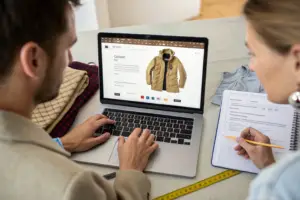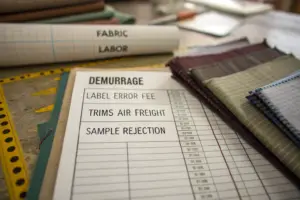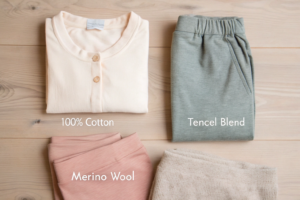
From small shops to global chains, wholesale clothing buyers come in all sizes. Everyone wants the best deal—but not everyone knows where to start.
People who buy wholesale clothing include boutique owners, fashion startups, online sellers, chain retailers, and promotional merchandisers. They want low prices, fast delivery, and reliable styles.
I used to think only large retailers bought wholesale. Then I realized many solo founders, designers, and even influencers now source wholesale to build their brands. Let’s explore who they are and where they buy.
Which country is best to buy clothes in wholesale?
When it comes to wholesale, the country you choose can shape your cost, quality, and brand success.
The best countries to buy clothes in wholesale are China, Turkey, India, Italy, and Bangladesh—each offering unique strengths in style, price, and production speed.
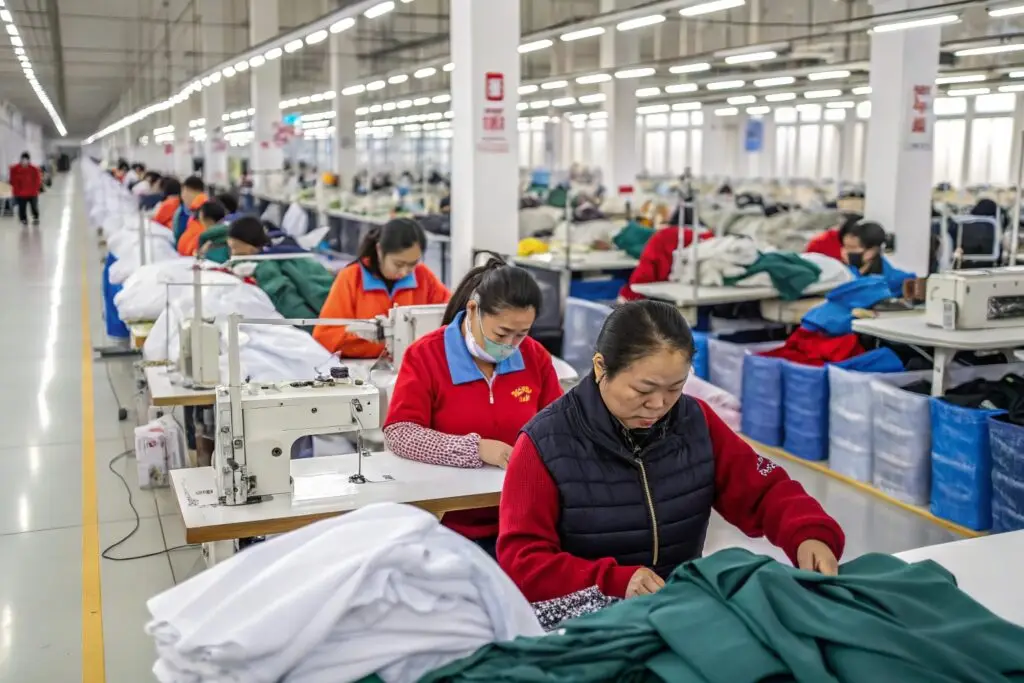
Why do clothing brands pick different countries based on price, material, and style expectations?
There’s no one-size-fits-all answer. Each country has its sweet spot:
| Country | Strength | Ideal For |
|---|---|---|
| China | Price, variety, DDP shipping | Fast fashion, broad lines |
| India | Cotton, embroidery | Boho, ethnic, eco lines |
| Turkey | Trendy styles, fast Europe shipping | Boutique brands |
| Italy | High-end, made-to-order | Luxury labels |
| Bangladesh | Low-cost basics | Bulk T-shirts, polos |
Choosing depends on your buyer profile. If you sell on Amazon, China may be best. If you run a Paris boutique, Italy or Turkey might be better.
How do you balance cost and quality when selecting a wholesale sourcing country?
Don’t go for the lowest price blindly. A $2 shirt that gets returned ruins your margins. Instead:
- Ask for product samples before big orders
- Check fabric specs and stitching standards
- Compare supplier reviews across platforms
Quality is part of your brand image. Cheap choices today can cost you loyal customers tomorrow.
Where do most boutiques buy their clothes?
Boutique owners don’t just buy trendy styles. They buy stories—items that match their vibe, their clients, and their profit model.
Most boutiques buy their clothes from wholesale marketplaces, trade shows, fashion expos, local designers, and direct factory partners.

Why do boutiques often choose smaller wholesalers or limited collections for their stock?
Boutiques compete on uniqueness. Nobody wants to see the same dress in five shops. That’s why many owners prefer:
- Small-batch collections
- Limited-edition drops
- Flexible MOQs (Minimum Order Quantities)
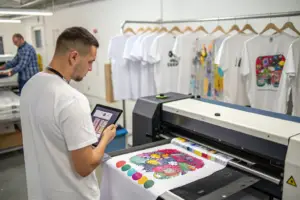
- Custom labeling or packaging options
I know boutique owners who skip Alibaba and instead visit local fashion expos or use platforms like Faire or Ankorstore to stand out.
How do online platforms help new boutique owners source inventory without traveling?
Not everyone can attend a Milan trade show. Online options now give access to global stockrooms. Sites like:
| Platform | Best For |
|---|---|
| Faire | US/EU boutique styles |
| Tundra | Commission-free wholesale |
| BrandsGateway | Luxury dropshipping and labels |
| FashionGo | Trendy apparel, mainly US-focused |
With high-res images, low MOQs, and faster dropshipping, boutique owners can test styles risk-free—and scale if they hit a winner.
Which market is best for wholesale clothes?
Markets vary by region. Some focus on fast-moving fashion, others on premium slow fashion. The “best” market depends on what you’re selling—and to whom.
The best wholesale clothing markets include Guangzhou (China), Prato (Italy), Delhi (India), Istanbul (Turkey), and LA Fashion District (USA).
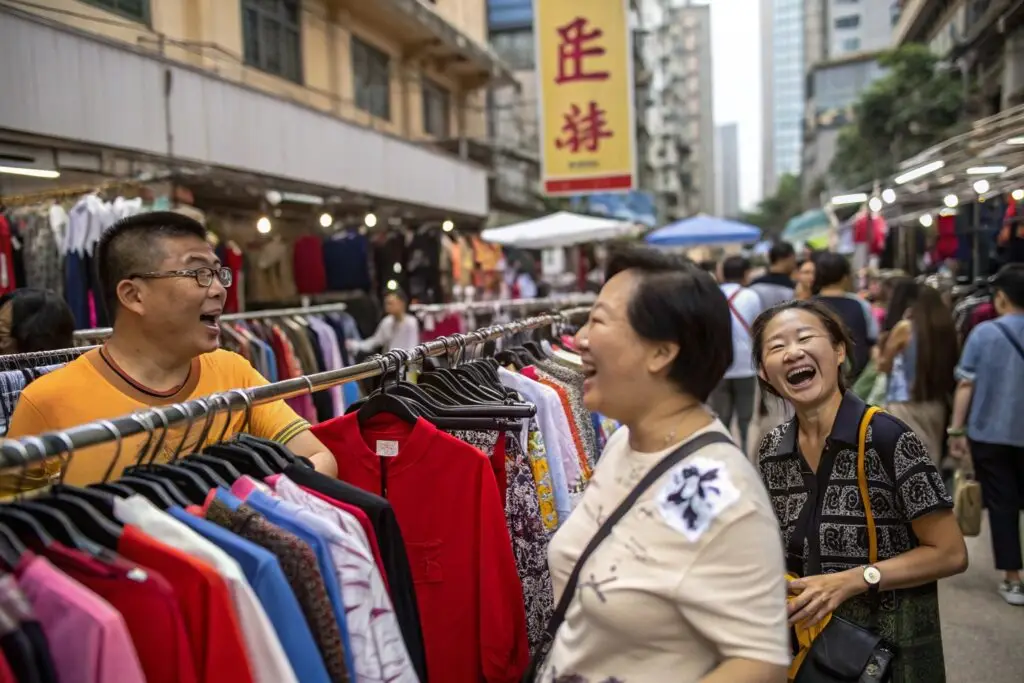
What makes wholesale markets like Guangzhou1 or Istanbul a top pick for global buyers?
I’ve been to Guangzhou’s massive garment markets—it’s overwhelming but powerful. You can:
- Touch real fabrics
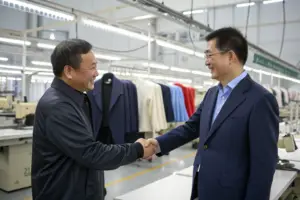
- Negotiate face-to-face
- Find rare or unique stock
- Get quicker deals than online
Similarly, Istanbul’s Laleli Market2 is perfect for trend-driven streetwear and European-friendly shipping.
| Market | Known For |
|---|---|
| Guangzhou | Scale, speed, variety |
| Prato | Italian quality at mid-range price |
| Delhi | Embroidery, cottonwear |
| LA Fashion District | US trends, quick delivery |
| Bangkok | Stylish urban wear, low MOQ |
Each market has its own rhythm, culture, and specialty. Visiting in person gives insight that websites can’t show.
How do cultural differences and negotiation styles3 affect buying in global wholesale markets?
One mistake I made early on: treating every market the same. In China, bulk orders get better deals. In Italy, relationship and design vision matter more.
Tips:
- Learn basic greetings and negotiation terms
- Respect time zones and response patterns
- Bring samples or mood boards to communicate style
Being flexible helps build trust—and better prices.
How to choose clothing wholesaler?
The right wholesaler saves time, builds your brand, and protects your profit. The wrong one? Delays, refunds, and stress.
To choose the right clothing wholesaler, evaluate product quality, MOQ, delivery time, return terms, pricing structure, and long-term reliability.
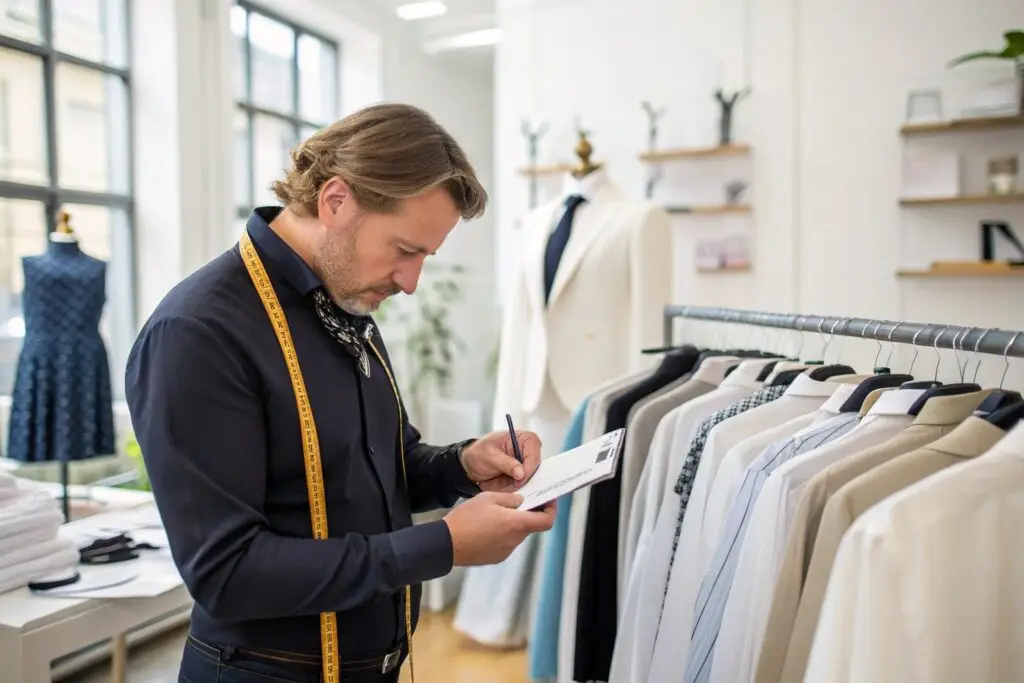
What key questions should every buyer ask before working with a new wholesaler?
Avoid future problems by asking:
| Question | Why It Matters |
|---|---|
| What's your MOQ4? | Affects inventory and cash flow |
| Do you offer samples? | Quality check before bulk |
| What’s your delivery timeline? | Crucial for launches |
| Can I use my own label? | Supports brand building |
| What’s your defect policy5? | Refunds or replacements? |
I once skipped asking about refund policies. When 10% of shirts arrived damaged, I ate the cost. Lesson learned.
Why is supplier communication6 just as important as product quality when choosing a wholesaler?
Poor communication = missed deadlines. You need a partner who responds quickly, understands your terms, and adjusts when things shift.
I prefer suppliers who:
- Confirm all details in writing
- Send order updates without chasing
- Offer real solutions—not excuses—when delays happen
Strong supplier communication turns problems into progress.
Conclusion
Wholesale clothing isn’t just for giant companies. Today, everyone from boutique owners to influencers is looking to source smart, scale fast, and build brands. Find the right partner, ask the right questions, and grow with confidence.
-
Explore the unique advantages of sourcing from Guangzhou, including its vast selection and negotiation opportunities. ↩
-
Discover why Laleli Market is favored for its trendy offerings and efficient shipping options for European buyers. ↩
-
Understanding cultural nuances can enhance your negotiation skills and lead to better deals in international markets. ↩
-
Understanding MOQ helps you manage inventory and cash flow effectively, ensuring a smoother purchasing process. ↩
-
A clear defect policy protects your investment and ensures you know your options for refunds or replacements. ↩
-
Effective communication with suppliers can prevent delays and enhance your overall business operations, making it essential to explore. ↩