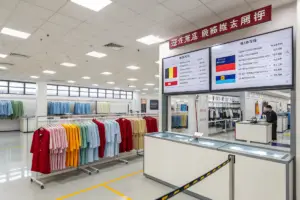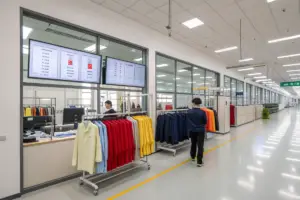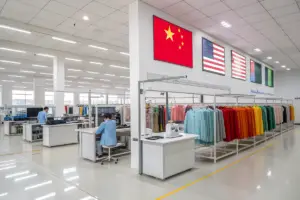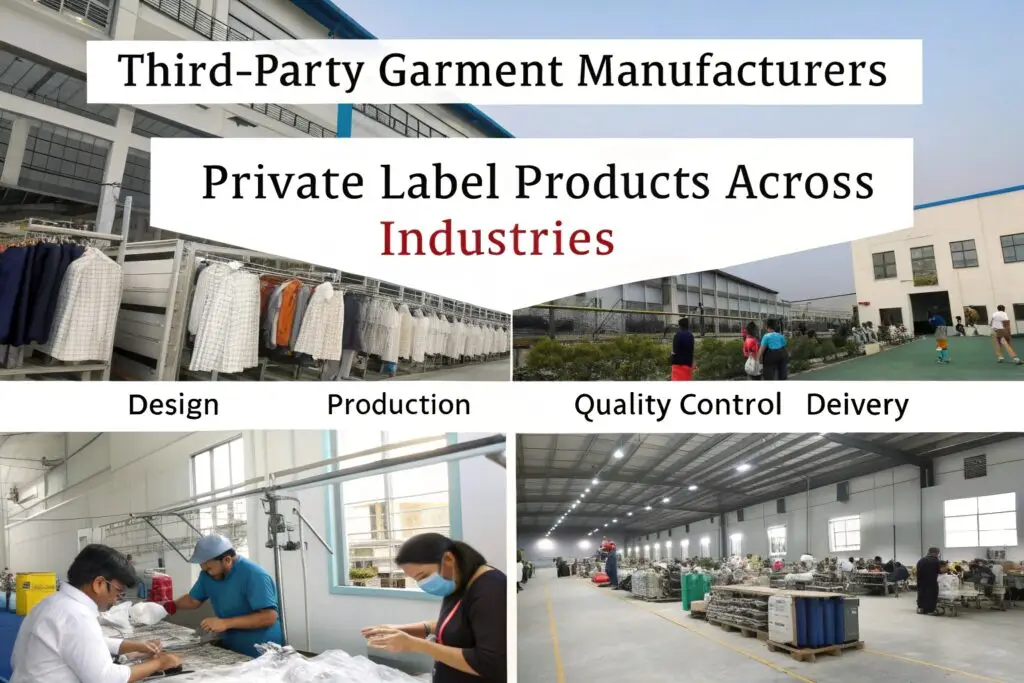
Private label manufacturing allows businesses to sell products under their own brand name without handling production. From clothing and cosmetics to food and electronics, private label manufacturers produce goods that retailers, entrepreneurs, and brands customize and sell as their own.
But who produces private label products, and how do you find the right manufacturer?
This guide explores who makes private label products, how to find a supplier, whether manufacturers own private labels, and how private label manufacturing works.
Who Produces Private Label Products?
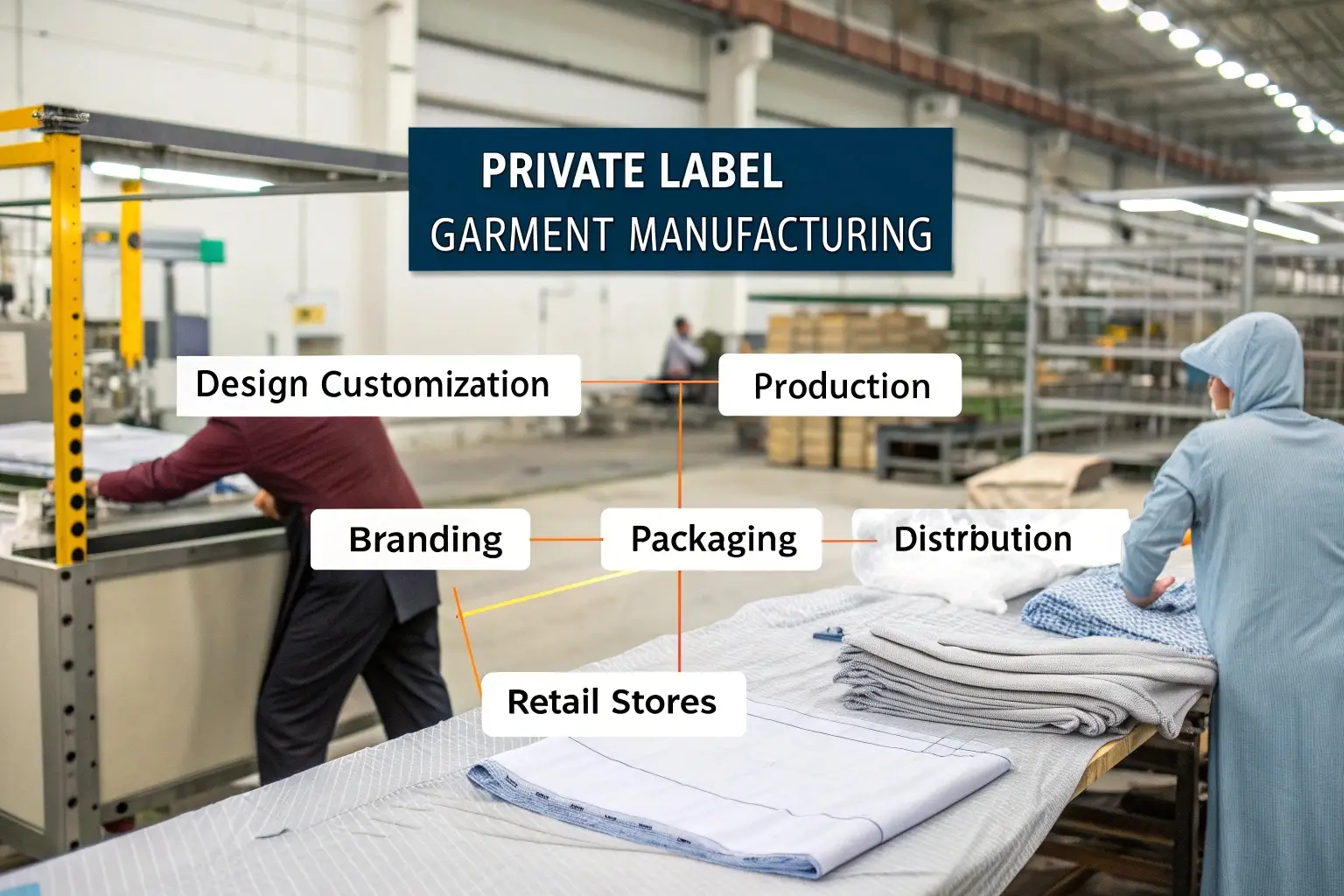
Private label products are made by third-party manufacturers that supply customized goods for brands, retailers, and businesses.
Top Industries That Use Private Label Manufacturing1
| Industry | Private Label Example2 | Manufacturer Type |
|---|---|---|
| Clothing & Apparel | Amazon Essentials, Target’s Goodfellow & Co. | Textile factories, fashion suppliers |
| Cosmetics & Skincare | Sephora Collection, Kylie Cosmetics | Beauty labs, skincare formulators |
| Food & Beverages | Kirkland Signature (Costco), Trader Joe’s | Private food processors |
| Electronics | Amazon Basics, Best Buy’s Insignia | Consumer electronics factories |
| Supplements & Health | Walgreens’ Vitamin Line, The Honest Company | Nutraceutical manufacturers3 |
How Private Label Manufacturing Works
1️⃣ A brand partners with a manufacturer that specializes in private label production.
2️⃣ The manufacturer produces generic or custom products based on specifications.
3️⃣ The brand adds its logo, packaging, and marketing to create a unique identity.
4️⃣ The finished product is sold under the brand’s name in retail stores, e-commerce, or boutiques.
💡 Private label manufacturing allows brands to sell unique products without owning production facilities.
How Do I Find a Private Label Manufacturer?
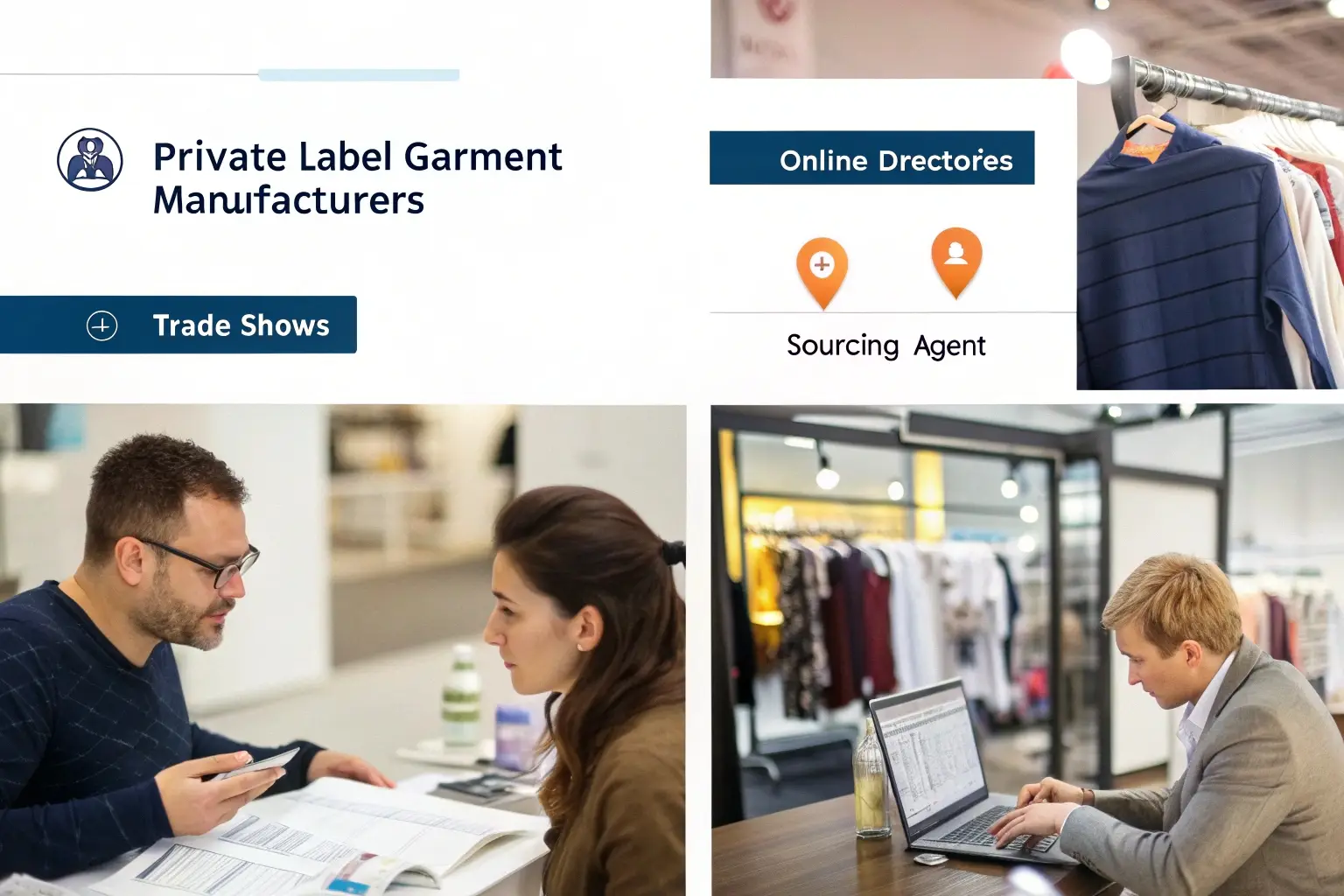
Choosing the right private label manufacturer is essential for ensuring product quality, affordability, and long-term business success.
Best Platforms to Find Private Label Manufacturers
| Platform | Description | Best For |
|---|---|---|
| Alibaba | Global B2B marketplace with thousands of suppliers. | Budget-friendly bulk orders. |
| ThomasNet | USA-based manufacturer directory. | High-quality domestic production. |
| Printful & Printify | Print-on-demand services with private labeling. | E-commerce and dropshipping. |
| Sewport | Fashion industry platform connecting brands to factories. | Private label clothing. |
| Trade Shows | Events like MAGIC Las Vegas, Texworld USA. | Face-to-face networking with manufacturers. |
Key Factors to Consider When Choosing a Manufacturer
✅ Minimum Order Quantities (MOQs) – Find a manufacturer that fits your budget (50-500 pieces for small brands, 1,000+ for scaling businesses).
✅ Customization Capabilities – Ensure they offer custom fabrics, formulations, branding, and packaging4.
✅ Production Lead Times – Standard turnaround is 4-8 weeks—confirm deadlines before placing orders.
✅ Certifications & Compliance – Look for BSCI, OEKO-TEX, GOTS, FDA, or GMP-certified5 manufacturers.
✅ Sample Testing – Always order samples before committing to full production.
💡 A reliable private label manufacturer should provide flexible MOQs, high-quality control, and full branding support.
Is a Private Label Owned by a Manufacturer?
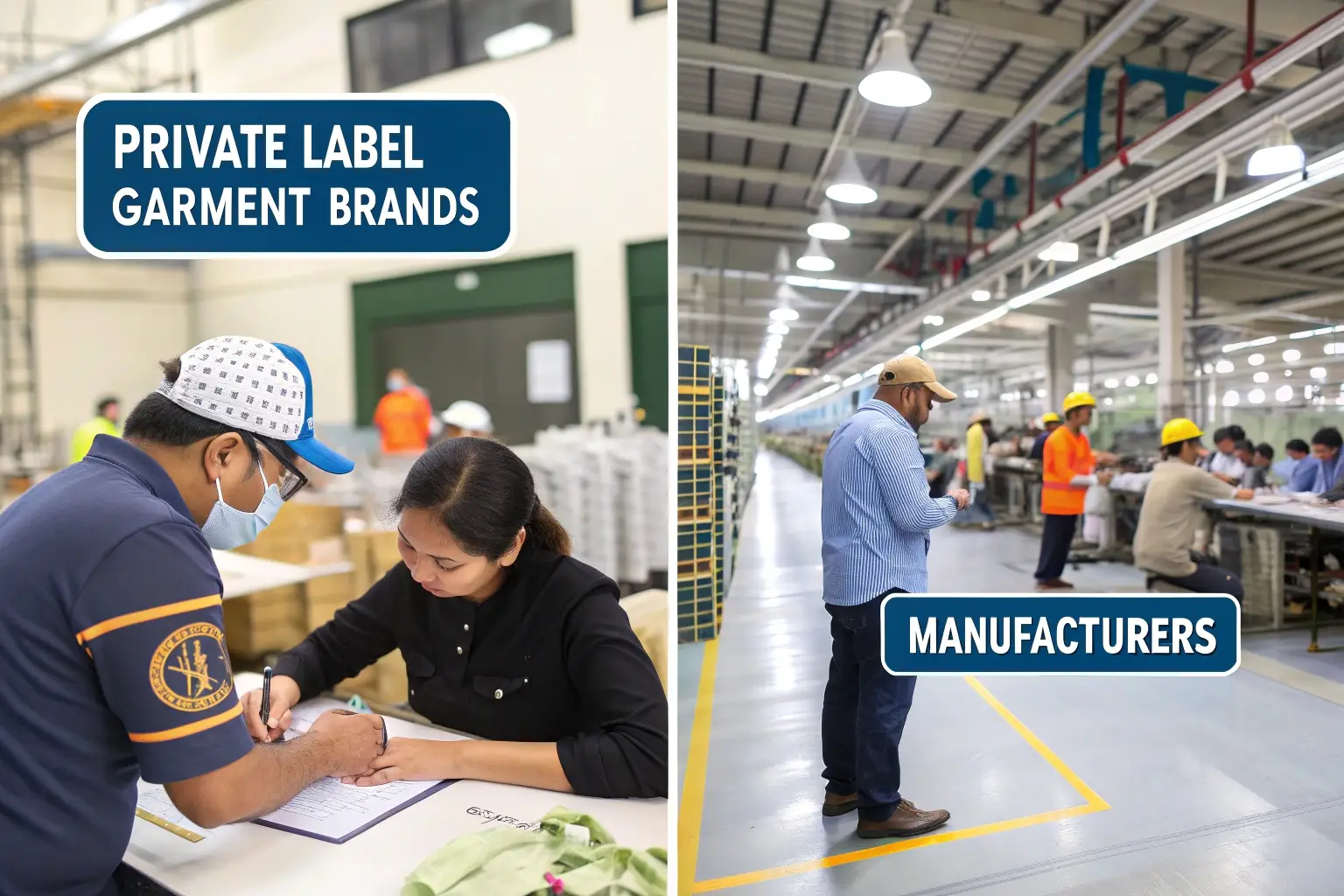
No, private label brands are owned by retailers or businesses, not manufacturers. The manufacturer produces the product, but the retailer sells it under its own brand name.
How Private Label Ownership Works
| Feature | Private Label Brands6 | Manufacturers |
|---|---|---|
| Product Ownership | Brand owns and markets the product. | Produces the product but does not sell it under its name. |
| Manufacturing Control7 | Selects specifications, packaging, and branding. | Follows the brand’s instructions for production. |
| Retail & Distribution8 | Sells on e-commerce, retail stores, and boutiques. | Works behind the scenes, supplying multiple brands. |
Examples of Private Label vs. Manufacturer-Owned Brands
| Industry | Private Label Example | Manufacturer-Owned Brand |
|---|---|---|
| Fashion | Target’s Goodfellow & Co. | Nike (owns its supply chain) |
| Beauty | Sephora Collection | Estée Lauder |
| Electronics | Amazon Basics | Samsung |
💡 Private label brands focus on marketing and sales, while manufacturers focus on production.
What Is Private Label Manufacturing?
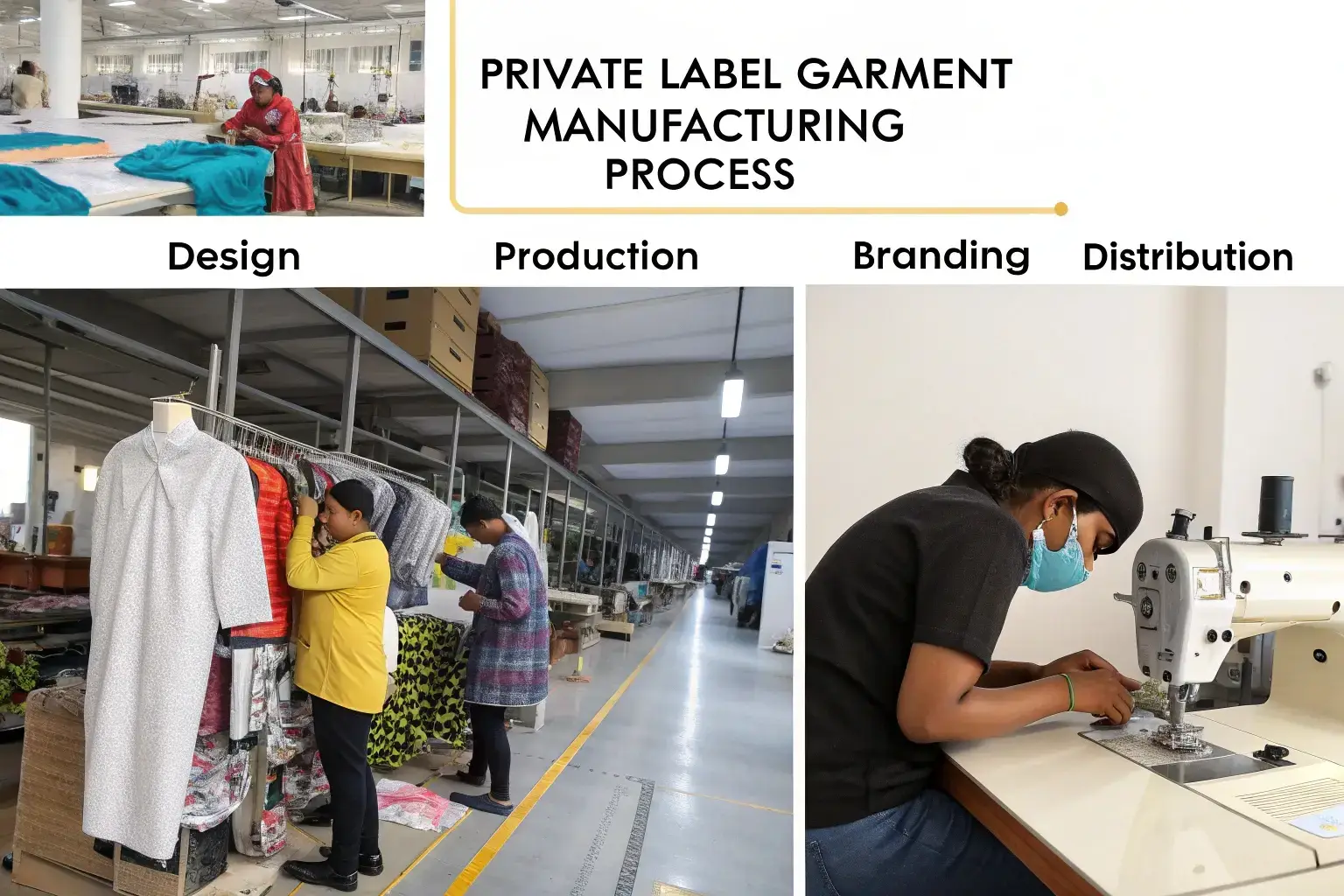
Private label manufacturing refers to outsourcing product production to a third-party factory while branding the final product as your own.
How Private Label Manufacturing Works
| Step | Description |
|---|---|
| 1. Select a Manufacturer | Find a private label supplier specializing in your product category. |
| 2. Customize the Product | Choose materials, colors, packaging, and branding elements. |
| 3. Order in Bulk | Most manufacturers require MOQs between 50–1,000 units9. |
| 4. Receive Finished Products | The manufacturer produces, packages, and ships the goods. |
| 5. Sell Under Your Brand | Market and distribute through your store, Amazon, or retail partnerships. |
Private Label vs. White Label Manufacturing
| Feature | Private Label | White Label |
|---|---|---|
| Customization | High (full control over design, branding, and materials). | Limited (generic products with brand logo). |
| Exclusivity | Unique to one brand. | Sold to multiple businesses under different names. |
| Best For | Established brands, custom-designed products. | E-commerce sellers, quick brand launches. |
Benefits of Private Label Manufacturing
✅ Full Brand Control – Customize products with exclusive designs, materials, and branding10.
✅ Higher Profit Margins – Private label products sell at premium prices.
✅ Faster Market Entry – No need for in-house manufacturing facilities.
✅ Scalability – Easily expand product lines11 and increase production volume.
💡 Private label manufacturing allows businesses to focus on branding and sales while outsourcing production.
Conclusion
Private label manufacturing helps brands create customized products without owning factories. While private label brands control marketing, pricing, and distribution, manufacturers focus on production. Whether you’re launching a clothing line, beauty brand, or food product, choosing the right private label manufacturer ensures high-quality production and long-term success.
Key Takeaways
✅ Private label products are made by third-party manufacturers but branded by businesses.
✅ Finding a manufacturer requires evaluating MOQs, customization options, and certifications.
✅ Manufacturers do not own private label brands—they produce products for retailers.
✅ Private label manufacturing provides full control over branding while outsourcing production.
💡 With the right private label manufacturer, your brand can launch exclusive, high-quality products with ease!
-
Understanding private label manufacturing can help brands leverage this strategy for unique product offerings. ↩
-
Exploring successful examples can inspire brands to create their own private label products effectively. ↩
-
Learning about nutraceutical manufacturers can provide insights into health product development and branding. ↩
-
Understanding the significance of these factors can help you choose the right manufacturer for your unique product needs. ↩
-
Learn about these certifications to ensure your manufacturer meets industry standards and provides quality products. ↩
-
Exploring this resource will provide insights into the advantages of private label brands, enhancing your understanding of their market impact. ↩
-
This link will help you understand the intricacies of manufacturing control in private label ownership, crucial for brand success. ↩
-
Discover effective strategies for retail and distribution of private label products to maximize sales and market reach. ↩
-
Understanding MOQs is crucial for budgeting and planning your inventory effectively. ↩
-
Exploring exclusive designs can help you differentiate your brand and attract more customers. ↩
-
Learning about product line expansion can provide insights into scaling your business successfully. ↩