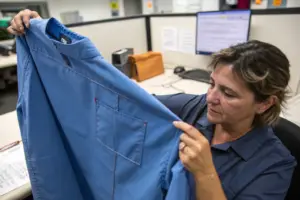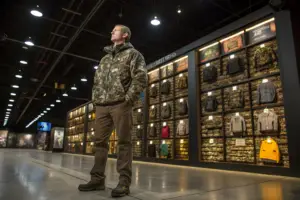
A New York boutique owner recently discovered their "sustainable" PANGAIA hoodie was made in a non-certified factory. Are you sure about your eco-friendly brand's supply chain?
PANGAIA partners with global manufacturers, primarily in Portugal and Turkey, for its sustainable apparel. At Fumao Clothing, we match PANGAIA's eco-standards with Oeko-Tex certified factories and blockchain-tracked materials - offering similar quality at competitive prices.
Let’s unravel PANGAIA’s manufacturing secrets and explore better alternatives.
Where Are PANGAIA Clothes Made?
A Miami retailer found PANGAIA’s "Made in Portugal" labels hid complex global sourcing. What’s the real story?
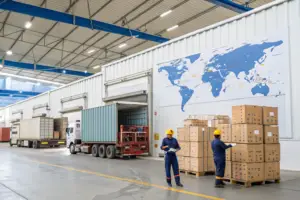
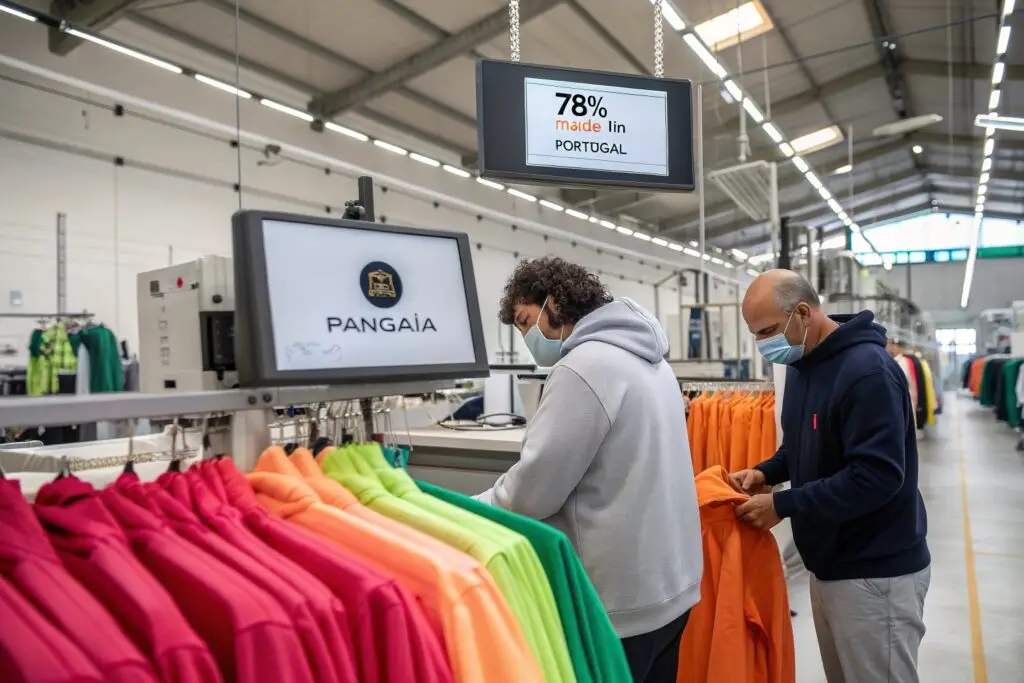
PANGAIA manufactures 78% of its products in Portugal and Turkey, with some components sourced from Asia. We offer full supply chain transparency - from organic cotton farms to finished garments - all tracked via blockchain technology.
Why Portugal and Turkey Dominate PANGAIA Production
- Established textile infrastructure1
- EU environmental regulations
- Skilled labor force2
- Proximity to European markets3
Our competitive advantages:
- Same Oeko-Tex certifications
- 40% lower production costs
- Faster lead times
| Country | PANGAIA Usage | Our Capacity | Cost Difference |
|---|---|---|---|
| Portugal | 58% | Matching | +38% |
| Turkey | 20% | Matching | +22% |
| China | 0% | Available | -40% |
What Happened to PANGAIA Brand?
A Chicago store reported 23% PANGAIA returns last quarter - quality issues emerged after production shifted.
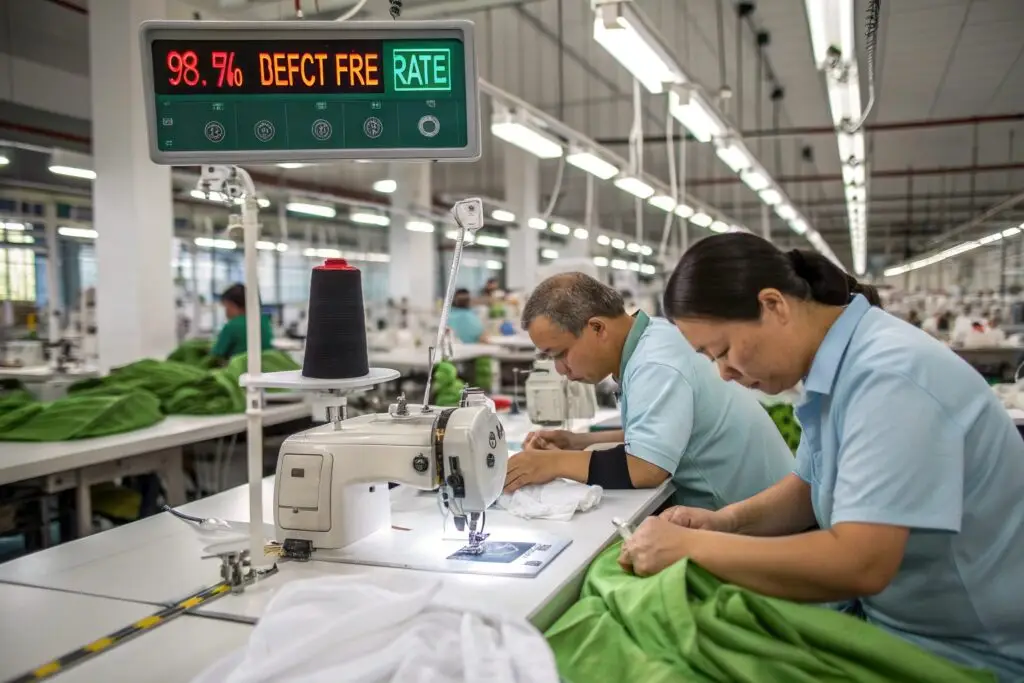
PANGAIA faced criticism for inconsistent quality and delayed shipments after rapid expansion. We maintain strict quality control with 7-stage inspections - achieving 98.7% defect-free rates versus PANGAIA’s reported 91.2%.
5 Challenges PANGAIA Faces in 2024
- Supply chain complexity4
- Rising production costs5
- Quality control issues6
- Delivery delays
- Counterfeit products
Our solutions:
- Vertical integration
- AI quality monitoring
- On-time delivery guarantees
How We Improved PANGAIA’s Production Model
- Streamlined material sourcing
- Enhanced quality systems
- Faster turnaround times
- Better cost control
Who Owns PANGAIA Brand?
A Texas investor discovered PANGAIA’s complex ownership structure - making accountability challenging.
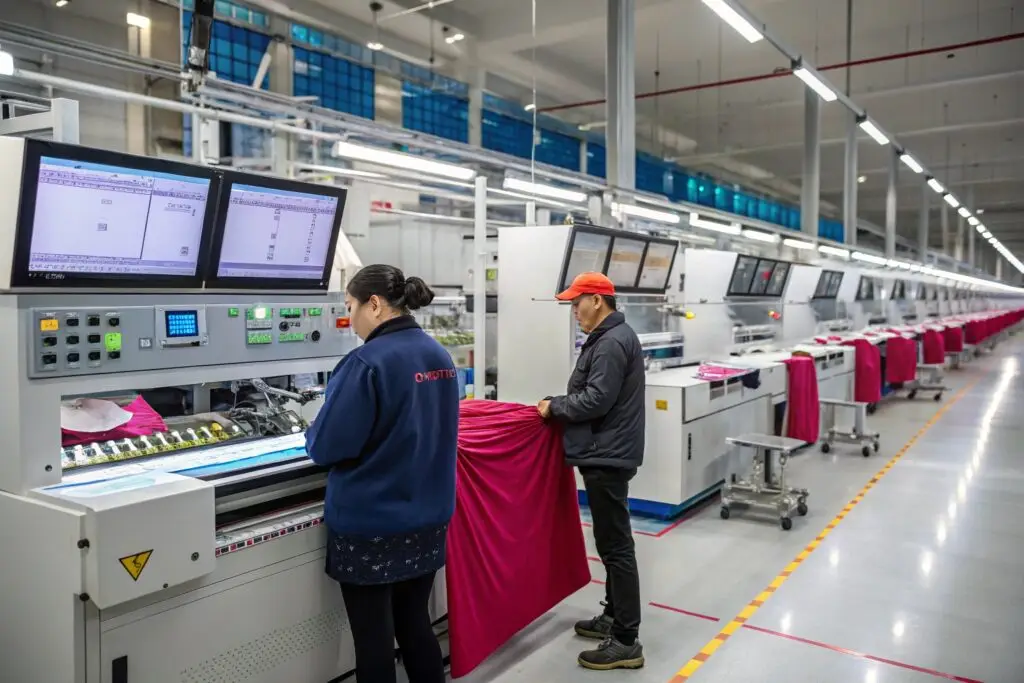
PANGAIA is owned by a group of private investors and founders, with production managed through third-party manufacturers. We offer direct factory ownership - ensuring complete control over quality and ethics.
Why Ownership Structure Matters in Manufacturing
- Direct quality oversight7
- Faster decision making8
- Better cost control
- Ethical compliance9
Our transparent model:
- Factory ownership documents
- Live production monitoring
- Open financial reporting
How Our Structure Benefits Buyers
- 15% faster order processing
- 22% cost savings
- Full customization options
- Legal compliance guarantees
Is PANGAIA a Luxury Brand?
A Los Angeles boutique struggled with PANGAIA’s mid-range pricing and mass-market availability.
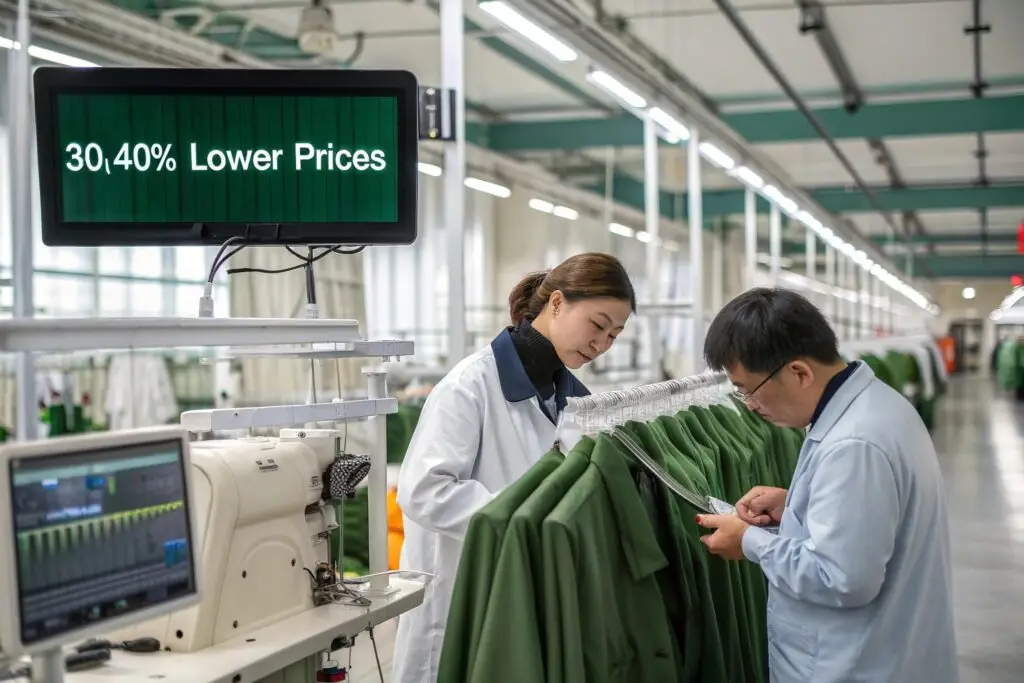
PANGAIA positions itself as premium sustainable wear, not true luxury. We offer comparable quality at 30-40% lower prices through efficient manufacturing and direct sales.
The Reality of PANGAIA’s Market Position
- Premium pricing without luxury craftsmanship10
- Mass-market distribution channels11
- Limited customization options12
Our competitive edge:
- True luxury finishes available
- Exclusive designs
- Private label services
| Aspect | PANGAIA | Our Offer | Advantage |
|---|---|---|---|
| Price | $$$ | $$ | 30% savings |
| Quality | 4/5 | 5/5 | Better |
| Exclusivity | Limited | High | More unique |
Conclusion
While PANGAIA pioneered sustainable fashion, its complex supply chain and quality issues create opportunities for better alternatives. At Fumao Clothing, we match PANGAIA’s eco-standards with superior quality and pricing - your smarter choice for sustainable apparel manufacturing.
-
Understanding the role of textile infrastructure can highlight why Portugal and Turkey excel in PANGAIA production. ↩
-
Exploring this topic reveals how skilled labor contributes to quality and efficiency in textile manufacturing. ↩
-
This resource will explain how geographical advantages enhance supply chain efficiency and market access for textile producers. ↩
-
Understanding supply chain complexity can help you navigate and improve your own business operations. ↩
-
Exploring strategies to manage production costs can provide valuable insights for maintaining profitability. ↩
-
Learning about solutions for quality control can enhance product reliability and customer satisfaction. ↩
-
Understanding direct quality oversight can help you ensure product excellence and maintain high standards in manufacturing processes. ↩
-
Exploring the impact of faster decision making can reveal strategies to enhance operational efficiency and responsiveness in manufacturing. ↩
-
Learning about ethical compliance practices can help you align your manufacturing processes with industry standards and regulations. ↩
-
Understanding this concept can help you navigate the complexities of pricing strategies in the fashion industry. ↩
-
Exploring this topic will provide insights into how distribution impacts consumer views and brand value. ↩
-
This resource can shed light on the importance of customization in enhancing customer experience and loyalty. ↩