When parents shop for kids, they look for three things: clothes that are safe, can withstand rough play, and still look good. The triple win comes from choosing the right fabrics.
Fabrics combining safety, durability, and style—like organic cotton knit, reinforced denim, and performance blends—are essential in modern kids’ wear.
As a manufacturer supplying children’s lines abroad, I’ve seen how the best fabrics balance certifications, fabric strength, and playful designs. Here’s your guide.
What Makes a Fabric Safe for Kids?
Kids have delicate skin. Fabrics must be gentle and chemical-free.
Safety in kids’ fabrics means non-toxic dyes, low flammability, and certifications like OEKO‑TEX or GOTS.

Why Avoid Harsh Dyes and Chemicals?
Children’s skin is 5x more absorbent than adults'. That makes them vulnerable to harmful substances like formaldehyde or heavy metals.
OEKO‑TEX Standard 100 ensures finished garments are tested and free from restricted chemicals—critical for babywear and toddlers.
Are Organically Grown Fibers Better?
Yes. Organic cotton or bamboo prevents pesticide residue remaining in fiber, which is common in conventional cotton. Brands like Abercrombie Kids and Tea Collection feature organic cotton basics for this reason.
Which Fabrics Withstand Active Play?
Kids are rough—staking, climbing, crawling.
Durable fabrics like high-density cotton denim, ripstop polyester blends, and reinforced knits stand up to abrasion and repeated washing.

What Role Does Fabric Weight Play?
Jeans at 12–14 oz denim resist shredding; corduroy at 8 oz gives texture and warmth. Leggings made from 55% cotton / 45% spandex at 7–8 oz resist overstretch and retain shape.
Testing includes Martindale abrasion and pilling resistance, ensuring wearability past the toddler stage.
Are Ripstop or Softshell Options Good?
Yes—especially for outdoor children’s apparel. Ripstop nylon at 70 g/m² resists tears, while breathable softshell fabrics keep kids both dry and mobile.
Brands like Patagonia Kids use ripstop in outerwear lines engineered for durability and ease.
How Important Is Style for Kids?
Kids (and parents) want clothes they love to wear—and that reflect personality.
Stylish fabrics include soft knits, fun prints, comfort stretch, and textured weaves like corduroy and chambray.

What Prints and Designs Work Best?
Digital jersey prints, jacquard knits with reversible patterns, and embroidered accents are popular—especially when combined with reactive dyes that are OEKO‑TEX compliant.
Do Fashionable Details Hold Up in Use?
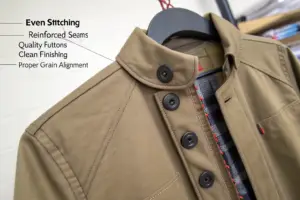
Yes—if done right. Reinforced cuffs, shoulder patches, and double-stitched seams maintain shape after repeated wear. Fun accents shouldn’t compromise strength.
Which Fabric Blends Hit the Sweet Spot?
Blended fabrics offer versatility, softness, and durability—the ideal trifecta for kids’ wear.
Look for combinations like 95% organic cotton / 5% spandex and 65% cotton / 35% recycled polyester.

Does Spandex Improve Fit and Comfort?
Absolutely. Adding 3–5% spandex ensures freedom of movement and shape retention—great for leggings, joggers, and any kids' playwear.
Are Recycled Fibers a Good Sustainable Choice?
Yes. Using fibers like recycled polyester reduces waste and increases strength. When OEKO‑TEX or GRS certified, blends stay skin-safe.
Conclusion
Kids’ wear doesn't have to sacrifice style for safety or durability. The best fabrics—such as organic cotton blends, ripstop and reinforced denim, and OEKO‑TEX knits—deliver all three.
Select certified, abrasion-tested, and well-designed fabrics. That’s the formula for happy kids, worry-free parents, and products that last.