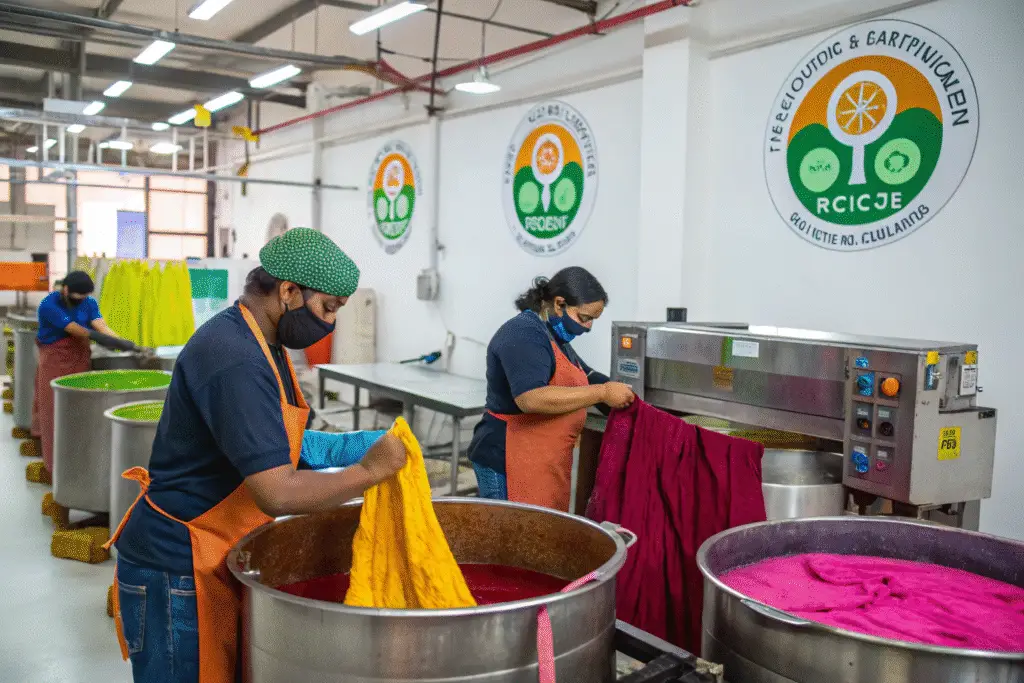
Reducing dyeing costs while protecting the planet sounds impossible—until brands adopt eco-friendly techniques. Yet sustainable dyeing does more than reduce environmental impact—it can also slash expenses by up to 30%.
By replacing traditional wet-dye processes with innovative methods like digital printing, cold-pad batch, and plant-based dyes, manufacturers can save money and attract eco-conscious buyers.
In this article, I’ll explore how these techniques work, highlight their cost-saving potential, and show you how to implement them in your supply chain.
What Are the Key Eco-Friendly Dyeing Methods?
Eco dyeing isn’t a single solution—it’s a range of methods tailored for different fabrics, scales, and budgets.
Let’s break down the three most cost-effective and scalable eco dyeing techniques.
What Is Digital Textile Printing?
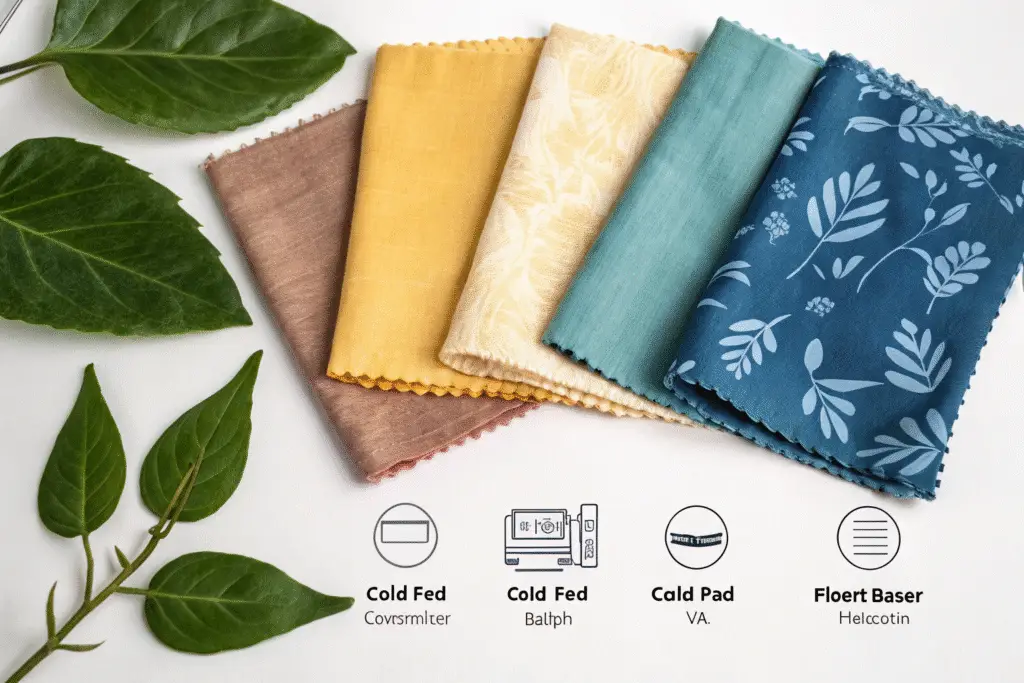
Digital printing uses inkjet technology to apply dyes onto fabric—no water vats needed.
- Minimal water use
- Short lead times
- High design flexibility
Studies (e.g., by Epson Textile) show up to 80% water savings and 50% lower energy use compared to rotary screen printing.
How Does Cold‑Pad Batch Dyeing Work?
Cold-pad batch (CPB) applies dye at room temp then cures over time on racks—no heat or steaming.
- 60–70% less energy
- Low-water consumption
- Simple machinery
Companies like DyStar report dyeing costs reduced by 25–30%, with similar quality to conventional methods.
Are Plant‑Based Dyes a Viable Option?
Natural dyes—like indigo, madder, and eucalyptus—offer sustainable alternatives.
- Biodegradable
- Low toxicity
- Potential bulk savings with local sourcing
Brands using plant dyes from Botanical Colors report up to 30% savings with premium pricing strategies.
How Much Can You Save on Water, Energy, and Chemicals?
Cutting water and energy use translates directly into real cost savings.
Analysis shows that eco dyeing can reduce direct costs by 20–30% per meter of fabric.
How Much Water Is Saved?
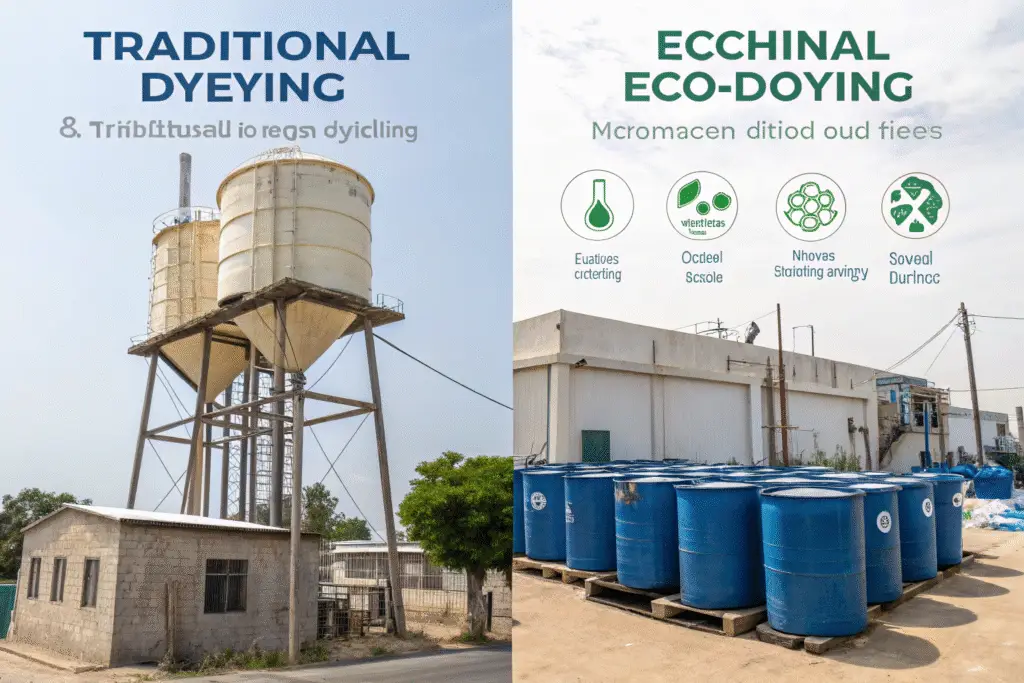
Traditional processes can use 200–300 L per kg of fabric. Digital printing and CPB reduce that to 20–80 L/kg—a 60–90% water reduction, saving both resources and wastewater treatment expenses.
How Much Energy Is Cut?
- Digital printing eliminates steam/dryer usage
- CPB operates at room temperature
- Natural dyeing avoids chemical heats
Energy costs can drop up to 40%, per independent research from Textile Today.
What Is the Impact on Chemical Use and Waste?
Fewer chemicals mean easier compliance and lower disposal fees.
Eco dyeing cuts chemical usage by 50–70%—reducing treatment costs and wastewater burden.
Which Chemicals Are Eliminated?
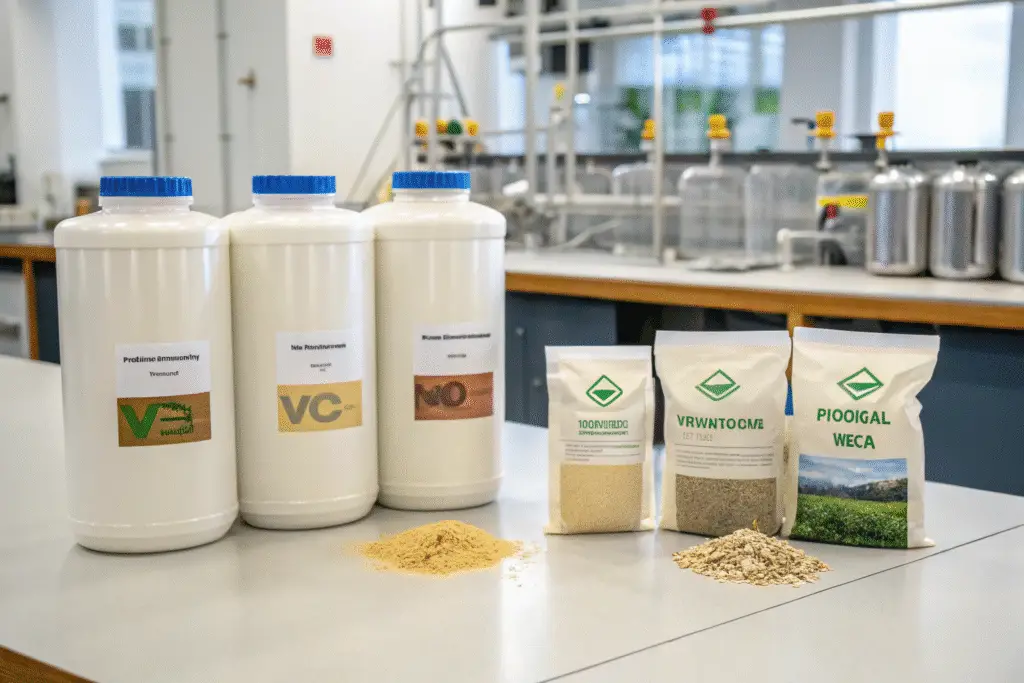
- Synthetic dye auxiliaries
- Fixatives and mordants
- Harsh pH adjusters
Natural dyes and digital inks are designed to minimize Chemical Oxygen Demand (COD) and reduce regulatory risk.
How Does This Improve Compliance?
Less chemical discharge simplifies compliance with standards like OEKO-TEX, ZDHC, and REACH—reducing audit failures and penalties.
How Do ROI Timelines Look for Eco Dyeing Adoption?
Smart buyers need ROI clarity before asking factories to invest.
ROI benchmarks:
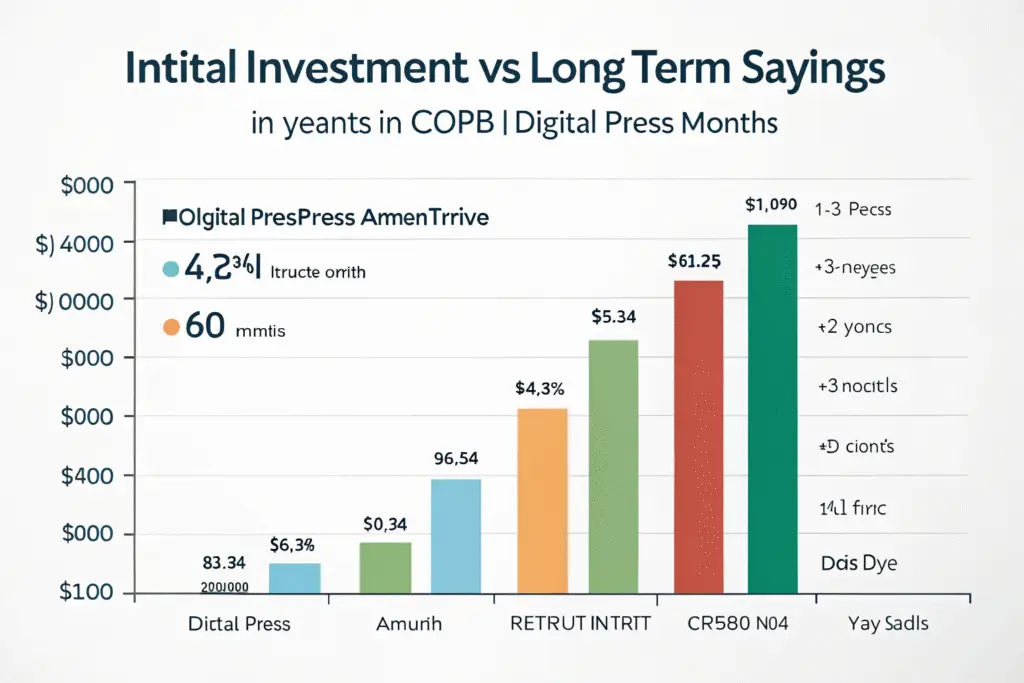
| Method | Initial Cost | Payback Period | Avg Cost Reduction |
|---|---|---|---|
| Digital Printing | $80k–150k | 18–36 months | 20–30% per meter |
| Cold-Pad Batch (CPB) | $20k–50k | 12–18 months | 25–30% |
| Plant-Based Dye | Low–medium | 6–12 months | 15–30% (premium) |
Digital press vendors like Kornit Digital offer financing and service plans that speed up ROI.
How to Implement Eco-Friendly Dyeing at Scale?
Manufacturers need practical steps, not idealism.
These steps ensure smooth rollout and financial benefit:
- Pilot small batches
- Train operators
- Source eco-certified inks/dyes
- Monitor metrics: water, energy, chemical use
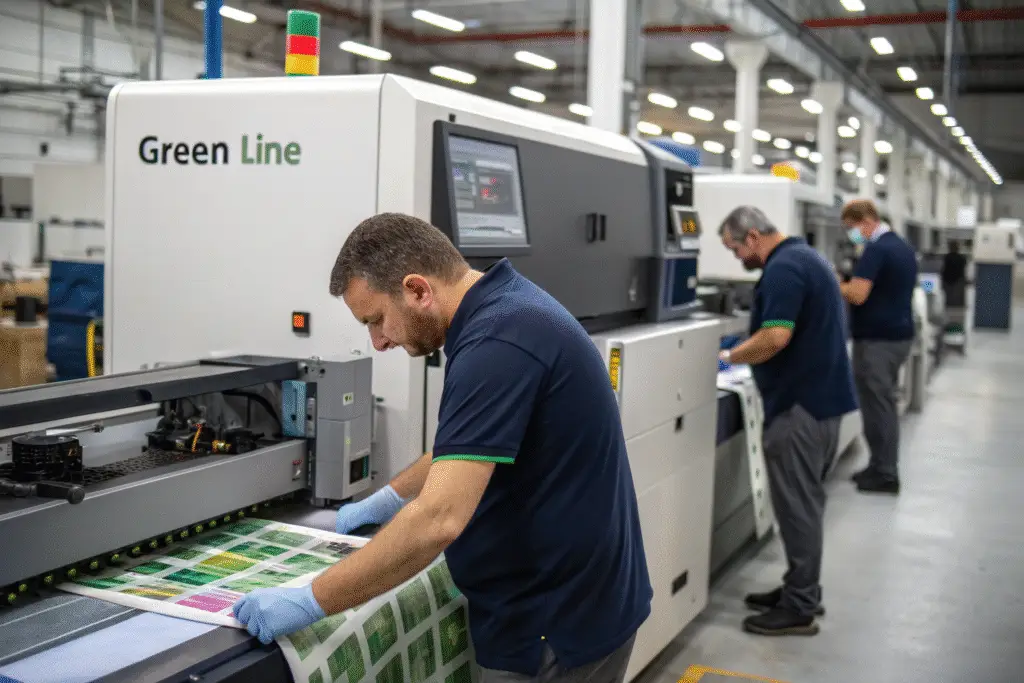
What Should a Pilot Program Include?
- 100–500 kg batches
- Pre/post-dye testing: fastness, color, shrinkage
- Record utility savings
Platforms like Higg Index help benchmark sustainability metrics.
How to Choose the Right Supplier?
Look for:
- Experience with eco dyeing (≥2 years)
- Access to digital/CPB equipment
- Good lab testing facilities
- Certifications: OEKO-TEX, GOTS, ZDHC
Manufacturers like Fumao Clothing now offer eco dye lines with transparent panel reporting.
Conclusion
Eco-friendly dyeing technologies are no longer just for boutique brands—they are cost-saving and scalable tools for modern apparel sourcing. Whether you choose digital printing, cold-pad batch, or plant-based dyes, each method offers a path to cut dyeing costs by 30%, reduce environmental harm, and enhance brand credibility.
Ask your suppliers about eco dye trials, benchmark with concrete data, and choose the method that aligns with your product mix. Sustainable dyeing is your competitive advantage—and your profit-builder.