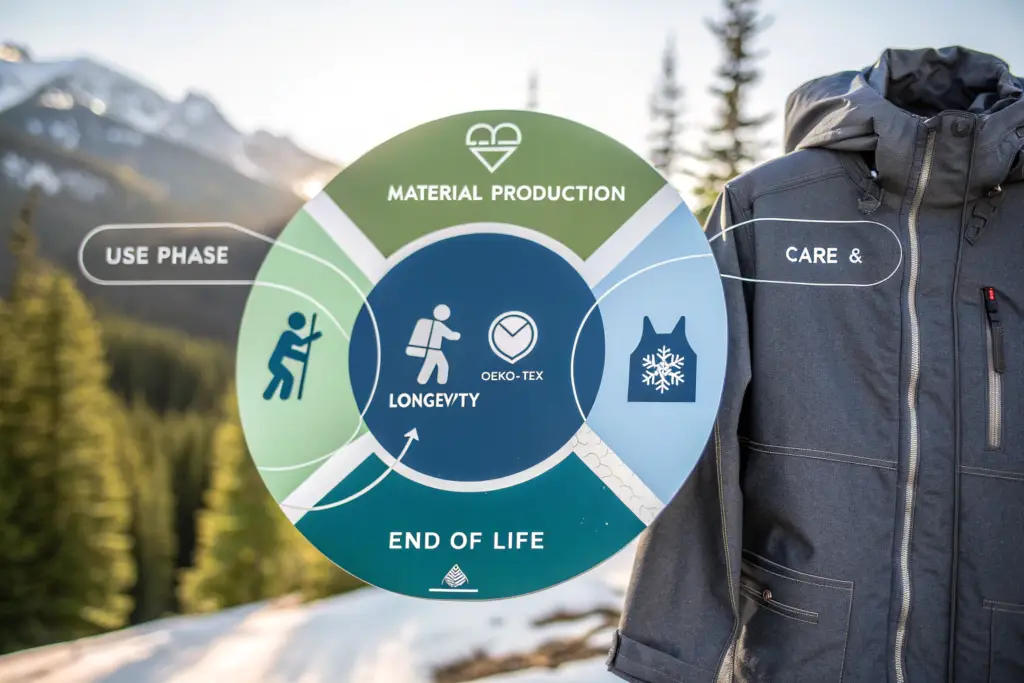
When evaluating the sustainability of ski apparel, discussions often center on recycled materials, durable construction, or end-of-life recycling. However, a critical and often overlooked factor is the product's chemical footprint—the invisible legacy of dyes, finishes, and treatments used in its creation. OEKO-TEX® certification, particularly the STANDARD 100 label, is widely recognized as a consumer safety benchmark. But its true influence extends far beyond point-of-sale assurance, profoundly shaping the entire lifecycle of a garment, from raw material sourcing to its final disposition. This holistic impact defines what it means to build a responsibly engineered product for the mountains.
The real impact of OEKO-TEX® on ski apparel's lifecycle is systemic: it enforces a cleaner production process that reduces environmental pollution at the source, enhances product durability and user safety during the use phase, and creates a safer waste stream at end-of-life, while simultaneously building consumer trust that extends the product's functional and emotional lifespan. It acts as a preventative quality standard that addresses environmental and human health impacts across all lifecycle stages, making it a foundational tool for credible, long-term sustainability.
At Shanghai Fumao, a pivotal moment came in 2022 when we partnered with an eco-conscious brand to overhaul their bestselling polyester baselayer. The goal was to improve its environmental profile. While we initially focused on switching to recycled polyester, a lifecycle analysis prompted by the brand revealed that the chemical-intensive dyeing and finishing of the original fabric were major pollution hotspots. By sourcing OEKO-TEX® STANDARD 100 certified recycled polyester, we weren't just getting a safer fabric; we were partnering with mills whose wastewater treatment and chemical management were audited as part of the certification. The result was a baselayer that reduced its potential aquatic toxicity by an estimated 40% compared to its conventional recycled counterpart, a fact the brand now leverages in its "Clean from Fiber to Finish" marketing. This experience taught us that safety and sustainability are two sides of the same coin, with OEKO-TEX® as the crucial integrator.
How Does OEKO-TEX® Transform the Production Phase?
The most significant environmental impact of any textile product is often locked in during manufacturing. OEKO-TEX® certification reaches deep into the supply chain to mitigate this impact at its origin.
OEKO-TEX® transforms the production phase by mandating strict controls over input chemicals at the mill and dye-house level, which directly leads to reduced emissions of harmful substances into water and air, safer working conditions, and a higher-quality, more consistent raw material. The STANDARD 100 certification is not just a test of the final fabric; it requires certified companies to demonstrate responsible chemical management throughout their production processes. This has a cascading positive effect.
Consider a typical waterproof, breathable laminate used in ski shells. Its production involves coatings and laminations that can involve solvents and plasticizers. An OEKO-TEX® certified membrane supplier must ensure these substances are either absent or within strictly limited concentrations. This means:
- Cleaner Wastewater: The mill's effluent contains fewer toxic residues (like heavy metals, phenols, or chlorinated organic carriers), reducing its impact on local waterways.
- Safer Working Environment: Factory workers are not exposed to high levels of airborne toxins like formaldehyde or allergogenic dust.
- Enhanced Material Consistency: Fabrics produced under such controlled conditions tend to have better color fastness and finish stability, which translates to longer-lasting performance for the end-user.
By choosing an OEKO-TEX® certified manufacturer like Shanghai Fumao, brands indirectly select a supply chain that is already adhering to higher environmental and social due diligence standards, often aligning with ZDHC (Zero Discharge of Hazardous Chemicals) principles. This is impact by proxy, but it is real and measurable.

What is the "Cascade Effect" in the Supply Chain?
The certification creates a positive compliance pressure that flows upstream.
When a final apparel manufacturer (like us) demands OEKO-TEX® certified fabrics, the fabric mill must, in turn, demand certified yarns and dyes from its suppliers. This creates a market incentive for chemical companies and fiber producers to clean up their formulations. For instance, we have witnessed dye suppliers developing new, OEKO-TEX® compliant formulations to meet the growing demand from our partner mills. This "cascade effect" drives innovation and improvement far beyond the final sewing factory, amplifying the certification's positive impact.
How Does This Compare to a Non-Certified Production Run?
The contrast is stark. Non-certified production often prioritizes cost and speed, leading to the use of cheaper, more hazardous chemicals. The environmental burden is externalized—polluted water, toxic sludge, and worker health issues become someone else's problem, often in regions with less stringent enforcement. The final garment may perform initially, but it carries an invisible chemical burden that will leach out during use and washing, eventually entering the environment. OEKO-TEX® certification internalizes this cost, making cleaner production a non-negotiable part of the business model.
How Does Certification Extend the Useful Life of a Garment?
A product's environmental footprint is amortized over its useful life. The longer a high-performance garment lasts, the lower its per-use impact. OEKO-TEX® contributes directly to longevity in several key ways.
OEKO-TEX® certification extends a garment's useful life by ensuring chemical stability (preventing finish breakdown and dye migration), enhancing user comfort and trust (which encourages repeated use), and supporting easier, safer care. A garment that causes skin irritation, loses its color quickly, or develops persistent odor due to chemical breakdown will be discarded prematurely, regardless of its physical durability.
Key mechanisms of life extension include:
- Durability of Function: The certification tests for perspiration fastness and wash fastness. This means the colors and chemical finishes are less likely to degrade with the acidic sweat and repeated laundering common in ski apparel care. The garment's appearance and performance remain intact longer.
- User Attachment: Psychological longevity is as important as physical. A consumer who trusts that a garment is safe for their family, especially for children's wear, develops a stronger emotional bond. They are more likely to repair it, pass it down, or care for it meticulously. This trust, validated by the label, fights the culture of disposability.
- Odor Resistance: By restricting harmful biocides and ensuring cleaner base materials, OEKO-TEX® certified fabrics often rely on natural fiber properties (like merino wool) or safer technologies for odor management. These tend to be more durable than cheap chemical coatings that wash out, keeping the garment fresher and more usable over time.
A practical example from our work: We produce ski socks using OEKO-TEX® certified merino wool. Clients report that these socks maintain their shape, color, and odor resistance for significantly more wears and washes than previous, non-certified versions. This directly reduces the frequency of purchase and the volume of textile waste generated.
How Does It Influence Care and Maintenance?
The care phase is critical for lifecycle impact. OEKO-TEX® certified garments often require less aggressive cleaning.
Because they are free from residues that can cause odor or feel "grimey," these garments can frequently be aired out instead of washed. When washing is needed, the stability of the dyes and finishes means they can be washed effectively in cooler water, saving energy. Furthermore, the absence of harsh chemical residues makes them safer to wash at home, reducing the risk of skin reactions for the wearer and preventing the release of toxic substances into household wastewater. This aligns with a lower-impact care regimen, a significant part of a garment's total carbon and water footprint.
What is the End-of-Life and Circularity Impact?
The journey of a garment doesn't end in the landfill or incinerator. Its chemical composition dictates whether it can be safely recycled, composted, or if it will leach toxins as it degrades.
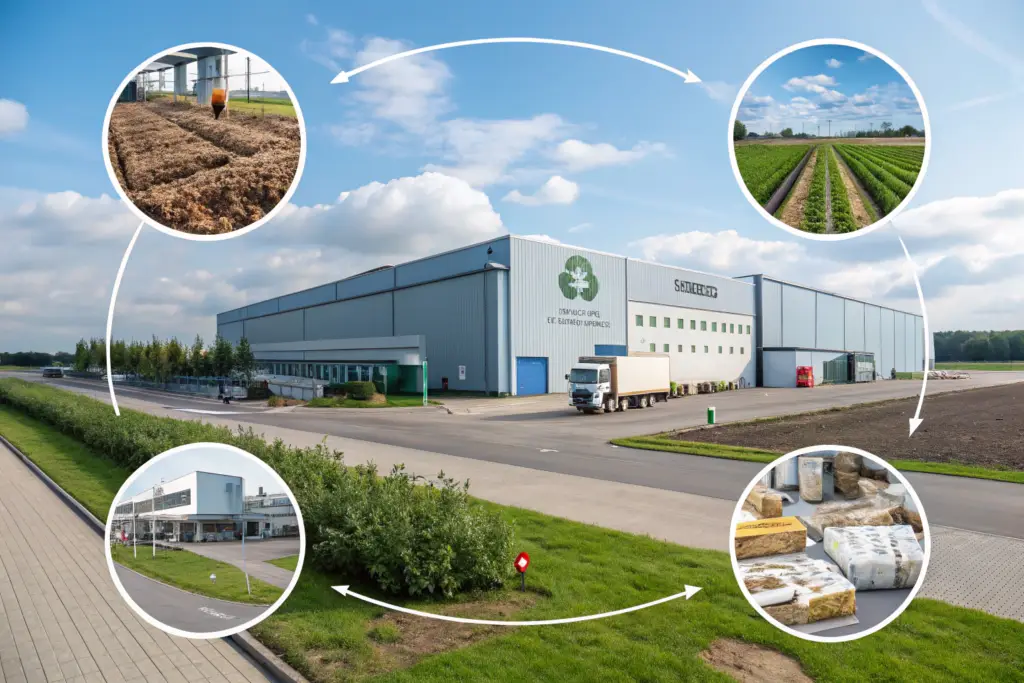
OEKO-TEX® certification positively influences end-of-life scenarios by creating a "cleaner" waste stream. Garments free from hazardous substances are less problematic in mechanical recycling, pose lower risks in potential chemical recycling pathways, and are safer if they end up in landfills or incineration. This is a crucial, forward-looking aspect of the certification.
Let's break down the scenarios:
- Mechanical Recycling: In processes where garments are shredded back into fibers, the presence of heavy metals, persistent organic pollutants, or certain dyes can contaminate the entire recycled batch, downgrading its quality or making it unsuitable for certain uses. OEKO-TEX® certified materials reduce this contamination risk.
- Incineration: If incinerated for energy recovery, textiles containing chlorine (from some PVC components) or heavy metals can produce highly toxic dioxins and furans or release toxic metals into the air. OEKO-TEX® restrictions minimize this risk.
- Landfill: As textiles break down anaerobically in landfills, chemical residues can leach into soil and groundwater. A certified garment presents a lower leaching hazard.
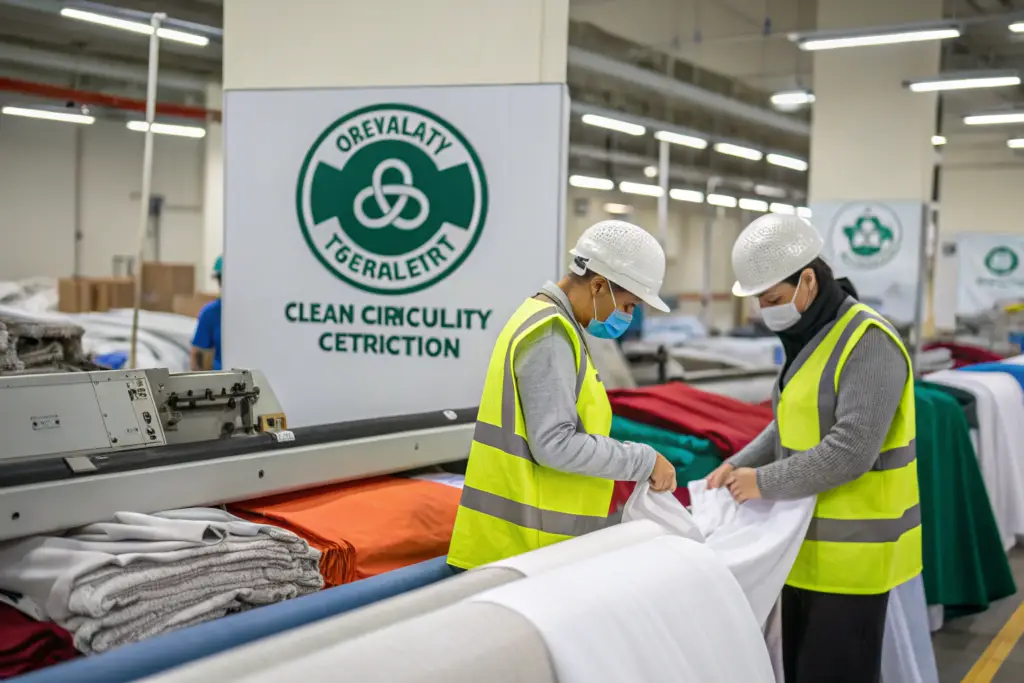
While OEKO-TEX® is not a circularity certificate per se, it is a vital enabler of clean circularity. It ensures that when technological and systemic breakthroughs in textile-to-textile recycling become mainstream, certified garments will be preferred feedstock because they are inherently cleaner and safer to process.
How Does This Relate to EPR (Extended Producer Responsibility)?
As EPR regulations for textiles gain momentum in the EU and elsewhere, brands will be financially responsible for the end-of-life management of their products. Brands using OEKO-TEX® certified manufacturing will face lower future liability. Their products will be classified as less hazardous waste, potentially reducing recycling fees or penalties. This makes the certification a strategic financial investment in regulatory future-proofing.
How Does This Holistic View Create Brand Value?
Understanding and communicating the full lifecycle impact of OEKO-TEX® allows brands to move beyond a "free from" claim to a powerful narrative of systemic responsibility.
This holistic view creates brand value by providing a science-backed, multi-faceted story of product integrity, strengthening consumer trust and loyalty, mitigating regulatory and reputational risks across the supply chain, and aligning the brand with the principles of a circular economy. It answers the conscious consumer's deeper question: "Is this product responsible from start to finish?"
How Can Brands Communicate This Lifecycle Story?
Effective communication is layered:
- To Consumers: Focus on the benefits: "Built to Last, Designed to be Safe." Explain that certification means safer for their skin, safer for the workers who made it, and safer for the planet when it's eventually retired. Use simple infographics on your website.
- To B2B Partners & Retailers: Frame it as risk management and value alignment. Provide data on how certified products have lower return rates due to quality issues. Highlight the compliance advantages for their ESG (Environmental, Social, and Governance) reporting.
- In Industry Dialogues: Position your brand as a leader in implementing practical, verified standards that drive real supply chain improvement. This builds authority and can influence industry norms.
At Shanghai Fumao, we equip our partners with the documentation and insights to tell this complete story. We provide not just the certificate, but data on the improved fastness tests and explanations of the supply chain controls, empowering them to communicate with authenticity.
Conclusion
The impact of OEKO-TEX® on ski apparel's lifecycle is profound and multifaceted. It is far more than a sticker on a hangtag; it is a governance system for the entire product journey. By enforcing clean chemistry from the outset, it reduces environmental degradation at the source, delivers a safer and more durable product to the user, and paves the way for a less toxic end-of-life. In an industry reliant on pristine natural environments, this commitment is not just ethical—it is essential.
For brands, embracing OEKO-TEX® is a strategic decision to build resilience, trust, and long-term value into every garment. It is an investment in a product that performs not just on the slopes, but across its entire existence, leaving a lighter, cleaner trace from cradle to grave.
If you are ready to manufacture ski apparel with a verified positive lifecycle impact, partner with a manufacturer who understands this holistic value. At Shanghai Fumao, we integrate OEKO-TEX® certification into a comprehensive approach to responsible production. Contact our Business Director Elaine to develop your next collection with integrity at every stage: elaine@fumaoclothing.com.