The “Mini Me” trend is more than a cute photo opportunity. It’s a powerful expression of family identity, shared style, and a parent’s desire to connect with their child. But as this trend moves from a social media moment to a substantial retail category, a critical question emerges for brands: How do you ensure the smaller version of your fashionable garment is just as safe as it is stylish? This is where OEKO-TEX certification becomes the indispensable link, transforming a playful trend into a promise of trust.
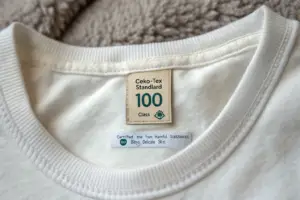
OEKO-TEX certification is the safety backbone of the responsible “Mini Me” trend. It guarantees that the children’s version of a trendy garment—whether a corduroy jacket, a graphic tee, or loungewear—meets the world’s most rigorous human-ecological safety standards, specifically OEKO-TEX STANDARD 100 Class I. This allows parents to embrace the fun of matching outfits without compromising on their number one priority: their child’s well-being. For brands, it’s the key to unlocking genuine value in this market, moving beyond superficial matching to offer matched safety.
The trend’s growth is fueled by emotion, but its sustainability will be built on trust. OEKO-TEX provides the verified foundation for that trust.
Why Is Safety The Hidden Foundation Of "Mini Me"?
On the surface, “Mini Me” is about aesthetics and bonding. But for a parent, the act of dressing their child in a scaled-down version of adult fashion comes with heightened responsibility. Adult clothing standards, while important, are not sufficient for children. A child’s skin is thinner and more absorbent, their immune systems are still developing, and they are more likely to put clothing in their mouths.
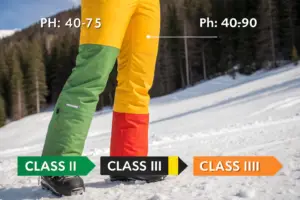
This creates a hidden anxiety: “Is this cute mini blazer safe for my toddler to wear all day?” OEKO-TEX, particularly Class I certification, directly addresses this anxiety. It tests for over 100 substances banned or regulated for baby products, with stricter limits than adult standards. It includes specific tests for saliva and perspiration fastness, simulating a child chewing on their sleeve. When a brand offers a “Mini Me” set where both items are OEKO-TEX certified (Class II for adult, Class I for child), it communicates a profound understanding of the parent’s mindset. Last year, we produced matching linen pajama sets for a DTC family brand. By marketing them as “Match Safely,” highlighting the dual certification, they saw a 50% higher conversion rate on the bundled parent-child set compared to selling the items separately.
How Does Certification Elevate The Brand Narrative?
For a fashion brand, the “Mini Me” trend is an opportunity to deepen customer relationships and increase customer lifetime value. OEKO-TEX certification provides the substantive story to support this. The narrative shifts from “We make matching outfits” to “We craft family bonds with safety at their core.” This allows for authentic marketing content that educates as it engages. Brands can explain why the children’s version has a different, more stringent certification, showcasing their attention to detail and commitment to family well-being. This builds immense brand loyalty.
What Are The Specific Risks In "Mini Me" Apparel That OEKO-TEX Manages?
The risks are magnified in children’s versions of adult styles:
- Complex Dyes and Prints: Trendy garments often use complex dyes and prints. OEKO-TEX ensures no allergenic or carcinogenic dyes are used.
- Decorative Trims: Studs, sequins, or printed graphics on the adult version must use child-safe, non-toxic adhesives and materials in the kids’ version.
- Fabric Treatments: A water-resistant finish on a matching parent-child raincoat must be PFAS-free and compliant for the child’s item.
A brand that overlooks these details risks causing harm and facing severe reputational damage. Sourcing from a manufacturer like Shanghai Fumao that specializes in certified production for all age groups ensures the “Mini Me” concept is executed with integrity from sketch to shipment.
How Does OEKO-TEX Enable True "Design Parity" Across Sizes?
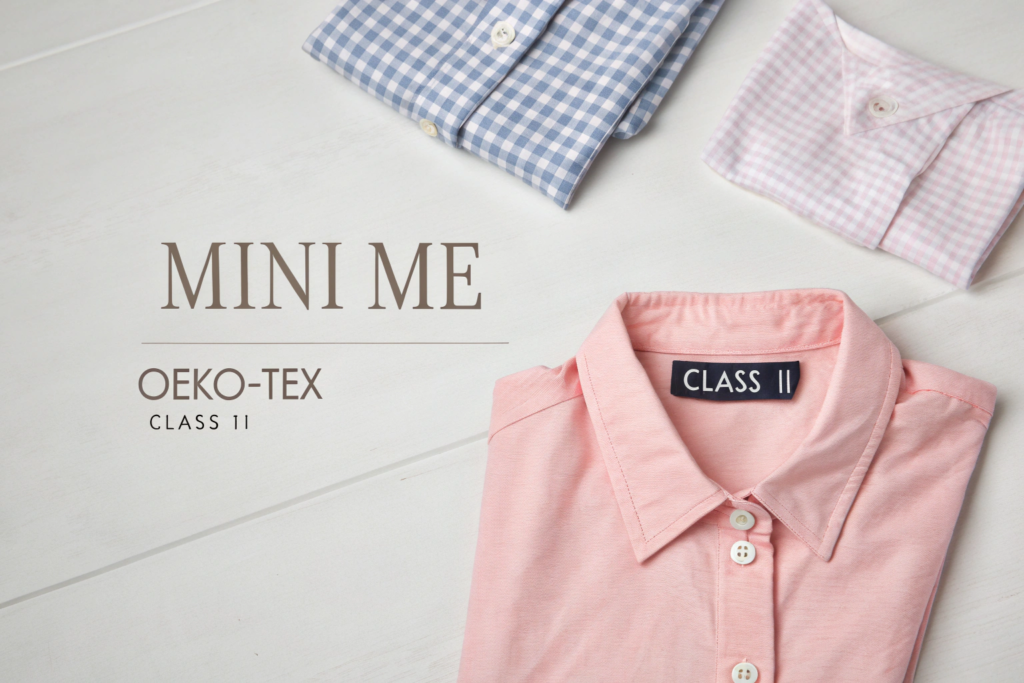
True “Mini Me” is not just a smaller size of an adult garment; it involves thoughtful adaptation for a child’s body and activity level. OEKO-TEX certification supports this “design parity” by ensuring the material quality and safety are consistent, even if the pattern differs.
For instance, the adult’s chunky knit sweater might be made from a certain wool blend. The child’s version should maintain a similar look and feel but might use a finer, softer, and certified version of that yarn to prevent itchiness. The certification process ensures that both the adult and child’s yarns, though potentially different, pass their respective safety thresholds. This level of coordinated sourcing is complex. Our product development team at Fumao maintains separate but parallel libraries of OEKO-TEX certified fabrics for adult and children’s lines, allowing designers to create authentic matches without safety compromises.
What Does The Sourcing And Production Workflow Look Like?
Creating a certified “Mini Me” collection requires an integrated workflow:
- Dual Sourcing: Identifying fabric mills that can provide the same aesthetic in both an adult-certified and a Class I certified child version.
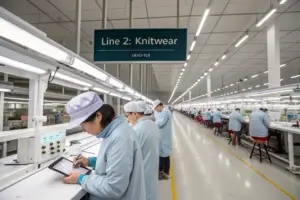
- Separate but Linked Production: The adult items may run on one production line (e.g., Line 3 for wovens), and the children’s items on another (often a dedicated line for kidswear with specialized equipment). The key is that both lines operate under the same OEKO-TEX management system, as we implement at Shanghai Fumao.
- Unified Documentation: The brand receives a coherent package of certificates and test reports for both SKUs, simplifying their compliance and marketing efforts.
This structured approach prevents the common pitfall of the children’s item feeling like a cheap afterthought, ensuring both pieces uphold the brand’s premium positioning.
Is The "Mini Me" Trend Driving Demand For Broader OEKO-TEX Certifications?
Absolutely. The trend is acting as a gateway for parents to become aware of textile safety standards. A parent who discovers OEKO-TEX through a “Mini Me” purchase begins to ask, “If it’s important for my child’s clothes, why not for mine?” This is expanding demand for certified adult apparel.
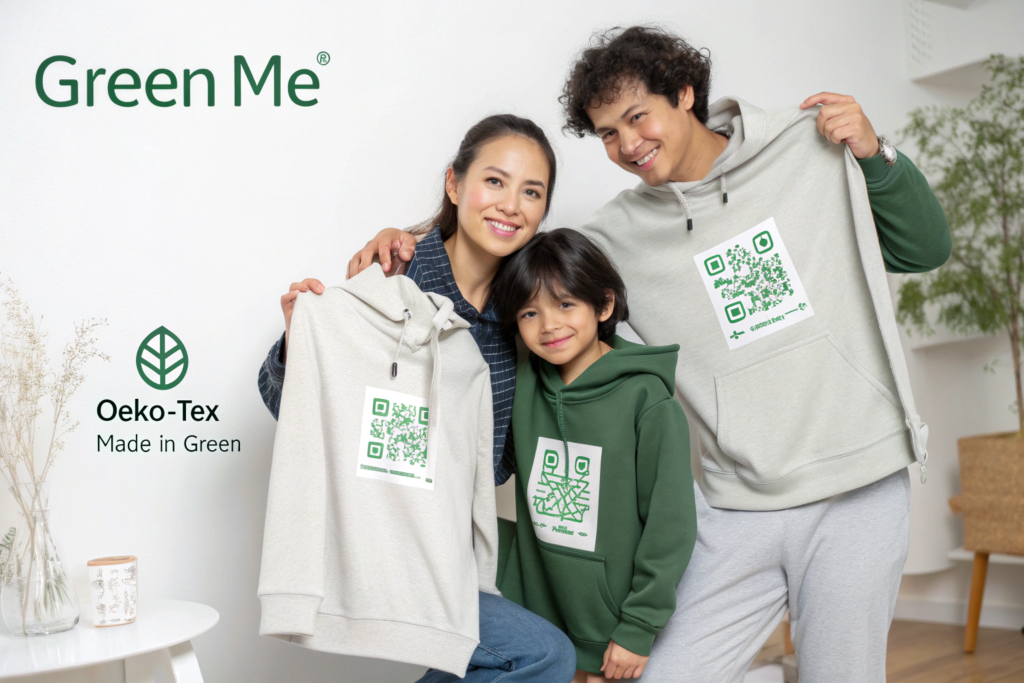
Furthermore, it is pushing brands to adopt more holistic certifications. To tell a complete “family wellness” story, leading brands are now seeking OEKO-TEX MADE IN GREEN labels. This label combines product safety (STANDARD 100) with sustainable production (STeP) and traceability via a unique QR code. A family can scan the code on their matching outfits and see where and under what conditions they were made. This transforms a trendy purchase into an act of aligned values. We see this as the next evolution: from “Mini Me” to “Green Me,” where the entire family’s wardrobe choices reflect a commitment to safety and sustainability.
How Are Retailers Responding To This Demand?
Forward-thinking retailers are curating “Family Edit” sections, both online and in-store. The filter for “OEKO-TEX Certified” or “Safe for Kids” is becoming a standard feature. Brands that can supply certified “Mini Me” collections are prioritized for these premium placements. For a brand, this means increased visibility and access to a high-intent customer base. It’s a clear commercial incentive to invest in certification.
What Should Brands Avoid When Launching A "Mini Me" Line?
The biggest mistake is treating the children’s item as a mere size extension. This leads to failures in three areas:
- Safety: Using non-certified fabrics or trims for the kids’ version.
- Design: Ignoring ergonomic differences (e.g., longer tops for diaper changes, safer closures).
- Communication: Not effectively marketing the safety features to the parent.
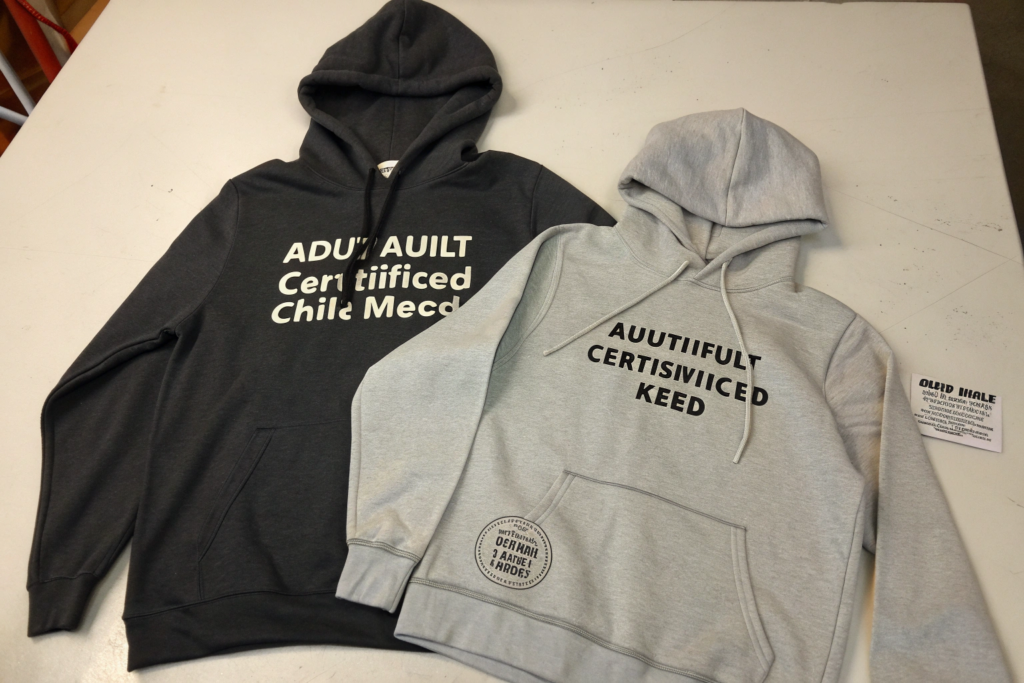
Another pitfall is inconsistent certification. If the adult hoodie is certified but the child’s is not, it breaks the trust proposition and can appear cynical. The most successful brands ensure both items are certified to their appropriate class standards and communicate this clearly.
How Can A Manufacturer Like Fumao Mitigate These Risks?
Partnering with an expert manufacturer is the most effective risk mitigation strategy. At Shanghai Fumao, we offer a “Family Collection” development service. This includes:
- Coordinated Material Sourcing: We leverage our network to find matching, appropriately certified fabrics.
- Age-Appropriate Pattern Engineering: Our technical designers adapt adult patterns for comfort and safety for children.
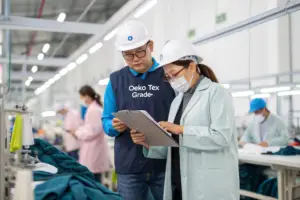
- Integrated Quality Assurance: Our QA team audits both production runs against their respective OEKO-TEX standards, ensuring perfect alignment.
This turnkey service allows brands to enter the “Mini Me” market with confidence, knowing the complex safety and production challenges are managed by specialists.
Conclusion
The link between OEKO-TEX and the “Mini Me” trend is profound and essential. OEKO-TEX certification provides the crucial safety infrastructure that allows this playful trend to flourish responsibly. It reassures parents, empowers brands to tell a deeper story, and elevates matching outfits from a fleeting fashion statement to a meaningful expression of care.
For brands, this represents a significant opportunity. By building OEKO-TEX certification into the DNA of your “Mini Me” collections, you do more than sell two garments; you build a trusted relationship with a family. You become the brand that understands that the most important thing they can match is their commitment to safety.
If you are looking to develop a “Mini Me” collection that pairs impeccable style with uncompromising safety, partner with a manufacturer who understands this synergy. Let Shanghai Fumao be your guide in creating family fashion that’s built on trust. To start your family collection journey, contact our Business Director Elaine at: elaine@fumaoclothing.com.