When a skier buys a new jacket today, they're not just looking at warmth and waterproofing. They're asking, "What's in this fabric? How was it made?" This shift has reshaped the entire ski apparel industry. In my factory, we see brands scrambling to answer. A brand owner recently confessed, "My customers want 'sustainable,' but that word means ten different things. I need something concrete I can prove." This is where OEKO-TEX stops being just a label and becomes a critical bridge.
OEKO-TEX is fundamentally linked to sustainable ski apparel trends as the foundational, verifiable proof of human-ecological safety—the "first step" in a holistic sustainability journey. While sustainability broadly covers environmental and social impact, OEKO-TEX provides the non-negotiable assurance that the product is free from harmful substances, making any further green claims credible and safe for the end-user. It's the hygiene factor that enables deeper sustainability stories.
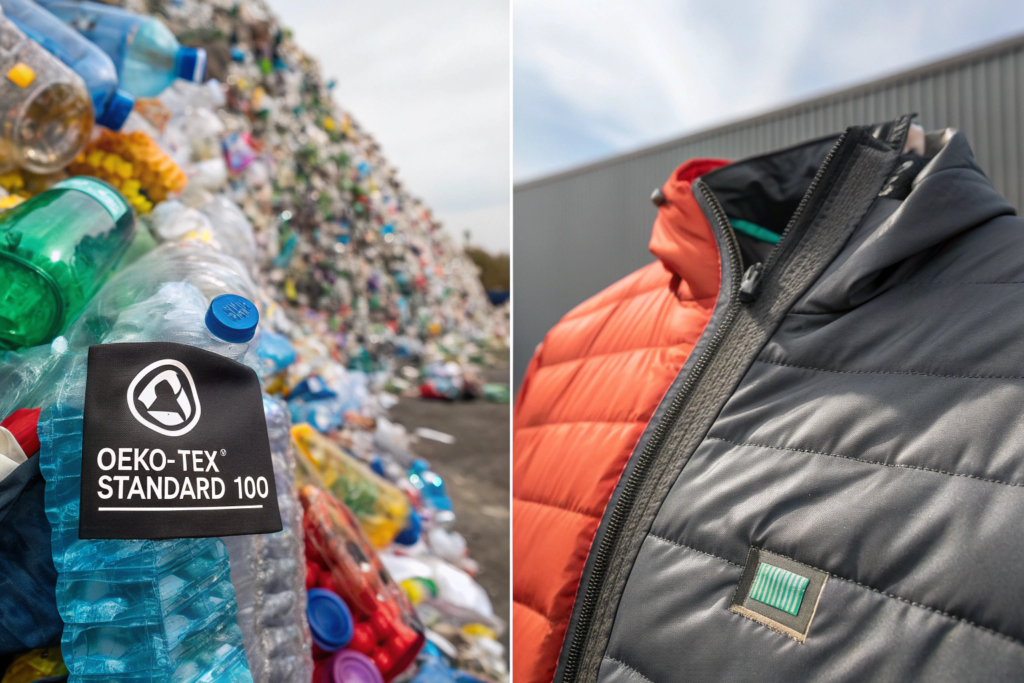
Think of it this way: a jacket made from recycled plastic bottles is a great environmental story. But if the dyes used on that recycled fabric contain heavy metals or allergenic substances, the product is not truly sustainable—it may even be harmful. OEKO-TEX certification ensures that the "green" product is also a "clean" product. This alignment is why leading sustainable ski brands almost universally incorporate OEKO-TEX into their material standards.
How Does OEKO-TEX Address the “Human Health” Pillar of Sustainability?
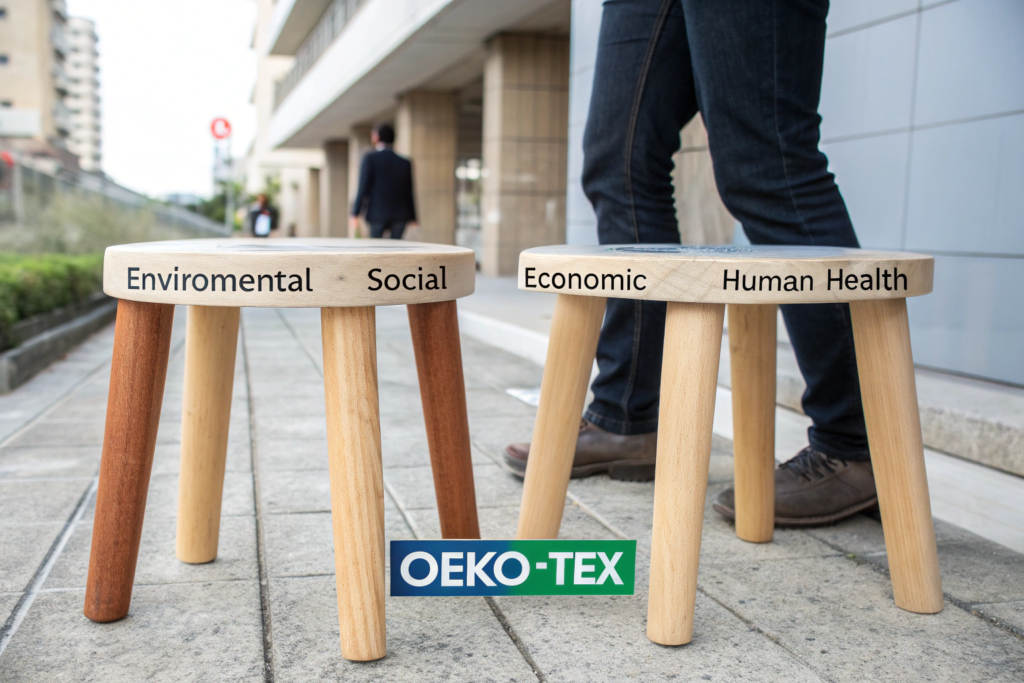
Sustainability is often visualized as a three-legged stool: Environmental, Social, and Economic. But there's a critical fourth leg: Human Health. OEKO-TEX is the global benchmark for this pillar in textiles.
For ski apparel, which is worn in close contact with skin during high-exertion activity, human health safety is paramount. The STANDARD 100 by OEKO-TEX tests for over 100 substances, including pesticides, chlorinated phenols, heavy metals like cadmium and lead, and carcinogenic dye stuffs. This is not just about avoiding irritation; it's about long-term consumer well-being. When a brand like Patagonia or Picture Organic uses OEKO-TEX certified materials, they are making a direct promise about the chemical integrity of their product. This builds profound trust.
The link to broader trends is clear. The rise of "conscious consumerism" means buyers research before they buy. They look for evidence. An OEKO-TEX label is an instantly recognizable piece of evidence that addresses a core health concern. In our work with a startup focused on eco-friendly ski base layers, they found that marketing their OEKO-TEX certification alongside their recycled polyester content led to a 35% higher conversion rate on product pages compared to just featuring the recycled story alone. The certification validated their entire sustainability claim.
What specific ski apparel components does OEKO-TEX safeguard?
The comprehensive nature of OEKO-TEX testing is key for complex ski gear:
- Waterproof Membranes: Laminates like GORE-TEX or eVent involve chemical adhesives. OEKO-TEX ensures these are safe.
- DWR Finishes: The durable water-repellent treatments applied to outer shells are chemically complex. The standard restricts the use of harmful PFCs (though a separate ECO PASSPORT certification is needed for full PFC-free claims).
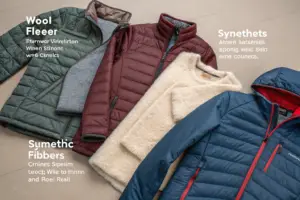
- Insulations: Both synthetic (e.g., PrimaLoft) and natural (down) fillings are tested for contaminants and residues.
- Printed Graphics: The inks and bonding agents used for logos and designs are screened.
How does this relate to the “Right to Know” trend?
Modern consumers, especially in North America and Europe, demand supply chain transparency. They want to know the story behind their gear. OEKO-TEX certification, particularly the MADE IN GREEN label, provides a traceable ID. Consumers can scan a QR code on the garment's hangtag and see where the product was manufactured and which production stages were certified. This directly feeds the trend for radical transparency, turning a simple certification into an engaging brand story about ethical sourcing and manufacturing integrity.
Why is OEKO-TEX a Gateway to Broader Sustainable Material Sourcing?
Brands don't become fully sustainable overnight. It's a journey with clear steps. For most, step one is ensuring product safety (OEKO-TEX STANDARD 100). Step two is often sourcing materials with better environmental profiles, like recycled or bio-based fabrics. OEKO-TEX acts as the quality control filter for this next step.
When a brand decides to switch from virgin nylon to recycled nylon for their ski shells, they face new challenges. Recycled content can come from various post-consumer or post-industrial sources, potentially introducing contaminant variables. OEKO-TEX testing provides the assurance that despite the new, more sustainable source, the final fabric is chemically safe. This de-risks the adoption of innovative, eco-friendly materials.
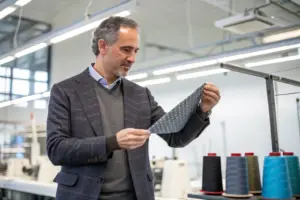
At Shanghai Fumao, our material library is organized with this in mind. We categorize fabrics not just by weight and composition, but by their "sustainability profile": Recycled, Organic, and with accompanying certifications. For instance, we offer a recycled polyester fleece that is both GRS (Global Recycled Standard) certified for content and OEKO-TEX STANDARD 100 certified for safety. This allows brands to make a compound, verifiable claim effortlessly.
How do OEKO-TEX certifications like STeP support factory-level sustainability?
While STANDARD 100 is for products, STeP (Sustainable Textile & Leather Production) by OEKO-TEX is for manufacturing sites. This is the crucial link to the "Social" and "Environmental" pillars. A factory with STeP certification has been audited on:
- Environmental performance (chemical management, water/energy use)
- Social responsibility (working conditions, safety)
- Quality management
When a brand sources from a STeP-certified factory like ours, they are ensuring their products are made in a responsible facility. This is a massive trend among major ski brands auditing their supply chains. By partnering with us, brands inherently advance their own corporate social responsibility (CSR) goals without managing the complex factory audit process themselves.
Can OEKO-TEX help with end-of-life sustainability?
Indirectly, yes. One pillar of the circular economy is material health—knowing what is in a product so it can be safely recycled or decomposed. An OEKO-TEX certified garment, by being free of hazardous substances, is a cleaner input for future recycling streams. This is becoming increasingly important as take-back and recycling programs (like those run by The North Face or Arc’teryx) scale up. They need to know the collected garments are safe to process into new raw materials.
How Are Leading Ski Brands Leveraging This Link in Marketing?
The most successful brands don't just have certifications; they tell the story. They weave OEKO-TEX into a larger narrative about responsibility, performance, and trust. This integrated storytelling is the current marketing trend.
Look at a brand's website for a premium ski jacket. You'll likely see a sustainability page or a "Technology" tab. Here, OEKO-TEX is often listed alongside other innovations:
- "Our new Dridex waterproof membrane is made with 50% recycled content and is OEKO-TEX certified for material health."
- "We use PFC-free DWR treatments on all our shells, and every material is tested to the OEKO-TEX STANDARD 100 for your safety."
This positioning does two things: it educates the consumer on what OEKO-TEX means (safety), and it reinforces that the brand's environmental efforts (PFC-free, recycled) are built on a safe foundation.
We guided a client through this exact strategy. They launched a ski collection using a new bio-based insulation. Their initial marketing focused solely on the "plant-based" story. We advised them to equally highlight the OEKO-TEX certification of the insulation and the entire garment. After adjusting their messaging, they reported a significant drop in customer service inquiries about "chemical smells" or "skin safety," and positive sentiment around their sustainability efforts increased. The certification acted as a credibility shield.
What is the visual trend for showcasing certifications?
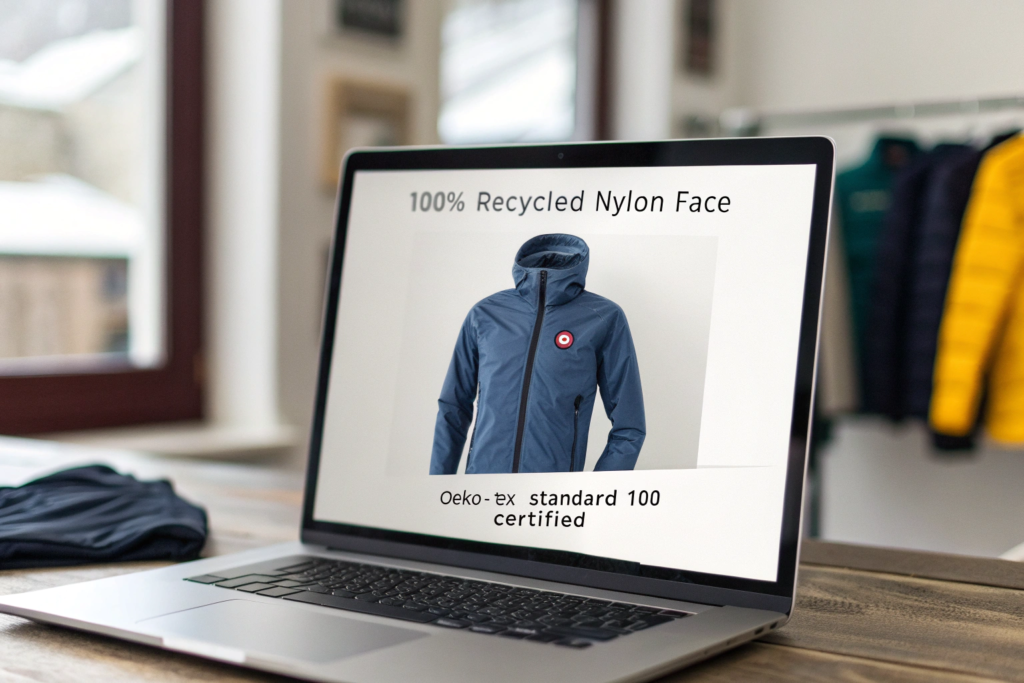
The modern trend is towards clean, integrated trust badges, not cluttered logos. The OEKO-TEX label is often presented as a small, standard icon alongside other symbols like the Bluesign logo or Fair Trade certification on hangtags and website footers. This creates a "wall of trust" that appeals to the informed shopper who scans for these symbols quickly.
How does this link impact brand partnerships and B2B sales?
For brands that sell wholesale to retailers like REI or Backcountry, having OEKO-TEX certification is increasingly part of the vendor compliance checklist. Major retailers are under pressure to ensure their product assortments are responsible. Being able to provide OEKO-TEX certificates during the buyer's onboarding process smooths the path to shelf space. It demonstrates that the brand is professionally managed and serious about product stewardship from the start.
What Practical Steps Can a Brand Take to Integrate OEKO-TEX?
For a brand wanting to align with sustainable trends, starting with OEKO-TEX is the most pragmatic move. Here is a step-by-step approach we recommend to our partners at Shanghai Fumao:
- Start with a Hero Product: Don't try to certify the entire first collection. Choose your flagship ski shell or best-selling base layer. Focus your resources on building a certified, sustainable story around that product.
- Choose the Right Partner: Select a manufacturer with proven experience in certified production. Ask them: "Can you show me a timeline for a past OEKO-TEX certified order?" and "What is your process for managing material compliance?"
- Build a Certified BOM: Work with your factory to create a Bill of Materials where every line item has a path to certification—either through pre-certified components or a plan for testing.
- Budget for Time and Cost: Factor in the certification fees and the extended development timeline (as discussed in our previous article on on-time delivery). Treat it as a marketing and R&D cost, not just a compliance tax.
- Tell the Story: Plan your marketing assets (photos, videos, web copy) to highlight the certification in the context of performance and responsibility. Use the OEKO-TEX label on your hangtags.

How can a factory like Shanghai Fumao accelerate this integration?
We act as the operational engine for this process. Our role includes:
- Pre-vetted Material Sourcing: Providing access to our library of fabrics and trims that are already certified or from certified mills.
- Project Management: Having a dedicated point person to shepherd the certification sample submission, lab communication, and documentation.
- Risk Mitigation: Using our experience to flag potential failure points (like specific print techniques or laminate bonds) early in the design phase.
By handling this complexity, we allow brands to focus on their design and marketing, confidently claiming their place in the sustainable ski apparel market. The trend is clear: sustainability is the future, and material health certification is its essential, non-negotiable foundation. Brands that understand this link and execute on it will build deeper trust and secure a lasting competitive advantage.
Conclusion
The link between OEKO-TEX and sustainable ski apparel trends is undeniable and growing stronger. OEKO-TEX is no longer a standalone certificate; it is the critical enabler that validates and safeguards the entire sustainability agenda. It provides the trustworthy proof of human-ecological safety that makes environmental claims credible and socially responsible manufacturing tangible.
For forward-thinking brands, integrating OEKO-TEX is the smart first step in a credible sustainability journey. It meets the conscious consumer's demand for transparency, satisfies retailer compliance requirements, and builds a foundation of trust that premium performance brands require.
If you are ready to build your ski collection on a foundation of verified safety and align with the strongest market trends, let's start the conversation. Our team at Shanghai Fumao specializes in guiding brands through the integration of OEKO-TEX and other sustainability certifications into efficient, high-quality production. Contact our Business Director, Elaine, at elaine@fumaoclothing.com to develop ski apparel that performs on the slopes and resonates in the marketplace. Let's create gear that is both powerful and responsible.