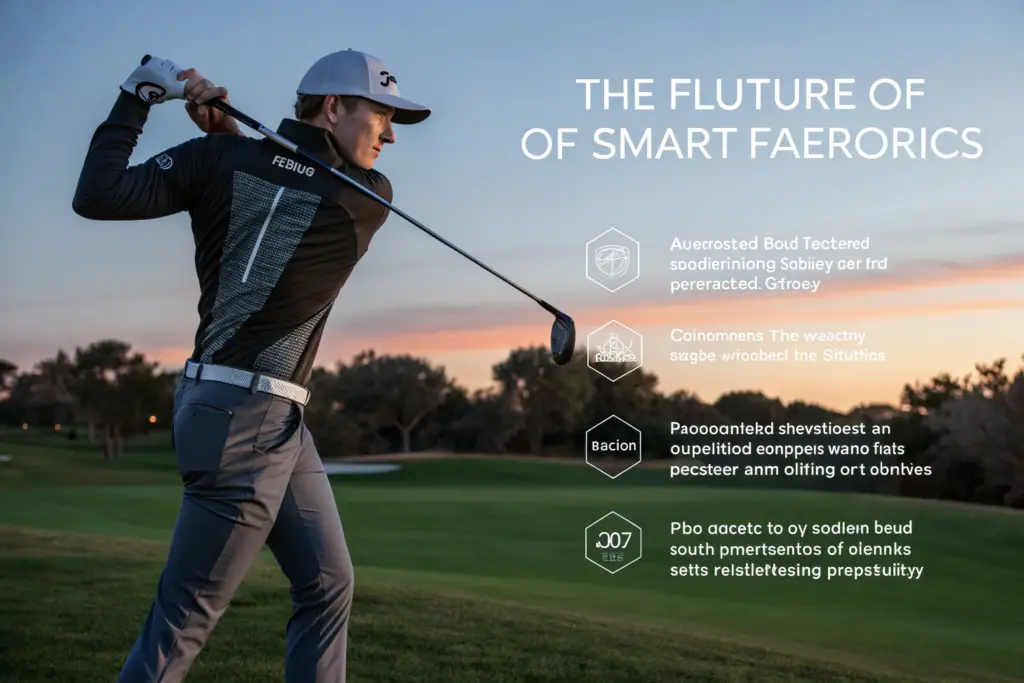
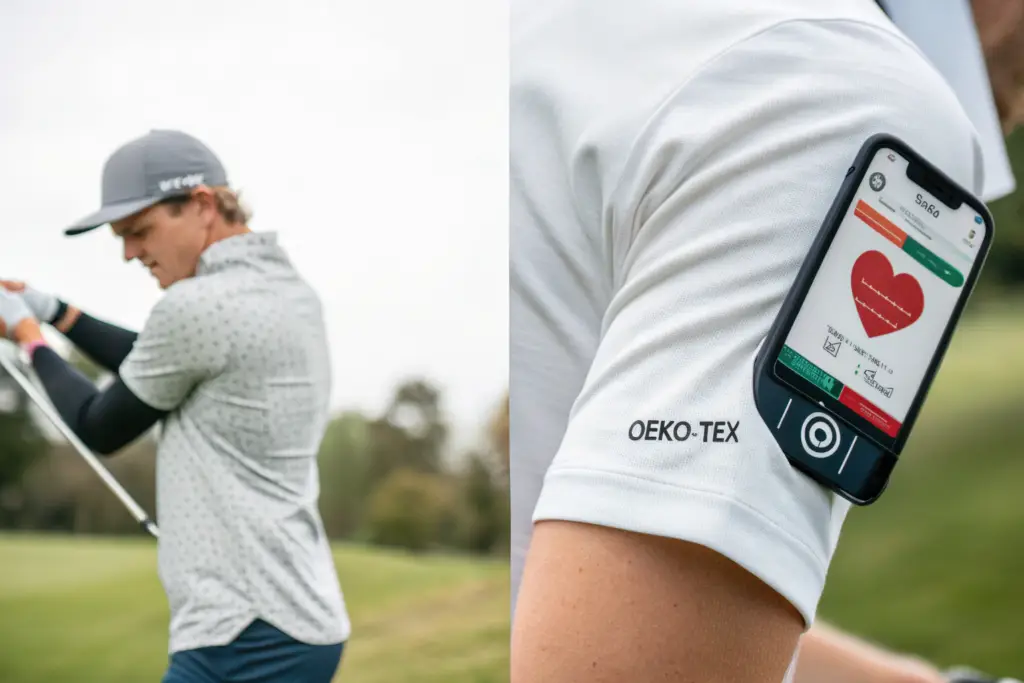
Imagine a golf polo that monitors your muscle fatigue, a jacket that actively regulates temperature based on the weather, and pants that track your swing posture—all made from fabrics verified safe for your skin. This isn't science fiction; it's the imminent next chapter in performance wear. Last year, a tech startup approached us with a prototype of a conductive silver-thread shirt. Their first question wasn't about manufacturing cost; it was: "Can this be OEKO-TEX certified?" They understood that for smart fabrics to be truly adopted, they must first be trusted. This intersection defines the future.
The future of smart fabrics in OEKO-TEX certified golf apparel is one of convergence, where advanced functionality will be seamlessly integrated with guaranteed material safety. This fusion will create a new category of "Responsible Intelligence" in sportswear—garments that enhance performance and well-being without compromising on human-ecological safety. The evolution will be driven by innovations in bio-based smart materials, advanced testing protocols, and consumer demand for holistic wellness solutions that are both high-tech and healthy.
This future is being built today in labs and factories. Let's explore the key drivers and what they mean for brands and golfers.
How Are Next-Gen Smart Materials Aligning with Safety Standards?
Leading paragraph: The first generation of smart fabrics often relied on metallic coatings, conductive inks, or polymer-based electronics that raised questions about skin compatibility, durability, and environmental impact. The next generation is being designed with safety and sustainability as core parameters from the molecular level up, making OEKO-TEX certification not just an add-on, but a design goal.
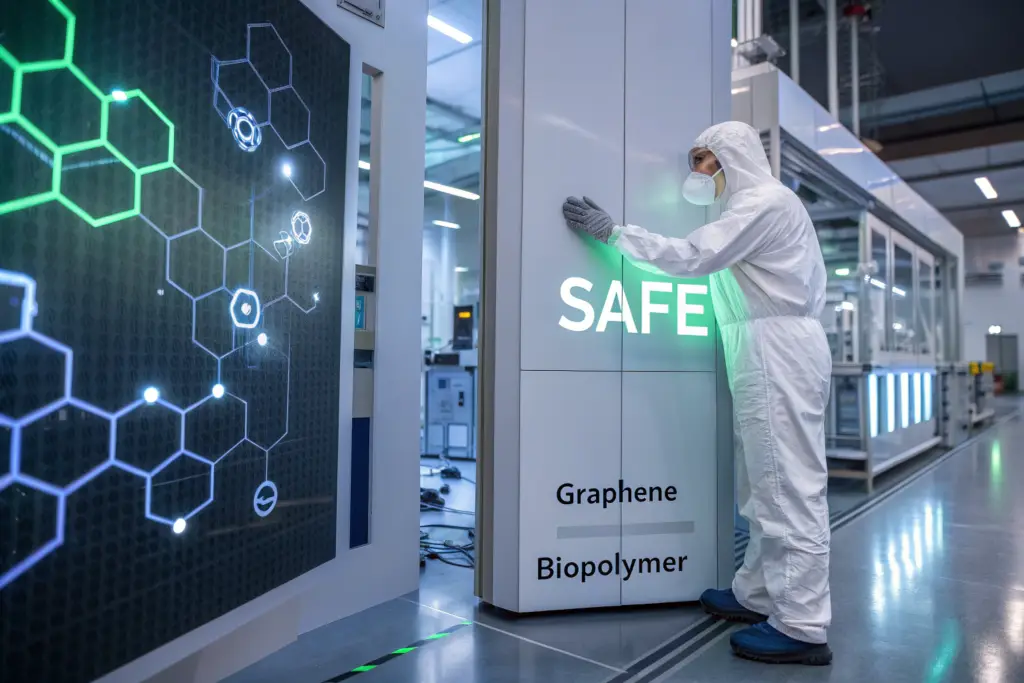
Featured paragraph: Next-generation smart materials are aligning with safety standards through the development of bio-based conductive fibers, plant-derived phase-change materials (PCMs), and embedded sensors using non-toxic, traceable elements. For example, research is advancing on conductive yarns made from graphene oxide or carbon nanotubes that are integrated at the fiber level, rather than applied as a surface coating that can wear off. These materials are being engineered to pass rigorous chemical safety tests from the outset. At Shanghai Fumao, our R&D partnerships focus on sourcing these innovative, pre-verified materials, allowing us to prototype golf apparel where smart functionality is built on a foundation of certified safety, rather than bolted onto it.
What Specific Smart Functions Are Most Relevant for Golf?
Golf's unique demands—long duration, variable weather, precision movement—make certain functions highly relevant:
- Biometric Sensing: Heart rate, muscle tension, and hydration levels via integrated sensors.
- Thermoregulation: Fabrics with PCMs that absorb, store, and release heat to maintain optimal comfort.
- Posture & Swing Analytics: Stretch sensors woven into key panels to provide feedback on rotation and alignment.
- UV Management: Smart dyes that adjust their protective factor based on sunlight intensity.
The key is integration that feels seamless. A major sportswear brand's early attempt at a "smart golf shirt" failed because the sensor pad was bulky and irritated the skin during the swing. Future iterations will feel like a second skin, with safety assured.
How Will OEKO-TEX Testing Protocols Evolve for Smart Textiles?
OEKO-TEX is already preparing. Their STeP certification (for sustainable production) and MADE IN GREEN label are frameworks that can encompass smart textile manufacturing. We anticipate the development of new test criteria specifically for electronic textiles (e-textiles), assessing the safety of conductive elements, biocompatibility of embedded sensors, and the environmental impact of battery units or energy harvesters. Brands that engage early with certifiers and manufacturers to shape these standards will gain a significant first-mover advantage.
What Are the Integration and Durability Challenges?
Leading paragraph: Embedding electronics into fabric that must be stretched, sweat in, washed, and dried dozens of times is an engineering nightmare. The classic trade-off has been between functionality and durability. The future lies in solving this through material science and innovative construction, all while maintaining a clean chemical profile.
Featured paragraph: The primary challenges are washability, connectivity, and power supply. Washing can degrade connections and sensors. Wires or conductive threads can break after repeated stretching. Miniature batteries or energy-harvesting systems must be safe, lightweight, and durable. The solution pathway involves fibers with intrinsic conductive properties (eliminating separate wires), encapsulation technologies that protect microelectronics during washing, and kinetic or solar power harvesting integrated into the garment's design. Overcoming these challenges is what separates a lab prototype from a commercially viable, certified golf apparel product that can last an entire season.
How Does "Washability" Become a Certification Parameter?
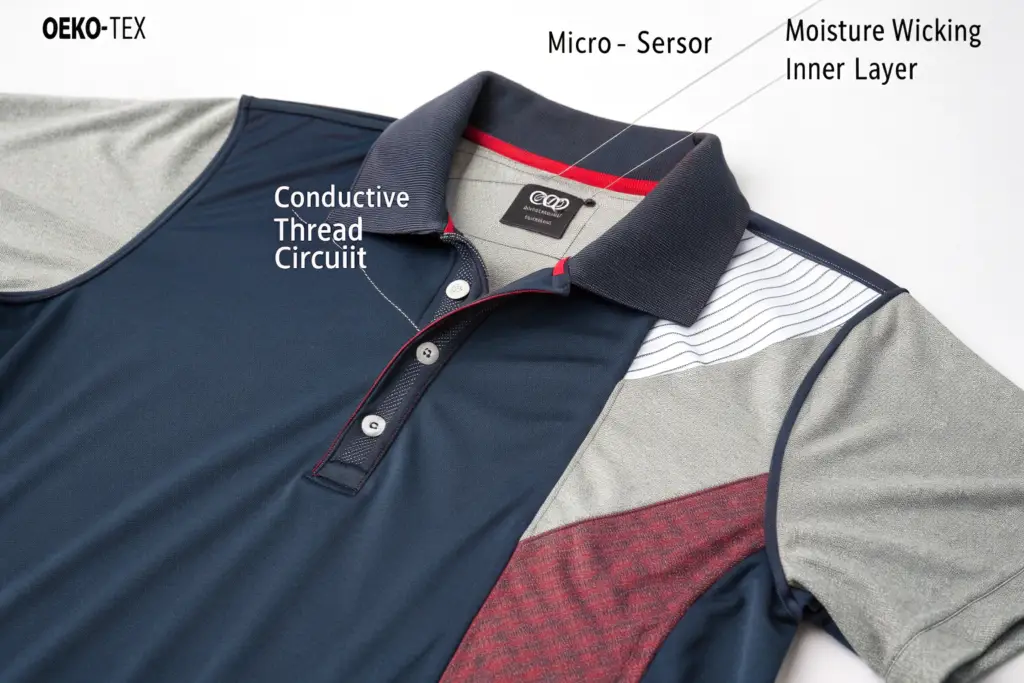
For smart apparel to be practical, it must be washable. Future certification may include durability testing for smart functions. This could involve simulating 50+ home laundry cycles and then verifying that: 1) The garment still passes chemical safety tests (no leaching from damaged components), and 2) The smart functionality (e.g., conductivity, sensor accuracy) remains within a specified tolerance. This would give consumers a "Certified Safe & Durable" guarantee for the entire product lifecycle. We are already working with component suppliers to pre-test this durability to meet our clients' quality expectations.
Can Smart Features Be Integrated in a Full-Package Manufacturing Model?
Yes, but it requires a highly coordinated supply chain. The traditional apparel supply chain (fabric mill > garment factory) must evolve to include smart component suppliers and electronics integrators. As a full-package manufacturer, our role at Shanghai Fumao is to become the system integrator—sourcing certified base fabrics, managing the incorporation of pre-approved smart modules from specialized partners, and ensuring the final assembled product meets all performance and safety standards before shipment. This vertical coordination is essential for quality control and scalability.
How Will This Fusion Drive Consumer Adoption and Brand Value?
Leading paragraph: Consumers won't adopt smart golf apparel just because it's technologically possible. They will adopt it because it solves a real problem in a trustworthy way. The combination of smart functionality with the trusted safety of OEKO-TEX certification creates a powerful, holistic value proposition that can command premium pricing and fierce loyalty.
Featured paragraph: This fusion will drive adoption by addressing the "Why should I trust this on my body?" question before the "What can it do for me?" question. OEKO-TEX certification provides the foundational trust. The smart features then deliver tangible performance benefits: improved game through analytics, enhanced comfort through climate adaptation, and health monitoring. For a brand, this creates a powerful narrative of "Caring Innovation"—technology that serves the golfer's well-being, not just their performance metrics. It allows brands to move beyond commoditized "moisture-wicking" claims to own a new space at the intersection of health, data, and sustainability.
What Will the Pricing and Market Segmentation Look Like?
We will see a clear segmentation:
- Premium Performance Tier: High-integration smart apparel with full biometrics and analytics. High price point, OEKO-TEX + specialized e-textile certification.
- Enhanced Comfort Tier: Apparel with single smart functions like thermoregulation or UV management. Mid-price point, standard OEKO-TEX certification.
- Basic Safety Tier: Traditional performance wear with OEKO-TEX certification only.
This allows brands to cater to different consumer needs and price sensitivities while maintaining a core commitment to safety across all tiers.
How Can Brands Start Preparing Their Line for This Future?
Brands should start with a phased innovation roadmap:
- Phase 1 (Now): Solidify all core products with OEKO-TEX certification. Build consumer trust and internal expertise.
- Phase 2 (Near Future): Introduce a single, simple smart feature (e.g., a thermoregulating fabric) in a best-selling style, ensuring it is certified.
- Phase 3 (Future): Develop a dedicated "Connected Collection" with full sensor integration, partnering with a manufacturer that has proven smart textile and certification capabilities.
This approach de-risks investment and builds market understanding step-by-step.
What Are the Ethical and Data Privacy Considerations?
Leading paragraph: A shirt that collects your biometric data is a wearable computer. This raises critical questions: Who owns this data? How is it protected? Is the golfer constantly being monitored? The ethical use of technology will become as important as its chemical safety in building consumer trust.
Featured paragraph: Ethical and data privacy considerations will be paramount. Brands must adopt "Privacy by Design" principles: data should be anonymized, encrypted, and stored securely. Clear, transparent user agreements are essential. Furthermore, the physical ethics of smart apparel—ensuring it does not cause electromagnetic overexposure or skin irritation—will need to be addressed, potentially becoming part of expanded certification criteria. A brand's commitment to ethical data handling and user safety will be a major differentiator, turning privacy into a feature, not a footnote.

How Can Certification Bodies Help Build Trust Here?
Certification bodies could develop new labels or modules, such as "OEKO-TEX DATA CHECKED", which would audit a brand's data collection, storage, and usage policies against a set of privacy and security standards. This would provide a holistic trust mark for the physical and digital safety of the product. This is a logical extension of their mission to provide "confidence in textiles."
What is the Manufacturer's Role in This Ecosystem?
As a manufacturer, our role extends beyond sewing. It involves:
- Component Vetting: Ensuring sourced smart modules come from suppliers with high ethical and data security standards.
- Secure Assembly: Implementing production line protocols that prevent tampering or data interception at the hardware level.
- Consumer Education: Providing brands with clear information to help them communicate their ethical commitments to end-users.
We see this as part of our duty in a full-package, responsible manufacturing partnership.
Conclusion
The future of smart fabrics in OEKO-TEX certified golf apparel is not a distant speculation; it is an active construction project. It will be built by aligning cutting-edge material science with rigorous safety standards, solving profound engineering challenges, and navigating new ethical landscapes with transparency. The result will be apparel that doesn't just make you play better, but cares for you better—intelligently and safely.
For forward-thinking brands, the time to engage is now. The foundational step is embedding OEKO-TEX certification into your DNA. The next step is partnering with a manufacturer who understands both the potential and the pitfalls of this convergence.
At Shanghai Fumao, we are investing in the partnerships and knowledge to be at the forefront of this responsible smart apparel revolution. If your vision includes leading the next generation of golf wear, let's build it on a foundation of proven safety and innovative possibility. Contact our Business Director Elaine to start the conversation about your future collection: elaine@fumaoclothing.com. The smart future is safe, or it is not the future at all.