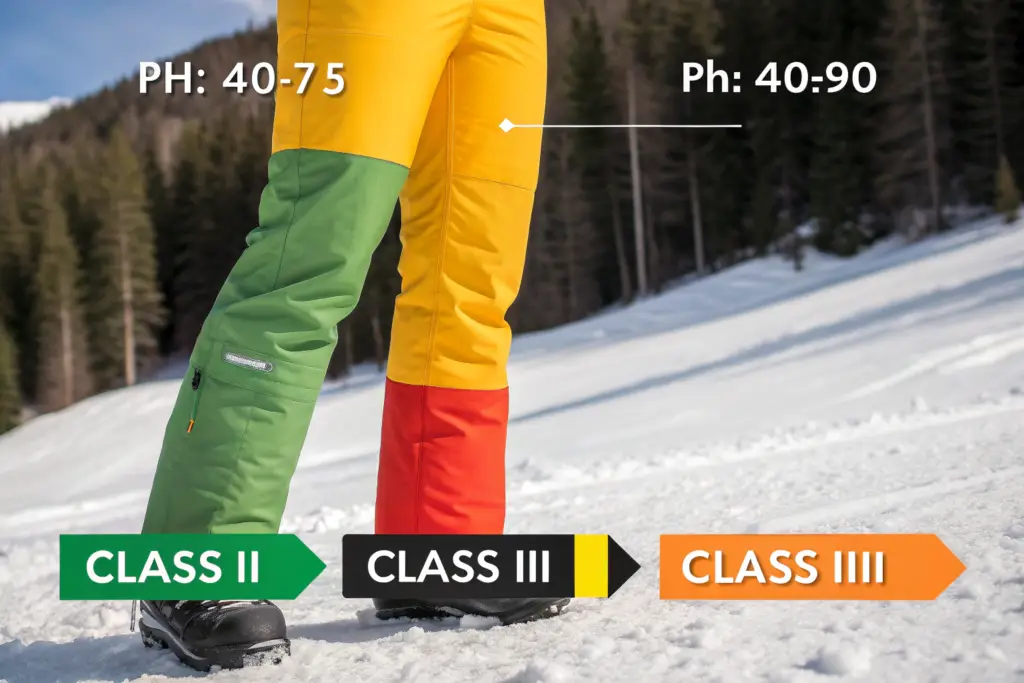
As a manufacturer specializing in high-performance ski wear, I navigate these grade distinctions daily with brand technical teams. The choice isn't academic—it defines the safety benchmark of the garment and impacts everything from sourcing to marketing. For ski pants, which endure intense friction, moisture, and prolonged skin contact, understanding this hierarchy is critical for making an informed specification.
The fundamental difference between OEKO-TEX Grade 1 (Article Class I) and other grades for ski pants is that Grade 1 applies the strictest, infant-safety level limits to all substances and includes unique tests like saliva and perspiration fastness, while lower grades (Class II for regular apparel, Class III for furnishing materials) have progressively more lenient limits and fewer mandatory tests, making Grade 1 the only choice for guaranteed, next-to-skin safety under extreme athletic conditions. It's a different league of protection.
Let's dissect the specific, practical implications of each grade for the complex construction of ski pants, from the outer shell to the inner lining.
How Do Chemical Limit Values Differ Between Grades?
The core of the distinction lies in the numbers. OEKO-TEX sets specific, quantified limits for over 100 harmful substances, and these limits become dramatically stricter as you move to Grade 1.
Chemical limit values for Grade 1 are set near the detection limit for many substances—essentially requiring "not detectable" levels—while Grades II and III allow for measurable, sometimes significantly higher, concentrations of the same chemicals, reflecting a higher assumed tolerance in adults versus infants. The tolerance gap is substantial.
What Are Some Concrete Examples of Limit Differences?
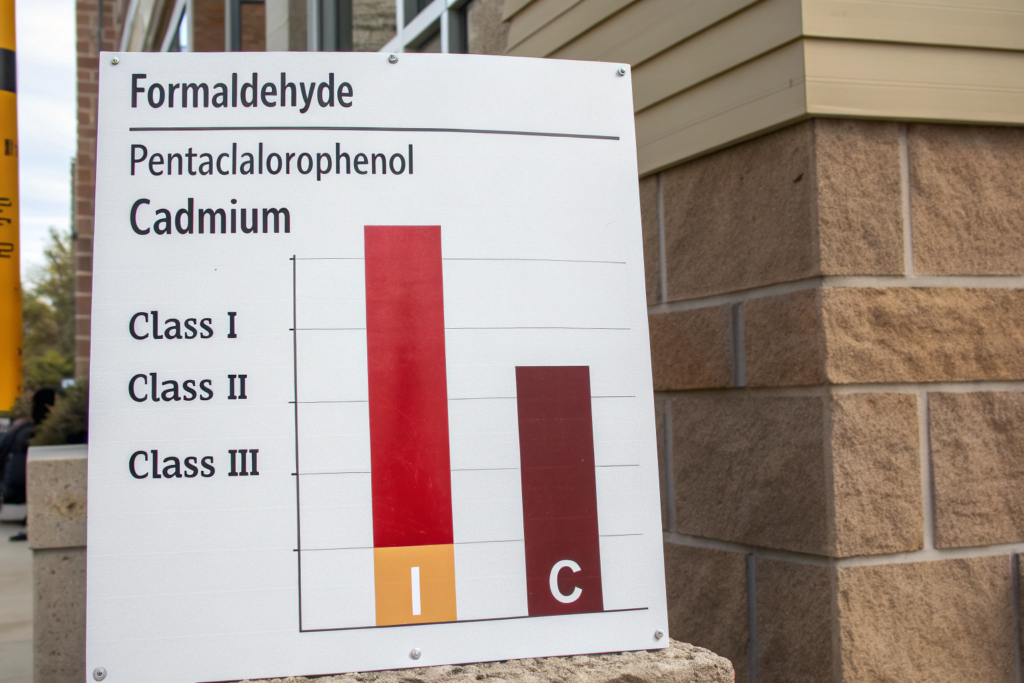
Take Formaldehyde, a common irritant from anti-wrinkle finishes. For direct skin contact:
- Class I (Grade 1): ≤ 16 mg/kg (very strict, near detection).
- Class II (Standard Adult Wear): ≤ 75 mg/kg.
- Class III (Furnishing): ≤ 300 mg/kg.
A ski pant with a Class II-rated inner lining could legally contain over 4 times the formaldehyde of a Class I-rated lining. For an athlete sweating in tight-fitting pants for hours, this difference could be the cause of skin irritation versus comfort.
Similarly, for Heavy Metals like Cadmium in prints or dyes, Class I limits are often half or less of those for Class II. This is crucial for ski pants with printed logos or colored elastic waistbands.
Why Do These Limits Matter for Multi-Layer Ski Pants?
Ski pants are a sandwich: an outer shell with DWR, a waterproof membrane, insulation, and an inner lining. A factory might source a Class II shell fabric and a Class I lining, thinking the lining is what touches the skin. However, chemicals can migrate between layers, and the lamination process uses adhesives that must also comply. Specifying the final garment as Grade 1 forces the factory to certify every single component and process to the infant standard, eliminating this risk of "mixed-grade" contamination. At Shanghai Fumao, our Grade 1 orders mandate that every input, from the main fabric to the seam tape adhesive, meets Class I limits.
What Unique Performance Tests Does Grade 1 Include?
Beyond lower limits, Grade 1 mandates specific performance tests that other classes do not, which are incredibly relevant for the harsh, wet, and abrasive environment of skiing.
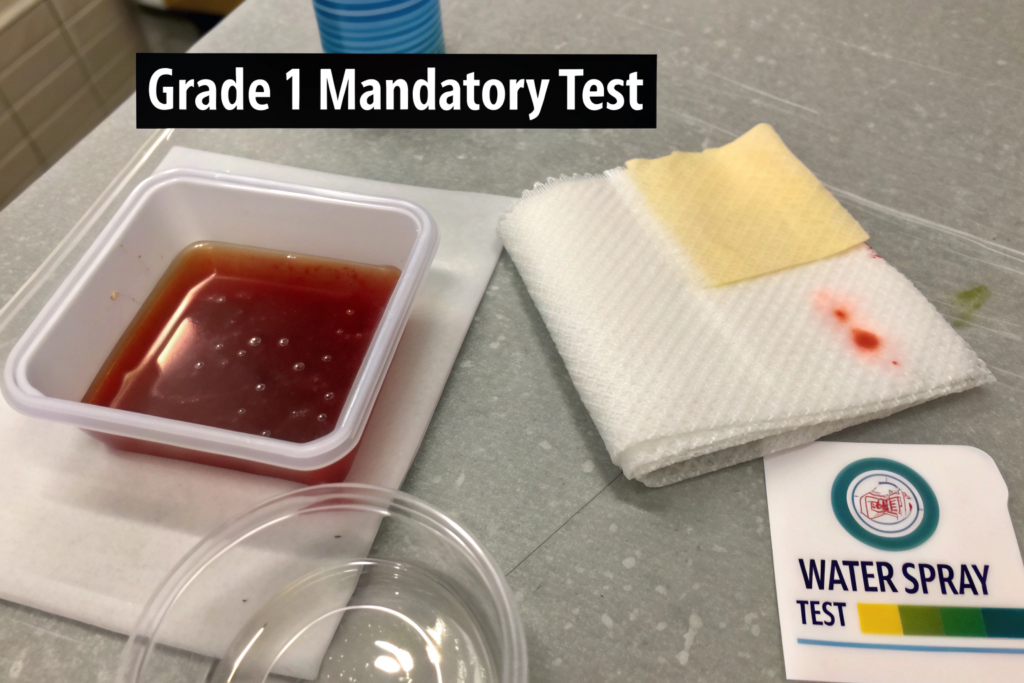
Grade 1 includes unique performance tests for color fastness to saliva and perspiration, which simulate the effects of sweat and accidental mouthing (e.g., a child biting a cuff, or an adult wiping their mouth with a glove that touches the pants), ensuring dyes do not run or transfer under these specific, moist conditions. These are "stress tests" for real-world use.
How is Saliva Fastness Relevant to Ski Pants?
While direct mouthing of pants is less common, the test is a proxy for any enzyme-rich, slightly acidic moisture. More importantly, it demonstrates the dye's exceptional bonding quality. If a dye can resist leaching in saliva, it will certainly resist leaching in acidic sweat (which ski pants are full of). This guarantees that the vibrant colors of your custom team pants won't stain inner layers or skin, even during a high-intensity race. It's a benchmark for superior dyeing technology.
What About pH Value Requirements?
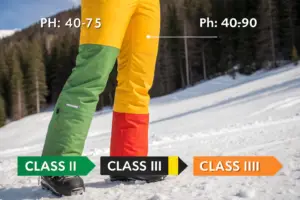
All classes have a pH range requirement, but Grade 1's is the tightest and most skin-neutral.
- Class I: pH 4.0 – 7.5
- Class II & III: pH 4.0 – 9.0
A pH up to 9.0 is slightly alkaline, which can disrupt the skin's natural acid mantle and cause dryness or itching. For ski pants lining that is in constant contact with sensitive thigh and knee skin during active, sweaty use, the tighter Class I range (centered on skin's natural pH of ~5.5) is a major comfort and safety advantage.
How Do Sourcing and Cost Implications Compare?
Specifying Grade 1 inevitably influences the supply chain and cost structure. Understanding this helps justify the investment.
Sourcing for Grade 1 is more restrictive and costly, as it requires mills and chemical suppliers to operate at the pinnacle of purity and control, often involving specialized dyes, premium finishes, and more thorough rinsing processes, leading to a material cost premium of 10-25% over Class II-compliant materials. You are paying for precision chemistry.
Why Can't a Factory Just Use Any "OEKO-TEX Fabric"?
The label "OEKO-TEX fabric" is meaningless without the Article Class. A mill typically produces fabric certified to a specific class. A fabric with a Class II certificate cannot be used in a Class I garment. The factory must source from mills that produce Class I base materials. These mills often also hold OEKO-TEX STeP or bluesign® certifications for their environmental management, meaning you're often sourcing from a more sustainable tier of the supply chain as a beneficial side effect.
What is the Cost-Benefit Analysis for a Brand?
The table below breaks down the comparison for ski pants:
| Aspect | Grade 1 (Class I) | Class II (Standard) |
|---|---|---|
| Chemical Safety | Maximum. Infant-safe level. | Adult level. Higher allowed residues. |
| Performance Tests | Includes saliva & perspiration fastness. | Basic colorfastness tests. |
| Market Positioning | Premium, "Safe-Tech," family-friendly. | Standard performance wear. |
| Consumer Trust | Very high, recognizable value. | Moderate. |
| Material Cost | Higher (15-25% premium). | Standard. |
| Liability Risk | Very Low. | Moderate to High. |
For a brand, the decision hinges on whether the target market and price point justify the investment in top-tier safety as a core feature. For children's ski pants, family-oriented brands, or high-end performance lines, Grade 1 is increasingly the default.
What Does This Mean for Labeling and Consumer Communication?
The grade must be communicated on the label, and this communication is a powerful tool.
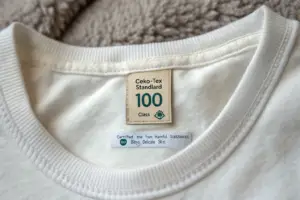
Grade 1 allows for the use of the specific "OEKO-TEX® STANDARD 100 product class I" label on hangtags, which is a powerful visual signal to informed consumers and retailers that the product meets the highest safety tier, directly supporting claims of purity and quality. It's a more powerful marketing asset.
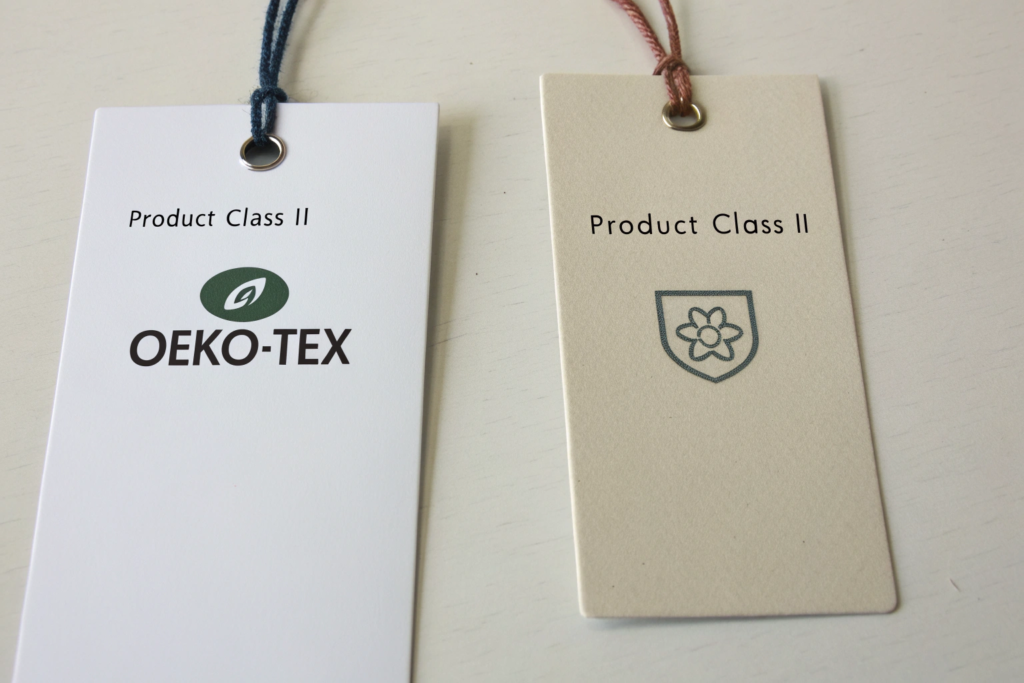
How Should a Brand Explain This to Customers?
Transparency educates and builds trust. You can explain:
- On Website/Product Page: "These ski pants are certified to OEKO-TEX STANDARD 100, Article Class I—the strictest safety standard, originally developed for babywear. This means every component has been tested for harmful substances to ensure they're safe for prolonged, direct skin contact, even during intense activity."
- For Retail Staff: "This Class I label means it's been tested to be safe enough for a baby's skin. So you know nothing irritating will leak out, no matter how hard you sweat."
This turns a technical specification into an understandable, emotional benefit.
Does It Affect B2B Sales to Resorts or Teams?
Absolutely. Procurement officers for schools, resorts, or corporate gift programs are increasingly risk-averse and value-driven. Specifying Class I in your B2B proposal demonstrates a higher duty of care and provides them with a defensible justification for their purchase. It can be the deciding factor over a cheaper, non-certified or Class II competitor.
Conclusion
For ski pants, the difference between OEKO-TEX Grade 1 and other grades is the difference between maximum safety and standard safety, between proactive risk elimination and assumed adult tolerance. Grade 1's stricter limits, unique performance tests, and supply chain implications make it the only appropriate choice for brands that refuse to compromise on the well-being of their customers, especially for a garment as demanding and intimate as ski pants.
Choosing Grade 1 is a statement about your brand's standards. It requires a manufacturing partner, like Shanghai Fumao, that operates within that rigorous framework at every step. If your goal is to build ski pants that are as safe as they are performant, let's build them to the highest standard. Contact our Business Director Elaine at elaine@fumaoclothing.com to develop your next line of OEKO-TEX Grade 1 certified ski pants.