If you're designing or sourcing golf wear, you know comfort is king. A scratchy tag, a stiff seam, or a fabric that traps heat can ruin a player's focus and performance. But did you know that the chemicals used to create that "comfortable" fabric can be the very thing that compromises it? From our position developing and testing thousands of fabric samples, the link between certification and true, lasting comfort is direct and scientific.
The connection is foundational: OEKO-TEX certification, specifically STANDARD 100, guarantees that the chemicals used in creating high-comfort features—like moisture-wicking finishes, stretch, softness, and UV protection—are safe and non-irritating. It ensures that the technological pursuit of comfort does not come at the cost of skin irritation, allergenic reactions, or harmful substance residues that can degrade the fabric's feel and function over time. In essence, certification validates safe comfort.
We had a client bring us a competitor's "ultra-soft" golf polo that was causing redness for some wearers. Our lab analysis found high levels of formaldehyde residue—a chemical sometimes used for easy-care finishes but a known skin irritant. We developed a similar polo for them using a different cross-linking agent that passed OEKO-TEX limits. The result was identical softness and performance, but with zero complaints of irritation. The certification wasn't about marketing; it was a guardrail for safe formulation.
How Do Certified Finishes Enhance Active Comfort?
Golf apparel comfort is active, not passive. It's about how the fabric interacts with sweat, movement, and sun over 4-5 hours. The chemical finishes that enable moisture-wicking, stretch, and odor control are complex. Certification is the assurance these technologies are skin-friendly under real-world conditions.
Certified finishes enhance active comfort by ensuring the chemical agents that provide functionality are thoroughly bonded, non-migratory, and free from impurities that can break down with sweat and heat, causing irritation or loss of performance. This means the comfort features last the lifetime of the garment without degrading or causing adverse effects. It's about durable, safe performance.
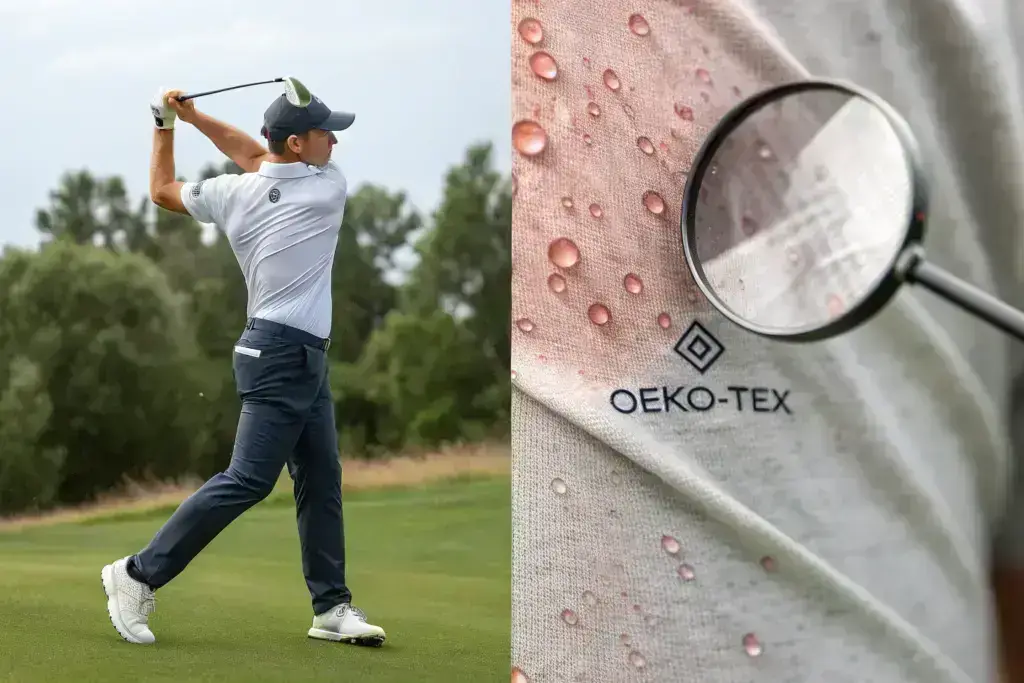
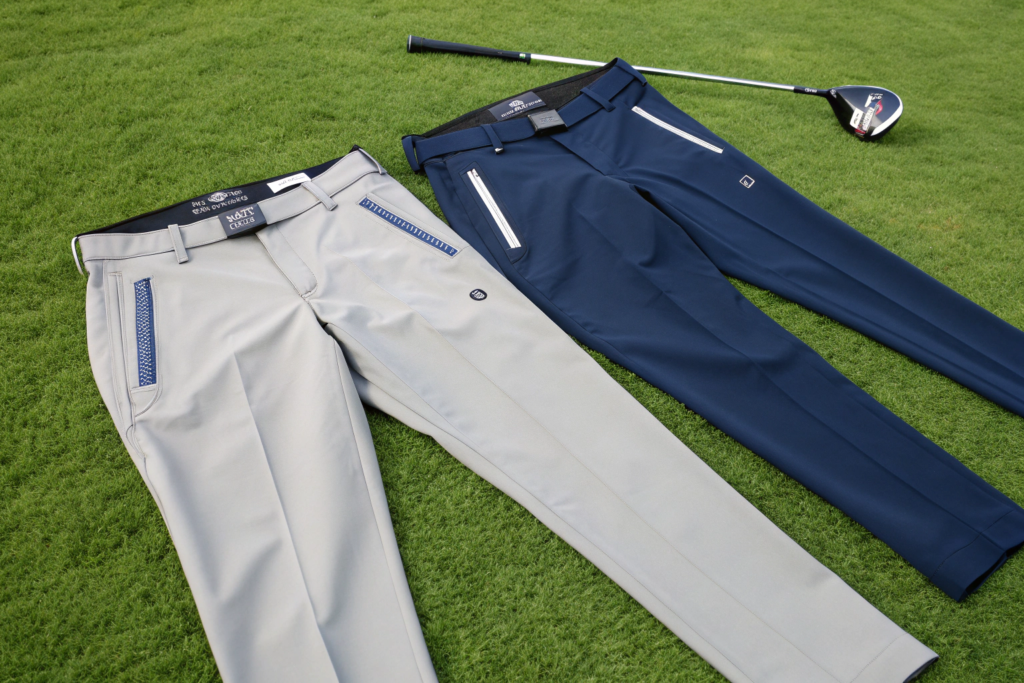
For a line of golf pants requiring both stretch and water resistance, we tested two similar DWR (Durable Water Repellent) finishes. One, a cheaper, non-compliant formulation, initially beaded water well but failed OEKO-TEX due to PFCs (perfluorinated chemicals). In wear trials, it also stiffened the fabric slightly. The certified alternative used a newer, compliant chemistry. Not only did it pass the test, but it also maintained the fabric's soft hand-feel and flexibility, which golfers noted as a key comfort factor in their swing.
Why is pH balance a critical comfort factor tested by OEKO-TEX?
Human skin has a slightly acidic pH (around 5.5). Fabrics with a highly alkaline or acidic pH can disrupt the skin's natural barrier, leading to dryness, itching, and irritation—especially when mixed with sweat. OEKO-TEX mandates a skin-friendly pH range for all certified textiles. This is a basic but profound comfort parameter that many uncertified fabrics overlook in pursuit of other properties. Maintaining proper fabric pH balance is a cornerstone of physiological comfort.
How does certification ensure "breathability" isn't compromised?
Some chemical finishes, if applied too heavily or with improper agents, can clog the microscopic pores in technical fabrics, reducing breathability. The OEKO-TEX standard's limits on substances like softeners and resins encourage manufacturers to use more sophisticated, lighter application techniques that achieve desired softness or wrinkle resistance without sealing the fabric. This preserves the essential airflow that keeps a golfer cool. It's a balance that a reputable technical apparel manufacturer must master.
Can Stretch and Recovery Be Both Certified and Comfortable?
The comfort of modern golf pants and polos hinges on freedom of movement. This requires elastane (spandex) and specific knitting or weaving techniques. The chemicals used to dye and set these stretch fabrics are crucial for both certification and long-term comfort.
Yes, certified stretch can be superior in comfort because the chemical processes required for certification promote better fabric integrity. Harsh dye carriers or reducing agents used on polyester/spandex blends can damage the elastane fibers over time, leading to loss of recovery, bagging at the knees, and a rough hand-feel. OEKO-TEX compliant chemistry uses gentler alternatives that preserve the elastane's elasticity and the fabric's smoothness. Comfort is about longevity as much as initial feel.
We produce golf shorts with 4-way stretch. A few seasons ago, we switched to a new OEKO-TEX compliant dyeing process for our poly-spandex fabric. The factory manager initially worried about color vibrancy. However, the new process not only passed certification but also resulted in a fabric with more consistent recovery after repeated washing and a noticeably softer "hand." The golfers' feedback confirmed that the shorts "kept their shape and feel" longer throughout the season.
How do certified dyes impact colorfastness and skin feel?
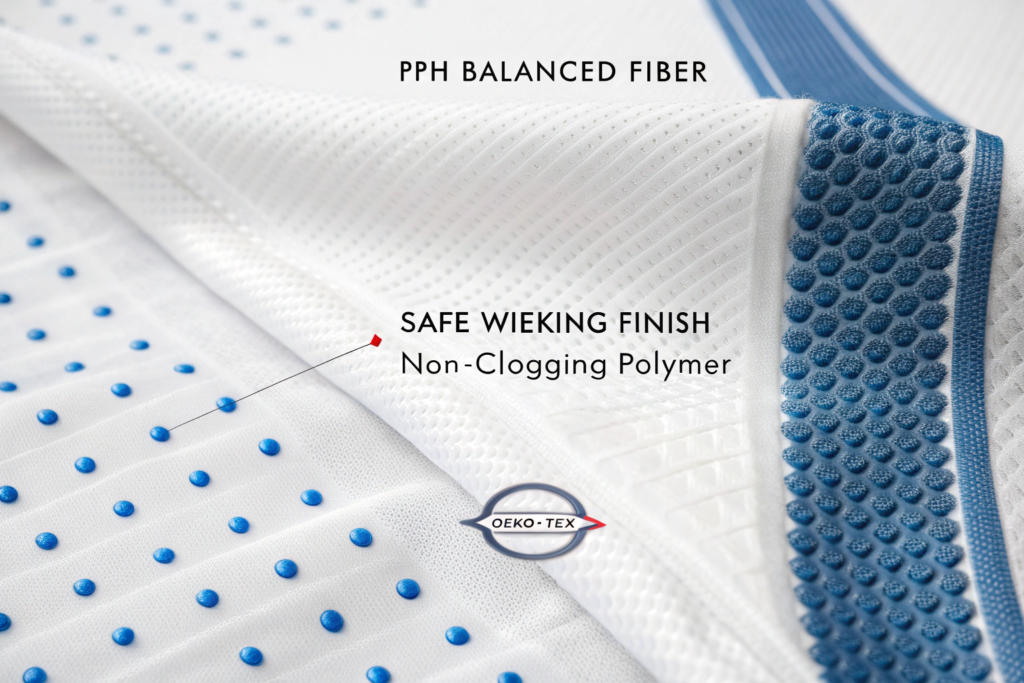
Uncertified dyes, especially some azo dyes, can break down and release aromatic amines, which are restricted by OEKO-TEX. But beyond safety, these lower-quality dyes can also "crock" or rub off more easily, staining skin or other garments. They can also feel chalky on the fabric. Certified dyes are chosen for their stability and purity, which translates to better colorfastness during sweat and wash, and a cleaner, smoother fabric surface against the skin. This is key for textile color fastness and wearer satisfaction.
What role do softening agents play?
Softeners are essential for comfort, giving fabric a pleasant, supple hand. However, some cationic softeners can cause allergic reactions and can build up on fabric, attracting dirt and reducing breathability. OEKO-TEX restricts certain categories of softeners, pushing manufacturers towards safer, more sustainable options like silicone or bio-based softeners that provide a high-quality feel without the drawbacks. The choice of agent directly affects the tactile comfort from the first wear to the hundredth.
| Comfort Feature | Chemical Process Involved | OEKO-TEX's Role in Ensuring Comfort |
|---|---|---|
| Moisture-Wicking | Application of hydrophilic finishes. | Ensures finishes are free of irritants like APEOs and don't clog fabric pores. |
| Stretch & Recovery | Dyeing and heat-setting of elastane blends. | Restricts harsh carriers that degrade elastane, preserving snap-back and softness. |
| Soft Hand-Feel | Use of softening agents and mechanical finishing. | Bans allergenic cationic softeners, promoting safer, high-quality options. |
| Odor Control | Application of antimicrobial treatments. | Prohibits triclosan and limits silver emissions, ensuring safe, effective technology. |
| UV Protection | Use of UV-absorbing compounds or fabric construction. | Tests for safe, non-migratory UV absorbers that won't wash out or irritate skin. |
Does Certification Address Hidden Comfort Killers Like Residues?
True comfort is often ruined by invisible factors: residual chemicals left on the fabric from inefficient rinsing, catalysts from finishing processes, or impurities in raw materials. These residues can cause odors, skin sensitization, and affect the fabric's technical performance.
Absolutely. OEKO-TEX certification is specifically designed to catch these hidden comfort killers. It sets strict limits for substance residues like formaldehyde, heavy metals, and pesticides that may have no smell or immediate feel but can cause chronic irritation, off-gassing, or degrade with sweat to create discomfort. It's a cleanliness standard for the fabric itself.
A vivid case involved a batch of otherwise premium cotton for polos. It passed our initial visual and tactile inspection. However, our routine pre-certification lab screen detected chlorophenols (biocides used in cotton storage and transport) above the limit. While not immediately felt, these residues can produce a musty odor when mixed with sweat and are skin sensitizers. We rejected the batch. The certified mill we sourced from instead uses ozone treatment for microbial control, leaving no residue. The resulting polos were fresher and cleaner against the skin.
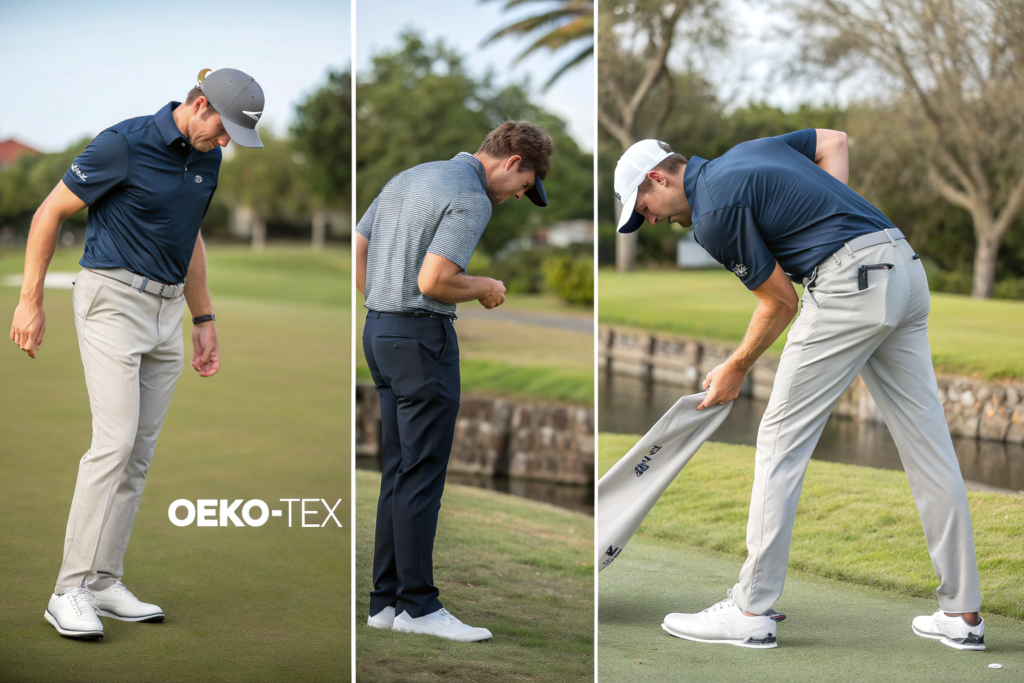
How do testing methods simulate real-world wear to expose residues?
OEKO-TEX uses "perspiration tests" where fabric is exposed to artificial acidic and alkaline sweat solutions. This simulates what happens during a round of golf. Substances that might be locked in the fiber under dry conditions can migrate out when exposed to sweat's salinity and pH. The solution is then analyzed for leached heavy metals, dye transfer, and other chemicals. This test is a direct proxy for wearer comfort and safety under active conditions.
Why is formaldehyde a key focus for comfort?
Formaldehyde-based resins are used for wrinkle-free (easy-care) finishes. While effective, excess free formaldehyde is a potent skin and respiratory irritant. The "chemical smell" of new clothes often comes from this. OEKO-TEX Class I (for babies) has a near-zero limit, and Class II (for skin-contact apparel like golf wear) has a very strict limit. This forces factories to use advanced "low-formaldehyde" or "formaldehyde-free" cross-linking agents, which are more expensive but crucial for non-irritating, odor-free comfort. Partnering with a factory like Shanghai Fumao that invests in these advanced chemistries is key.
How Does Certification Build Long-Term Wearer Trust and Perceived Comfort?
Comfort is not just physical; it's psychological. A golfer who trusts that their clothing is safe and well-made experiences a higher level of perceived comfort. They can focus on their game, not a potential itch or worry about what's in the fabric.
Certification builds long-term trust by providing a transparent, third-party guarantee. This trust translates into perceived comfort—the wearer feels "better" in the garment because they believe in its quality and safety. This psychological assurance enhances the overall wearing experience and fosters brand loyalty, as comfort becomes a reliable promise, not a variable gamble. It comforts the mind as well as the body.
We supply a brand that includes a small hangtag explaining their OEKO-TEX certification in simple terms: "Tested for harmful substances. Safe for your skin and the planet." Their customer reviews frequently mention not just the physical comfort of the shirt, but also a "peace of mind" factor, especially for golfers with sensitive skin or who play in extreme heat. This emotional benefit is a powerful differentiator and allows the brand to build a community around trust and performance.
Can certification reduce returns and increase customer loyalty?
Yes, directly. Returns due to "skin irritation," "odor," or "fabric quality" issues are often rooted in uncertified chemical processes. By virtually eliminating these causes, certification reduces a major category of returns. A satisfied customer who experiences consistent comfort over multiple purchases becomes a loyal advocate. This loyalty is the ultimate metric of successful customer experience in apparel.
How should brands communicate this connection to consumers?
The communication should bridge the technical and the experiential. Instead of just "OEKO-TEX Certified," use language like: "Engineered for safe, lasting comfort. Every thread tested to be free from skin irritants, so you feel only the performance." Use imagery of golfers in serene focus, not battling discomfort. This frames the certification as an enabler of the ultimate comfort experience—uninterrupted enjoyment of the game.
Conclusion
The connection between OEKO-TEX certification and golf apparel comfort is profound and multi-layered. It operates at the chemical level to prevent irritation, at the performance level to ensure durable functionality, and at the psychological level to build unwavering trust. For brands, this means certification is not a separate compliance task but an integral part of the comfort engineering process.
Ultimately, in a market where players demand both peak performance and well-being, certification provides the scientific backbone for claims of superior comfort. It ensures that the advanced technologies making golf apparel better don't secretly make it worse for the wearer.
If you are committed to creating golf wear where comfort is guaranteed by science and verified by independent standards, your manufacturing partner must share this depth of understanding. At Shanghai Fumao, we engineer comfort from the molecule up, ensuring every certified garment delivers on its promise from the first tee to the eighteenth green. Let's collaborate to build apparel that feels as good as it performs. Contact our Business Director Elaine to begin: elaine@fumaoclothing.com.