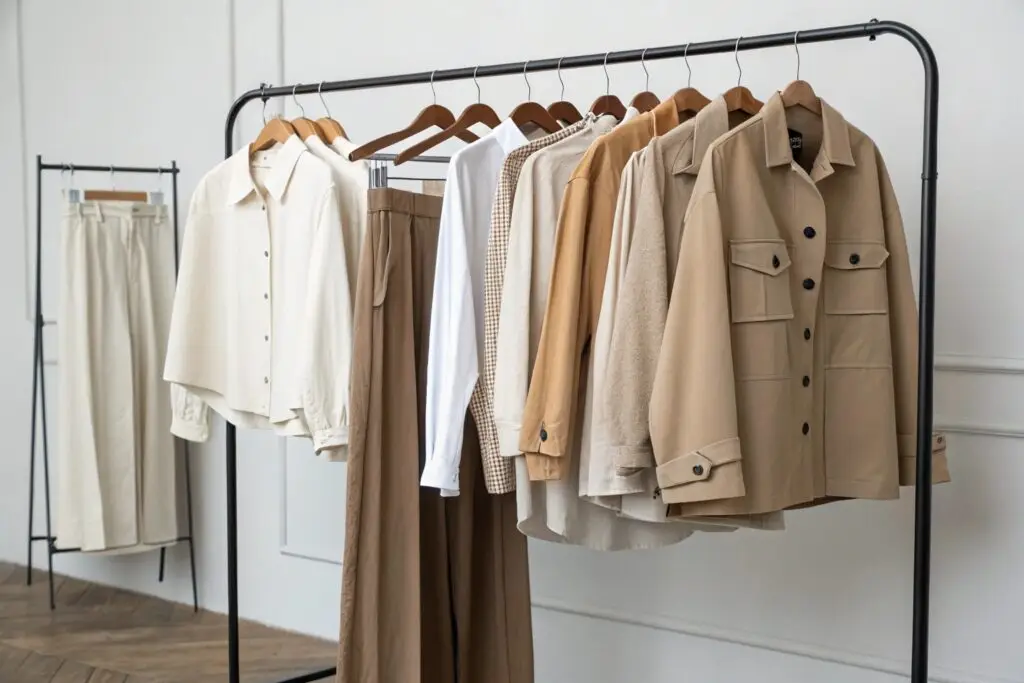
A capsule wardrobe lives or dies by silhouette. If the shape doesn’t serve multiple looks, bodies, and seasons—it doesn’t belong.
Ideal silhouettes for capsule fashion are timeless, adaptable, and layering-friendly—giving each piece the power to flex across outfits, wearers, and occasions.
In this guide, I’ll break down the best-performing shapes I use when building B2B capsule collections for clients targeting modern, conscious buyers.
Timeless Cuts That Stay Relevant Season After Season?
Trends fade fast. But the right silhouette stays in rotation year after year—saving costs, simplifying production, and strengthening brand identity.
Capsule collections succeed when built on classic shapes like straight-leg trousers, A-line skirts, boxy tops, and midi-length layers that never go out of style.
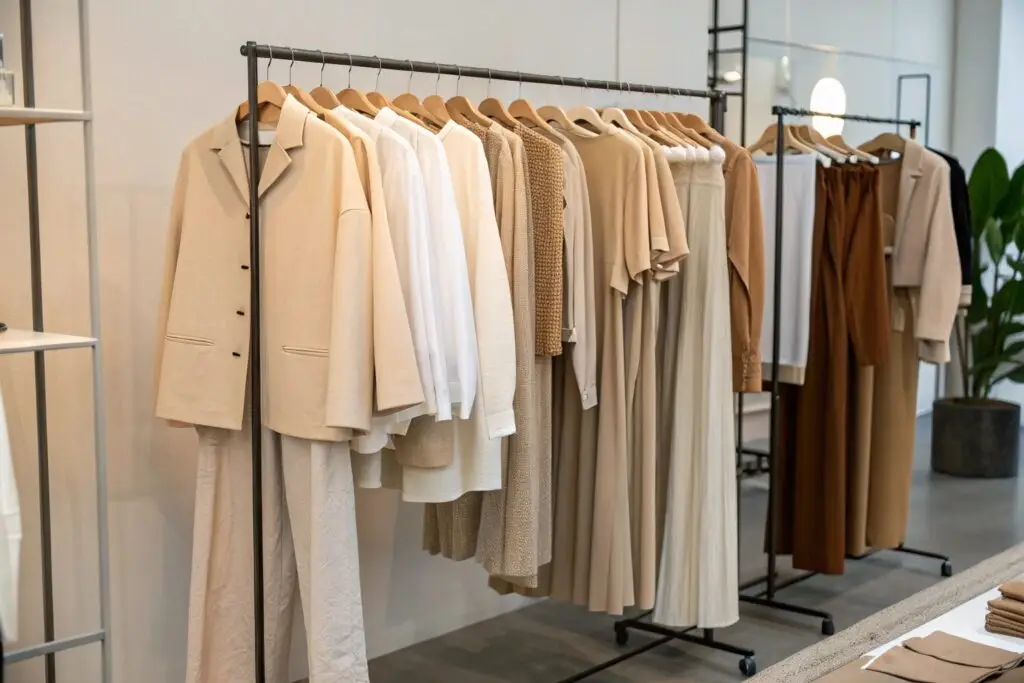
What silhouettes have proven themselves across decades of fashion shifts?
These are the top timeless shapes we consistently use in capsule drops:
-
Straight-leg pants
→ Easy to style with boots, sneakers, heels
→ Flatter most leg shapes without being too tight or too wide -
A-line midi skirt
→ Flowy, forgiving, formal or casual depending on fabric -
Boxy tee or top
→ Roomy but not sloppy, works tucked or loose -
Trench or belted coat
→ Cinches shape when needed, layers over anything -
Shirt dress or button-down
→ Wear it as a dress, open as a jacket, or tied at the waist
Here’s how we assess timelessness:
| Silhouette | Seasonality Risk | Trend Risk | Buyer Range |
|---|---|---|---|
| Straight-leg pant | Low | Low | Broad |
| Balloon sleeves | Medium | High | Niche |
| Boxy cropped tee | Low | Low | Broad |
| Bias-cut slip | Medium | Medium | Slim body fit |
| Empire waist dress | High | High | Limited |
We also consider what silhouettes photograph well. For example, straight-leg trousers and boxy tops show well in flat lays, ecommerce stills, and model shots—helping boost conversion.
Why do timeless silhouettes improve reorder rates and production stability?
Buyers trust them.
A timeless cut:
- Reduces return rates
- Allows repeat buying in new colors
- Requires fewer pattern changes each season
- Simplifies sampling and grading
We often recommend clients start with 5–6 classic silhouettes for their first 3 drops, and build variations off those. It’s efficient and smart.
Versatile Silhouettes for Maximum Outfit Pairing?
A capsule’s goal is to create many looks from few pieces. That starts with silhouettes that can flex across tops, bottoms, and layers.
Versatile silhouettes—like tapered pants, layering-friendly knits, and modular outerwear—help maximize pairing options and boost buyer satisfaction.
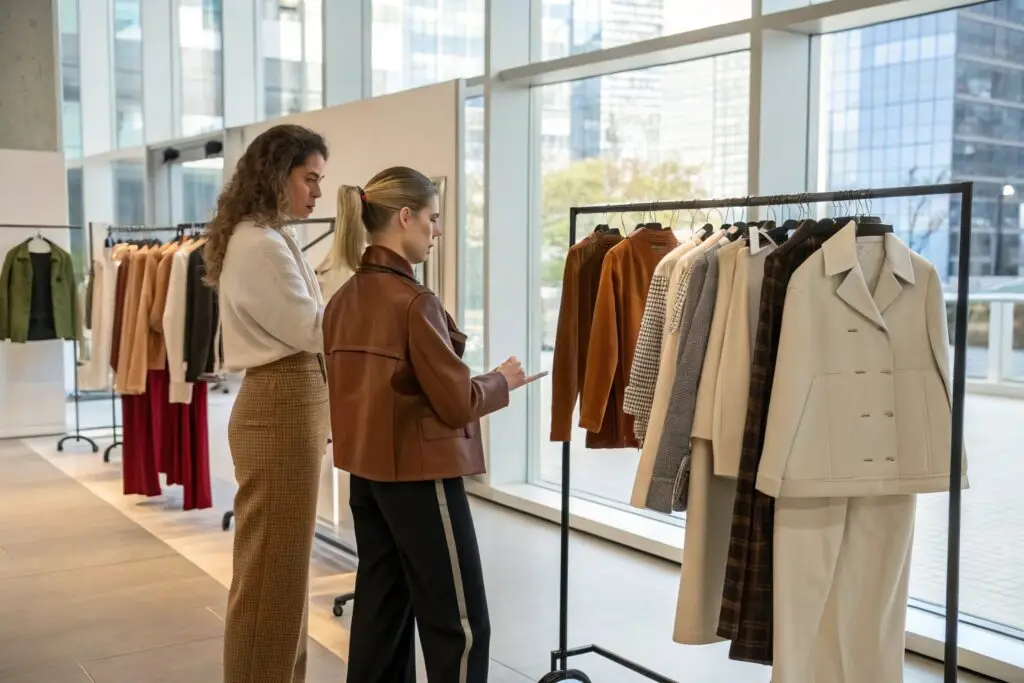
Which silhouettes are most compatible with multiple outfit types?
We recommend these four as high-flex:
-
Tapered pant with elastic back or drawstring front
→ Works with button shirts, cropped tops, sweaters -
Relaxed-fit tank or sleeveless tee
→ Layers under jackets or worn alone -
Straight-cut midi dress with no waistline seam
→ Can be belted, layered, worn as tunic -
Lightweight overcoat or shirt-jacket (shacket)
→ Seasonal bridge item; adds structure without bulk
Silhouette compatibility table:
| Garment Type | Pairs With | Season Flexibility |
|---|---|---|
| Elastic tapered pant | Blazer, tee, hoodie | High |
| Longline tank dress | Coat, cardigan, scarf, belt | High |
| Boxy top | Skinny jeans, wide pants, skirts | Very High |
| Oversized shacket | Shorts, trousers, joggers | Mid-high |
Every time we design a piece, we ask: Can this be worn 3+ ways? If not, it doesn’t make the cut.
How do you test silhouette versatility during sampling?
We do live styling tests in fittings:
- Pair each garment with all other items in the capsule
- Try multiple footwear styles (sneaker, sandal, boot)
- Test it styled both masculine and feminine
If a silhouette struggles to flex across more than 3 looks, it’s considered low-utility and either revised or removed.
In capsule logic, versatility = value.
Gender-Neutral Shapes That Appeal Broadly?
Capsule design is moving beyond “men’s” and “women’s.” Buyers want freedom—and silhouettes that allow diverse styling.
Gender-neutral silhouettes, such as straight fits, dropped shoulders, and unshaped hems, offer broad appeal and inclusive wearability.
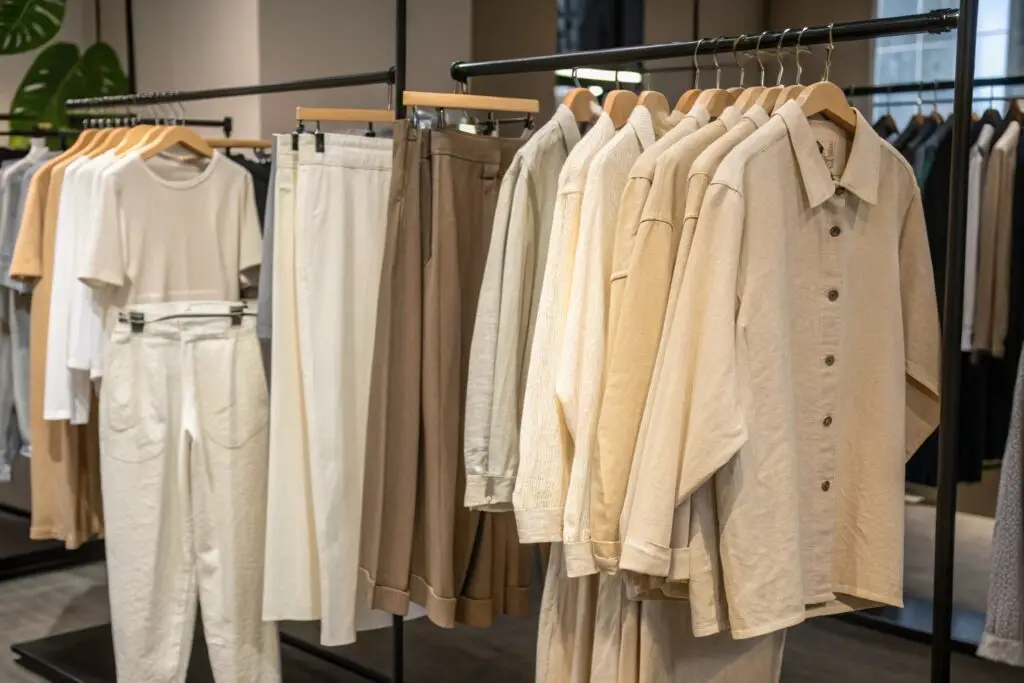
What silhouette features make a piece feel gender-inclusive?
We look for minimal shaping, loose drape, and modular elements:
-
Dropped shoulders
→ Remove shoulder-width pressure; suit wider builds -
Straight hems
→ Work over both fitted and loose bottoms -
Mid-length sleeves
→ Avoid hyper-feminine or masculine cues -
Drawcord or tab-waist
→ Adjustable for different body shapes
Popular unisex silhouettes we use:
| Garment | Inclusive Feature |
|---|---|
| Oversized shirt | Straight cut, no darts, long hem |
| Crewneck pullover | Relaxed body, cuffed sleeves |
| Elastic jogger pant | Unisex rise, pocket symmetry |
| Utility vest | Size-adjustable tabs |
These silhouettes aren’t “genderless” because they remove identity—they allow interpretation.
Buyers love that. One Korean brand we worked with launched a 7-piece capsule with all gender-neutral cuts. It outsold their gendered lines 3:1 in two months.
How can silhouettes support freedom without becoming shapeless?
It’s about intentional volume.
Instead of making everything oversized, we:
- Vary lengths (cropped top with wide pant, or vice versa)
- Use structure (pin tucks, seaming, collars) to define lines
- Build flexibility into size labels (S/M, M/L instead of numbered)
We’ve also moved to flat measurements and “fit notes” instead of calling things unisex. This makes the capsule more accessible without overclaiming inclusivity.
Balancing Structure and Ease in Capsule Design?
The best silhouettes feel soft on the body but sharp in the mirror. Capsule buyers want comfort—but also want to feel composed.
Capsule design thrives on silhouettes that balance structure (clean lines, tailoring hints) with ease (relaxed movement, soft finishes).
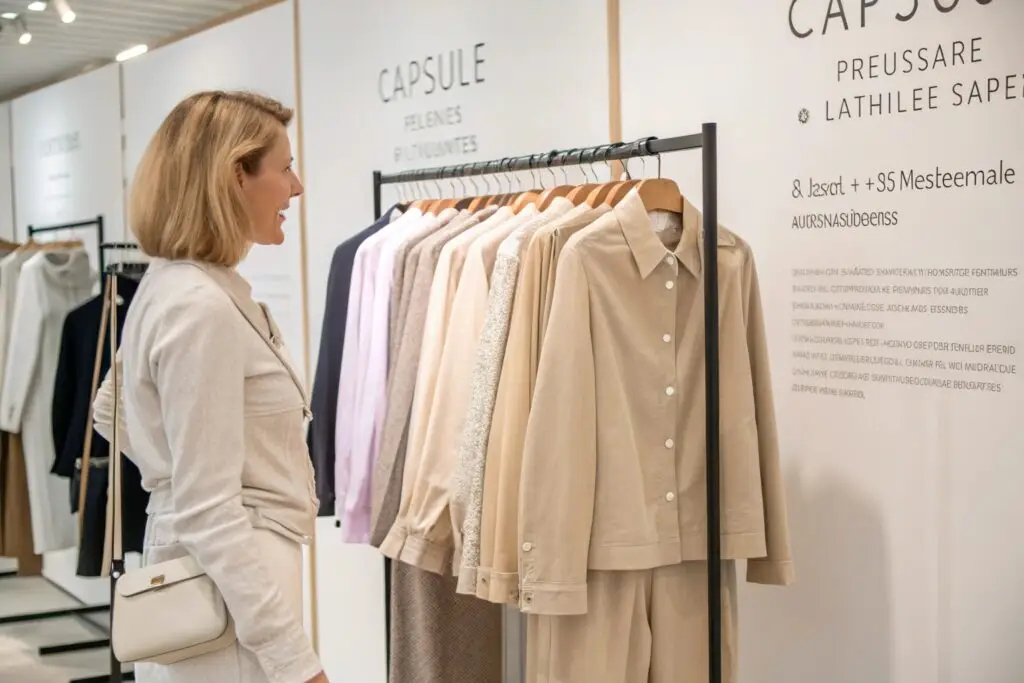
What design techniques help merge sharpness and comfort?
We use these three methods:
-
Hidden shaping
→ Back darts, pleats, and inner seams that improve drape but stay invisible -
Contrast textures
→ Structured trims or cuffs on flowy bases (e.g. twill collar on jersey dress) -
Soft tailoring
→ Light interfacing, unlined blazers, clean stitching
Here’s a side-by-side:
| Style Element | Structured Version | Relaxed Balance |
|---|---|---|
| Shirt collar | Crisp point collar | Washed cotton, spread collar |
| Waist definition | Fixed seams | Detachable belt or drawcord |
| Trousers | Full pleats | Elastic back, smooth front panel |
| Dress hem | Stiff midi hem | Curved or side-slit hem |
We also design garments to be styled in multiple moods: formal with accessories, chill with sandals. This helps one silhouette serve both street and showroom.
Why does this structure-ease balance drive sell-through?
Because most buyers live between two worlds:
- They want to look put-together
- They want to feel unrestricted
Silhouettes that strike that middle line—like a fluid trouser with pressed seams or a knit tee with elevated neck binding—are the ones they wear most.
And the ones they reorder fastest.
Conclusion
Great capsule design isn’t about reducing variety—it’s about choosing silhouettes that earn their place. When shapes are timeless, versatile, inclusive, and balanced, your collection becomes more than clothes—it becomes a system that works.