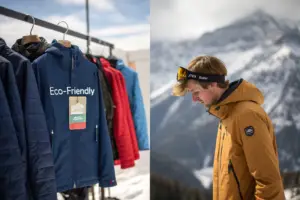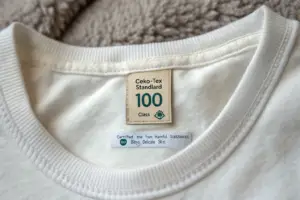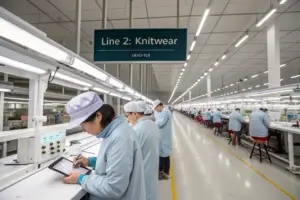
As a manufacturer embedded in the technical outerwear supply chain, I analyze forecasts not just as numbers, but as shifts in buyer mandates and material innovation. The global ski apparel market is projected for steady growth, but this growth is being fundamentally reshaped by stringent sustainability and safety regulations. OEKO-TEX is no longer a niche player in this forecast; it is becoming a central gatekeeper and a key driver of market differentiation.
OEKO-TEX plays a critical and expanding role in the global ski apparel market forecast by acting as the primary verifier for chemical compliance in an increasingly regulated landscape, serving as a key differentiator for brands targeting the premium and eco-conscious segments, and accelerating the adoption of innovative, safer material technologies that will define the next generation of performance gear. Its influence is embedded in the growth trajectory itself.
Let's analyze how this specific certification is actively shaping the market's future, from raw material sourcing to consumer choice.
How is OEKO-TEX Mitigating Regulatory Risk in Market Growth?
Market growth attracts regulatory scrutiny. The ski apparel industry, with its complex chemistry for waterproofing and insulation, is a prime target for new chemical regulations worldwide. OEKO-TEX provides a proactive compliance framework.
OEKO-TEX mitigates regulatory risk by offering a single, globally recognized standard that stays ahead of regional laws, allowing brands to streamline compliance across major markets (EU, North America, Asia) and avoid costly product recalls or market entry delays that could derail growth projections. It is a risk management tool built into the supply chain.
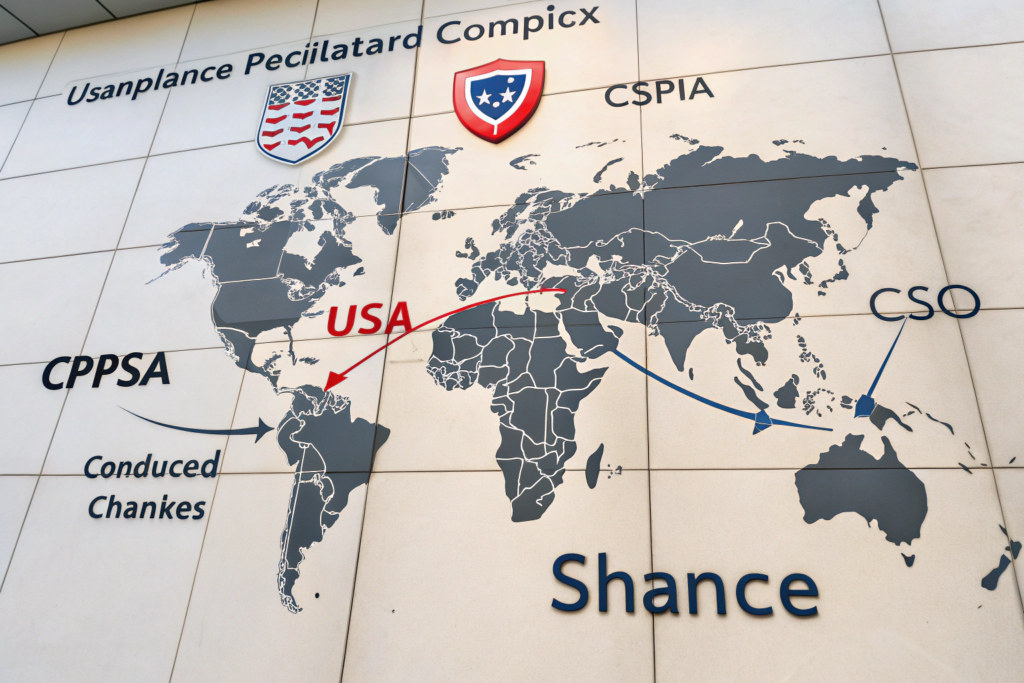
What Specific Regulatory Pressures Are Driving Adoption?
Several converging forces are at play:
- EU's Strategy for Sustainable Textiles & Digital Product Passport (DPP): This will require detailed, verified data on chemical use. An OEKO-TEX certificate provides a pre-verified data module for the DPP.
- Global PFAS/PFC Bans: These "forever chemicals," common in durable water repellent (DWR) finishes, are being legislated against. OEKO-TEX STANDARD 100's restricted substance list (RSL) strictly limits PFAS, pushing brands toward certified, PFC-free alternatives.
- Expansion of REACH and CPSIA: These regulations continuously add new substances of very high concern (SVHCs). OEKO-TEX updates its RSL annually, providing a dynamic compliance shield.
A brand planning a 2026 ski line cannot ignore these trends. Forecasts showing growth in the EU market are contingent on meeting these regulations. OEKO-TEX is, therefore, not an optional cost but a calculated investment to access that forecasted growth. We at Shanghai Fumao are already collaborating with mills on developing OEKO-TEX & bluesign® approved PFC-free membranes, directly in response to these regulatory signals.
How Does This Affect Market Entry and Speed-to-Market?
For new brands or those expanding geographically, the time and cost of navigating multiple chemical regulations can be prohibitive. By building their products on an OEKO-TEX certified platform from the start, they can accelerate market entry. The certification serves as a "pre-approval" that retailers and distributors recognize, reducing due-diligence time. In a fast-paced market, this speed is a competitive advantage that directly impacts a brand's ability to capture forecasted demand.
How is OEKO-TEX Shaping Consumer Demand and Brand Strategy?
Market forecasts are increasingly segmented by consumer values. The "green consumer" segment is growing faster than the overall market, and their trust is earned through transparency.
OEKO-TEX is shaping consumer demand by providing a simple, trusted label that cuts through greenwashing, enabling brands to credibly communicate safety and responsibility to a generation of skiers who are deeply connected to the natural environment they play in. This trust converts to brand loyalty and premium pricing.
What is the "Premiumization" Trend in Ski Apparel?
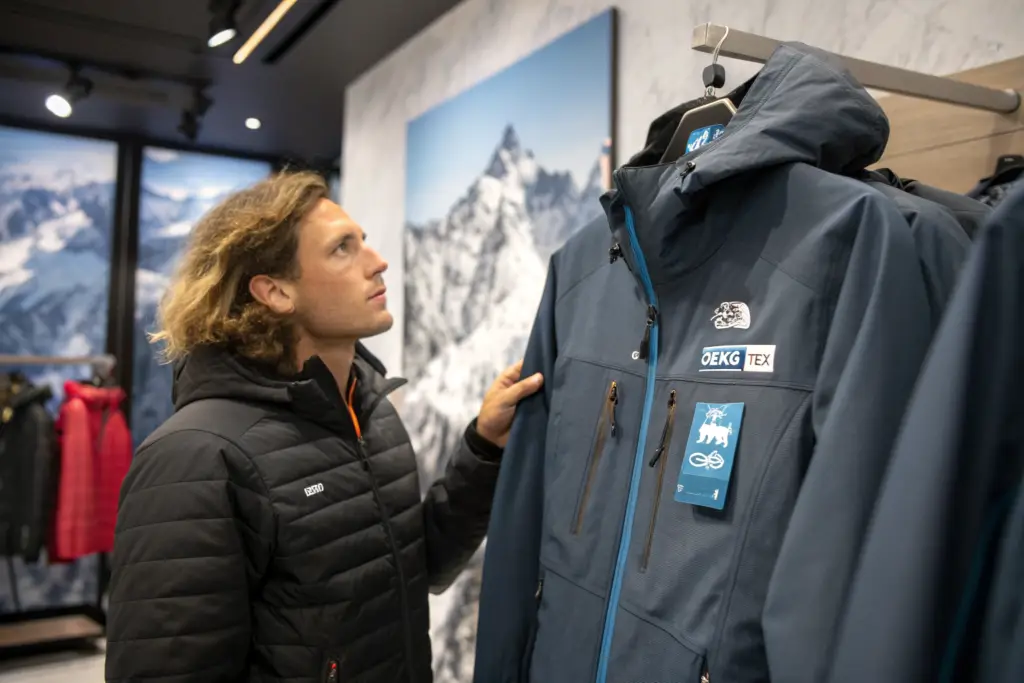
Market analysts note a shift toward "premiumization"—consumers buying fewer, higher-quality, multi-functional items. OEKO-TEX certification is a cornerstone of this premium claim. It's no longer just about higher fill-power down or a better membrane; it's about guaranteed material integrity. Brands are incorporating the OEKO-TEX label into their premium line storytelling, using it to justify price points 20-30% above uncertified competitors. This trend is directly boosting the average selling price (ASP) in market forecasts.
How Are Top Brands Using It for Market Positioning?
Leading brands are using OEKO-TEX (often coupled with bluesign® and Fair Trade) to define a "Responsible Performance" category. They market this not as a cost, but as an innovation. For example, their campaign might highlight: "Our new GORE-TEX shell uses a PFAS-free membrane, certified safe by OEKO-TEX." This positions them as leaders, attracting partnerships with eco-resorts and environmentally focused athletes, which in turn influences broader consumer perception and drives segment growth.
How is OEKO-TEX Driving Material Innovation and Sourcing?
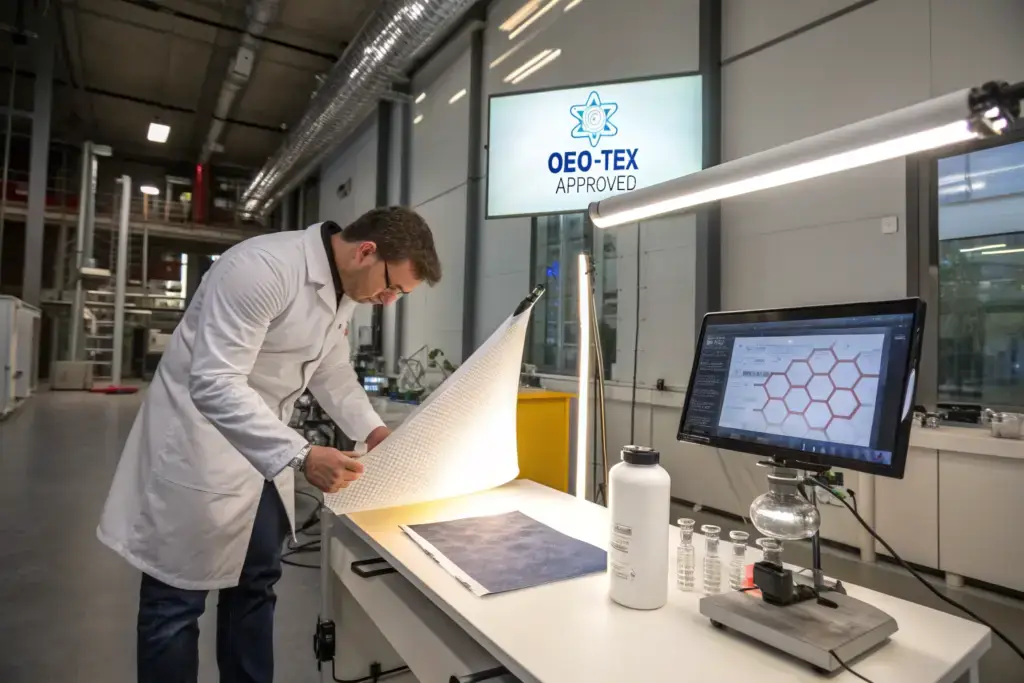
The strict chemical constraints of OEKO-TEX are acting as a powerful R&D driver, pushing material science toward safer, high-performance alternatives. This innovation is a key factor in future market growth.
OEKO-TEX is driving material innovation by creating commercial demand for new, compliant chemical formulations and recycled materials, thereby incentivizing mills and chemical companies to invest in the R&D necessary to produce high-performance fabrics that meet both athletic and safety standards. It turns a restriction into an innovation catalyst.
What Innovations Are Emerging in Response?
We are seeing rapid development in:
- Bio-Based DWRs: Plant-derived water repellents that are inherently OEKO-TEX compliant.
- Recycled Insulation: High-loft, recycled polyester insulation (like PrimaLoft® Bio) that requires certified, clean production processes to avoid contamination.
- Solvent-Free Laminates: Adhesives used to bond membranes are moving toward water-based, OEKO-TEX approved formulas.
These innovations are not just greener; they often perform better (e.g., more breathable, less prone to clogging). Brands that adopt these first will own the "next-generation" narrative in the market forecast. Our factory's partnership with advanced mills gives our clients early access to these certified innovations.
How Does This Affect the Global Supply Chain?
The demand for certified materials is consolidating the supply chain toward mills and chemical suppliers that have invested in OEKO-TEX STeP (Sustainable Textile Production) or bluesign® system partnership. This creates a tiered supplier ecosystem. Forecasts that show growth for agile, sustainable brands are implicitly forecasting growth for these certified supply chains. Factories like ours that are connected to these networks become more valuable partners, as we can guarantee access to compliant, innovative materials.
What Does This Mean for Market Consolidation and Competition?
As certification becomes a baseline for the mid-to-premium market, it will create winners and losers. It raises the barrier to entry and reshapes competitive dynamics.
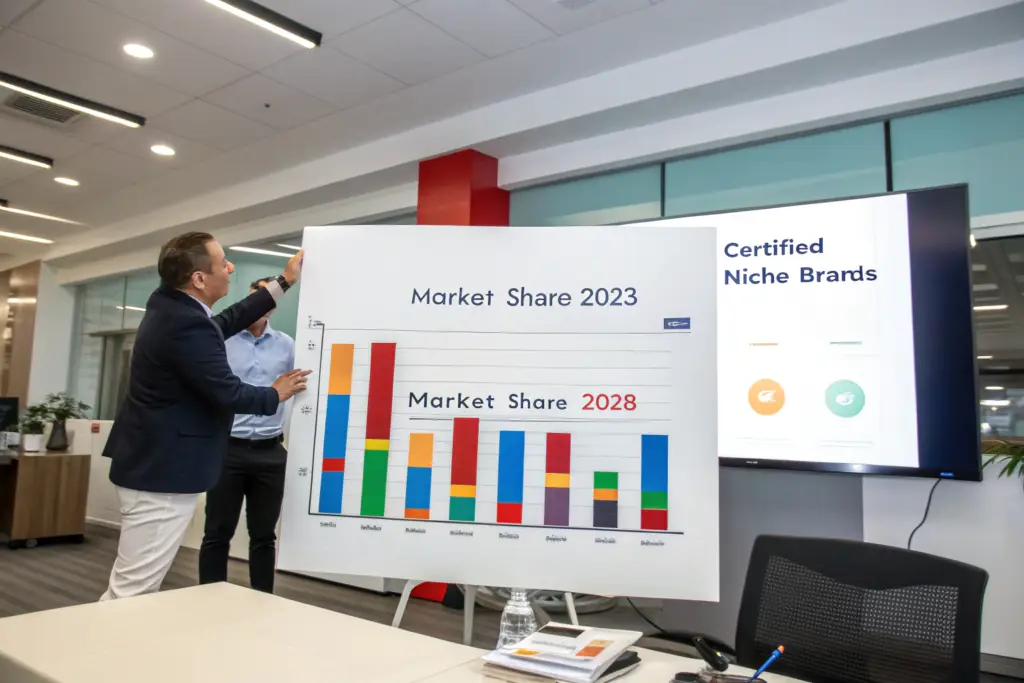
OEKO-TEX is contributing to market consolidation by raising the minimum capital and expertise required to produce compliant, competitive ski apparel, favoring larger, established brands and specialized manufacturers, while creating a niche for agile, mission-driven startups that build their entire brand on transparency. It separates serious players from the rest.
How Will This Impact Smaller Brands?
Small brands face a choice: absorb the cost and complexity of certification to compete in the growing premium segment, or compete solely on price in a low-margin, commoditized segment that is increasingly squeezed by regulation. The forecast suggests the middle ground will shrink. Savvy small brands are using their certification story as their core marketing advantage, appealing directly to conscious consumers, which can be a powerful, if narrower, path to growth.
What is the Role of Vertical Integration?
To control costs and ensure compliance, larger brands are moving toward deeper partnerships or vertical integration with certified suppliers. We see this in brands investing in specific mill developments or entering long-term exclusive agreements for certified fabrics. This trend, supported by OEKO-TEX as a common standard, will lead to more stable but potentially less flexible supply chains, impacting how quickly new innovations diffuse across the entire market.
Conclusion
In the global ski apparel market forecast, OEKO-TEX transcends its role as a product certification. It is a strategic factor influencing regulatory access, consumer trust, material innovation, and competitive structure. Brands and manufacturers that integrate OEKO-TEX into their core strategy are not just buying a label; they are investing in market access, risk mitigation, and alignment with the powerful values driving the future of the industry.
For any stakeholder—from investor to brand owner to retailer—understanding the central role of OEKO-TEX is key to accurately interpreting market forecasts and making informed strategic decisions. If you are positioning your brand or supply chain for growth in this evolving landscape, partnering with a manufacturer that is already engineered for this certified future is essential. Contact our Business Director Elaine at elaine@fumaoclothing.com to discuss how Shanghai Fumao can help you navigate and capitalize on the certified trajectory of the global ski market.