You've received a production estimate from a potential clothing manufacturer. The bottom line looks attractive, but you're wondering what might be missing or where hidden costs could be lurking. Knowing the right questions to ask can mean the difference between a smooth production experience and costly surprises.
Asking comprehensive questions about a clothing production estimate helps uncover hidden costs, clarifies assumptions, and ensures alignment on quality standards. Brands that systematically review estimates with targeted questions experience 40% fewer budget overruns and establish clearer manufacturing partnerships. The estimate isn't just about price—it's a blueprint of your entire production relationship.
This guide provides the essential questions you need to ask about every production estimate, organized by critical categories that impact your budget, timeline, and quality outcomes.
What Cost Components Are Included In The Estimate?
The first step in evaluating any production estimate is understanding exactly what's included in the quoted price. Many estimates appear comprehensive but exclude critical elements that emerge as additional charges later in the production process.
A detailed cost breakdown should account for every component from raw materials to finished product packaging. Missing elements often become the source of budget overruns and relationship strain.

Are all material costs clearly specified?
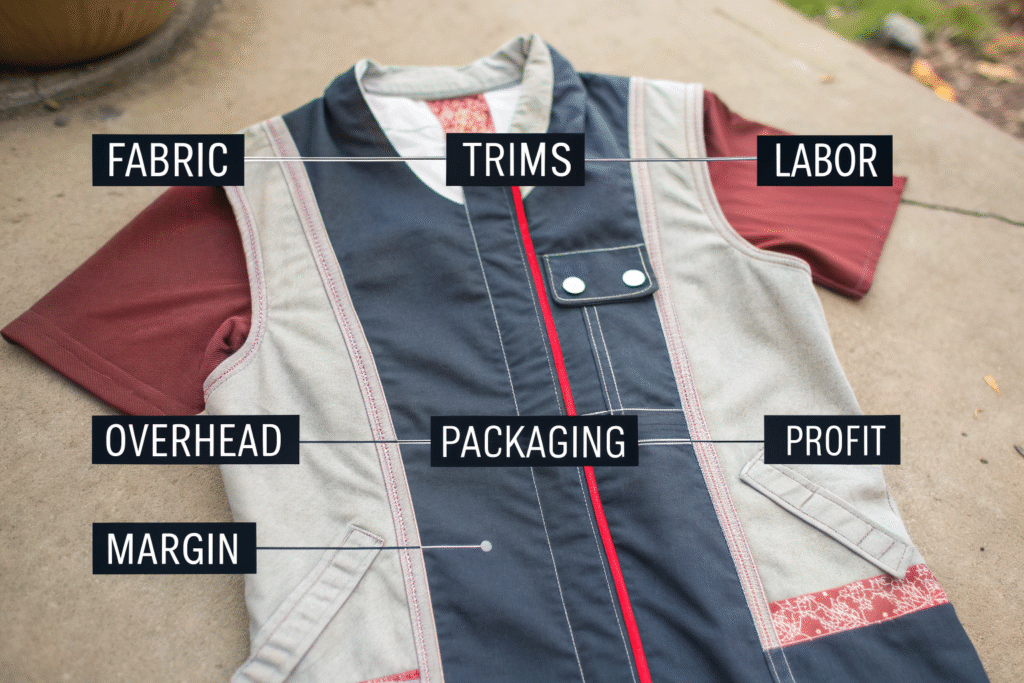
Material costs should include complete transparency about:
- Fabric with exact specifications (composition, weight, width, source)
- Trims and closures (zippers, buttons, labels, tags with quantities)
- Thread, interlinings, and other consumables
- Packaging materials (poly bags, hang tags, cartons, inserts)
When a sportswear brand received an estimate that simply listed "premium fabric" without specifications, they discovered during production that the factory had substituted a cheaper alternative that compromised performance. The resulting fabric specification mismatch cost them $18,000 in rework. At Shanghai Fumao, we provide detailed material breakdowns to prevent such issues.
What labor and overhead costs are included?
Labor costing should be transparent about:
- Cutting, sewing, and finishing operations with time estimates
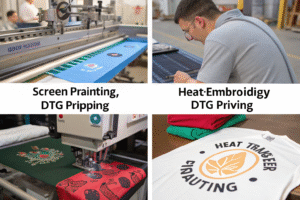
- Specialized processes (embroidery, printing, washing) with clear pricing
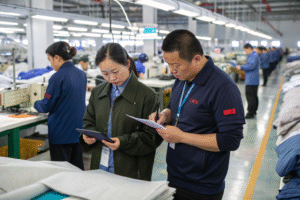
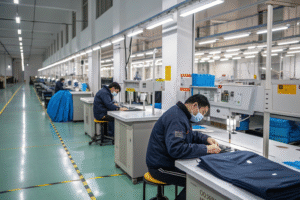
- Quality control procedures and inspection standards
- Factory overhead allocation and administrative costs
A recent client discovered their estimate excluded quality inspection costs, which emerged as a $4,200 additional charge after production began. This emphasizes why understanding complete manufacturing costs requires asking detailed questions upfront.
What Assumptions Is The Estimate Based On?
Every production estimate relies on assumptions that impact the final price. Understanding these assumptions helps you identify potential risks and areas where costs might increase if conditions change.
The most accurate estimates clearly state their underlying assumptions, while problematic ones often bury these details or omit them entirely.
What production quantities and timelines are assumed?
Key assumptions to verify include:
- Minimum order quantities and volume pricing breaks
- Production timeline and rush charge policies
- Raw material availability and lead time considerations
- Payment terms and schedule implications
A fashion brand learned this lesson when their 5,000-unit estimate assumed 12-week production, but their compressed 8-week timeline triggered $7,500 in rush charges. Clarifying manufacturing assumptions prevents such surprises.
What quality standards and processes are assumed?
Quality-related assumptions significantly impact costs:
- Inspection standards (AQL levels and sampling plans)
- Testing requirements (fabric performance, colorfastness)
- Allowable defect rates and rework policies
- Documentation and compliance requirements
When a children's wear brand failed to ask about quality assumptions, they discovered too late that their estimate assumed basic inspection rather than the rigorous safety testing their market required. The additional quality compliance costs totaled $12,300 and delayed their shipment by three weeks.
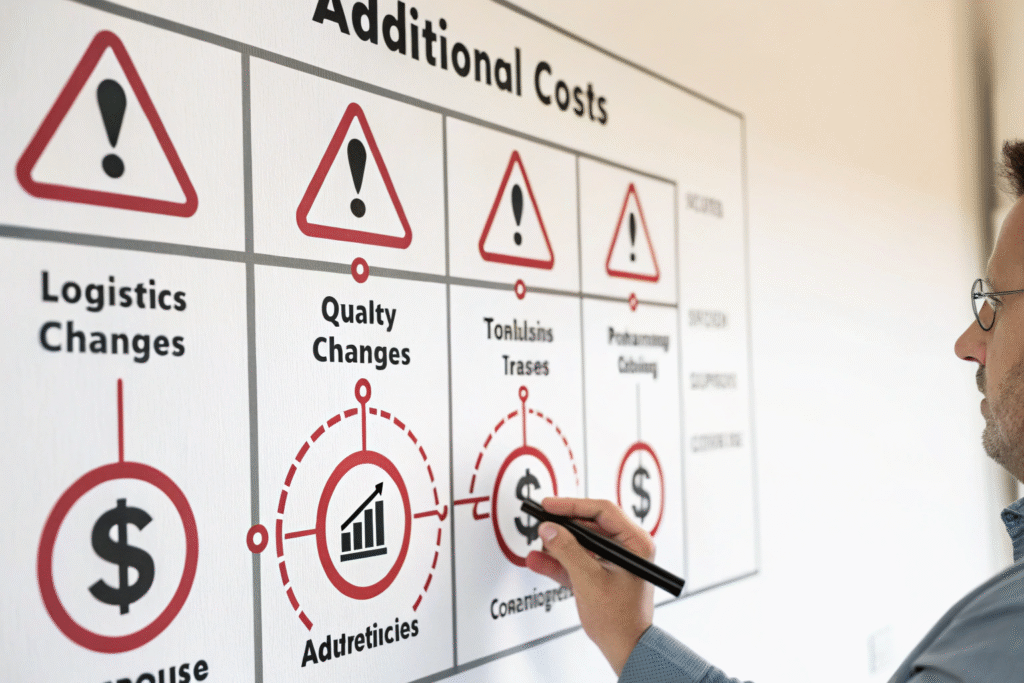
What Potential Additional Costs Should You Anticipate?
Even detailed estimates may not account for all potential additional costs. Understanding common supplementary charges helps you budget more accurately and negotiate better terms.
Experienced brands anticipate these potential costs and address them during the estimate review rather than being surprised later.

What shipping and logistics costs might emerge?
Common additional logistics expenses include:
- Customs duties and import taxes for different markets
- Insurance costs for raw materials and finished goods
- Storage fees for delayed shipments or early arrivals
- Documentation charges for specialized certificates
A European brand was surprised by $8,200 in additional charges for phytosanitary certificates and specialized documentation for their organic cotton shipments. Asking about logistics cost components during estimate review prevents such discoveries.
What change and revision costs should you expect?
Modification-related costs often include:
- Sample revision charges beyond an agreed number
- Design change costs after production begins
- Material substitution fees if preferred materials are unavailable
- Rework expenses for factory-caused versus brand-requested changes
A contemporary brand avoided $15,000 in unexpected charges by specifically asking about their estimate's change policy before signing their agreement. This proactive approach to managing production changes saved their budget and timeline.
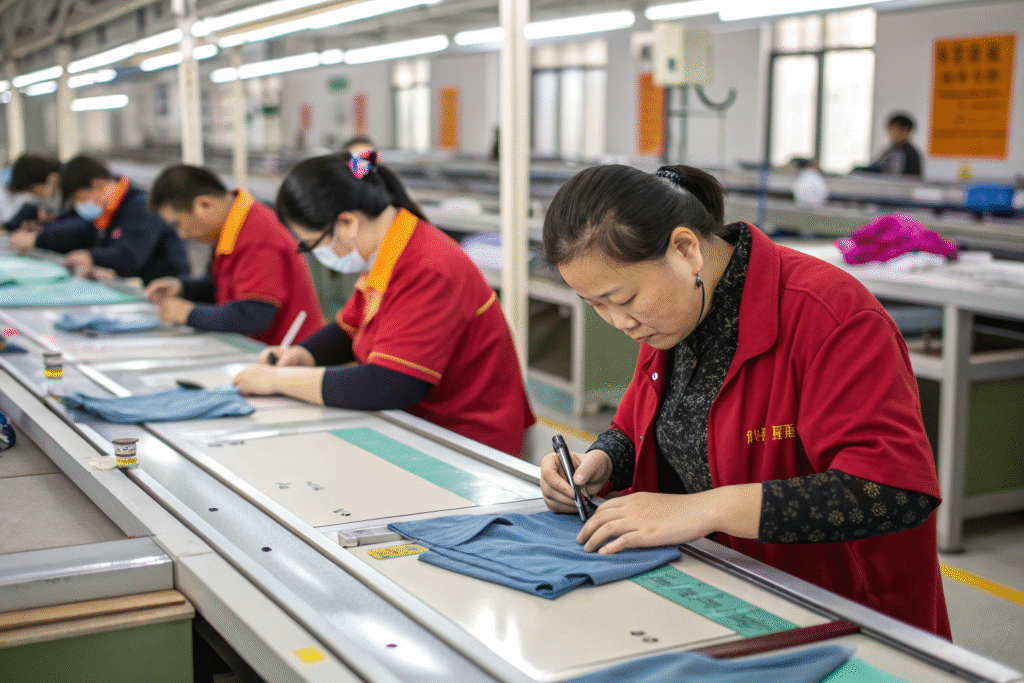
How Does The Estimate Address Quality Control?
Quality control processes significantly impact both costs and outcomes, yet many estimates provide minimal detail about inspection standards, testing protocols, and defect resolution.
Understanding the quality framework behind an estimate helps you evaluate whether the proposed approach matches your standards and expectations.
What inspection processes are included?
Key quality questions to ask include:
- AQL levels for initial sampling and final inspection
- Inspection points throughout the production process
- Testing protocols for fabrics, trims, and finished garments
- Documentation provided with shipment
A luxury brand discovered their estimate assumed AQL 2.5 inspection when their quality standards required AQL 1.0, representing a significant difference in inspection intensity and cost. Understanding AQL standards in apparel ensures alignment on quality expectations.
How are quality issues addressed and priced?
Quality resolution questions should cover:
- Defect classification system and acceptable rates
- Rework process and cost responsibility
- Rejection policies for non-conforming goods
- Liability for quality failures after delivery
When a workwear brand received defective garments, they faced a lengthy dispute because their estimate didn't clearly define quality failure responsibilities. Establishing clear quality accountability during estimate review prevents such conflicts.
What Communication and Project Management Is Included?
The estimate should clarify communication protocols, project management responsibilities, and administrative support. These elements significantly impact production smoothness but are often overlooked in cost evaluations.
Clear communication frameworks prevent misunderstandings and ensure issues are addressed promptly throughout production.
What reporting and updates are provided?
Communication details to clarify include:
- Regular progress reports and update frequency
- Issue escalation process for problems or delays
- Key contact persons for different aspects of production
- Meeting schedule and participation expectations
An e-commerce brand avoided potential disaster by asking about communication protocols, discovering their estimate included only monthly updates when they needed weekly progress reports for their inventory planning. Establishing project communication standards ensures information flow matches your needs.
What administrative support is included?
Administrative elements to verify:
- Documentation preparation for shipping and customs
- Sample management and approval workflow
- Change order process and documentation
- Final documentation package contents
A startup was surprised to learn their estimate excluded the substantial administrative work required for their complex international shipping documentation. Clarifying administrative support scope prevents unexpected workload or costs.
Conclusion
Thoroughly questioning a clothing production estimate transforms it from a simple price quote into a comprehensive production blueprint. By asking targeted questions about cost components, assumptions, potential additional charges, quality control, and communication protocols, you uncover critical details that impact your budget, timeline, and quality outcomes. The most successful manufacturing partnerships begin with this detailed alignment during the estimate review process.
Systematic estimate review prevents costly surprises and establishes clear expectations from the beginning. If you're evaluating production estimates and want to ensure no detail is overlooked, Shanghai Fumao provides transparent, comprehensive estimates with clear answers to all these critical questions. Contact our Business Director, Elaine, at elaine@fumaoclothing.com to receive a detailed production estimate that stands up to even the most thorough examination.