You’ve designed a delightful children’s clothing line—soft fabrics, playful prints, and safe, durable construction. But when the shipment arrives from your manufacturer, the garments are stuffed into flimsy, crinkly polybags that feel cheap and are a hassle to open, or worse, the packaging poses a safety risk. For parents, the unboxing experience is part of the product. In kids wear, packaging isn’t just about protection; it’s about safety, sensory experience, and aligning with the values of conscious parents.
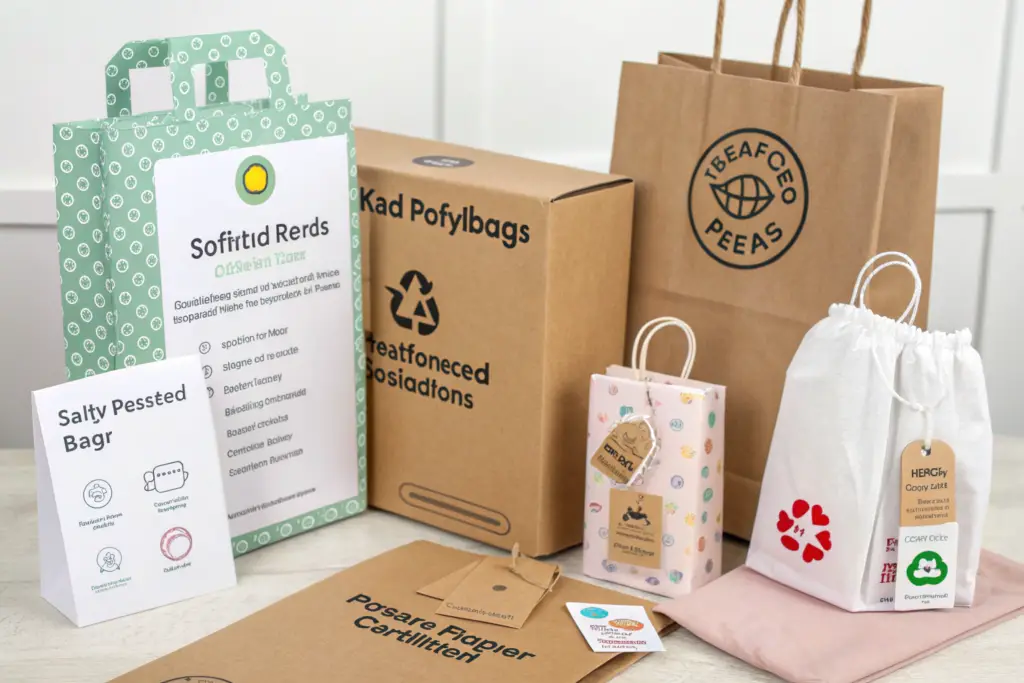
For kids wear, we use a specialized selection of packaging materials that prioritize safety, durability, and sensory appeal. This includes softer, low-noise polybags or recyclable paper bags, reinforced cartons, safety-secured hangtags, and compliant labeling. The materials are chosen to be child-friendly, parent-approved, and robust enough to protect delicate garments through the supply chain.
Selecting the right packaging is a critical part of the product development process for children’s apparel. Let’s explore the specific materials, safety standards, and thoughtful details that go into packaging your kids’ collection.
Why Is Safety the Foremost Consideration in Kids Wear Packaging?
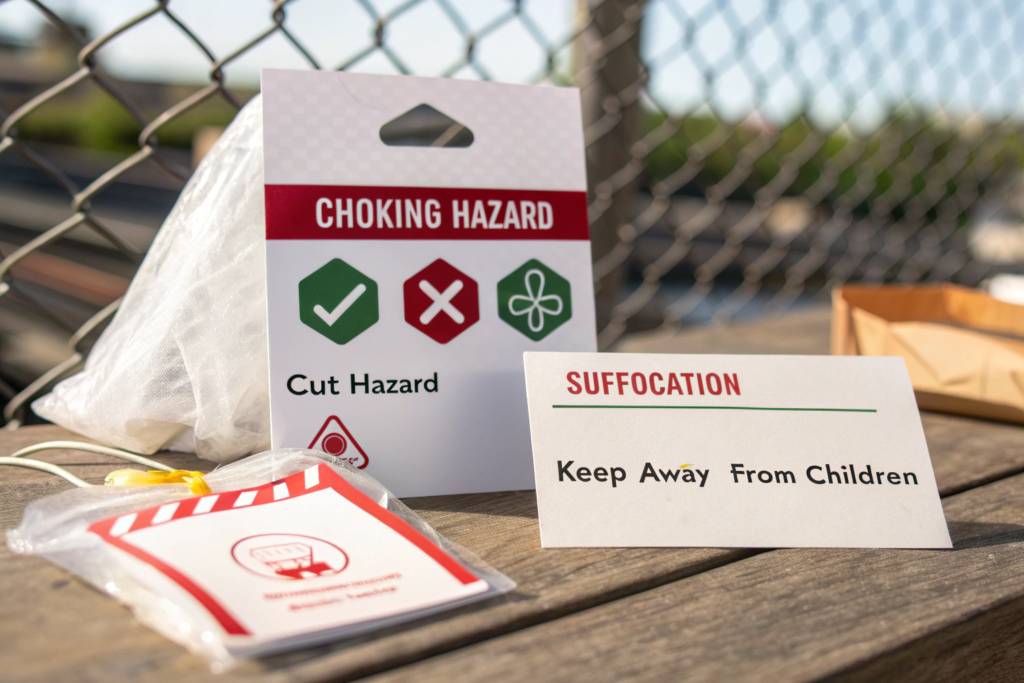
Children’s products are governed by stringent regulations and heightened parental scrutiny. Packaging is the first thing they interact with, and any element that could pose a choking, suffocation, or laceration hazard is unacceptable.
Safety is paramount because kids are curious and may interact with packaging directly. We eliminate risks by using materials that are non-toxic, avoiding small, loose parts (like certain tag fasteners), ensuring all edges are smooth, and using breathable materials where applicable. Compliance with standards like CPSIA in the USA is just the starting point; we go beyond to consider practical use.
What Are the Critical Safety Specifications?
- Polybag Thickness & Warnings: We use polybags that are a minimum of 1.5 mils thick (often more) to reduce tear risk and are clearly printed with suffocation warnings (“Warning: To avoid danger of suffocation, keep this bag away from babies and children.”) as per regulation. For higher-end lines, we recommend perforated bags that allow air flow.
- Hangtag and Fastener Safety: We avoid small plastic “T-bar” or “sword” fasteners that can detach. Instead, we use:
- Secure, continuous-loop strings (cotton or satin) that are tightly knotted.
- Staple-free attachment methods where the tag is looped through a buttonhole or label.
- For infants’ wear, we often recommend direct printing of information onto the garment’s care label, eliminating hangtags altogether.
- Carton and Edge Safety: Inner cartons or inserts have smooth, sanded edges to prevent paper cuts during unpacking by warehouse or store staff.
We recently developed packaging for a premium organic babywear brand that used no polybags at all. Instead, each garment was wrapped in unbleached, undyed muslin cloth secured with a paper tape sticker—a completely plastic-free and safe solution that became a selling point for the brand.
What Are the Best Material Choices for Protection and Sensory Appeal?
Kids’ fabrics are often delicate (fine knits, velour, light cottons) and prone to snagging or pilling. The packaging must protect without damaging. Furthermore, the tactile and auditory experience of opening packaging matters to parents.
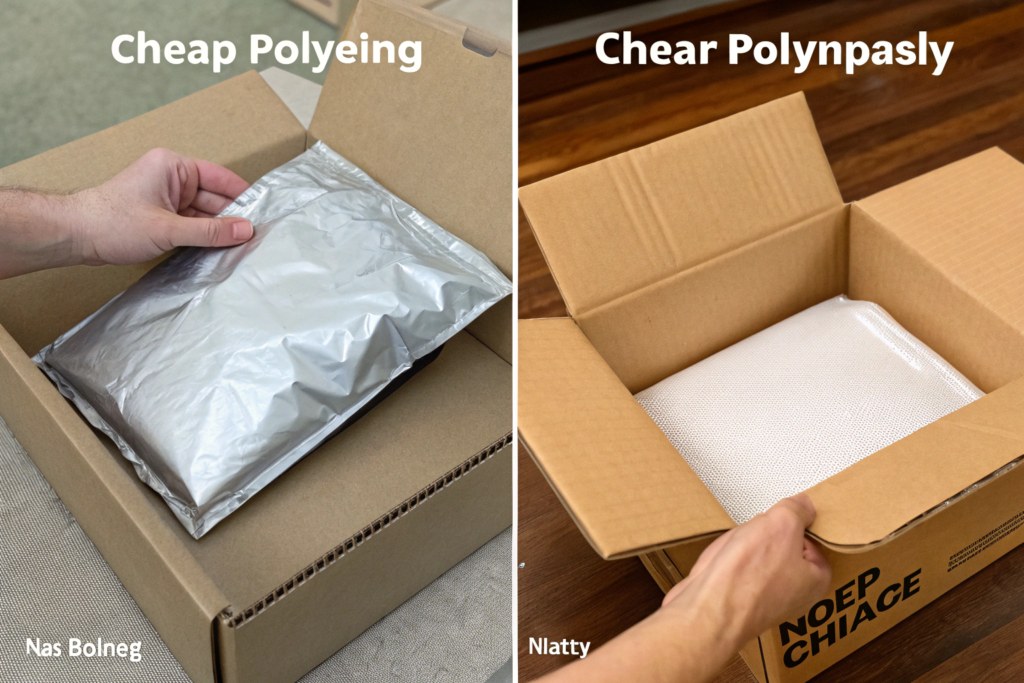
The best materials balance robust protection with a pleasant user experience. We recommend matte or soft-touch polybags (quieter and less staticky than glossy bags), acid-free tissue paper for layering and presentation, and double-walled or reinforced cartons for heavyweight items like winter coats or sets.
How Do Material Choices Prevent Garment Damage?
- Anti-Snag Polybags: Standard polybags can have rough inner seams that catch on delicate fabrics like lace or velvet. We source bags with sealed, smooth edges.
- Color-Bleed Protection: For dark or brightly dyed garments, we use oxidation-resistant or white opaque polybags to prevent color transfer from the bag to the garment, which can happen with certain recycled plastics.
- Moisture Barrier: For long sea freight voyages, we can use anti-moisture polybags with desiccant packets included to prevent mold and mildew, which is crucial for organic cotton items.
A client shipping plush toddler robes had issues with the fabric “pilling” against standard bags during transit. Switching to our recommended soft, non-woven PP (polypropylene) garment bags completely eliminated the problem, as the bag’s interior was as smooth as fabric.
Why Consider Sensory Appeal?
Parents appreciate thoughtful details. A loud, crinkly bag can startle a sleeping baby. A matte, soft-touch bag feels premium and is quieter to open. Crisp, FSC-certified tissue paper feels clean and safe. These subtle cues communicate care and quality, aligning with the brand values of products meant for children.
How Does Packaging Support Sustainability and Consumer Values?
Modern parents are increasingly eco-conscious. They seek brands that align with their values, and excessive or non-recyclable packaging is a major turn-off. Sustainable packaging is a powerful brand differentiator in the kids’ wear market.
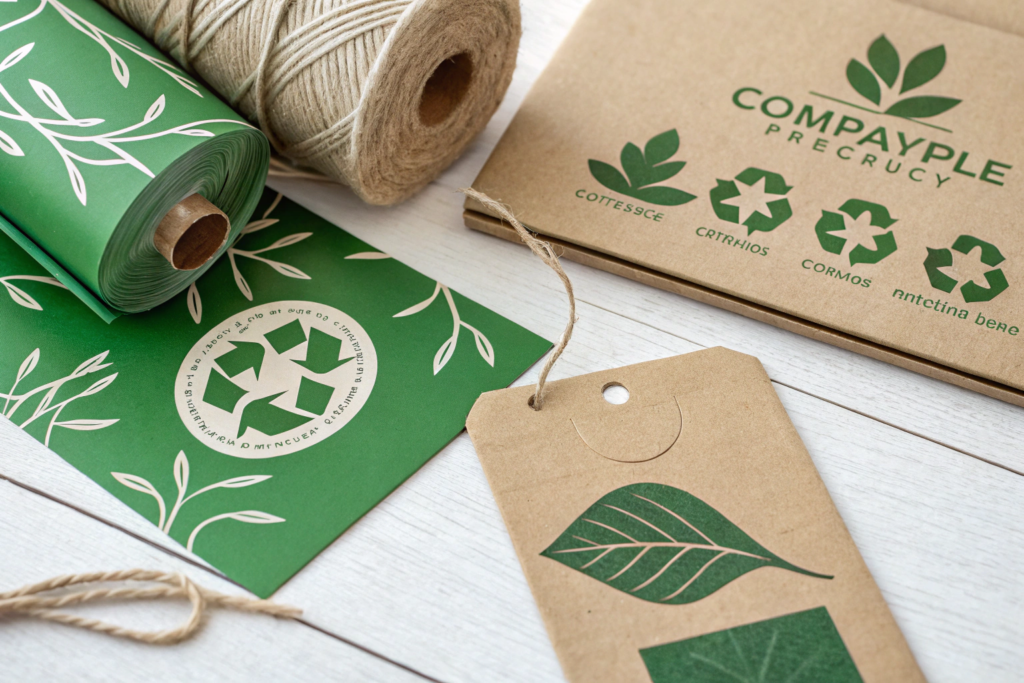
We support sustainability by offering a range of eco-friendly material alternatives: recycled and recyclable polybags, biodegradable/compostable bags (like PLA made from cornstarch), soy-based ink for printing, recycled cardboard cartons, and seed paper hangtags. We help brands choose the right balance of cost, performance, and environmental impact.
What Are the Practical Options for Eco-Conscious Brands?
- Recycled Content Polybags: Bags made with a high percentage of post-consumer recycled (PCR) plastic. They perform well and have a lower carbon footprint.
- Paper-Based Alternatives: For items that don’t need a moisture barrier, kraft paper bags or cardboard bands are excellent. They are fully recyclable and have a natural look.
- Reduced Packaging: The most sustainable option is to use less. We can design minimalist packaging that uses smaller bags, less tissue, and optimized carton sizes to reduce waste.
We partnered with a children’s outdoor brand to create a “zero-plastic” pack. Each item was folded around a recycled cardboard insert, wrapped in a paper band printed with soy ink, and shipped in a recycled carton. The packaging itself became part of the brand’s story.
How Do You Communicate Sustainability on the Package?
We help clients include clear end-of-life instructions on their packaging, such as “Recycle with Plastic Bags” or “This bag is compostable in industrial facilities.” This educates the consumer and ensures the packaging’s sustainable intent is realized.
What Are the Compliance and Labeling Requirements for Kids Wear?
Children’s apparel has specific, mandatory labeling requirements that vary by country. The packaging and the labels on the garment are legal documents. Getting this wrong can result in fines, seizures, or recalls.
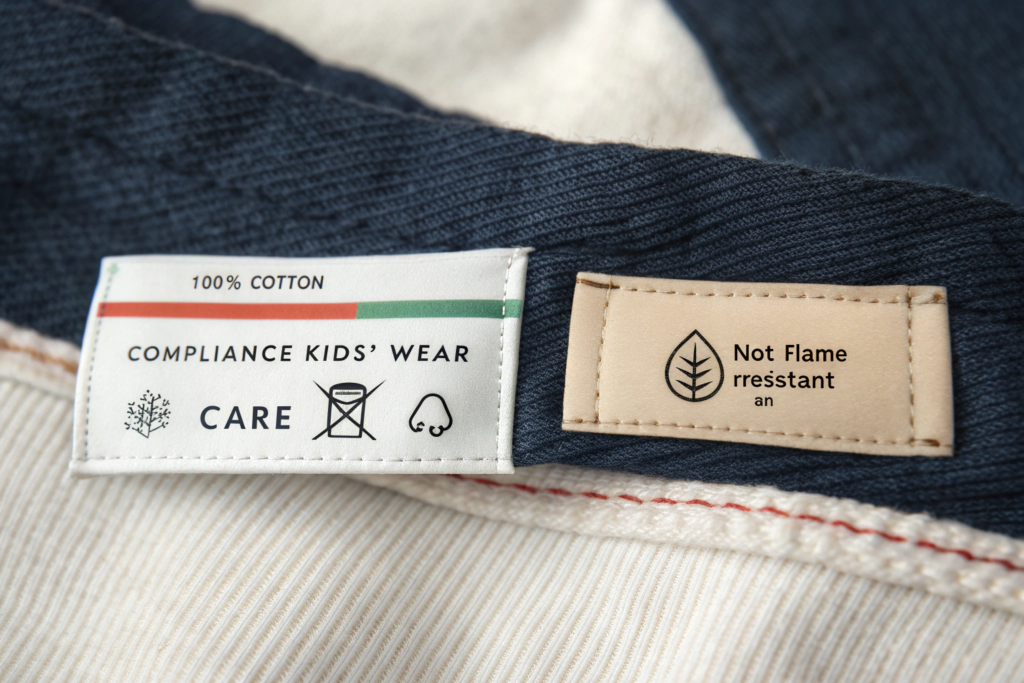
Compliance labeling is non-negotiable. We ensure all permanent care labels and temporary hangtags meet the regulations of the destination market (e.g., CPSIA for USA, UKCA/CE for UK/EU). This includes tracking labels with batch information, fiber content, care instructions, and country of origin. Our expertise ensures your packaging and labels are fully compliant.
What Must Be on a CPSIA-Compliant Label?
For the U.S. market, every children’s product (under 12) must have a permanent tracking label that includes:
- Manufacturer or private labeler name.
- Location and date of production.
- Detailed batch, run, or lot number.
- Any other identifying information.
This information must be on the product and its packaging where practicable. We integrate this data into our label printing and carton marking systems to ensure full traceability.
How Does Packaging Relate to Flammability Standards?
While the fabric itself must meet flammability standards (like CPSC 16 CFR Part 1610), packaging plays a role in communication. For certain items, warnings may be required. Furthermore, we ensure packaging materials themselves are not highly flammable. Our material safety data sheets (MSDS) for inks and plastics confirm compliance.
Conclusion
Packaging for kids wear is a specialized discipline that intertwines safety, sensory design, sustainability, and strict compliance. It requires a manufacturer who thinks like a parent and a regulator, not just a producer. At Shanghai Fumao, we have developed expertise in this niche because we understand that the box and bag are as much a part of your product’s promise as the stitches themselves.
By choosing a partner who offers thoughtful, safe, and compliant packaging solutions, you protect your young customers, satisfy their parents, and build a brand known for its integrity and care. It’s an investment that pays dividends in trust and loyalty.
If you are developing a children’s clothing line and want packaging that reflects the quality and safety of your products, let’s discuss the optimal materials for your collection. Contact our Business Director, Elaine, at elaine@fumaoclothing.com.