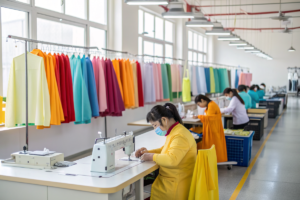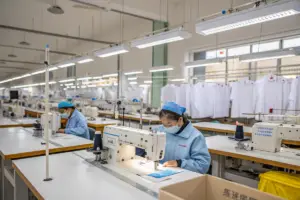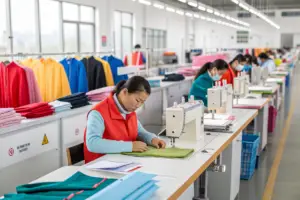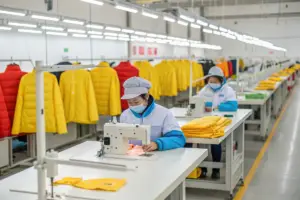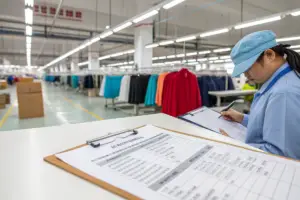
Every brand wants their order fast. But production timelines are more than just a number—they impact launch dates, sales plans, and customer trust.
Our clients often ask about production timelines because timely delivery shapes product launches, restocks, marketing campaigns, and brand reputation.
In my early days, I underestimated how much timing mattered. A two-week delay meant one client missed their seasonal campaign entirely. Since then, we’ve made transparency and flexibility in timelines a top priority.
How do you ask a client for a timeline?
When working with clients, clarity is everything. If we don’t understand their schedule, we risk delivering too early—or too late.
To ask a client for a timeline, we use clear, simple questions that cover their product launch date, buffer time, key milestones, and any non-negotiable deadlines.

Why do clear conversations about delivery timelines1 prevent production mistakes?
Some clients say “ASAP.” But ASAP means different things to different teams. We’ve learned to ask specific questions:
- When do you plan to launch the product?
- What is your last acceptable delivery date?
- Do you need samples or content creation before launch?
- Is shipping by air or sea?
Once, a client wanted delivery by July 15—but needed photos by June 30. Without asking, we might have shipped too late for their marketing.
What tools or templates can factories use to gather client timelines efficiently?
We now use a standard onboarding form2. It includes:
| Question | Purpose |
|---|---|
| Target delivery date | Main planning anchor |
| Campaign or launch date | Helps us reverse-plan production |
| Shipping method | Air is faster, sea takes weeks |
| Sample approval deadline | Ensures bulk doesn’t get delayed |
By collecting these details early, we sync our calendar with theirs—avoiding last-minute panic.
What is the timeline of production?
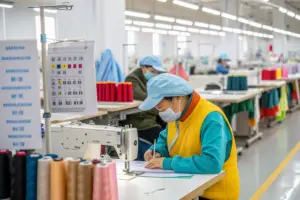
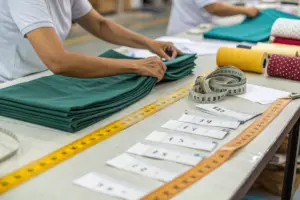
Production is more than sewing. It includes material prep, testing, sampling, packaging, and logistics.
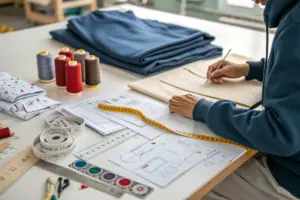
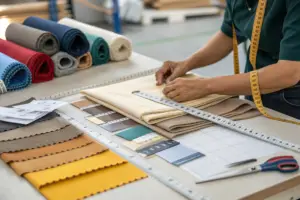
A typical clothing production timeline includes 6 key phases: material sourcing, pattern making, sampling, bulk production, finishing, and delivery.
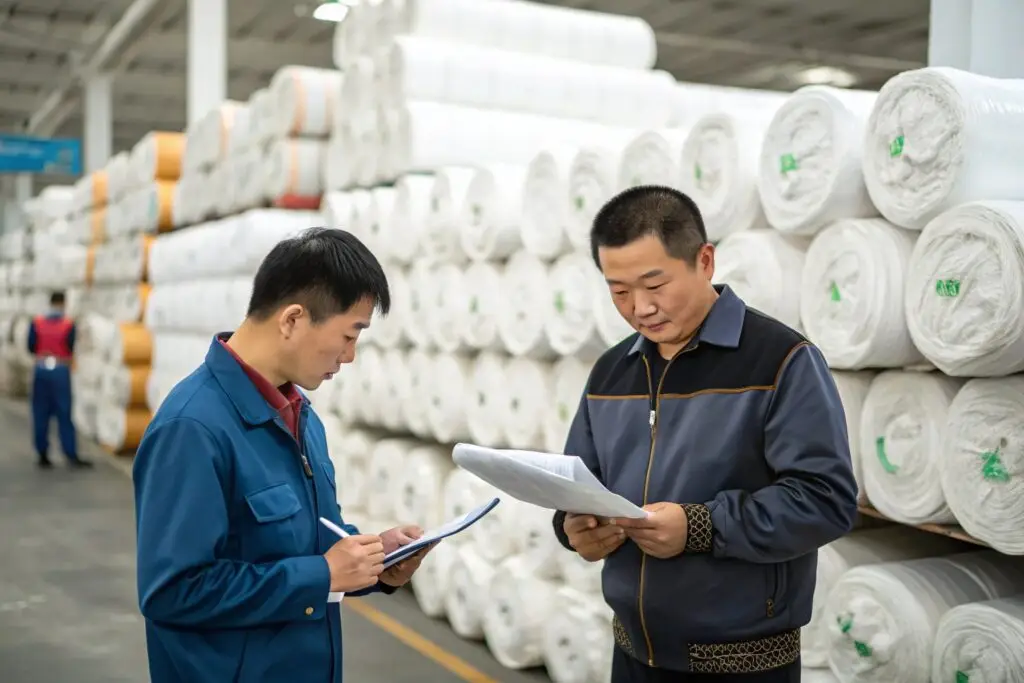
What are the key stages in a standard apparel production timeline and how long do they take?
Here’s our average timeline for a 500-piece order:
| Stage | Time Required |
|---|---|
| Fabric sourcing3 | 5–10 days |
| Pattern & tech pack finalization | 3–5 days |
| Sample development | 7–10 days |
| Bulk production | 15–30 days (depends on style) |
| Final checks + packing | 3–5 days |
| Shipping | 3–35 days (air vs sea) |
This gives you a total of 40–65 days end-to-end. That’s why we always ask clients to plan 2–3 months ahead.
How do unexpected delays4 (like fabric issues or weather) affect production timelines?
Delays can come from:
- Fabric dyeing problems
- Unexpected quality control rework
- Holiday closures
- Port strikes or customs checks
We recommend every client includes a 7–10 day buffer5 in their timeline. This keeps launches on track even if a surprise pops up.
What is the main purpose of asking your clients questions?
Asking questions builds alignment. The more we understand, the better we can serve.
The main purpose of asking clients questions is to clarify expectations, avoid mistakes, speed up approval, and ensure production aligns with brand timelines.

Why does asking the right production questions6 improve results for both factory and client?
Too many issues start with assumptions. When we ask:
- “Do you prefer folded or hanging packaging?”
- “Should we include branded labels or plain ones?”
- “Do you need hangtags attached?”
We avoid:
- Repacking costs
- Unused labels
- Delayed customs clearance
Every clear answer saves hours—or days—down the line.
What are the top 5 questions we ask every brand before production?
- What is your deadline for delivery?
- Do you need samples before bulk?
- Are there any fabrics or trims you already use?
- Do you have a tech pack7, or should we help build one?
- What shipping method do you prefer?
These five unlock every key timeline question and reduce back-and-forth communication.
What is customer timeline?
We all talk about our deadlines. But smart brands and factories focus on the customer’s timeline—the end goal.
A customer timeline includes the full journey from placing an order to receiving the product and using it for business goals like launches, campaigns, or seasonal sales.

Why is the customer timeline more than just a delivery date?
A brand’s customer timeline8 includes:
| Milestone | What It Means |
|---|---|
| Sample arrival | Approves fit, triggers bulk |
| Photo shoot deadline | For ads, social media |
| Product launch | Website or store release |
| Resale delivery | When their customers expect items |
Missing any of these events creates stress, lost revenue, or brand damage.
That’s why we align our calendar with the full vision—not just the shipping date.
How do we adjust our workflow to meet each customer’s timeline?
We offer:
- Split deliveries: Air for samples, sea for bulk
- Rush sampling: 5-day development when needed
- Custom packing plans: Ready-to-sell items on arrival
- Real-time updates: Weekly timeline checks via shared sheet
One client needed a surprise Valentine’s Day collection. We moved fast, shipped partial via air, and saved their campaign. Timeline alignment made it happen.
Conclusion
Production timelines aren't just about when things get made. They're about how brands grow, launch, and succeed. By asking smart questions, building flexible plans, and aligning with your customer timeline, we turn deadlines into opportunities.
-
Understanding effective delivery timeline management can help prevent costly production mistakes and ensure client satisfaction. ↩
-
A well-structured onboarding form can streamline communication and project management, leading to smoother operations. ↩
-
Understanding fabric sourcing timelines can help you plan your production schedule effectively, ensuring timely delivery. ↩
-
Exploring this topic can provide insights into managing risks and maintaining production schedules despite unforeseen challenges. ↩
-
Learning about the importance of a buffer can help you mitigate risks and ensure smoother project execution. ↩
-
Understanding the impact of production questions can enhance efficiency and client satisfaction. Explore this resource for deeper insights. ↩
-
Discover the significance of a tech pack in ensuring accurate production and reducing errors in manufacturing. ↩
-
Understanding the customer timeline is crucial for effective project management and ensuring timely delivery of products. Explore this link to learn more. ↩