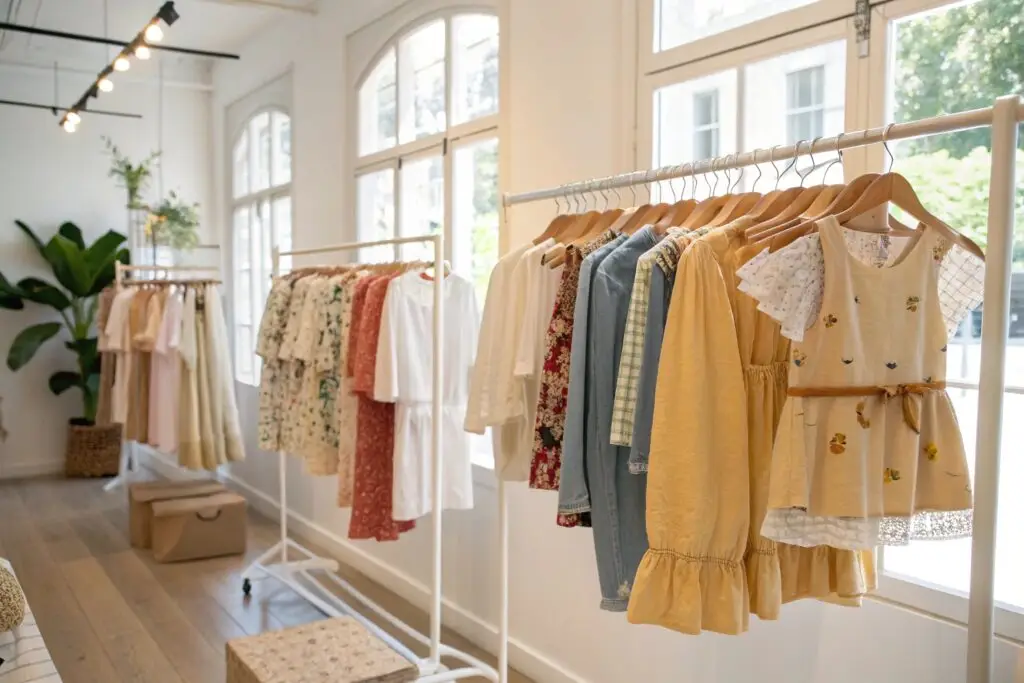
Fast-growing kids. Seasonal demand. And overstuffed closets. Traditional retail leaves many parents frustrated and wasteful.
Rental fashion changes everything by offering temporary access instead of permanent ownership—reducing waste, lowering costs, and helping brands operate leaner.
I've spent years working with brands on both sides—rental startups and traditional retailers. From production lines to logistics, I see how differently the models work. And these differences matter deeply for your business decisions.
Key Business Model Differences in Rental vs. Retail?
Too many startups copy retail structures when trying to launch rental brands—and fail. Why?
Rental fashion uses a circular system where garments rotate between users, while traditional retail relies on one-time sales. These differences reshape everything from revenue to returns.
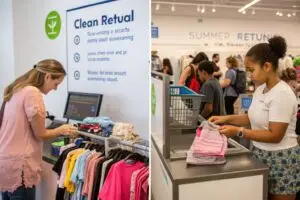
How does the revenue structure of rental fashion reshape planning, pricing, and product design?
In traditional retail, revenue is linear. You sell one item to one customer, then move on. But rental fashion thrives on repetition. One garment may generate income five, ten, or even fifteen times.
Here’s a simplified breakdown:
| Metric | Rental Fashion | Traditional Retail |
|---|---|---|
| Revenue Source | Recurring (per use or subscription) | One-time transaction |
| Asset Lifecycle | Multi-use, rotation | One-time use by customer |
| Product Recovery | Yes (returned & re-used) | No (customer keeps) |
| Design Focus | Durability, timelessness | Trendiness, impulse appeal |
| Logistics Need | Reverse logistics required | One-way fulfillment |
Rental fashion acts like a service, not a sale. This demands:
- Strong customer tracking
- Reversible packaging
- Durability in construction and fabric
- Stain-resistant finishes or darker tones to mask wear
And the implications for small brands? If you plan right, one batch of 500 rompers can serve over 2,000 babies in 2 years.
What operational habits do successful rental brands adopt that retail brands often ignore?
Rental startups build around circularity. That means:
- Barcode scanning for each outgoing and incoming item
- Damage checklists for garments at return
- Optional insurance plans for end-users
- Partnerships with cleaning providers
As a manufacturer, we adjust stitching, use reinforced seams, and even help some clients design garment tags that don’t fade after multiple washes. Retail doesn’t think about these things. Rental has to.
How Rental Fashion Redefines Inventory Management?
Retail brands constantly deal with deadstock and markdowns. But in rental fashion, the biggest threat is inventory circulation.
Rental fashion flips the inventory model—focusing less on sales velocity and more on garment availability, condition, and turn-around time.
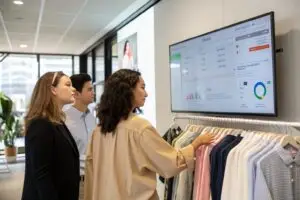
Why does rental fashion require better forecasting and garment tracking than traditional sales?
In retail, once stock is sold, it’s off your books. With rental, you own the inventory long-term. This means:
- You must track how many items are in use, in transit, being cleaned, or in repair.
- You forecast not by unit sold, but by usage rate and return schedules.
A simple example:
Let’s say you have 300 toddler jackets. You rent each for a 14-day period. That means, at full capacity, each item can be rented out ~25 times per year. That’s 7,500 total rentals/year if no delays.
But delays happen:
- Late returns
- Missing parts (e.g., lost buttons)
- Stains requiring extra cleaning
Your real rental rate might drop to 70% efficiency. Planning requires you to:
- Keep spare items on hand for exchanges
- Schedule cleaning windows
- Monitor usage lifespan
What garment-level data do rental businesses need that traditional brands can afford to ignore?
You must track:
- Garment age: How many rentals has this item gone through?
- Condition rating: Is it like-new, fair, or near-retirement?
- Replacement cycle: When does it need retiring?
We support brands by adding QR-coded labels and NFC chips into collars or tags. These track every cycle, auto-log cleaning dates, and notify warehouse staff when items need repairs.
| Data Point | Needed for Rental? | Needed for Retail? |
|---|---|---|
| Wear & Tear Tracking | ✅ Yes | ❌ No |
| Cleaning History | ✅ Yes | ❌ No |
| Rental Turnaround | ✅ Yes | ❌ No |
| Garment Circulation | ✅ Yes | ❌ No |
Retail is about one clean transaction. Rental is about many messy ones. You need systems in place to manage the movement, condition, and visibility of each garment.
Customer Behavior Shifts Between Renting and Buying?
Parents behave differently when they rent clothes. Their goals, expectations, and loyalty patterns change.
Renters prioritize utility, sustainability, and variety—whereas buyers lean on ownership, resale value, and emotional connection.
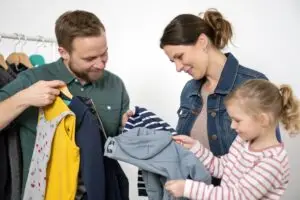
What mindset changes do parents experience when choosing rental over retail for kids' clothes?
When buying, parents ask:
- Will my child wear this often?
- Is this cute enough for pictures?
- Can I pass it down to siblings?
When renting, they ask:
- Will this arrive clean and on time?
- Can I return it easily?
- What’s the replacement cost if it stains?
This shifts how they interact with your brand. Rental customers:
- Expect fast communication
- Are more sensitive to shipping errors
- Expect flexibility (size swaps, style exchanges)
- Care about cleanliness and packaging consistency
So you, as a brand, must deliver a service—not just a product.
How do loyalty and referrals differ between rental and traditional fashion customers?
Rental customers become long-term subscribers. If you meet expectations, they stay with you for years. Some of our clients have families renting babywear, then toddlerwear, and later schoolwear.
We’ve helped brands build tiered loyalty programs:
- Starter: 1–2 outfits/month
- Premium: 4–5 outfits/month + early access
- Eco-Champion: Customers who refer others earn free rental credits
In retail, loyalty is harder. You compete on price. In rental, you compete on trust and service consistency.
| Behavior Type | Rental Customers | Retail Customers |
|---|---|---|
| Brand Loyalty | High (subscription-based) | Moderate (promotion-driven) |
| Decision Criteria | Cleanliness, Fit, Value | Style, Price, Size |
| Feedback Cycle | Ongoing | One-time |
| Referral Likelihood | High if service is smooth | Low unless incentivized |
Why Profit Margins Vary in Rental and Retail Fashion?
Everyone assumes rental is less profitable. But is that really true?
Rental fashion profits come from lifetime value, not one-time margins. While individual transactions may be lower, long-term returns often exceed retail—if managed properly.

How do cost structures compare between rental and retail kidswear businesses?
Let’s break it down:
| Cost Component | Rental Fashion | Retail Fashion |
|---|---|---|
| Production Cost | Similar per item | Similar per item |
| Fulfillment | Higher (returns + re-pack) | Lower (one-way shipping) |
| Customer Service | Higher (subscriptions) | Lower (single support) |
| Inventory Turns | Multiple per item | One time |
| Long-Term Value | High (recurring use) | Low (single purchase) |
You invest more upfront in systems:
- Return infrastructure
- Cleaning partnerships
- Tracking tech
But your items earn revenue repeatedly. For example, one $8 garment rented 12 times earns $96. Deduct $2 per cycle in operations and shipping. You still walk away with ~$72 in net revenue—9x return on a single piece.
What pricing strategies help rental brands stay profitable without scaring away parents?
Pricing must balance value and simplicity. We advise clients to use:
- Tiered plans (Basic, Standard, Premium)
- "Keep it" options with discount pricing
- Flat-fee shipping bundles (rent 3 items, pay 1 delivery fee)
- Loss protection plans
You can also monetize:
- Late fees (gracefully)
- Garment resale (if items don’t return in great shape)
- Add-ons (holiday accessories, matching headbands)
And remember: parents renting are already cost-conscious. Show them that a $25/month plan replaces $200+ in seasonal shopping.
Conclusion
Rental fashion flips everything—from how we design and price, to how we manage inventory and serve parents. Brands that adapt to this circular mindset stand to earn not just profits, but long-term loyalty in a changing market.