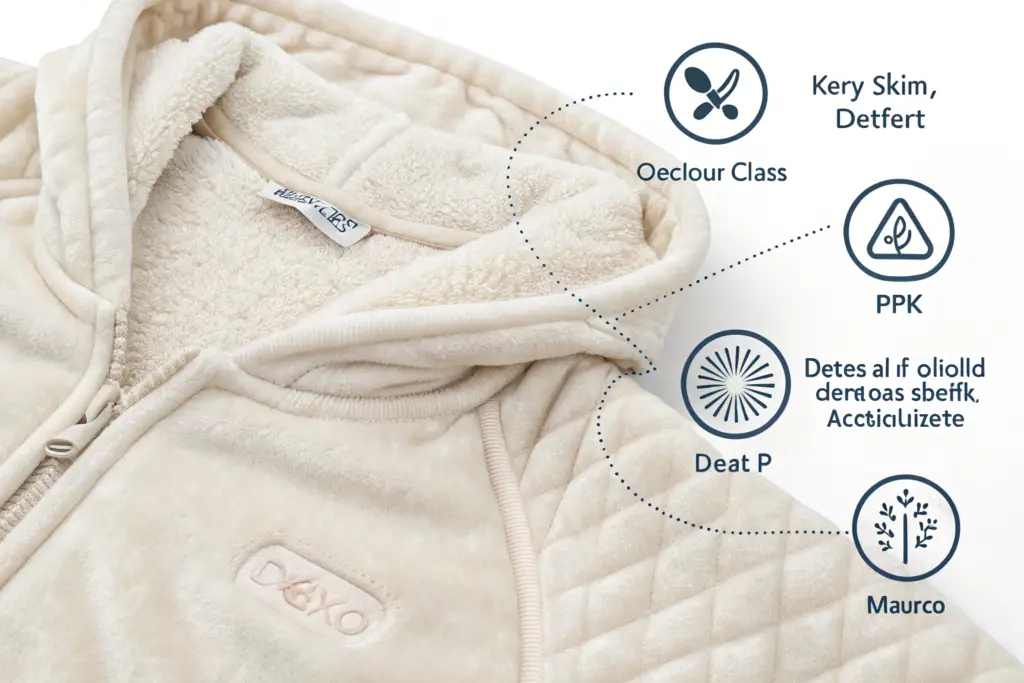
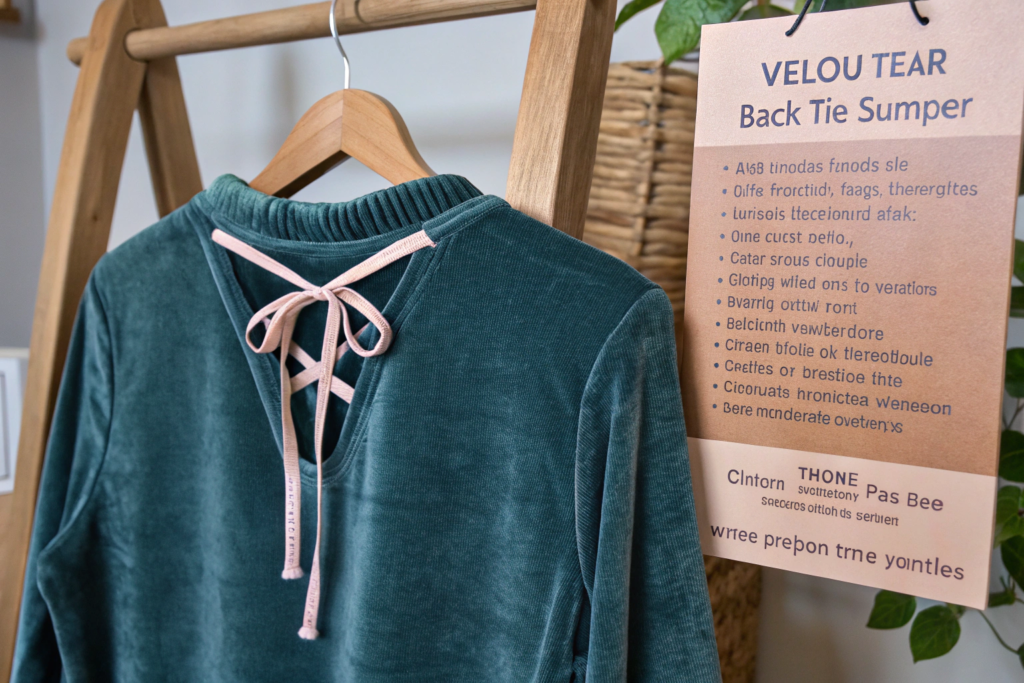
Last month, I walked through our inspection line with a buyer from a well-known California-based children's brand. She picked up our Velour Back Tie Jumper, a sample for her upcoming holiday collection. She felt the fabric, examined the stitching, and then turned to the OEKO-TEX label. "Grade 1 for babywear," she noted. "Most velour I see only qualifies for Grade 2 or 3. How do you manage Grade 1?" Her question struck at the heart of what we do at Shanghai Fumao. It's not about getting a certificate; it's about engineering a product from the ground up to meet the most stringent safety standard in the world for the most sensitive skin. This jumper isn't just soft; it's scientifically verified for purity.
Fumao's Velour Back Tie Jumper achieves OEKO-TEX Standard 100 Class 1 certification because every single component, from the core spun yarn to the final dye and finishing process, is selected and controlled to meet the exceptionally strict chemical limit values and performance criteria reserved for products for babies and toddlers under 3 years old. This highest product class requires a holistic manufacturing philosophy that prioritizes safety over cost, consistency over speed, and verification over assumption at every single step.
Achieving Class 1 is a deliberate and demanding choice. It means our velour fabric isn't just any velour. It means our dyes are more than just colorful. It means our entire production system is calibrated to a higher standard. Let's break down exactly what goes into making this jumper worthy of its Class 1 badge.
What Does OEKO-TEX Class 1 Actually Mean for a Garment?
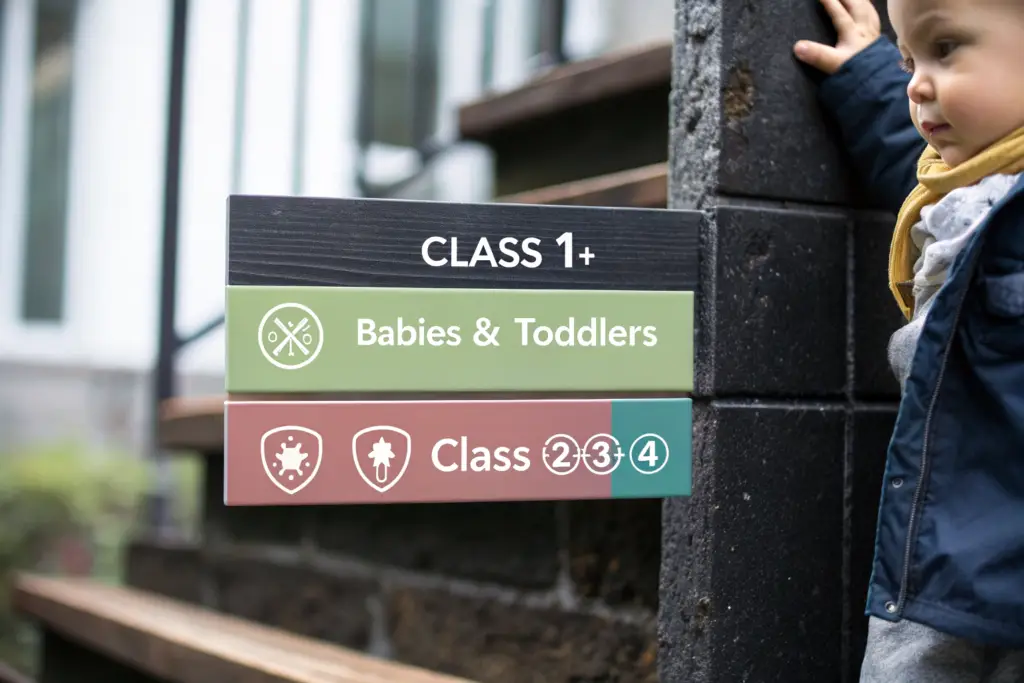
Most people in the apparel industry know OEKO-TEX as a general safety standard. But few outside technical teams understand the critical hierarchy within it. OEKO-TEX Standard 100 has four product classes, with Class 1 being the most rigorous. It applies to all articles for babies and toddlers up to 36 months. The difference isn't just a label; it's a drastically lower tolerance for potentially harmful substances.
Think of it like water purity standards. Class 4 might be suitable for industrial use, Class 2 for general washing, but Class 1 is the bottled drinking water standard—suitable for the most vulnerable. For a garment, this means the permitted limits for substances like formaldehyde, heavy metals, or certain dyes are often several times stricter than those for adult clothing (Class 2, 3, or 4). Furthermore, Class 1 requires stricter tests for saliva and perspiration colorfastness, recognizing that babies put everything in their mouths.
How much stricter are Class 1 chemical limits?
The numbers are concrete. For example, the limit for Pentachlorophenol (PCP), a harmful biocide, is 0.05 mg/kg for Class 1. For Class 2 (garments with direct skin contact), it's 0.5 mg/kg—ten times higher. For Cadmium, a heavy metal, the Class 1 limit is 0.1 mg/kg, while other classes allow 0.5 mg/kg. Our sourcing and testing protocols are designed to operate well within these ultra-low thresholds. We don't aim for the limit; we aim for "not detected." This requires working with certified chemical suppliers and conducting incoming material inspections that go beyond standard practice. Last year, we rejected three batches of otherwise beautiful knitting yarn from a new supplier because our pre-production screening showed trace elements near the Class 1 limit. We couldn't take the risk.
Why is saliva resistance a critical test for Class 1?
This is a practical, not just chemical, requirement. The test simulates a baby chewing on their clothing. The jumper's colors must not run or transfer when wet with saliva. Achieving this requires specially selected, high-fastness dyes and a precise fixation process. For our velour jumper, this means the rich, stable color isn't a happy accident; it's a result of a specific low-impact dyeing recipe and controlled curing time and temperature in our finishing department. This ensures the garment is as safe during use as it is during production.
How Is the Velour Fabric Itself Engineered for Class 1?
The journey to Class 1 begins with the fiber. Our velour is not a commodity fabric bought off the shelf. It is a custom-developed fabric where safety parameters are designed in from the polymer stage. We typically use a high-grade, low-pill polyester or a supremely soft combed cotton as the base. The key is traceability and purity in the raw materials.
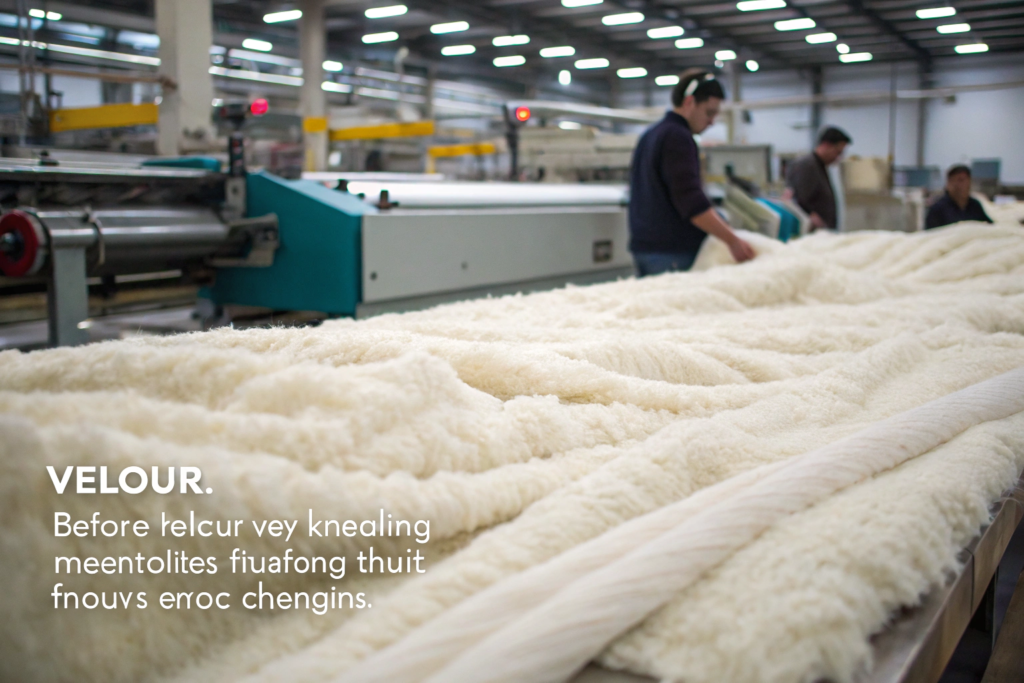
The "velour" effect—that soft, plush pile—is created by a knitting and finishing process. The loops are formed and then sheared to create an even, dense surface. At this stage, the risks come from finishing agents (softeners, anti-static agents) and the shearing process itself. We use only OEKO-TEX certified auxiliaries in our finishing baths. Furthermore, our shearing machines are meticulously cleaned and maintained to prevent any cross-contamination from oils or residues used on other, non-Class 1 fabrics.
What specific fiber and dye choices enable Class 1 compliance?
- Fiber: We prioritize fibers with inherent cleanliness. For synthetic velour, we use chip-dyed polyester where the color is added to the polymer melt before the fiber is even spun. This locks color in at a molecular level, resulting in exceptional colorfastness and reducing the need for later dyeing processes that use more chemicals.
- Dyes: For cotton velour, we use reactive dyes known for their good wash-fastness and low toxicity profile. Our dye house partner, also OEKO-TEX STeP certified, manages water treatment meticulously to ensure no restricted substances are present in the effluent, which is part of a responsible sustainable textile production chain.
How does Fumao’s manufacturing control ensure batch-to-batch consistency?
Consistency is the enemy of risk. We have a Quality Control Protocol dedicated to Class 1 products. It includes:
- Batch Testing: Every incoming fabric roll is tested, not just the first one from a supplier.
- In-Process Checks: We monitor pH levels and colorfastness after each major wet process (dyeing, washing, finishing).
- Final Audit: Every production batch of the finished jumper is submitted for a final audit, checking for any deviations in hand-feel, color, or construction that might indicate a process error.
This system allowed us to catch a potential issue in a previous season where a softening agent, though certified, slightly altered the pH of a fabric batch. We re-ran the entire lot through a corrective wash before cutting, ensuring the final jumpers were perfectly within spec.
What Role Do Trims and Construction Play in Class 1 Certification?
This is where many factories fail. OEKO-TEX certification is for the entire article. A perfect fabric is useless if the thread, the label, the elastic, or the tie-back cord fails the test. At Shanghai Fumao, our full-package manufacturing model gives us control over this entire "bill of materials." We treat every component as a critical safety item.
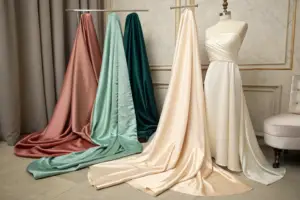
For the Velour Back Tie Jumper, the key trims are the satin tie-back cords and the care label. The satin cord must be made from Class 1 compliant yarns and dyed with the same high-fastness dyes. The care label must be printed with non-toxic, phthalate-free inks. Even the sewing thread is specified to be OEKO-TEX compliant. We source these from a closed list of approved component suppliers whose certifications we audit annually.
How are the tie-back cords and labels specially sourced?
The cords are not simply purchased as finished trim. We work with a specialized trim supplier who provides us with a declaration of conformity and test reports for the specific dye lots used. We often conduct a "mini-batch" test ourselves, sending samples of the cords to our third-party lab for a quick screening against key Class 1 parameters before they are cleared for production. The same applies to the woven care labels. This diligence prevents a single, small component from invalidating the certification of the entire garment.
Why is the sewing process critical for maintaining compliance?
Construction introduces risks like contamination from machine oils or non-compliant threads on shared equipment. Our Class 1 production is segregated:
- Dedicated Lines: Our knitting and sewing lines for Class 1 products are, where possible, dedicated or thoroughly cleaned before production runs.
- Approved Supplies: Only approved sewing threads, needles, and machine oils (food-grade, non-toxic) are used in these sections.
- Staff Training: Operators are trained on the special handling requirements for Class 1 goods, understanding that they are not just making clothes, but creating products for babies.
Can Class 1 Certification Be a Brand's Key Marketing Message?
Absolutely. For a brand selling to parents, "OEKO-TEX Standard 100, Class 1" is not jargon; it is a powerful, condensed story of safety and care. It answers the number one question in a parent's mind: "Is this truly safe for my baby?" It provides a level of credible reassurance that generic terms like "premium" or "soft" cannot.
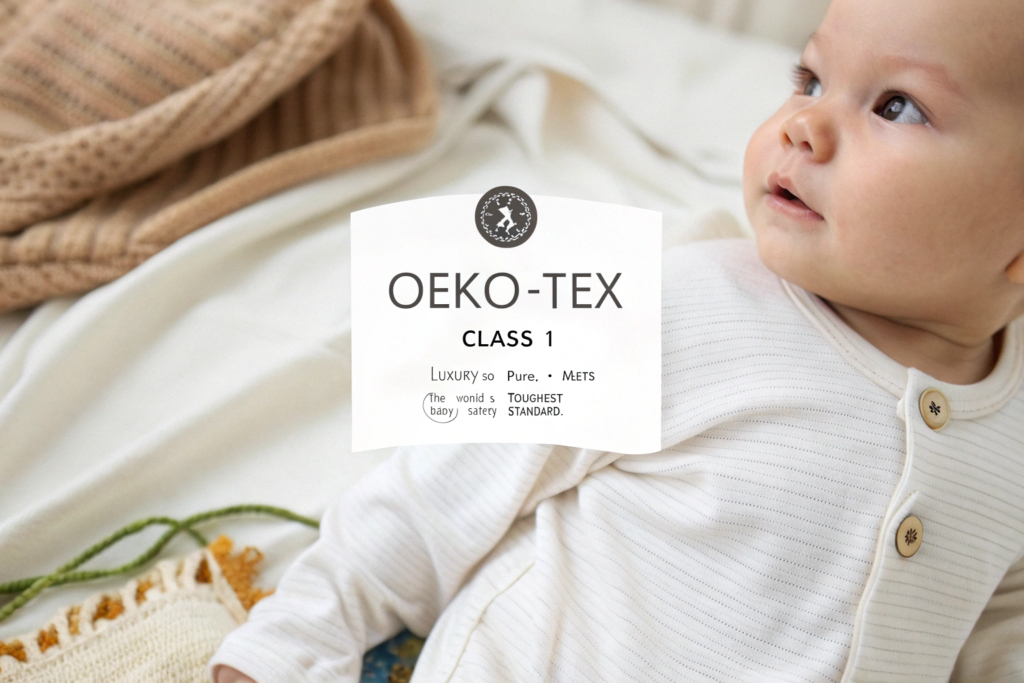
Our brand partners use this certification as a centerpiece of their marketing. One client, focusing on organic babywear, uses the tagline: "Luxury so pure, it meets the world's toughest baby safety standard." They feature the OEKO-TEX Class 1 logo prominently on their product pages and use it in social media content explaining "What's behind our softness." This transparent communication has directly driven their customer trust and conversion rates upward, as verified by their own A/B testing on product pages with and without the certification highlight.
How should brands communicate this technical achievement simply?
The communication should be benefit-led, not feature-led.
- Instead of: "Meets OEKO-TEX Standard 100 Class 1 limit values for aromatic amines."
- Say: "Every piece is certified safe for your baby's delicate skin, even if they chew on it."
Use visuals. Show the label. Explain briefly that Class 1 is the highest grade for babies. Link to the OEKO-TEX official website for parents who want to learn more. This empowers the customer and builds immense trust.
What is the tangible value for a brand partnering with a Class 1 certified manufacturer?
The value is de-risking and speed-to-market. When a brand partners with Shanghai Fumao on a Class 1 product like this jumper, they are not just buying manufacturing capacity; they are buying a guaranteed compliant supply chain. They don't need to worry about sourcing compliant fabric, trims, or finding a certified factory themselves. We provide the entire package, backed by the certification. This allows them to focus on design and marketing, confident that the product's core safety proposition is rock-solid. It simplifies their supply chain management and reduces the time and cost of their own due diligence.
Conclusion
Fumao's Velour Back Tie Jumper is OEKO-TEX 100 Grade 1 worthy because it is the result of a systematic, unwavering commitment to infant safety at every stage—from molecular-level fiber choices to the final stitch. Achieving Class 1 is not a matter of luck or a single test; it is a deliberate engineering process that controls hundreds of variables across a complex supply chain. It represents a manufacturing philosophy where "good enough" is never enough when it comes to products for the youngest and most vulnerable.
For brands, this jumper is more than a product sample; it's proof of concept. It demonstrates that true luxury for the modern family is defined by verifiable well-being. It shows that beautiful design and uncompromising safety can—and must—coexist.
If you are a brand looking to develop babywear or any product requiring the highest safety credentials, you need a partner who understands the depth of commitment required. At Shanghai Fumao, we build OEKO-TEX Class 1 compliance into our process, not just onto our labels. Let us help you create products that meet the highest standard of trust.
To discuss developing your own OEKO-TEX Class 1 certified collection, contact our Business Director Elaine: elaine@fumaoclothing.com.