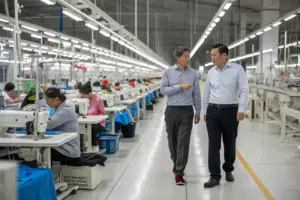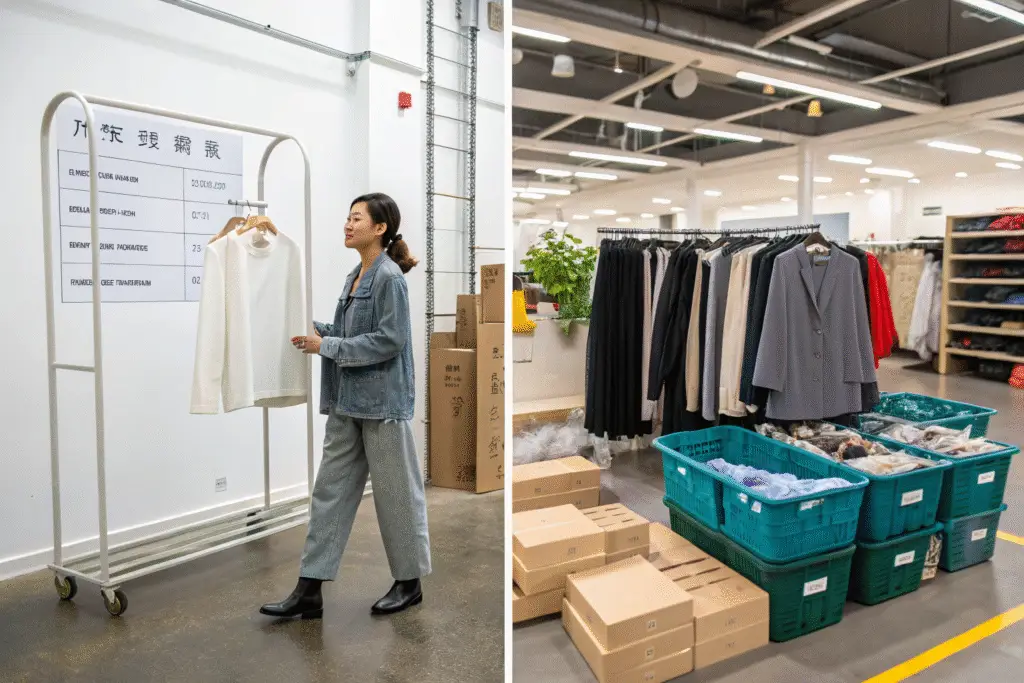
In fashion, “sustainability” has become a buzzword—but few strategies deliver real results like capsule wardrobes. As a manufacturer serving U.S. apparel brands, I’ve watched companies shift from traditional seasonal lines to smaller, smarter capsule collections. The difference isn’t just visible in the warehouse—it’s felt across the entire supply chain.
Capsule collections are more sustainable than traditional lines because they reduce overproduction, limit waste, encourage longer use, and require fewer resources during planning, manufacturing, and fulfillment.
For buyers like Ron, who balance profitability with reputation, capsule thinking offers a sustainable path forward—without sacrificing style or customer satisfaction. Let’s explore the key reasons why capsules lead the way.
How Do Capsules Reduce Overproduction and Deadstock?
Traditional lines often push volume—capsules focus on precision.
By limiting SKUs and repeating proven styles, capsule collections prevent overproduction and reduce unsold inventory that often ends up as waste.
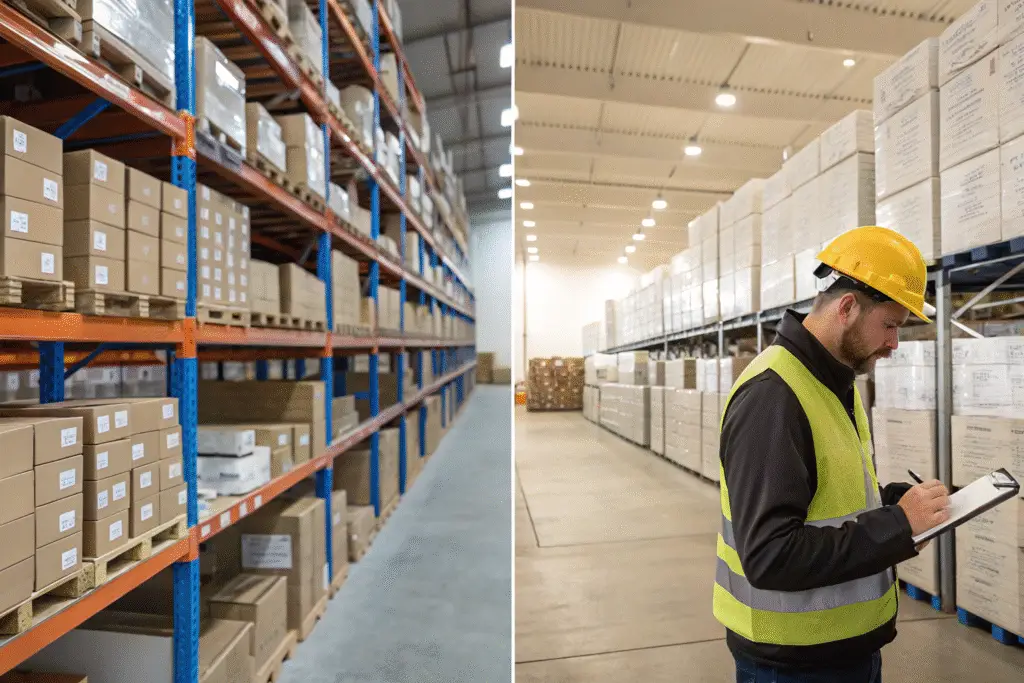
Why Do Traditional Collections Lead to Overstock?
Seasonal drops require brands to guess demand for hundreds of styles. Trends shift, fit issues emerge, and large batches go unsold. These become markdowns, landfill, or warehouse clutter.
According to McKinsey, 30% of clothing produced globally is never sold. That’s a staggering waste of material and energy.
How Do Capsules Avoid This Trap?
Capsule wardrobes revolve around evergreen, high-performance pieces. We often help clients develop a core set of 20–30 styles and refine them over time. This leads to better forecasting, faster replenishment, and minimal excess.
Our clients using capsule logic report up to 90% sell-through within a season. With fewer styles to gamble on, each unit becomes a smarter bet.
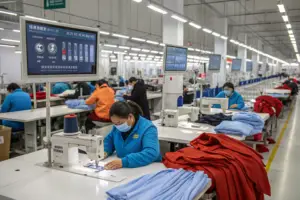
How Do Capsules Use Fewer Resources in Sampling and Production?
Waste isn’t just in the warehouse—it starts in the sample room.
Capsule collections require fewer samples, fewer fabrics, and lower trim variety, cutting down on material waste and production energy.

What’s the Impact of Traditional Sampling?
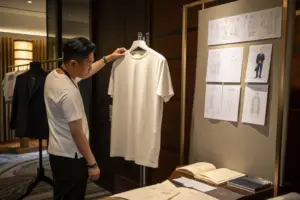
A full seasonal line might need 100–200 samples, each involving fabric sourcing, pattern development, and trial sewing. Many of these samples are never approved and get discarded.
Each sample consumes labor, electricity, and shipping emissions. Even before production begins, the carbon footprint adds up.
Why Are Capsules More Efficient?
Capsule collections usually develop around shared fabric families and consistent silhouettes. Instead of reinventing the wheel, they refine the fit or detail on proven blocks.
We’ve helped capsule clients reduce sampling time by 60%. Instead of sampling 40 styles, we test 8–10 and scale only what works. Fewer samples mean fewer wasted resources and faster time-to-market.
How Do Capsules Support Longer Product Lifecycles?
Sustainability isn’t just about how something is made—it’s how long it’s used.
Capsule garments are worn more frequently and kept longer, increasing use-per-item and reducing consumption cycles.
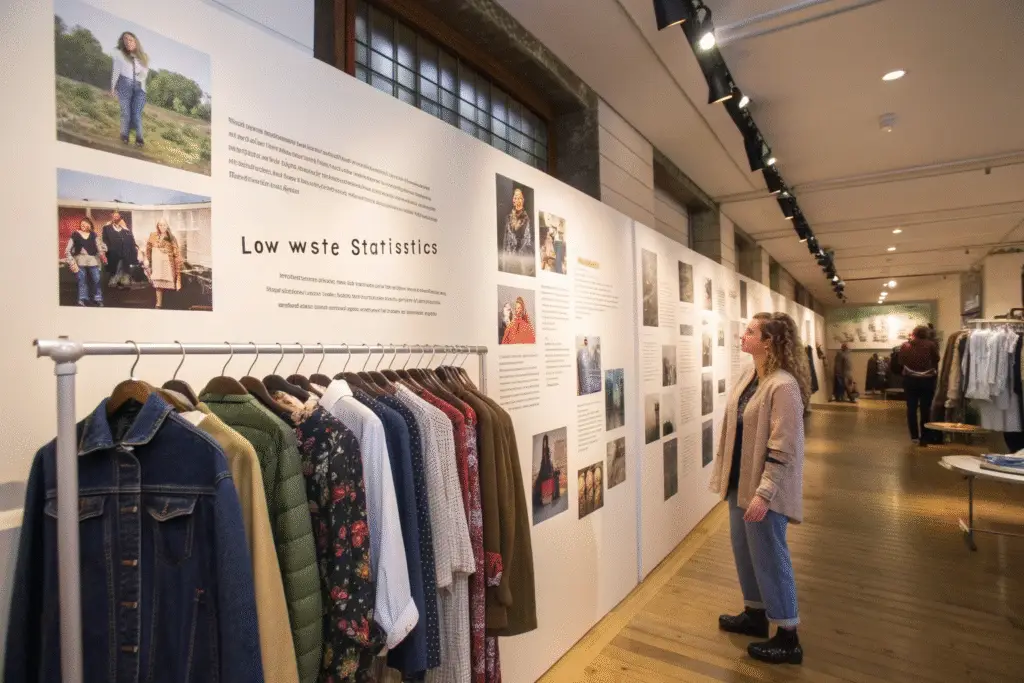
Why Do Capsule Items Get Worn More?
Capsule pieces are versatile. One blazer might suit a meeting, dinner, and airport look. A simple black dress becomes part of multiple occasions.
Brands like Encircled and Pact design their pieces for repeat use, often showcasing “how many ways to wear” content. That practicality encourages higher rotation.
What Is the Environmental Benefit?
According to the Ellen MacArthur Foundation, extending the life of a garment by just nine months reduces its carbon, water, and waste footprint by up to 30%.
Our manufacturing clients help promote this by offering care instructions, durability testing, and even repair kits. Capsules aren’t disposable—they’re dependable.
How Do Capsules Streamline Distribution and Reduce Logistics Impact?
More styles mean more SKUs to pack, label, and move.
Capsule collections simplify logistics through SKU consolidation, reduced packaging variety, and smaller, more efficient shipping loads.
How Do Traditional Lines Complicate Shipping?
Shipping 100 styles across 10 sizes each creates a labeling and packing nightmare. Multiple factories, warehouses, and relabeling centers are often involved—each adding emissions and cost.
Shipping inefficiency is a hidden sustainability killer. Wrong pack sizes lead to air-filled cartons, increasing shipping volume unnecessarily.
Why Are Capsules Logistically Leaner?
Capsules rely on fewer SKUs and repeated core styles. Cartons can be standardized. Labels are templated. Mixed-size ratios are easier to plan.
We’ve helped clients cut shipping costs by 15% just through capsule consolidation. Some even use carbon-neutral carriers and reduced packaging to align with brand values.
Conclusion
Capsule wardrobes don’t just make fashion simpler—they make it more sustainable. From reducing production waste and sample excess to encouraging long-term use and streamlined shipping, every part of the capsule model minimizes environmental impact. As a Chinese apparel exporter, I’ve seen how switching from traditional lines to capsule systems saves our clients money, resources, and reputational risk. If your brand is aiming to reduce its footprint and grow mindfully, capsules are the proven path forward.