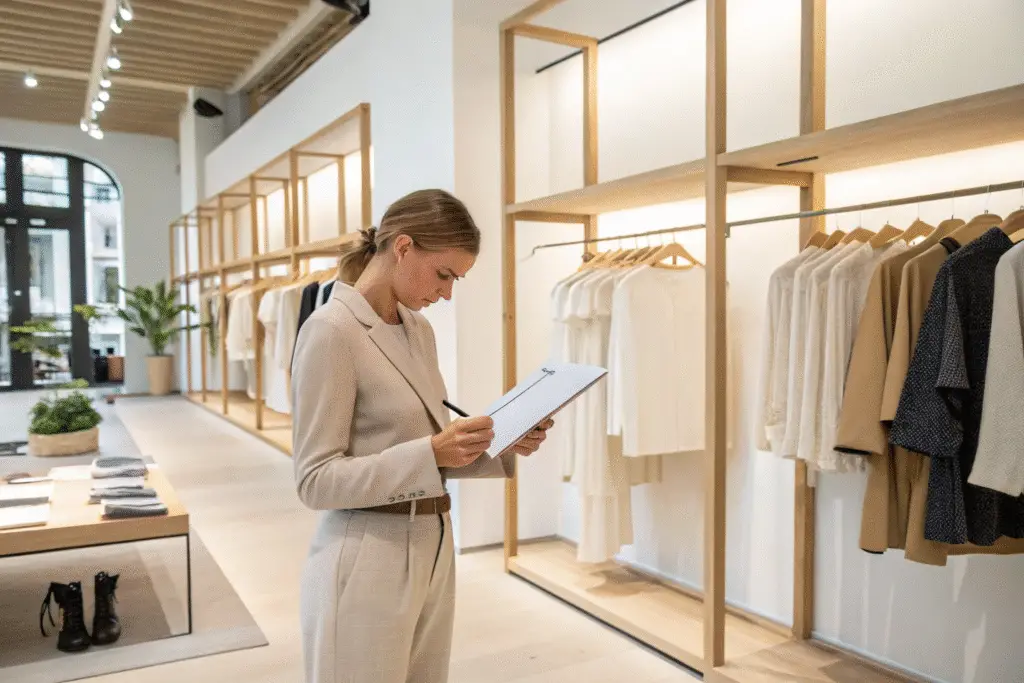
Many American apparel buyers today are shifting away from fast-changing, high-inventory models. Minimalist consumers demand simplicity, functionality, and ease of styling. Capsule collections meet these needs precisely by offering a tight, curated wardrobe. As the owner of a garment export company serving U.S. fashion brands, I’ve seen this trend grow rapidly—especially among those who prioritize quality over quantity.
Capsule wardrobes appeal to minimalists because they reduce clutter, simplify choices, and focus on quality essentials that work across many situations.
Minimalist brands love capsule logic because it gives clarity to their design direction. As their manufacturing partner, I find these collections easier to plan, faster to produce, and less wasteful overall. It’s not just a fashion movement—it's a smarter way to manage product development and logistics.
Why Do Minimalists Prefer Fewer Garments with Versatility?
Capsule collections solve the overwhelm caused by having too many clothing choices.
Minimalist consumers prefer versatile garments that simplify their daily outfit decisions and reduce mental fatigue.
How Do Capsule Pieces Support Easy Styling?
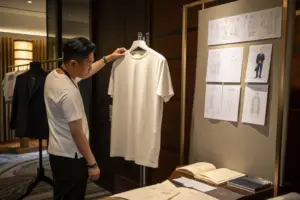
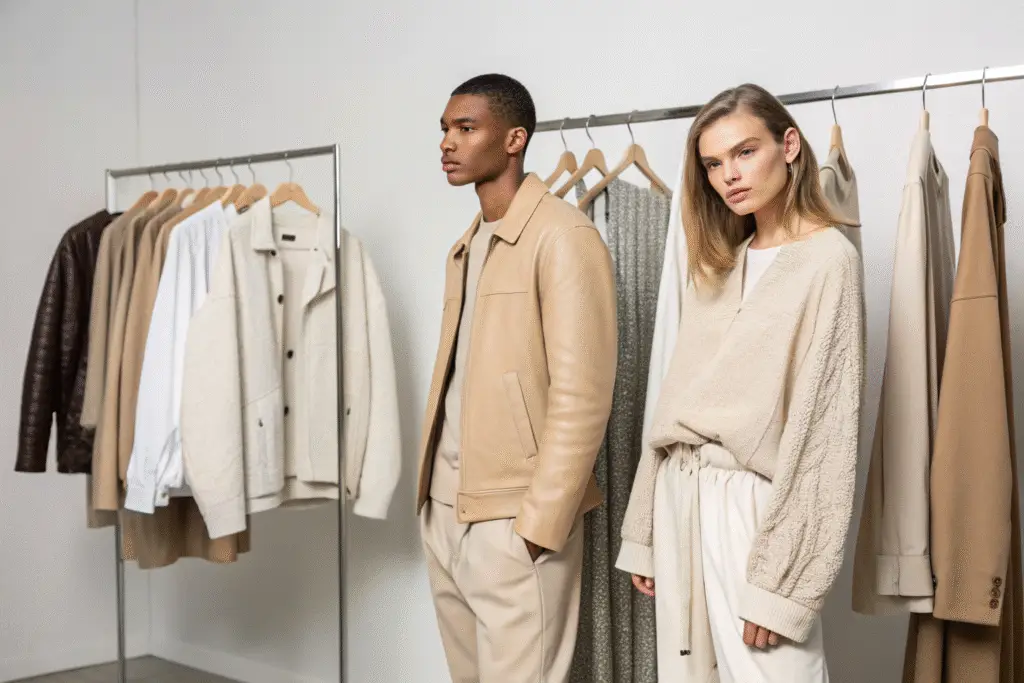
Minimalist buyers want pieces that mix and match effortlessly. A black tee, beige trouser, and a neutral jacket can form three looks across different days. That’s the magic of modular styling. These items often follow a shared color palette and silhouette family.
Minimalist-friendly items, like unisex structured blazers or monochrome activewear sets, work across seasons and dress codes. This versatility is what retailers use as a key selling point, often highlighting "3 looks from 5 pieces" in product marketing.
What Are the Key Features That Add Value to Each Piece?
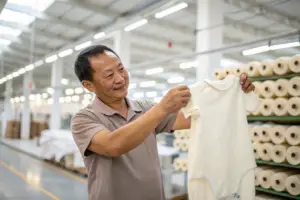
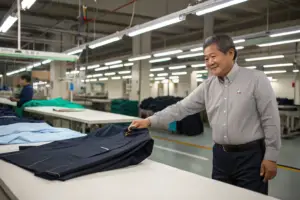
Since each item must work harder in a capsule wardrobe, buyers want quality stitching, natural fabrics, and easy-care finishes. These consumers inspect button durability, seam alignment, and breathable lining. Products like organic cotton t-shirts or multi-season trench coats serve as perfect examples.
By offering fewer but better items, minimalist shoppers are willing to pay a higher unit price if the value-per-wear ratio is strong. This shift rewards suppliers who focus on durability and timelessness instead of cheap trend cycles.
What Role Does Design Simplicity Play in Capsules?
Capsule wardrobes emphasize clean design and timeless aesthetics.
Simple, structured design helps each item integrate into more outfits, extending its usability and appeal.
Why Are Clean Lines and Neutral Colors Preferred?
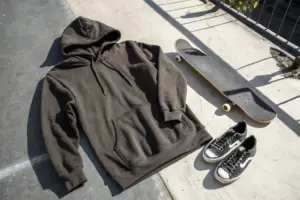
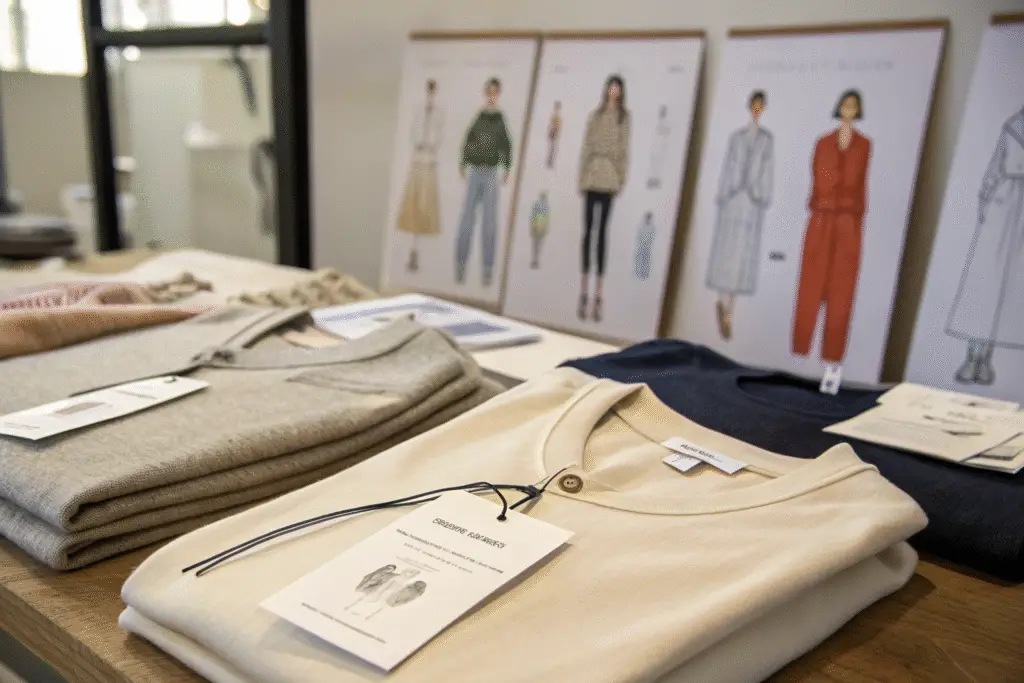
Minimalist consumers tend to favor garments without excessive prints, ruffles, or bold hardware. Their style reflects calmness and intent. Popular palettes include cream, navy, olive, and black. Clean lines mean easy layering and styling.
Well-known minimal fashion brands like Everlane and ARKET thrive on this principle. They favor tone-on-tone collections, capsule-friendly shapes, and flat seams. That simplicity makes restyling easier and extends product lifecycle.
How Do Simplified Designs Reduce Production Complexity?
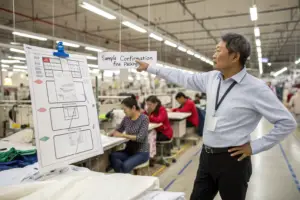
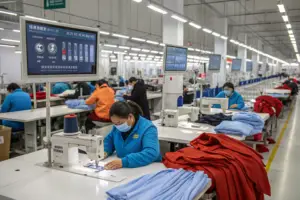
For us as manufacturers, fewer design complications mean faster sampling and fewer error points. Clean silhouettes reduce the need for costly embellishments or pattern matching. It’s easier to maintain consistent quality across production batches, and clients like Ron—who appreciate value and reliability—gain more predictable outcomes.
A plain ribbed dress is faster to cut and sew than a floral lace overlay. This efficiency reflects in both lower MOQs and quicker turnaround time, which buyers love when reacting to seasonal demand.
How Do Capsules Align with Ethical and Sustainable Values?
Minimalist consumers often prioritize ethical sourcing and lower environmental impact.
Capsule collections align with sustainable fashion by encouraging thoughtful consumption and reducing waste.
Do Fewer Pieces Mean Less Environmental Impact?
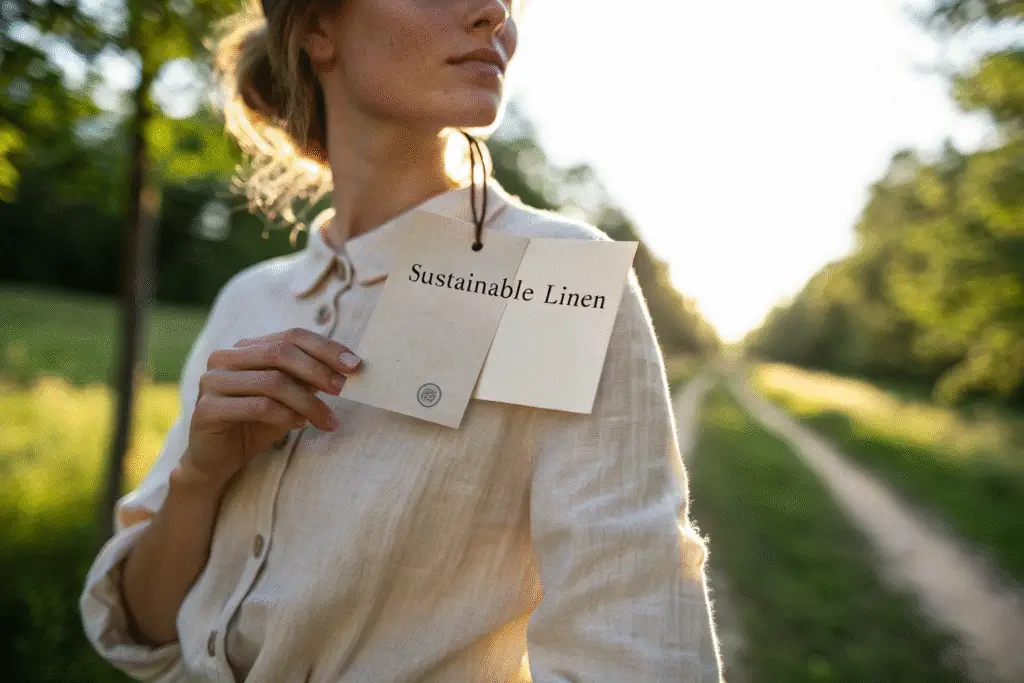
Yes. Capsule strategies promote buying less but better. This model directly reduces excess production and overstock waste. According to the Ellen MacArthur Foundation, extending the life of clothing by nine months can reduce carbon, waste, and water footprints by 20–30%.
Minimalist brands often highlight eco-materials like TENCEL™ lyocell and recycled poly blends. We’re seeing more clients request GOTS-certified cotton and digital printing to cut dye waste. This adds to the product story buyers can market with confidence.
How Does a Capsule Strategy Help Brands Manage Inventory?
Brands that adopt capsule approaches produce smaller runs and restock based on demand. This model reduces deadstock. With just 20–30 SKUs per season, logistics and inventory costs are easier to control.
From my factory’s view, this lean approach means smoother production planning. It helps us focus on consistent quality and minimize leftover fabric rolls. For buyers, that’s one less warehouse bill and fewer markdown risks at season’s end.
How Do Capsules Build Stronger Brand Identity?
Capsules aren’t just functional—they’re part of a brand’s visual DNA.
By repeating themes like color, silhouette, and material, capsule lines reinforce brand identity and signal consistency to consumers.
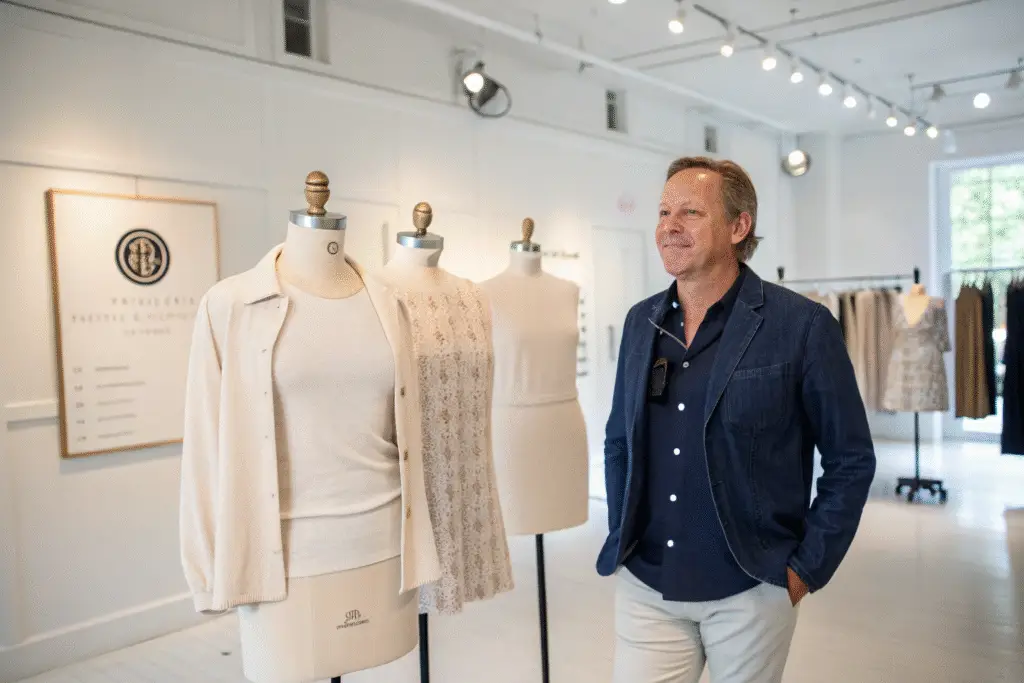
What Visual Cues Help Consumers Recognize the Brand?
When a capsule always includes beige wide-leg pants, navy cotton shirts, and lightweight jackets, customers begin to associate that silhouette and color scheme with the brand. This builds emotional trust.
Look at Cuyana or VETTA. They’re known for having tight product architecture and consistent messaging. Capsule visuals show up across social, ecommerce, and even packaging materials. This visual branding saves time and ad dollars.
How Can Repetition Build Customer Loyalty?
When consumers see that every new collection still "feels like the brand," they’re more likely to repurchase. Capsule logic helps with that. Even when introducing a new fabric or accessory, the aesthetic remains stable.
Buyers like Ron want consistency from their suppliers. When we support brands with repeatable tech packs, size specs, and core color availability, we help make that loyalty possible. It’s not just about design—it’s about operational trust.
Conclusion
Capsule collections continue to grow in popularity among minimalist consumers, not just as a style choice but as a smarter system for both fashion and business. As a Chinese apparel manufacturer serving U.S. brands, I see how capsules solve multiple problems: they reduce overproduction, align with sustainability, simplify inventory, and make styling easier for the end customer. For buyers like Ron, who want consistent quality, faster delivery, and a stronger brand presence, capsules are the future.