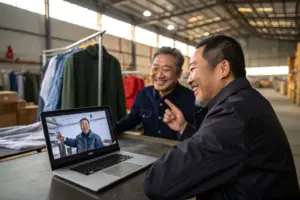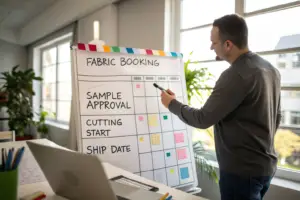
A kick-off meeting with your Chinese apparel manufacturer sets the foundation for your entire production journey. This initial conversation determines whether your project will proceed smoothly or face challenges down the line. Many brand owners underestimate its importance, only to encounter delays, misunderstandings, and quality issues later. Understanding how to structure this meeting effectively can transform your manufacturing experience from stressful to seamless.
An effective kick-off meeting establishes clear communication channels, aligns both parties on quality standards and timelines, and builds a foundation of trust through transparent dialogue and detailed planning. This strategic approach prevents common manufacturing pitfalls and ensures your vision becomes reality without costly revisions or delays.
The success of your apparel production hinges on this crucial first step. Let's explore how to structure your kick-off meeting for maximum effectiveness and partnership success.
How to prepare for a manufacturing kick-off meeting?
Thorough preparation transforms your kick-off meeting from a simple introduction into a productive strategy session. Proper preparation demonstrates your professionalism and enables the manufacturer to provide accurate feedback from the outset.
The preparation process begins with compiling a comprehensive information package that includes technical specifications, reference samples, and clear expectations. This allows both parties to discuss feasibility, costs, and timelines with concrete data rather than assumptions.

What documents should you send before the meeting?
Sending critical documents in advance ensures the manufacturing team arrives prepared to discuss specifics rather than generalities. Essential documents include complete tech packs, fabric specifications, and quality standards that define your requirements. This preparation enables the meeting to focus on solutions rather than basic information gathering. Providing your quality control checklist (International Trade Administration) allows manufacturers to assess their capability to meet your standards. Similarly, sharing certification requirements (ISO 9001) upfront addresses compliance questions before production begins.
Who should be on your kick-off meeting team?
Assembling the right team ensures decisions can be made authoritatively during the meeting. Your internal team should include representatives with authority over design, product development, and supply chain management. Equally important is ensuring the manufacturer brings their production manager and quality assurance lead to the table. This direct access to decision-makers prevents the communication gaps that often occur when messages pass through multiple channels. Having these key players present enables immediate answers to technical questions and demonstrates commitment from both organizations.
What are the key topics to cover in the kick-off meeting?
A structured agenda ensures no critical detail is overlooked during discussions. Focusing on specific topics moves conversations from vague concepts to actionable plans with measurable outcomes.
The agenda should systematically address product specifications, quality benchmarks, production scheduling, and compliance requirements. This comprehensive approach transforms abstract ideas into concrete manufacturing plans.
How can you define quality expectations clearly?
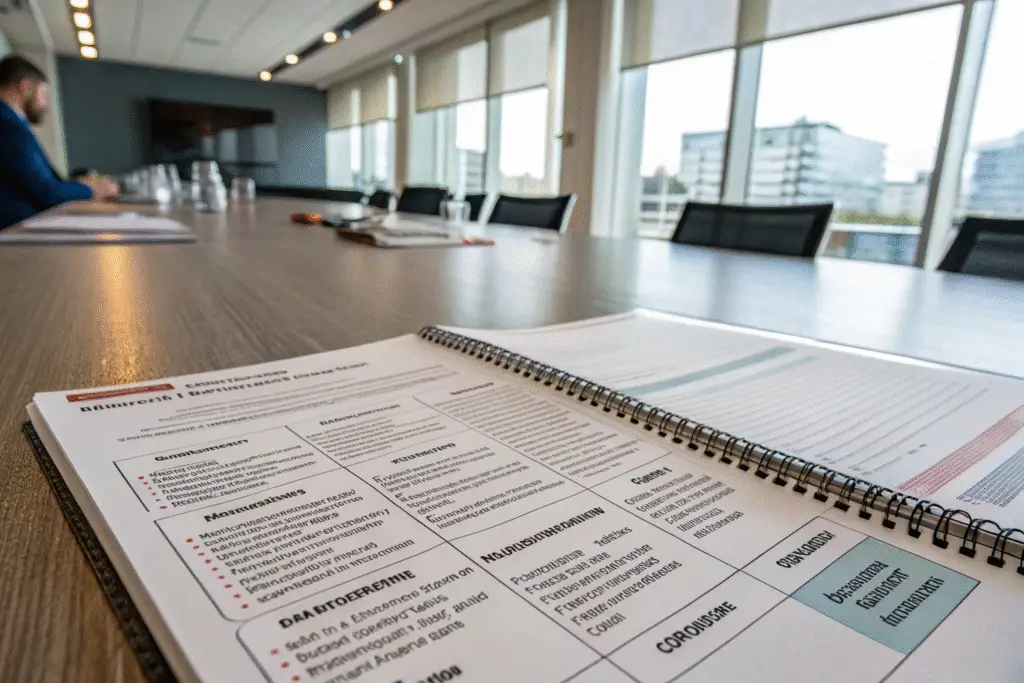
Clear quality definitions eliminate subjective interpretations that lead to disputes later. Use physical reference samples, detailed technical specifications, and established quality standards like Acceptable Quality Limits (AQL) to create unambiguous benchmarks. Discuss every component thoroughly, including fabric weight, construction techniques, color consistency, and packaging requirements. Establishing these standards early ensures everyone shares the same understanding of what constitutes acceptable quality, preventing disagreements during final inspections.
What should a realistic production timeline include?
A realistic timeline accounts for all production phases rather than focusing solely on the final delivery date. Break the process into distinct phases with clear milestones and approval gates. Consider this typical timeline structure for standard apparel production:
| Phase | Duration (Weeks) | Key Milestone |
|---|---|---|
| Proto Sample Development | 2 | Your approval of proto sample |
| Fabric & Trims Sourcing | 2 | Lab test reports approval |
| Production | 4 | Pre-production sample approval |
| Final Inspection & Shipping | 2 | Goods shipped from factory |
This detailed scheduling helps manage expectations and provides natural checkpoints for progress assessment. Additionally, confirming logistics arrangements, including DDP (Delivered Duty Paid) terms, prevents unexpected complications during shipping.
How to build trust with your manufacturer during the first meeting?
Establishing trust transforms a transactional relationship into a strategic partnership. This foundation of mutual respect and understanding becomes increasingly valuable when challenges inevitably arise during production.
Trust develops through transparent communication, demonstrated expertise, and consistent follow-through on commitments from both parties. This relational aspect often determines whether a manufacturer goes the extra mile when you need it most.

Why is discussing communication protocols vital?
Clear communication protocols prevent the frustrations that damage business relationships. Establish primary contacts, preferred communication channels, response time expectations, and regular update schedules during your initial meeting. Implementing a weekly status report system creates accountability and keeps all stakeholders informed without constant follow-up. This structured approach demonstrates professional respect for each other's time while ensuring critical information flows smoothly throughout the production process, similar to standards maintained in ethical manufacturing (Fair Labor Association) environments.
What questions should you ask to assess reliability?
Direct questions reveal a manufacturer's capabilities and commitment to transparency. Request references from existing U.S. clients, inquire about contingency plans for supply chain disruptions, and review audit reports from recognized organizations like BSCI (amfori BSCI). Asking specific questions about their process for handling missed deadlines or quality issues provides insight into their problem-solving approach and integrity. This due diligence demonstrates your business acumen while setting expectations for a partnership based on honesty and accountability.
How to ensure action items are clear after the meeting?
Clear action items transform discussion into execution. Without specific assignments and deadlines, even the most productive meeting fails to drive progress forward.
The transition from meeting to implementation requires documented decisions, assigned responsibilities, and established follow-up procedures. This documentation becomes the blueprint for your production journey.
What should be included in the meeting minutes?
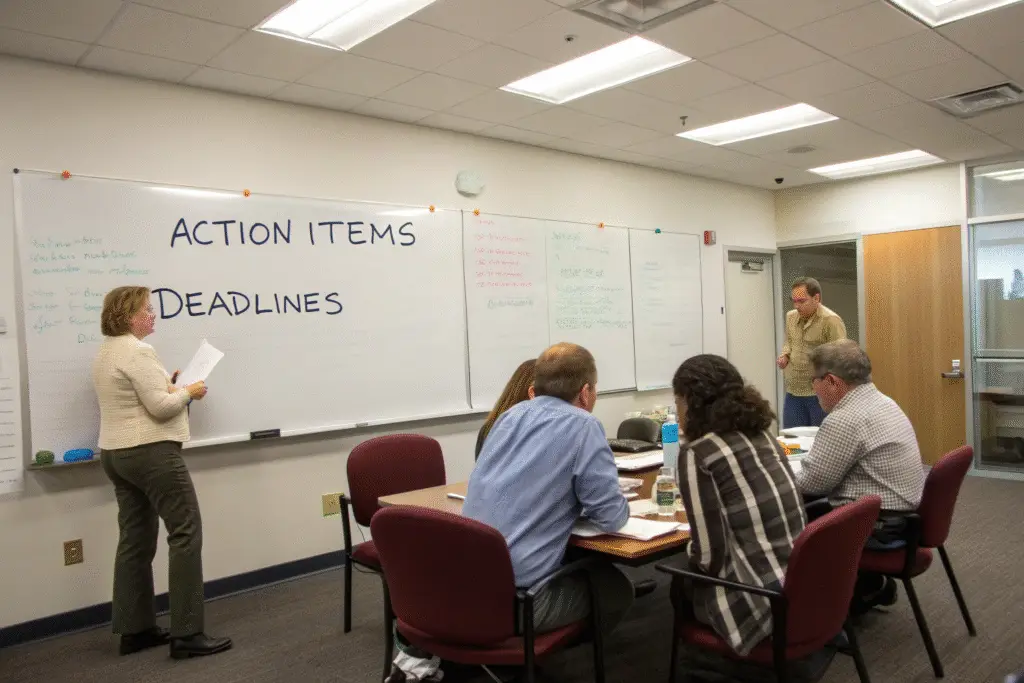
Comprehensive meeting minutes capture decisions, action items, and responsibilities in a single shared document. Effective minutes include specific tasks with assigned owners and deadlines, such as "Action: Revise tech pack collar specification. Owner: Your Designer. Due Date: October 26." This clarity eliminates confusion about responsibilities and ensures everyone understands their commitments. The minutes should also document any changes to original specifications or requirements to maintain alignment as the project moves forward, supporting efficient supply chain management (Council of Supply Chain Management Professionals).
How to manage the sample approval process?
A clearly defined sample approval process prevents one of the most common production delays. Establish the types and quantities of samples required, firm deadlines for each submission, and maximum turnaround times for your feedback. Specify shipping methods, such as DHL (DHL Express), for speed and reliability, and confirm responsibility for associated costs. This structured approach to sampling ensures the production maintains momentum while providing necessary checkpoints to verify quality before full production begins.
Conclusion
An effective kick-off meeting establishes the framework for successful apparel manufacturing by aligning expectations, capabilities, and processes from the beginning. This strategic approach addresses common challenges before they impact your timeline or budget, transforming potential obstacles into manageable milestones. The careful attention to preparation, agenda structure, trust-building, and clear action planning pays dividends throughout your production journey.
Ready to experience a kick-off meeting that sets your next collection up for success? Contact our Business Director, Elaine, today at elaine@fumaoclothing.com to begin a partnership built on clarity, quality, and reliable execution.