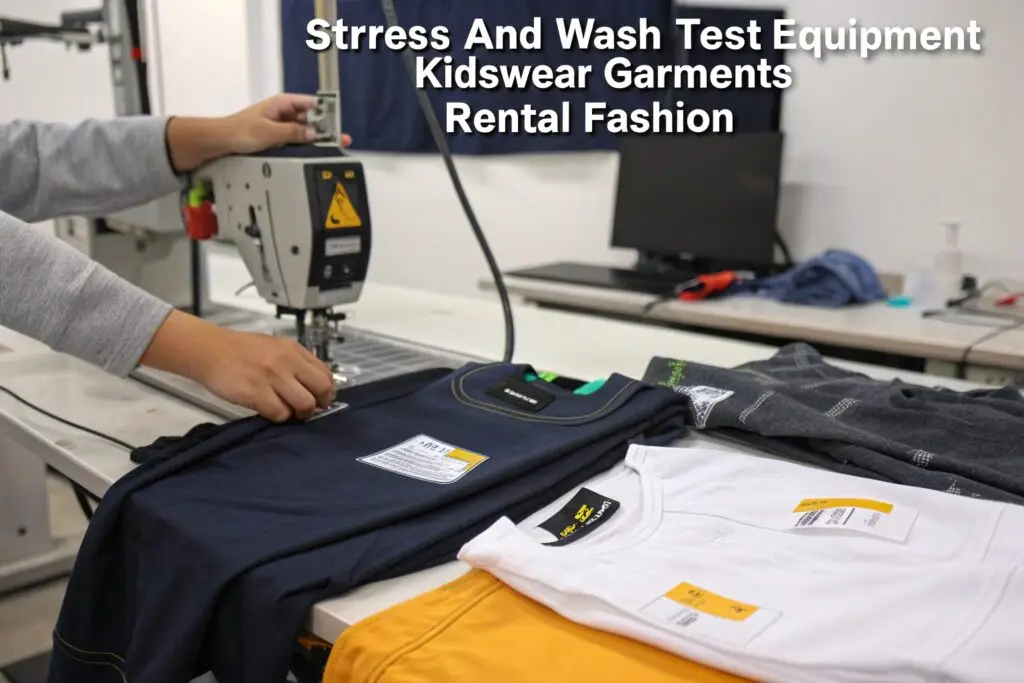
Rental fashion is booming—but not every factory is ready to support its unique demands.
A rental-fashion-friendly factory must build garments that survive multiple wears and washes, support sustainable practices, and offer flexible production models like low MOQ and customization.
If you’re a rental fashion brand, choosing the right manufacturer can make or break your customer experience, garment longevity, and brand integrity. Here's what to look for.
Essential Garment Durability Standards for Rental Fashion
Regular fashion gets worn 8–12 times. Rental garments may be washed 50+ times before retirement.
Durability is non-negotiable in rental fashion—factories must use stitching, fabrics, and finishes that survive repeated wear, washing, and dry-cleaning cycles.
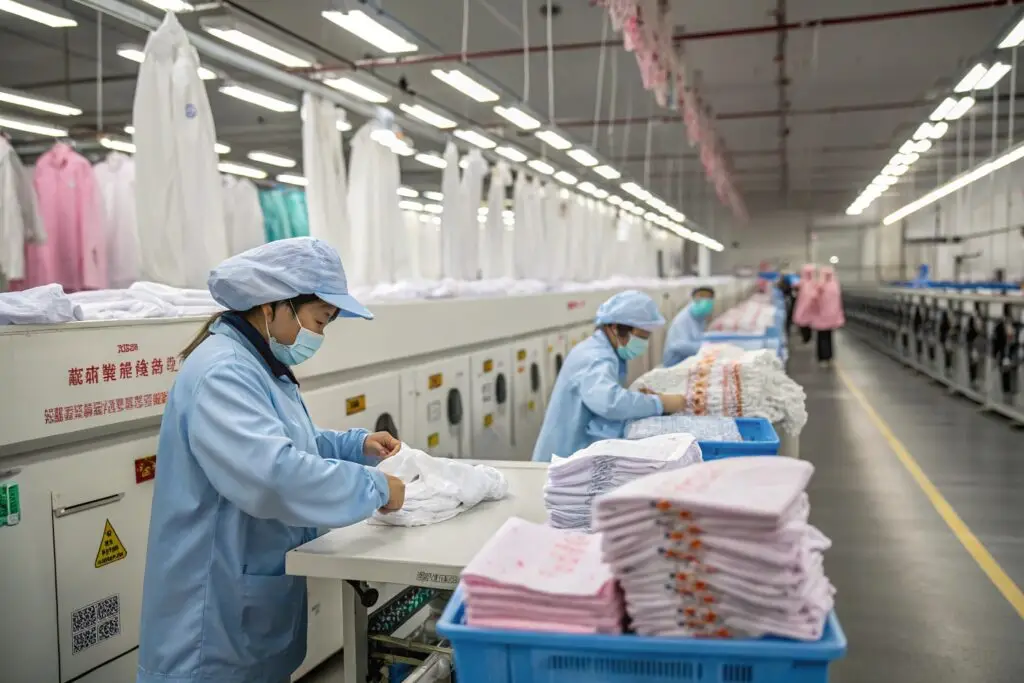
What durability benchmarks should rental brands require from their manufacturers?
At Fumao Clothing, we’ve worked with rental brands that need their garments to last at least 25–40 rentals. This means:
| Garment Component | Durability Standard |
|---|---|
| Seams & Stitching | No seam failure after 30 industrial wash cycles |
| Zippers & Trims | 500+ use cycles without breakage |
| Colorfastness | 4–5 Grade after multiple detergent washes |
| Shape Retention | <3% shrinkage in high-temp laundering |
| Abrasion Resistance | 20,000+ rubs (Martindale test for outerwear/pants) |
Factories that produce for fast fashion rarely meet these standards. Rental-focused manufacturing requires enhanced materials, construction methods, and testing protocols.
What happens when rental pieces aren’t built to last?
Here’s what we’ve seen firsthand:
- Clients replacing 40% of inventory within 2 months
- Negative reviews about fading, loose threads, and misshaped necklines
- Higher operational costs due to repairs and replacements
Rental brands make money on repeat wear—so garment failure directly hits profit margins. When we helped a US-based rental label switch to reinforced bar tack stitching and colorfast fabrics, their refund rate dropped by 70% in the next quarter.
How Factories Support Circular Fashion Production Models
Circular fashion isn’t just about recycling—it’s about smart design, reverse logistics, and manufacturing for longevity.
Rental-friendly factories support circular models by using recyclable materials, repairable construction, and traceable supply chains.
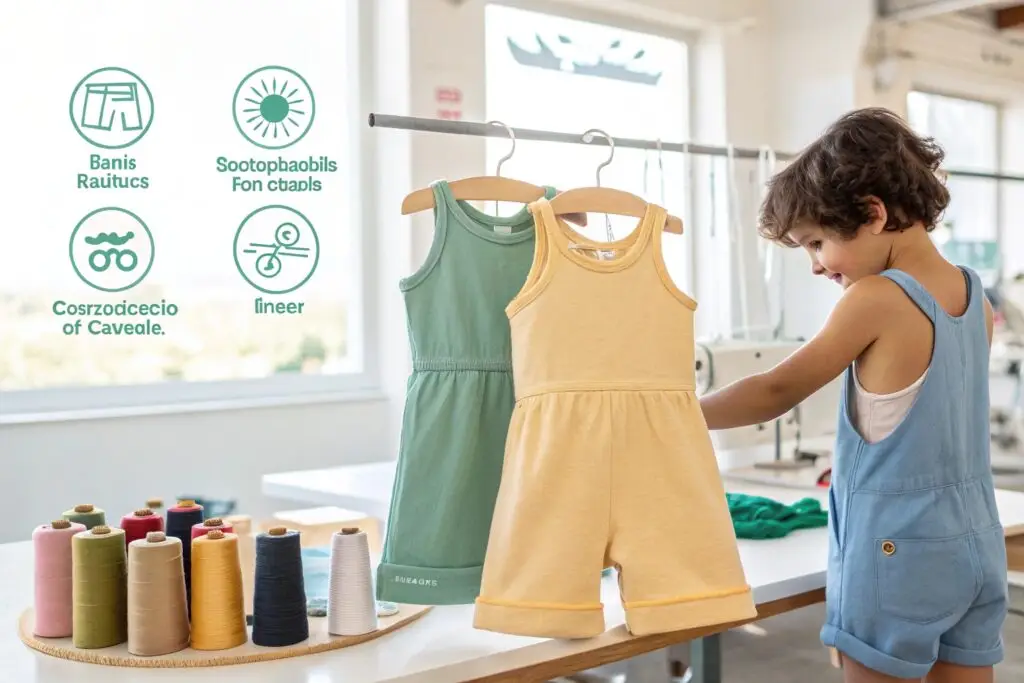
What practices should manufacturers adopt to enable circularity?
These are key factory features rental brands should look for:
| Circular Practice | Implementation at Factory Level |
|---|---|
| Recyclable Components | Monomaterial garments (e.g., 100% polyester) |
| Repair-Ready Construction | Modular trims, bar tacks, resewable areas |
| Return Label Integration | RFID or QR-code embedded labels |
| Sustainable Packaging | Reusable garment bags, zero-plastic policies |
| Waste Tracking | Transparent post-cut waste logging |
At Fumao, we redesigned a client’s rental capsule to eliminate plastic snaps and switched to 100% cellulose thread—making each item compostable at end of life. That earned the brand a full-page spread in a sustainability-focused fashion mag.
How do circular practices reduce costs and improve customer retention for rental brands?
The hidden cost of non-circular production is lifecycle waste. Circular practices lead to:
- Fewer replacements and repairs
- Higher garment reuse rates
- Better brand storytelling
- Easier compliance with upcoming ESG regulations
We provide full lifecycle visibility and raw material traceability in our rental clients’ garment reports—letting them build trust with eco-conscious consumers.
Key Fabric and Stitching Specs for Rental Clothing Lines
Rentals aren’t worn gently—they face coffee spills, dance floors, and dry cleaners. They need to be built differently.
Rental garments require stain-resistant, durable fabrics and industrial-strength stitching techniques that maintain quality over time.
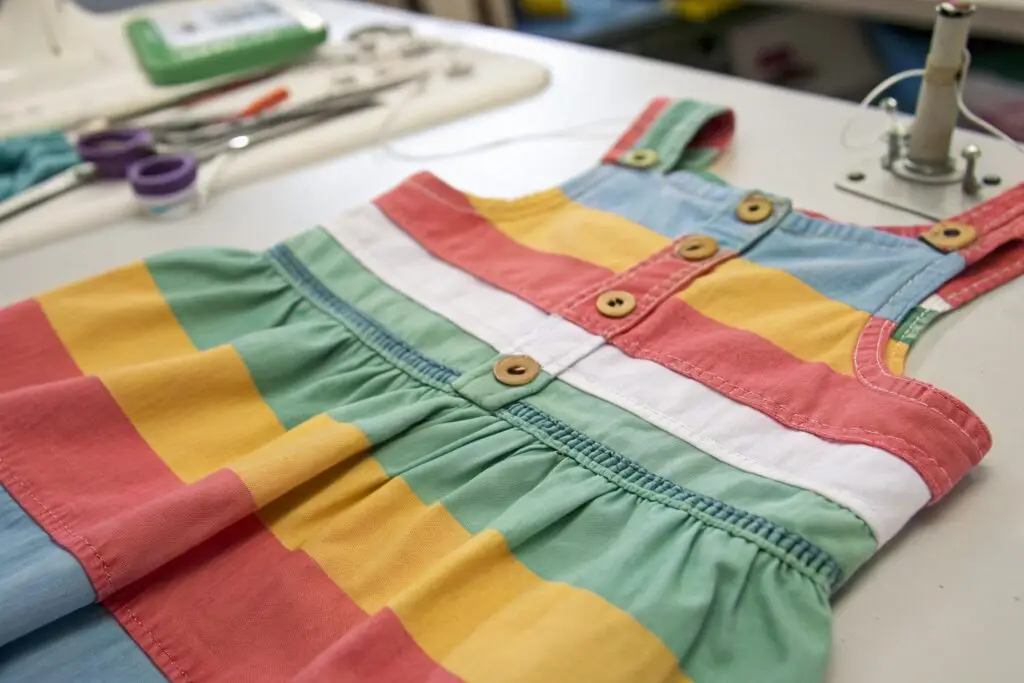
What fabrics work best for garments in rental circulation?
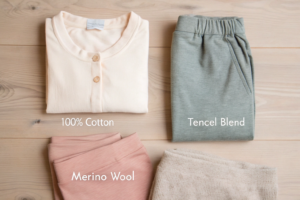
Here are the top-performing materials we use for rental clients:
| Fabric Type | Features | Use Cases |
|---|---|---|
| Recycled Polyester | Durable, wrinkle-resistant, stain-resistant | Formalwear, outerwear |
| TENCEL™ Lyocell | Soft, breathable, sustainable | Dresses, blouses |
| Cotton-Spandex Blend | Stretch, shape retention | Bottoms, jumpsuits |
| Twill Weave Rayon | Drapes well, resists pilling | Skirts, resortwear |
All our rental garments undergo:
- Pilling Resistance Tests (ASTM D4970)
- Colorfastness to Chlorinated Water (AATCC 162)
- Tear Strength Tests (ASTM D2261)
Which stitching methods are essential for rental garments?
High-performance sewing is key. We recommend:
- Double-needle topstitching: Prevents seam breakdown
- Bartacks on stress points: Extends wear life
- Flatlock seams: Reduces bulk, increases comfort
In a side-by-side trial with a rental label, garments with reinforced stitching lasted twice as long as those without. Stitch quality is the silent hero of the rental game.
Customization and Low MOQ Support for Rental Brands
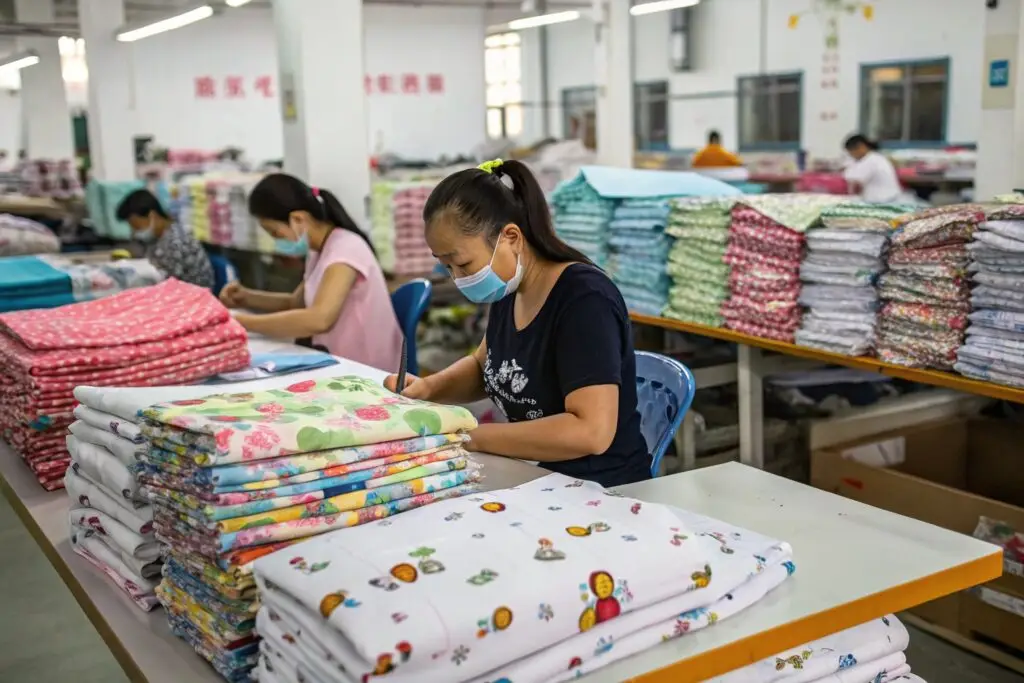
Rental brands need agility—limited runs, niche sizes, and quick updates. Traditional factories just can’t keep up.
Factories that serve rental fashion must offer low minimums, flexible sizing, and the ability to personalize designs without massive cost.
Why is low MOQ critical for rental labels launching capsule collections?
Rental platforms often test new collections in small volumes. Starting with 50–200 units per SKU is common. High-MOQ factories aren’t compatible with that model.
At Fumao, we support:
- MOQ as low as 100 pcs per style/color
- Custom grading for petite, plus, or tall sizes
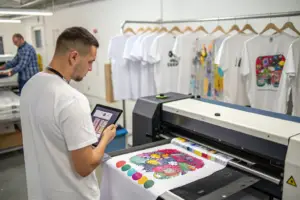
- Digital printing for low-waste pattern variations
- Quick-swap trims and labels to enable rebranding
This lets our rental clients iterate faster, respond to seasonal trends, and avoid deadstock.
How can customization enhance rental brand identity?
Rental wearers expect exclusive experiences. With minimal customization, we help clients:
- Add inner labels with care instructions for rentals
- Use detachable tags with QR codes linking to styling tips
- Co-brand with hotels, events, or influencers
One of our Nordic clients embedded return-tracking labels and smart chips in all their rentals—we integrated that into the trim package during sampling. The result? A fully tech-enabled, trackable wardrobe.
Conclusion
Rental fashion needs a new kind of factory—one that builds for endurance, supports circularity, and offers flexibility. If you’re building a rental brand, partner with manufacturers who understand not just fashion—but the future of fashion.