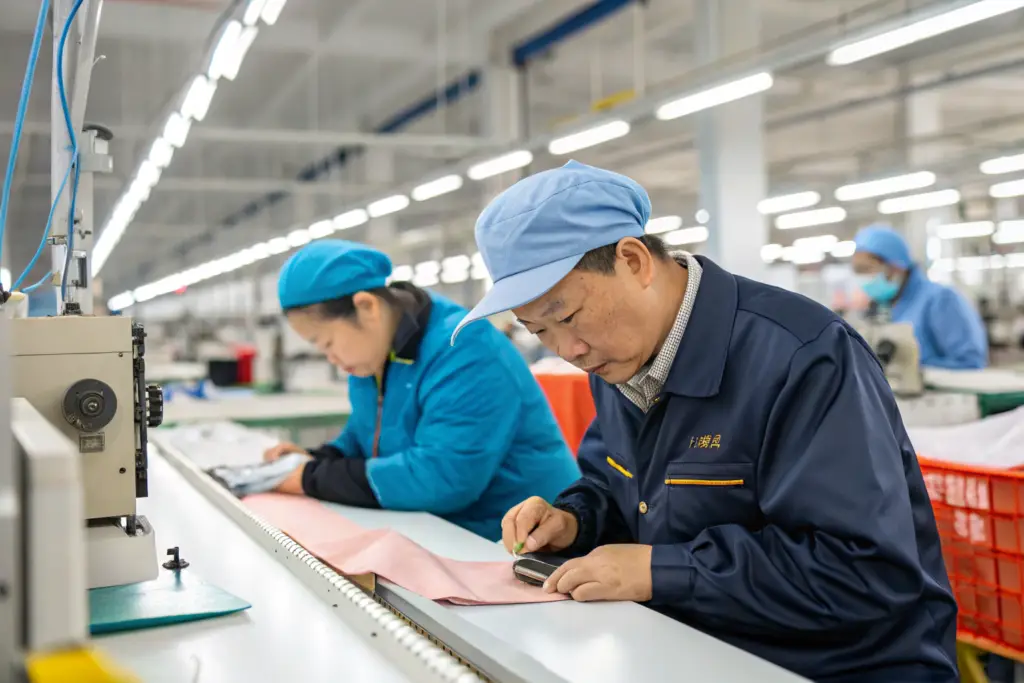
You've heard the promises before: "Top quality is our priority," "We have strict QC checks." Yet, when the shipment arrives, you find inconsistent stitching, mismatched colors, or faulty zippers. The gap between promise and reality can be costly and damaging. In an industry where everyone claims excellence, how do you distinguish marketing slogans from a manufacturer's true, operational commitment to quality?
A clothing manufacturer's quality commitment is genuine when it is systemic, transparent, and costed into the business model—not just a department. At Shanghai Fumao, genuine quality means it's engineered into the process from fiber selection to final pack-out, with transparent data shared at every step and a culture where every employee is empowered and accountable for the output. It's a commitment proven by actions, investments, and a willingness to be audited, not just by words.
Genuine quality is non-negotiable and proactive. It's not about catching defects at the end, but about preventing them from happening in the first place. It requires a financial and philosophical investment that is visible in the factory's operations, its communication with clients, and its response when things—inevitably—go wrong.
How Are Quality Systems Integrated, Not Just Added On?
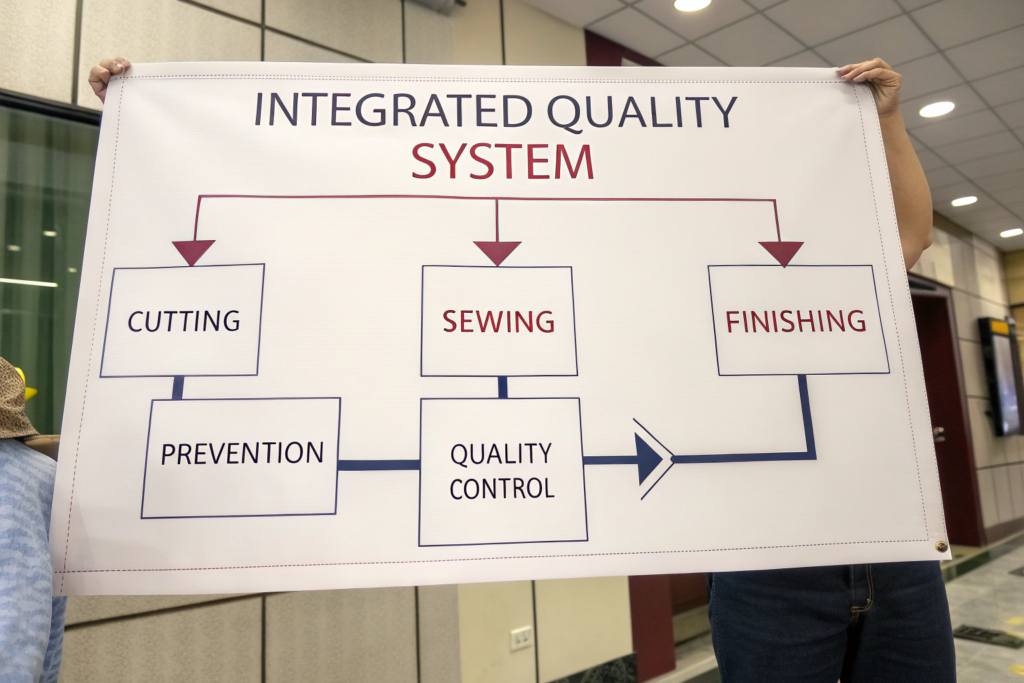
Many factories treat Quality Control (QC) as a separate department that inspects finished goods—a final filter trying to catch problems after the cost has already been incurred. A genuine commitment integrates quality assurance into every single step of the workflow, making it part of the production DNA.
True quality is a parallel process, not a final gate. It's embedded in Standard Operating Procedures (SOPs) at each workstation, in the training of every operator, and in the real-time data flow between production and management. The goal is to build the product correctly the first time.
Dive Deeper Paragraph: This integration is visible in two key areas: frontline operator ownership and inter-departmental quality protocols.
What Does "Quality is Everyone's Job" Look Like on the Floor?
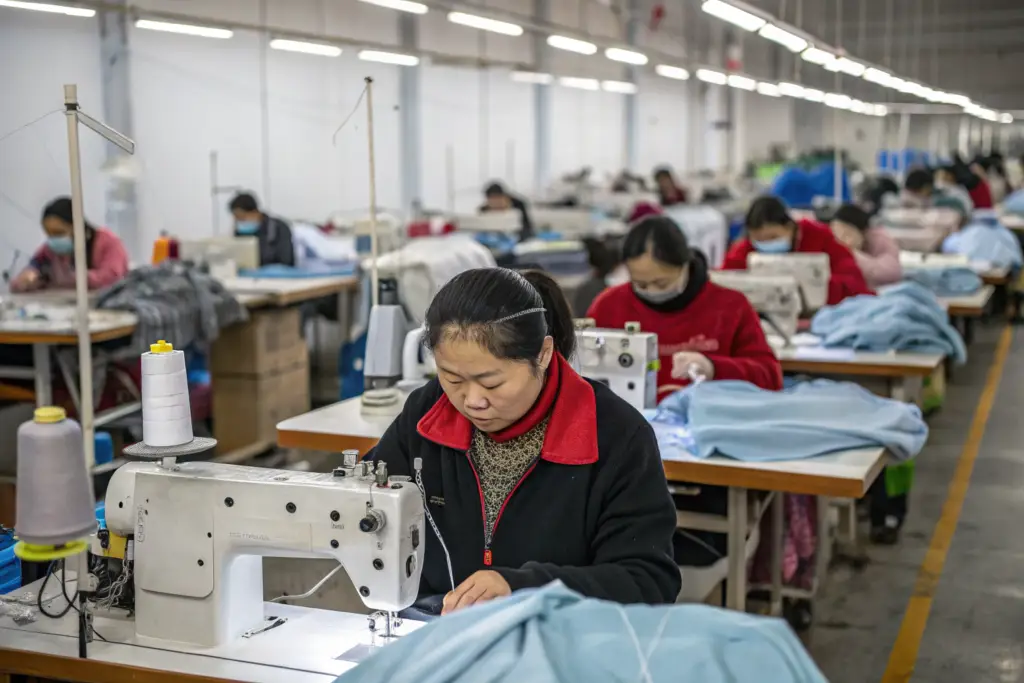
In a factory with genuine commitment, sewing operators are the first inspectors. They are trained and equipped to check their own work against a posted "golden sample" and clear defect visual guides at their station. They are incentivized on "First-Time Right" metrics, not just on speed. We implemented a program where operators who achieve a 99%+ first-pass rate for a month receive a bonus and recognition. This cultural shift reduced rework rates on one line by 40% in a quarter, because problems were fixed immediately, not passed down the line.
How Do Pre-Production and Inline Processes Prevent Defects?
Genuine quality starts before production:
- Fabric and Trim Approval: We conduct pre-production testing on every bulk fabric lot for shrinkage, colorfastness, and strength. If a button fails a pull test, the entire lot is rejected before it's ever attached to a garment.
- Critical Inline Checks (DUPRO): Our QC staff perform Daily Production Checks after the first 50-100 pieces come off the line. They check cut parts, seam alignment, and early construction. If a defect pattern is found (e.g., uneven topstitching), the line is stopped, the root cause is addressed (e.g., machine recalibration, operator retraining), and only then does production resume. This is preventive action, not just detection.
What Role Does Transparency and Data Play in Proving Commitment?
A factory that hides its processes or only shares glossy final reports is not fully committed. Genuine quality is confident enough to be transparent. It uses data—not just opinions—to drive decisions and shares that data with you to build trust.
Transparency means providing visibility into both the good and the potential bad. It's about sharing quantitative quality metrics, inspection reports with photos, and even data on factory performance, allowing you to verify claims independently.
Dive Deeper Paragraph: Trust is built on evidence, which comes from documented processes and open data sharing.
What Kind of Quality Data Should You Expect to See?
A committed partner will provide you with:
- Pre-Production Test Reports: From third-party or in-house labs for fabrics and trims.
- In-Process Inspection (DUPRO) Reports: Including photos of any defects found and the corrective action taken.
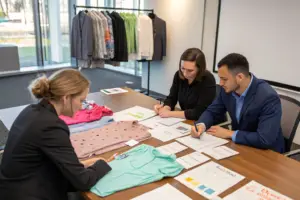
- Final Random Inspection (FRI) Full Report: Not just a pass/fail certificate, but the detailed AQL report listing every defect found by type and severity, with photographic evidence.
- Quality Performance Dashboards: For ongoing partnerships, we share quarterly dashboards tracking Key Performance Indicators (KPIs) like First Time Through rate, defect rate per 100 units, and customer return reasons (if shared).
We provide clients with secure login access to a portal where these documents are stored for every order. This level of transparency was pivotal for a techwear brand that needed to provide their investors with hard data on supply chain reliability; our portal became their single source of truth.
How Does Open Communication During Problems Signal Integrity?
The truest test of quality commitment is how a factory handles a failure. A genuine partner will inform you immediately of a quality issue—even if it's internal and you might never have noticed. For example, last season, our inline check found that a specific dye lot of fabric was showing minor shading variation when viewed under certain light. The garments technically passed general AQL, but we knew it didn't meet our own higher standard. We informed the client, showed them the comparison, and offered a discount on the affected units. Their trust in us increased because we were honest about a flaw we could have hidden.
Where is the Financial Investment in Quality Evident?
Talk is cheap; investment is tangible. A factory's genuine commitment to quality is reflected in where it spends its money. This includes capital expenditure on equipment, investment in people and training, and the willingness to absorb the cost of quality failures rather than passing them on to the client.
You can see the commitment in the factory's infrastructure, its organizational structure, and its cost absorption policies. These are concrete indicators that go beyond mission statements.
Dive Deeper Paragraph: The investment is visible in technology, human capital, and policy.
What Capital Investments Support Quality?
Look for:
- In-House Testing Lab: Investing in equipment for basic fabric tests (shrinkage, color matching) shows a commitment to verifying inputs.
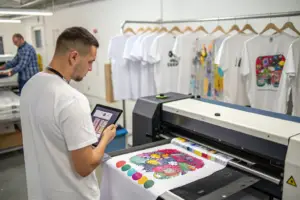
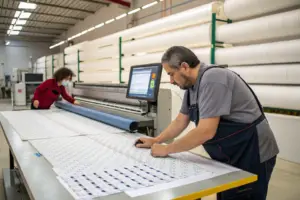
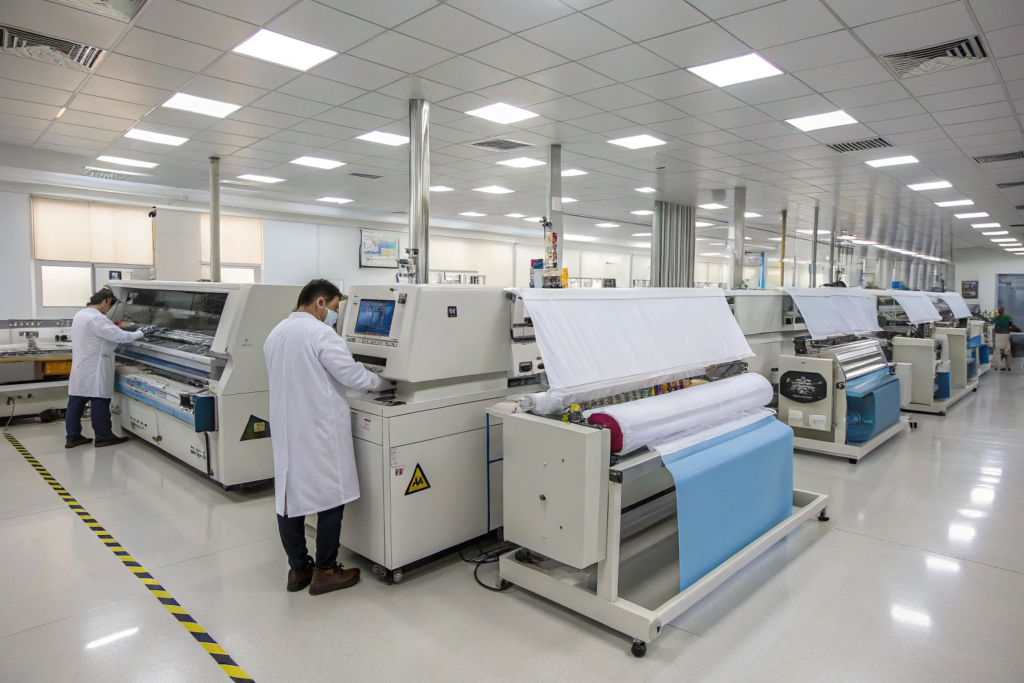
- Advanced Machinery: Using automated cutters for precision, machines with thread-trimmers for clean finishes, and specialized pressing equipment for consistent silhouettes.
- Digital Tools: Implementing Product Lifecycle Management (PLM) software to ensure version control of tech packs and IoT sensors on key machines to predict maintenance needs and prevent breakdowns that cause defects.
Our investment in a full-spectrum light booth for color matching, for instance, eliminated a major source of dispute with clients over shade approvals, as we could now provide objective, industry-standard evaluations.
How Do Training Programs and Organizational Structure Reflect Priority?
A quality-centric factory has a robust, ongoing training program and a quality department with real authority. At our facility, the Head of Quality reports directly to the General Manager and has the authority to halt any production line. We run weekly quality circles where line workers and supervisors brainstorm solutions to recurring minor issues. This investment in people and empowering the quality function ensures that the commitment is lived, not just dictated.
How is Quality Commitment Reflected in Partnerships and Certifications?
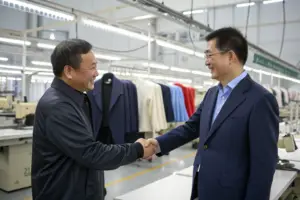
Long-term relationships with demanding brands and adherence to rigorous international standards are strong external validators. A factory serving only the most price-sensitive markets with high turnover is unlikely to have a deep quality culture. Certifications, when actively maintained and audited, are a baseline proof of systemic capability.
Genuine commitment is demonstrated through successful, multi-year partnerships with quality-conscious brands and the pursuit of certifications that require ongoing, verifiable improvement, not just a one-time audit.
Dive Deeper Paragraph: External validation comes from the client portfolio and the nature of the certifications held.
Why Do Long-Term Brand Partnerships Matter?
A manufacturer that retains clients for years, especially those in demanding segments like outdoor technical gear, premium denim, or luxury basics, is proving its commitment daily. These clients have zero tolerance for quality variance. We have partnered with a sustainable activewear brand for over five years. Their product has extremely tight tolerances for stitch length and seam strength. Our ability to consistently meet these specs order after order is a direct result of our ingrained systems, and it's a testament more powerful than any sales pitch.
What Certifications Indicate a Management System, Not Just Compliance?
Look beyond basic factory compliance certificates. Seek manufacturers with certifications that require a holistic management system:
- ISO 9001:2015: This is the international standard for Quality Management Systems. It requires documented processes, continuous improvement, and customer focus. It's about how the factory manages quality, not just if it can sew a straight line.
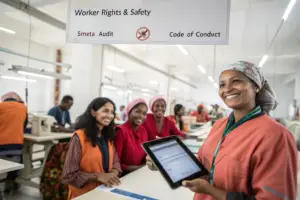
- Social Accountability (e.g., SA8000, BSCI): While focused on social compliance, these standards indicate a factory manages its operations systematically and is open to external audit—a mindset that often correlates with quality management.
Maintaining these certifications requires regular, often unannounced, re-audits. It shows the factory is committed to maintaining a verified system, not just to passing an initial check.
Conclusion
A genuine quality commitment in a clothing manufacturer is a multifaceted promise proven by its systems, transparency, investments, and partnerships. It's visible in the integrated processes that prevent errors, the transparent data shared with clients, the tangible financial investments in people and technology, and the external validations from demanding brands and rigorous certifications. It's a culture, not a department.
At Shanghai Fumao, our commitment is engineered into our operational blueprint. We believe quality is the foundation of trust and the only path to long-term partnership. We invite you to look beyond the promises and evaluate the proof. To experience a partnership where quality is a visible, actionable, and shared value, contact our Business Director, Elaine, at elaine@fumaoclothing.com or visit Shanghai Fumao to request sample quality packs and audit reports. Build your brand on a foundation of genuine quality.