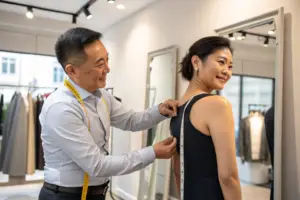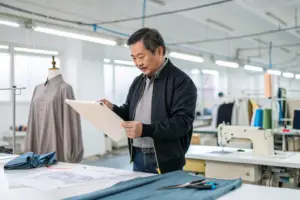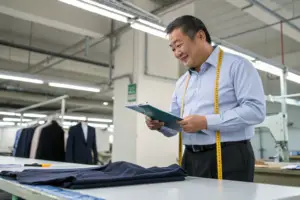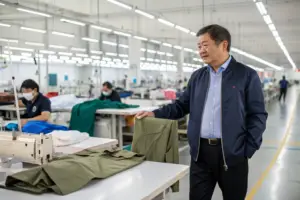
I've been in this business long enough to remember when exporting to America was simpler. You made good clothes, you shipped them, and that was mostly it. Not anymore. The rules have multiplied. The standards have tightened. The penalties for getting it wrong have become severe. I've watched excellent factories fail in the US market not because their quality was bad, but because they couldn't navigate the compliance maze. I've also watched American brands get burned by factories that looked qualified but weren't. They paid the price in seized shipments, legal fees, and damaged reputations.
A clothing manufacturer fully qualified for export to the USA must meet strict requirements across four areas: regulatory compliance with US safety and labeling laws, consistent quality control systems, transparent social and environmental standards, and reliable logistics capabilities including DDP shipping and customs expertise.
At Shanghai Fumao, we've spent two decades building systems specifically for the US market. We've been audited by major American retailers. We've passed countless inspections. We've learned what "qualified" really means from the people who enforce the rules. Let me share what you should look for.
What US safety and labeling regulations must a manufacturer know?
This is the non-negotiable foundation. If a factory doesn't understand US regulations, they will eventually cause you serious problems. I've seen shipments held at the border because the fiber content label was wrong. I've seen entire orders destroyed because the flammability test failed. I've seen brands fined thousands of dollars for missing RN numbers.
A client from Florida once used a factory in another country that claimed to know US regulations. The factory put "100% Cotton" on the label. Independent testing showed the fabric was actually a cotton-polyester blend. Customs seized the shipment. The client lost $45,000 and missed their entire summer season. That's the cost of a factory that doesn't truly understand the rules.
Which federal agencies regulate apparel imports to the US?
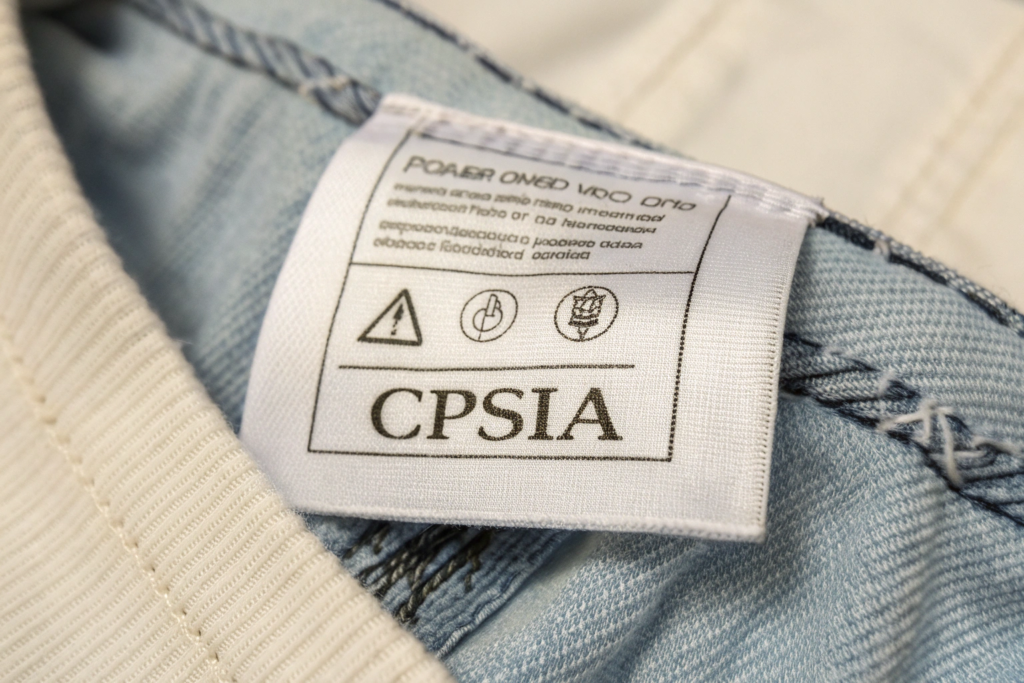
Three agencies matter most. The Consumer Product Safety Commission enforces safety standards including flammability for clothing and textiles, lead content in children's products, and small parts regulations. The Federal Trade Commission enforces textile labeling laws including fiber content, country of origin, and manufacturer identification. US Customs and Border Protection enforces marking requirements, duty classification, and trade agreements. A qualified manufacturer should be able to discuss all three. They should know that CPSC's flammability standard 16 CFR 1610 applies to most clothing. They should know that FTC's Textile Fiber Products Identification Act requires specific labeling formats. They should know that Customs requires the country of origin to be marked in a conspicuous and permanent way. If they look confused when you mention these, keep looking.
How does a manufacturer prove compliance with CPSIA?
CPSIA compliance requires documentation and testing. A qualified manufacturer should have a library of test reports from accredited third-party labs. They should test every production batch for regulated substances like lead and phthalates in children's products. They should provide you with a General Certificate of Conformity that attests to compliance. At Fumao, we maintain relationships with labs like SGS, Bureau Veritas, and Intertek. We test fabrics before we cut them. We test finished goods before we ship them. We provide clients with a complete certificate package for every order. According to the CPSC's guidance on certificates of conformity, the certificate must be based on a reasonable testing program, not just a random sample. A qualified manufacturer has a systematic testing protocol, not just a stack of old reports.
What quality control systems indicate a reliable export partner?
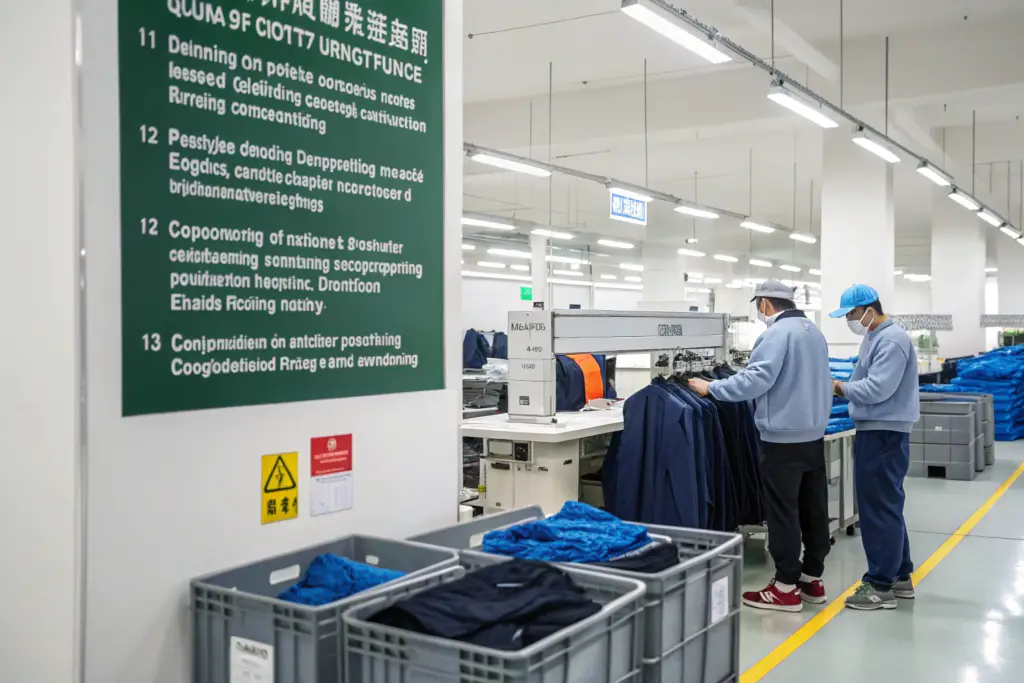
Quality control isn't just about inspecting finished goods. It's about building quality into every step of production. A factory that only checks at the end will miss problems that should have been caught earlier. A factory with a real quality system prevents defects before they happen.
I remember a potential client visiting our facility. He asked to see our quality control documentation. We showed him our in-line inspection reports, our final inspection protocols, and our corrective action logs. He told me later that most factories he visited couldn't produce any of that. They just said "we have good quality" without proof. He chose us partly because we could show him the system.
What does a proper AQL inspection process look like?
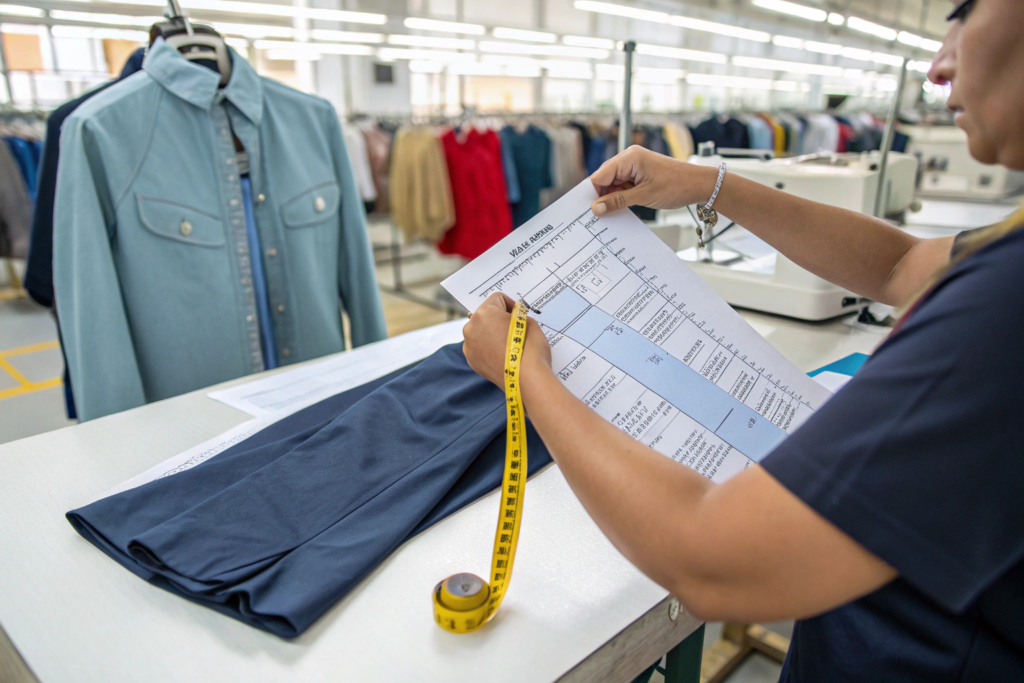
AQL stands for Acceptable Quality Level. It's a statistically based sampling method. A qualified manufacturer uses AQL standards like ANSI/ASQ Z1.4 or ISO 2859. They inspect based on sample sizes that give statistically valid results. A typical standard for apparel is AQL 2.5 for major defects and 4.0 for minor defects. That means they accept a certain small number of defects based on science, not guesswork. At Fumao, we do three inspections. First, we inspect incoming materials. Second, we do in-line inspections during production. Third, we do a final AQL inspection on finished goods. We document everything. According to the American Society for Quality's guide to AQL, proper AQL inspection reduces the risk of accepting bad batches by 95% compared to random checking. A factory that doesn't use AQL is guessing, not controlling quality.
How can I verify a factory's quality certifications?
Look for ISO 9001 certification first. It's the international standard for quality management systems. It means the factory has documented processes, continuous improvement systems, and regular audits. But don't stop there. Ask for the actual certificate. Verify it with the issuing body. Some factories claim certification but can't produce the certificate or the certification has expired. Also look for customer-specific certifications. If the factory exports to major US retailers, they've passed those retailers' audits. Ask for references. Ask to speak to other American brands they work with. A qualified factory will connect you with existing clients. According to ISO's guidance on 9001 certification, the certification must be renewed every three years with surveillance audits in between. If a factory's certification is more than three years old without renewal, it's not valid.
This part is changing fast. Five years ago, social compliance was nice to have. Now it's becoming mandatory. Major US retailers require it. The U.S. government is increasing enforcement. Consumers demand it. A factory that can't prove ethical practices is becoming a liability.
A client from Oregon lost a major retail account last year because their factory failed a social compliance audit. The factory had child labor issues. The client didn't know. They found out when the retailer's auditor showed up. The retailer canceled the contract immediately. The client lost $2 million in annual revenue overnight.
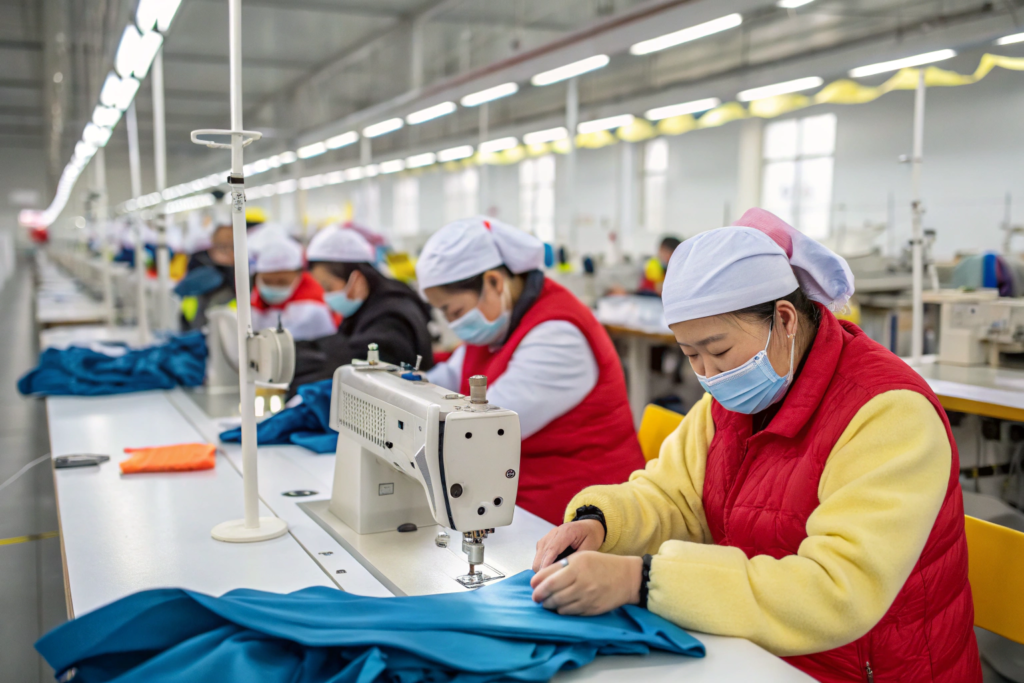
The most common is BSCI, the Business Social Compliance Initiative. It covers labor rights, working hours, health and safety, and environmental practices. SMETA is another common standard, used by many UK and European retailers. WRAP is the Worldwide Responsible Accredited Production, focused specifically on apparel. For the US market, many retailers use their own audits based on these standards. A qualified factory has recent audit reports from at least one of these programs. They should share them with you. At Fumao, we maintain current BSCI and WRAP certifications. We post our audit reports in our client portal. According to amfori BSCI's monitoring program, over 2,000 retailers require BSCI audits from their suppliers. If your factory can't pass one, many doors will be closed to you.
How important is environmental certification for US buyers?
It's becoming critical. The SEC is proposing climate disclosure rules that will affect large companies. Those companies will push requirements down to their suppliers. Many US brands already require environmental certifications. OEKO-TEX Standard 100 is the baseline for product safety. It tests for harmful substances. GOTS is required for organic products. Bluesign is increasingly important for outdoor and performance wear. A client from Colorado recently told us they won't work with any factory that can't provide Higg Index data. The Higg Index measures environmental impact across the supply chain. According to the Sustainable Apparel Coalition's Higg Index overview, over 10,000 companies now use it to measure and improve their environmental performance. A qualified manufacturer should be familiar with these tools and ready to provide the data.
What logistics capabilities make a factory truly export-ready?
You can have perfect quality and full compliance, but if the goods don't arrive on time, none of it matters. Logistics is where good factories separate from great ones. The ability to navigate shipping, customs, and delivery reliably is a core competence.
A client from Texas once worked with a factory that made excellent products. But every shipment was a crisis. The factory couldn't coordinate with freight forwarders. Documents were always wrong. Shipments were always delayed. The client finally switched to us because we made logistics invisible. They didn't have to think about it. That's the goal.

What shipping experience should a US-focused manufacturer have?
They should understand the major US ports and the differences between them. Los Angeles and Long Beach handle most Asian imports, but they get congested. New York and Savannah are alternatives. They should know which carriers serve which routes reliably. They should have relationships with multiple freight forwarders so they can adapt when rates spike or space gets tight. At Fumao, we ship to the US every week. We track capacity trends. We advise clients on when to book and which routes to use. According to FreightWaves' analysis of US import logistics, factories with dedicated logistics teams reduce transit time variability by 40% compared to those who just hand off to any forwarder. Experience matters. Ask about their shipping volume to the US. Ask about their on-time delivery rate. A qualified factory tracks these numbers and shares them.
How does DDP capability change the buyer's risk profile?
DDP means Delivered Duty Paid. The factory takes responsibility for everything: export, ocean freight, customs clearance, duty payment, and final delivery. For you as the buyer, it's one price and one delivery. The risk stays with us until the goods are in your warehouse. A factory that offers DDP is taking on significant complexity. They're handling your customs bond. They're classifying your goods correctly. They're paying your duties. If they get it wrong, they pay the penalties. This requires deep expertise. At Fumao, we've been doing DDP for over a decade. We have a dedicated customs team. We maintain relationships with US customs brokers in every major port. According to U.S. Customs and Border Protection's informed compliance guidance, importers are ultimately responsible for the accuracy of their entries, even if a supplier handles them. But a qualified DDP supplier dramatically reduces your risk. They have the expertise and the incentive to get it right.
Conclusion
A truly qualified manufacturer for US export is more than just a factory. They're a compliance partner, a quality partner, an ethics partner, and a logistics partner. They understand the regulations that could stop your shipment and they have systems to ensure you never face that problem. They have certifications that prove their quality and ethics, not just claims. They have the logistics capability to get your goods where they need to go, on time, every time.
At Shanghai Fumao, we've built our entire business around serving the US market. We know the CPSC and the FTC and the CBP. We maintain current certifications from BSCI, WRAP, and OEKO-TEX. We ship DDP to US ports every week. We've been audited by the biggest names in American retail and we've passed every time. We don't just claim to be qualified. We prove it with documentation, systems, and results.
If you're looking for a manufacturing partner who truly understands the US market, let's talk. Contact our Business Director, Elaine, directly at elaine@fumaoclothing.com. Tell her about your brand and your goals. She'll connect you with our compliance team. We'll share our certifications, our audit reports, and our client references. We'll show you what qualified really means.