You have a brilliant design for a new clothing line. Your marketing campaign is ready. But you have one critical question: when will the garments be ready? Understanding production lead time is not just about a date. It is about the security of your supply chain and the success of your product launch.
The production lead time for custom garments is the total time required to transform your design concept into finished, delivered products. This timeline is not a single step but a multi-stage process, typically ranging from a few weeks for simple reorders to several months for complex, new developments. The exact duration hinges on key factors like design complexity, order quantity, and fabric sourcing, making a reliable partner essential for an accurate and dependable schedule.
A clear and realistic timeline is the backbone of any successful apparel order. Let's break down the entire process so you know exactly what to expect and how to plan effectively.
What Are The Key Stages In The Garment Production Timeline?
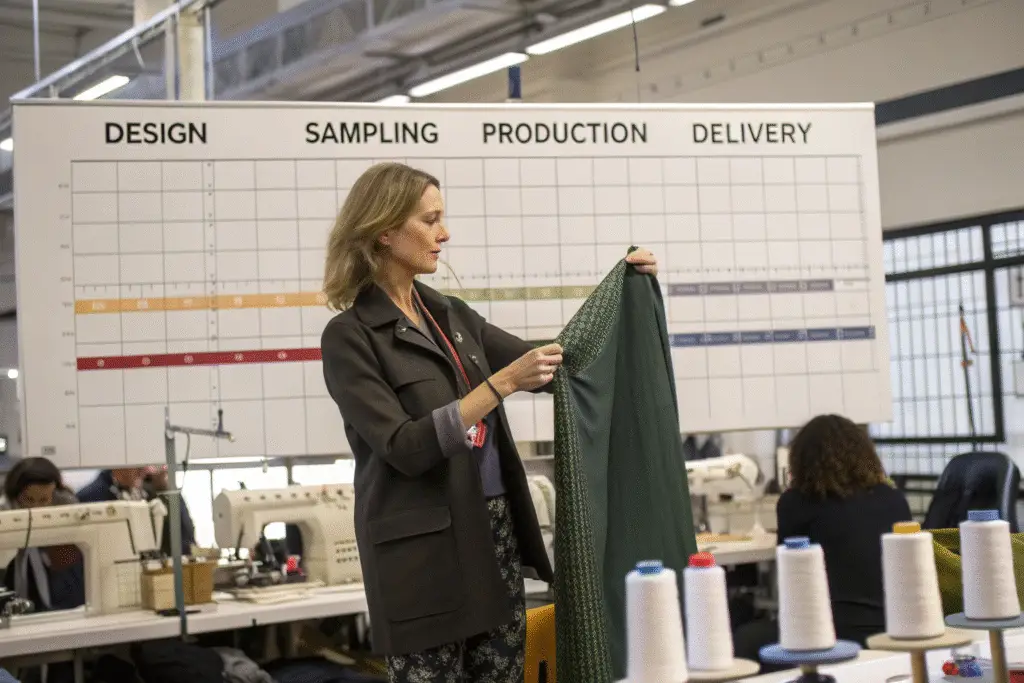
The journey of a custom garment from idea to delivery is a structured sequence. Each stage must be completed before the next begins. Knowing these stages helps you understand where time is allocated and prevents unexpected delays.
The key stages are product development, fabric and material sourcing, production and manufacturing, and final quality control and shipping. Rushing any single stage can compromise the final product's quality. A systematic approach ensures every detail is perfect.
How Does The Development And Sampling Phase Work?
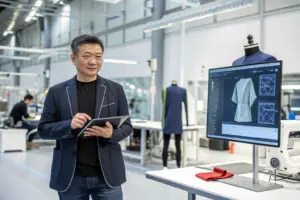
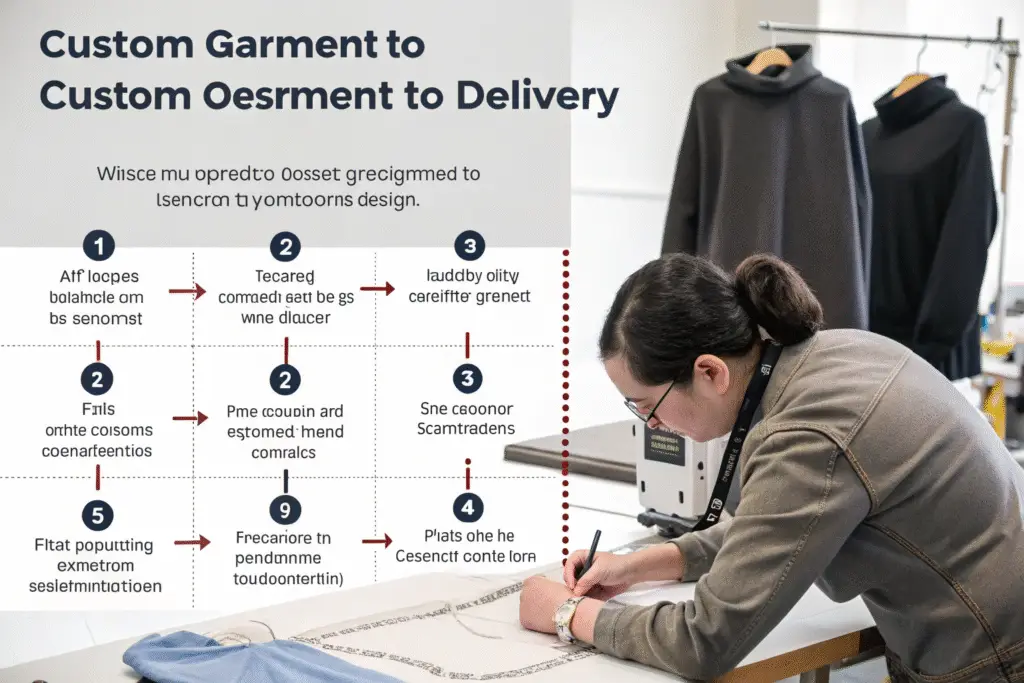
This is the first and most creative phase. It starts with tech pack creation. We analyze your designs and specifications to create a detailed blueprint for production. This document ensures everyone is aligned. Next, we move to fabric sourcing. We leverage our strong relationships with trusted mills to procure the right materials for your design, balancing quality, cost, and lead time. After sourcing, we create the first prototype sample. This sample is for initial fit and design assessment. We then make revisions based on your feedback. Once the design is approved, we produce pre-production samples. These samples are made with the actual production fabrics and trims. They represent the final product you will receive. Your approval at this stage authorizes us to begin mass production.
What Happens During Mass Production And Quality Control?
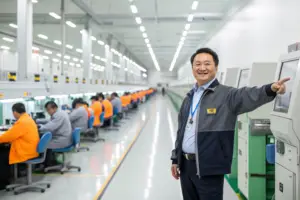
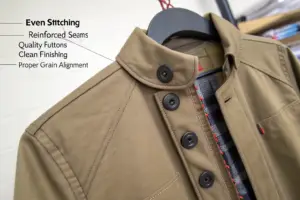
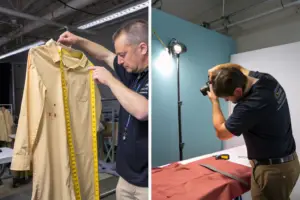
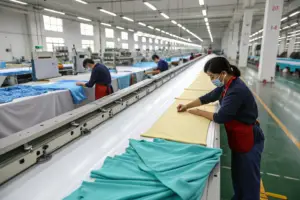
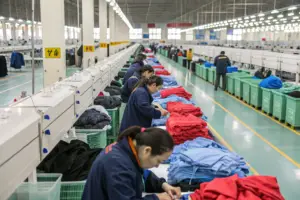
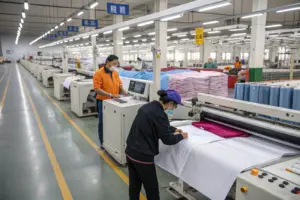
Once you approve the pre-production sample, we initiate the cutting process. We spread the fabric and cut all pieces for your order using precision machines. This step requires great care to ensure consistency. The cut pieces then move to the sewing floor. Our skilled operators assemble the garments according to the approved sample and quality standards. This is where your collection truly comes to life. After sewing, each garment undergoes a thorough inspection. Our quality control team checks for any defects in stitching, construction, and finishing. We also conduct on-site lab testing for properties like colorfastness and shrinkage to ensure durability. Finally, the approved garments are pressed, tagged, and prepared for packaging according to your specific instructions.
What Factors Most Impact Custom Apparel Lead Times?
Many variables can stretch or compress your production schedule. Being aware of these factors allows for better planning and communication with your manufacturer. Proactive management of these elements is key to maintaining your timeline.
The most significant factors are fabric availability, design complexity, and order quantity. Simpler designs with readily available fabrics and standard order sizes naturally progress faster. Complex customizations require more time and attention at every stage.
How Does Fabric Sourcing Affect The Timeline?
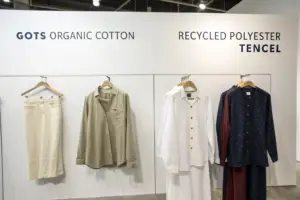
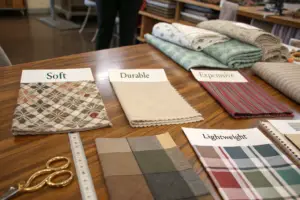
Fabric is the foundation of your garment, and its procurement is often the longest lead time item. If you require a custom fabric weave or dye, the development and production at the mill can add several weeks. Using stock fabrics that are readily available can drastically shorten this phase. Furthermore, the global logistics for shipping raw materials to our factory must be factored in. Events like port congestions or adverse weather can cause unforeseen delays. That's why we maintain a network of reliable material suppliers and use DDP (Delivered Duty Paid) shipping to streamline the process and enhance supply chain visibility.
Why Do Order Volume And Design Details Matter?
The scale of your order directly impacts the production time. Larger orders simply take longer to cut, sew, and finish than smaller runs. A design with many components also affects the speed. For example, a basic t-shirt is quicker to produce than a technical jacket with multiple pockets, zippers, and specialized finishes. Each additional size in your range also requires separate pattern making and grading, adding to the development time. We always recommend discussing your desired order volume and design complexity early. This allows us to provide a realistic timeline and explore potential optimizations for efficiency.
How Can You Accurately Estimate Your Project's Timeline?
An accurate timeline is a partnership. It relies on clear information from you and transparent communication from us. A detailed plan sets the stage for a smooth and predictable production journey, helping you manage your inventory and marketing launches.
Start by providing a complete tech pack and clear requirements during the initial quotation request. The more detailed your initial information, the more precise our timeline estimate can be. We then break down each stage with a specific time allocation.
| Production Stage | Estimated Timeframe (Common Range) |
|---|---|
| Fabric Sourcing & Procurement | 2 - 6 weeks |
| Sample Development & Approval | 2 - 4 weeks |
| Bulk Production & Quality Control | 3 - 5 weeks |
| Final Inspection & Shipping | 1 - 2 weeks |
What Information Should You Provide For A Quick Quote?
To give you the fastest and most accurate timeline, we need a clear roadmap. Please provide your detailed tech pack. This includes flat sketches, construction details, bill of materials (BOM), and desired fabric specifications. You should also share your target price and the required order quantity for each style. Finally, let us know your ideal delivery date. This helps us understand your urgency and work backwards to create a feasible schedule. With this information, we can quickly identify potential bottlenecks and provide a reliable production lead time.
How Does A Manufacturer's Experience Shorten Lead Times?
An experienced partner brings efficiency and foresight to your project. We have established workflows that prevent missteps and rework. Our long-term relationships with fabric mills and trim suppliers often give us priority access to materials. Furthermore, we have managed countless orders and can accurately predict how long each process will take. We know, for instance, how a specific fabric behaves during cutting and sewing, allowing us to plan accordingly. This proven expertise minimizes surprises and keeps your project on track from start to finish.
What Strategies Ensure On-Time Garment Delivery?
Guaranteeing on-time delivery is a proactive mission. It's not just about watching a calendar; it's about implementing strategies that prevent delays before they happen. A reliable manufacturer builds systems for punctuality.
The most effective strategies are clear initial communication, streamlined approval processes, and choosing a full-package partner. These elements reduce bottlenecks and create a smooth, predictable workflow from development to shipment.
Why Is A Streamlined Approval Process Critical?
Delays in sampling approvals are a major cause of late shipments. Every day waiting for feedback on a sample pushes the entire schedule back. We recommend having a single, authorized decision-maker on your team to review and approve samples. This avoids conflicting feedback and confusion. Using digital tools for sample evaluation can also speed things up. You can receive photos and videos quickly, allowing for faster decision-making. We help by providing clear and timely sample submissions with all necessary information, making your review process as efficient as possible.
How Does A Full-Package Manufacturer Save You Time?
Partnering with a full-package manufacturer like Fumao Clothing consolidates your supply chain. You have one point of contact for everything: design, sourcing, production, quality control, and logistics. This eliminates the time you would spend coordinating between multiple vendors, such as a separate fabric supplier, a factory, and a freight forwarder. We manage all these stages in-house or through our vetted partners, ensuring seamless handoffs. Our expertise in export documentation and DDP shipping to the U.S. means your goods move efficiently from our production line to your destination without you needing to manage complex international logistics.
Conclusion
Understanding the production lead time for custom garments is fundamental to your brand's success. It's a detailed process influenced by design, materials, and volume. A realistic timeline, built on transparent communication and expert planning, is your best tool for bringing your apparel to market on schedule. It transforms the complex journey from concept to delivery into a manageable and predictable partnership.
You don't have to navigate these timelines alone. If you are looking for a reliable manufacturing partner committed to quality and on-time delivery, let's discuss your next project. For a detailed quotation and a realistic production schedule, please contact our Business Director, Elaine, at elaine@fumaoclothing.com. We are here to help you bring your apparel visions to life, on time and to the highest standards.