Understanding Minimum Order Quantity (MOQ) for women's wear production is crucial for fashion brands at every stage. Whether you're launching a new line or expanding an existing collection, MOQ requirements can significantly impact your budget, inventory strategy, and overall business viability. The answer varies dramatically based on garment complexity, fabric choices, and manufacturer capabilities, but knowing the typical ranges helps you plan effectively and negotiate strategically.
The MOQ for women's wear production typically ranges from 100 to 500 pieces per style, with basic items starting around 100-200 units and complex designs requiring 300-500 pieces or more. This wide range reflects the incredible diversity within women's fashion—from simple cotton t-shirts to intricate evening gowns with elaborate embellishments. The specific MOQ for your project depends heavily on design complexity, material requirements, and the manufacturer's specialization in women's wear categories.
Women's fashion encompasses everything from casual basics to formal wear, activewear to luxury pieces, each with distinct production requirements that influence minimum quantities. Understanding where your designs fall within this spectrum—and selecting manufacturers who specialize in your specific category—is key to finding MOQ terms that align with your business needs while maintaining quality standards.
What factors determine MOQ for women's wear?
Multiple elements influence MOQ requirements in women's wear production, with garment complexity being the primary driver. A basic jersey dress requires significantly less setup and specialized labor than a tailored blazer or sequined evening gown. Other critical factors include fabric type, construction details, and the manufacturer's specific equipment and expertise in women's wear categories.
The relationship between design complexity and MOQ isn't linear—it's exponential. Adding a single design element like custom embroidery or special pleating can increase MOQ requirements by 50-100% because of the additional setup and specialized skills required. Understanding these cost drivers helps you make informed decisions about which design elements are essential versus negotiable when working within specific quantity constraints.

How does garment type affect women's wear MOQ?
Different women's wear categories have distinct MOQ profiles:
| Garment Type | Typical MOQ Range | Key Complexity Factors |
|---|---|---|
| Basic Tops & Tees | 100-200 pieces | Simple construction, few components |
| Woven Blouses | 150-300 pieces | Collars, cuffs, plackets, more detailed sewing |
| Dresses | 200-400 pieces | Combination of top and bottom construction |
| Tailored Trousers | 250-450 pieces | Waistbands, pockets, complex fitting |
| Jackets & Blazers | 300-500+ pieces | Lining, interfacing, multiple components |
| Evening Wear | 400-1000+ pieces | Embellishments, delicate fabrics, intricate work |
A contemporary brand we worked with last season produced simple jersey dresses at 150 pieces, woven blouses at 250 units, and a special occasion sequin top at 400 pieces—demonstrating how MOQ naturally escalates with complexity even within a single collection.
Why do fabric choices impact women's wear MOQs?
Fabric selection dramatically affects MOQ requirements for several reasons:
- Mill minimums: Custom fabrics often require 500-2,000 yard minimums
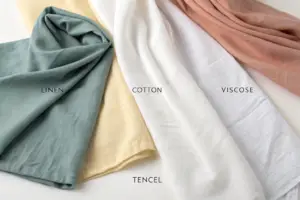
- Handling difficulty: Delicate materials like silk chiffon require specialized equipment
- Printing requirements: Pattern matching increases fabric waste and complexity
- Seasonal availability: Limited availability can increase minimum requirements
Our approach at Fumao involves maintaining an extensive fabric library specifically for women's wear clients, with over 120 materials suitable for quantities as low as 150 pieces. This inventory system allows emerging brands to access quality materials without facing individual fabric minimums that might exceed their production needs.
What are typical MOQs for different women's wear categories?
Women's fashion encompasses diverse categories, each with characteristic MOQ ranges based on production complexity, material requirements, and market expectations. Understanding these category-specific norms helps you set realistic targets and identify manufacturers with appropriate expertise for your particular type of women's wear.
Basic separates and casual wear typically have the most accessible MOQs, while tailored pieces, intricate dresses, and technical outerwear require higher commitments. The most successful brands often mix category approaches—investing in higher MOQs for core styles while using lower minimums for fashion-forward or experimental pieces.

What MOQ can I expect for casual women's wear?
Casual women's wear typically has the most accessible MOQs:
- Basic knit tops: 100-200 pieces
- Simple skirts: 150-250 pieces
- Jersey dresses: 150-300 pieces
- Casual trousers: 200-350 pieces
These categories benefit from relatively simple construction, standardized patterns, and readily available fabrics. A sustainable basics brand we partner with produces their core t-shirts and tanks at 150 pieces per color, allowing them to maintain a wide color palette while managing inventory risk through careful sales forecasting.
How do MOQs differ for tailored women's wear?
Tailored pieces require higher MOQs due to complexity:
- Blazers: 300-500 pieces
- Structured dresses: 250-450 pieces
- Tailored trousers: 250-400 pieces
- Coordinate sets: 200-350 pieces
The increased minimums reflect additional pattern work, specialized pressing equipment, and more skilled labor requirements. A professional womenswear brand we work with produces their signature blazers at 400 units—the higher MOQ justifies the investment in custom shoulder padding and specialized canvassing that defines their brand aesthetic.
How can you reduce MOQ for women's wear production?
While MOQs exist for valid manufacturing reasons, several strategies can make women's wear production more accessible for smaller brands. The most effective approaches involve strategic design decisions, smart collection planning, and selecting manufacturers who specialize in low MOQ women's wear production. Understanding what drives costs enables you to make informed compromises that preserve design integrity while achieving viable production quantities.
The most impactful MOQ reduction typically comes from selecting standard options rather than custom specifications. Using the manufacturer's existing fabric inventory, choosing from their standard component library, and modifying existing patterns rather than developing new ones can significantly lower minimum requirements. Additionally, collection planning that maximizes fabric and trim sharing across styles can reduce overall minimums.

What design strategies lower women's wear MOQs?
Intelligent design decisions can dramatically impact MOQ requirements:
- Simplify construction: Reduce seam complexity and component count
- Standardize components: Use stock buttons, zippers, and trims
- Modular design: Create variations using standardized elements
- Fabric consolidation: Use the same materials across multiple styles
We recently helped a contemporary dress brand reduce their MOQ from 400 to 200 pieces by simplifying their sleeve construction and using our standard lining fabric rather than custom-developed material. These changes maintained their design vision while making production feasible at their target quantity.
How does collection planning affect women's wear MOQ?
Strategic collection planning optimizes your MOQ investment:
- Style families: Group designs with shared elements and materials
- Color coordination: Develop collections around a curated color palette
- Phased production: Schedule production to maximize fabric utilization
- Core and seasonal mix: Invest in higher MOQ core styles with lower MOQ fashion pieces
A boutique brand we work with plans their collections around three core fabrics used across 8-10 styles. This approach allows them to meet fabric minimums while producing each style at 150-200 units, creating a cohesive collection with manageable per-style commitments.
What should you expect from a women's wear manufacturer?
Choosing the right women's wear manufacturer involves evaluating their specific expertise in your category, their technical capabilities for women's fit and construction, and their experience with your target quantity range. The ideal partner should offer comprehensive services tailored to women's wear, including fit expertise, category-specific quality standards, and understanding of women's fashion market dynamics.
Manufacturers experienced in women's wear typically provide specialized pattern making for women's proportions, understanding of drape and movement in different fabrics, and knowledge of appropriate finishing techniques for various garment types. They should be able to provide examples of similar work and references from other women's wear brands at your quantity level.

What specialized services should women's wear manufacturers provide?
Professional women's wear manufacturers typically offer:
- Women's specific pattern making: Understanding of female proportions and fit
- Fabric expertise: Knowledge of how different materials behave on the body
- Technical design support: Guidance on construction appropriate for women's wear
- Fit model access: Availability of standard women's fit models
- Category specialization: Experience with your specific type of women's wear
Our women's wear clients receive dedicated support from technical designers who specialize in women's patterns and fit. This expertise is particularly valuable for brands producing at 150-300 piece quantities, where fit issues can be devastating to small inventory positions.
How does sampling work for women's wear production?
The sampling process for women's wear requires particular attention to fit and detail:
- Fit sampling: Multiple rounds often needed to perfect women's proportions
- Graded spec review: Careful checking of size scaling across the range
- Fabric testing: Evaluating how materials perform in women's specific applications
- Wear testing: Assessing comfort and movement in actual use
We typically recommend a three-stage sampling process for women's wear, with particular emphasis on fit evaluation. A recent client producing draped dresses required four fit samples to perfect the complex drape across sizes—an investment that prevented fit returns that could have devastated their 200-unit production run.
Conclusion
Understanding MOQ for women's wear production requires recognizing the diversity within women's fashion and matching your expectations to your specific garment type, complexity level, and manufacturer capabilities. While typical MOQs range from 100-500 pieces per style, the right quantity for your business depends on careful evaluation of your design requirements, budget constraints, and inventory strategy. The most successful approaches often involve strategic compromises that maintain design integrity while working within viable production quantities.
The women's wear market offers tremendous opportunity for brands that can balance creative vision with production practicality. By understanding MOQ drivers, implementing smart design and planning strategies, and partnering with manufacturers who specialize in your specific women's wear category, you can build a sustainable business that grows with your production capabilities.
At Fumao Clothing, we've developed specialized expertise in women's wear production with MOQs starting at 150 pieces for basic styles and 300 pieces for more complex designs. Our comprehensive approach combines category-specific technical knowledge with flexible production systems designed for emerging women's wear brands. If you're planning a women's wear collection and want to discuss MOQ options for your specific needs, contact our Business Director, Elaine, at elaine@fumaoclothing.com to explore how we can support your production goals.