Planning to launch a fashion line or expand your apparel business with ready-to-wear products? One term you’ll hear quickly is “MOQ.”
MOQ stands for Minimum Order Quantity—it’s the smallest number of garments a manufacturer will agree to produce for one order, and it plays a major role in costs and flexibility.
Understanding MOQ is key to planning your product launch, managing budget, and building better relationships with suppliers.
What is the minimum order quantity of clothing?
MOQ is a number every clothing buyer needs to understand before they even think about sampling or placing orders.
The minimum order quantity of clothing refers to the lowest number of pieces a factory or supplier is willing to manufacture per design, color, or size.

Why do clothing manufacturers set MOQs1?
Clothing production involves several fixed costs2—fabric cutting, machine setup, pattern making, and labor scheduling. Factories set MOQs to make sure they cover these costs and avoid inefficient use of their resources.
In ready-to-wear (RTW)3 clothing, MOQs are typically set by:
- Style
- Color
- Size group
For example, if a T-shirt factory has a MOQ of 300:
- That could mean 300 red shirts in total, or
- 100 red, 100 black, 100 blue if the factory allows color splits
Always confirm the terms behind the number.
Typical MOQ ranges in RTW manufacturing:
| Product Type | MOQ Range |
|---|---|
| T-shirts (basic) | 100–300 pcs |
| Sweatshirts | 200–400 pcs |
| Dresses | 150–400 pcs |
| Joggers or pants | 200–500 pcs |
MOQs vary by region, factory type, and whether you're using in-stock or custom materials.
What is the minimum order quantity MOQ?
You’ve seen “MOQ” mentioned everywhere—but what exactly does it mean in a practical sense?
Minimum Order Quantity (MOQ) is the least amount of product units a manufacturer requires to start production. It ensures production efficiency, reduces waste, and supports the supplier’s business model.

What does MOQ really include?
MOQ might refer to:
- Units per style
- Units per color
- Units per fabric type
For example, a MOQ of 200 could mean:
- 200 of one size, color, and style
- Or 100 small + 100 large if the supplier allows size splits
It’s essential to ask your manufacturer exactly how they define “200 MOQ.”
What if you can’t meet MOQ?
If your brand is small or testing new items, you can:
- Negotiate a smaller run at a higher price
- Use in-stock fabrics or patterns
- Combine styles across a shared fabric base
- Start with one color or one size range
MOQ is often flexible—especially if you're serious about building a long-term relationship.
What is the minimum order quantity limit?
Many new buyers ask: “Is there a maximum or minimum limit to MOQ?” The answer depends on the factory and your order type.
There’s no fixed MOQ limit, but most factories set a minimum between 100 to 500 pieces for ready-to-wear items, based on their equipment and materials sourcing.

What defines the lower limit of MOQ?
- Fabric purchase rules: Some fabrics must be ordered by the roll (e.g., 100 meters minimum)
- Screen printing or embroidery setup: Minimum costs for setup
- Factory batch size: The fewer pieces you make, the higher the cost per piece
Factors that reduce MOQ:
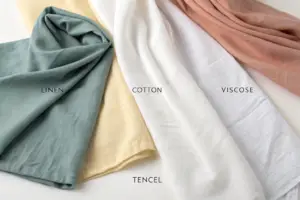
- Using leftover or deadstock fabric4
- Ordering standard styles from a supplier’s template
- Sharing orders with other small brands
- Partnering with factories that specialize in low-MOQ production
Small-batch factories are growing in popularity because they allow testing and scaling without high upfront investment.
What is the minimum order quantity number?
So, what’s the actual number you should expect to see when sourcing RTW apparel?
The minimum order quantity number varies widely, but for ready-to-wear garments, expect a typical MOQ of 150–300 units per style when working with small to medium factories.

Sample MOQ breakdown by product:
| Garment Type | MOQ (Units) |
|---|---|
| T-shirts | 100–300 |
| Polo shirts | 150–400 |
| Leggings | 200–500 |
| Jackets | 250–600 |
| Skirts | 100–300 |
Some manufacturers may offer even lower MOQs if:
- You’re using stock fabrics5
- You accept limited size/color options
- You’re placing repeat orders6
Ask clearly: “Is your MOQ per size, color, or total order?” Misunderstandings at this stage can delay production.
Conclusion
In ready-to-wear clothing production, understanding MOQ helps you make smarter sourcing decisions, plan inventory, and keep your budget under control. Whether it’s 100 or 1,000 pieces, MOQ sets the foundation for every supplier relationship and product launch.
-
Understanding MOQs is crucial for manufacturers to optimize production and manage costs effectively. Explore this link to learn more about MOQs. ↩
-
Learn about fixed costs in clothing production to better understand the financial aspects of manufacturing. This information is vital for any clothing business. ↩
-
Discover the concept of ready-to-wear clothing and its significance in the fashion industry. This resource will enhance your knowledge of RTW. ↩
-
Utilizing leftover or deadstock fabric can significantly lower costs and promote sustainability. Learn more about this practice and its benefits. ↩
-
Learn about stock fabrics and their role in reducing MOQs, which can save you money and streamline production. ↩
-
Discover how placing repeat orders can lead to lower MOQs and better pricing strategies for your business. ↩