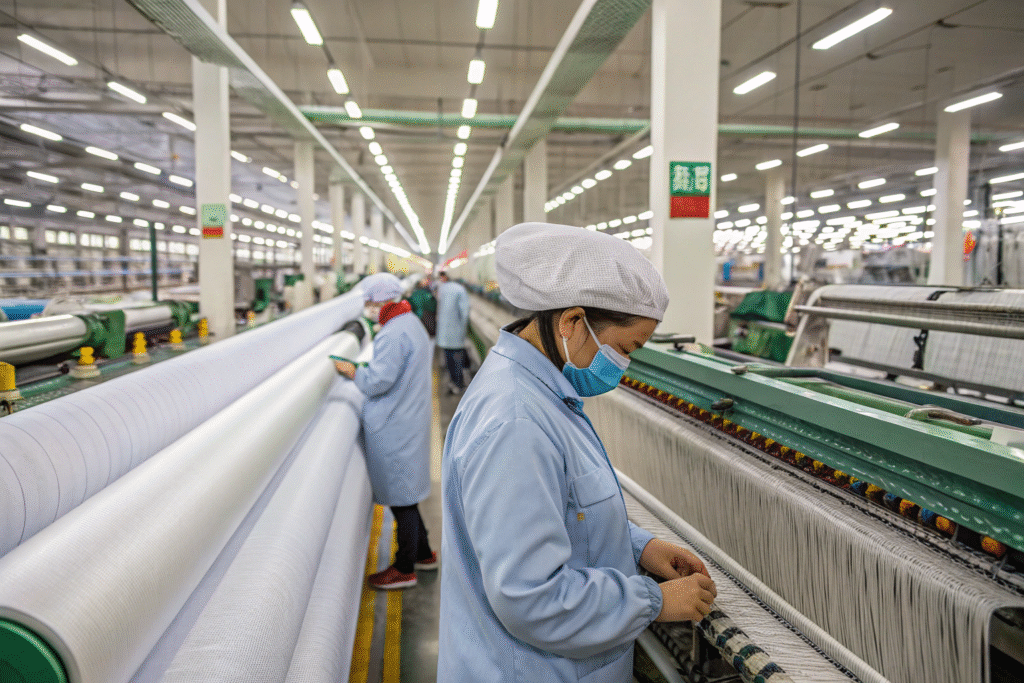
Let's be honest—as a U.S. apparel brand owner, you know that speed to market is everything. Actually, a delayed fabric can mean a missed selling season, lost revenue... and disappointed customers. When you're sourcing custom fabrics from overseas, understanding the lead time—it's not just a planning detail—it's a critical business risk. So, what is the actual lead time for custom fabric manufacturing, and how can you navigate it successfully?
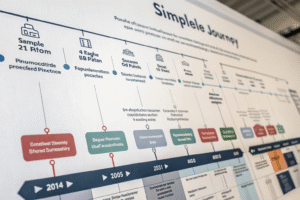
The lead time for custom fabric manufacturing—to be honest—it's a multi-stage process, typically ranging from 45 to 90 days. This timeframe isn't a single step but a journey—fiber sourcing, yarn production, fabric knitting or weaving, dyeing, finishing, quality testing... all these stages. Each one influenced by factors like material complexity, order quantity, factory capacity. Partnering with an experienced manufacturer—one who offers transparent communication and integrated production—that can significantly streamline this timeline, actually.
Understanding this timeline—it's the first step to mastering your supply chain. Let's break down these key phases—the ones that influence your custom fabric delivery—so you can plan with confidence. Keep your product launches on track.
What Factors Influence Custom Fabric Lead Times?
The clock starts ticking—the moment you approve a fabric design. But many variables... they can speed things up or slow them down. Knowing these factors—it helps you set realistic expectations. Avoid costly surprises, to be honest.
How Does Material Type Affect Production Speed?
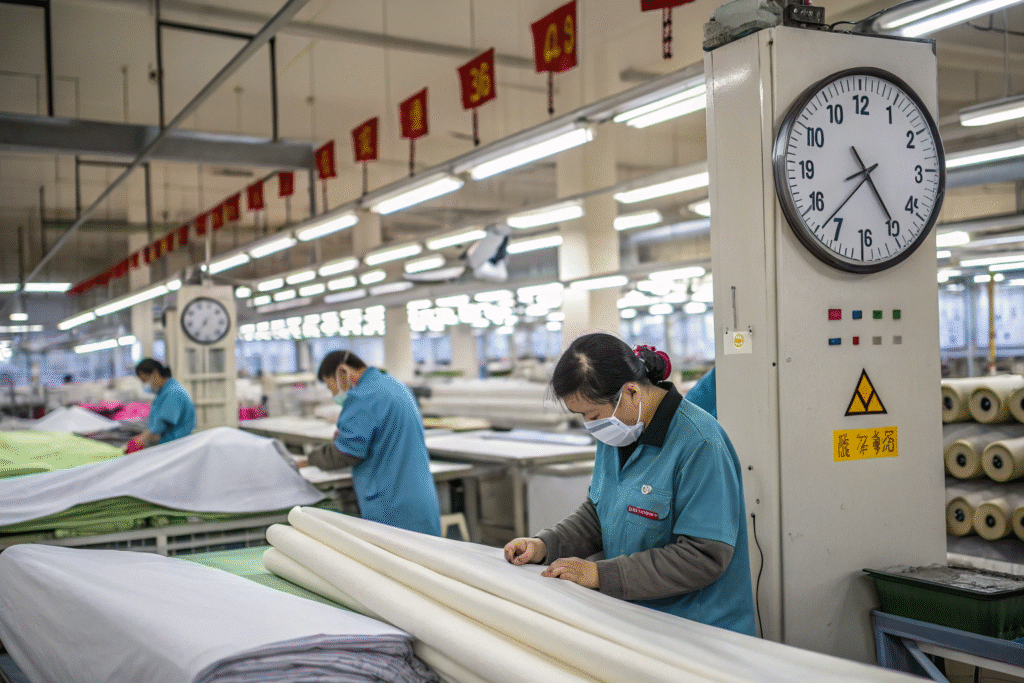
The raw material you choose—it sets the pace. Common materials like basic cotton or polyester... they often have readily available raw fibers. This means production can start quickly. However—specialty materials—they pose different challenges. Organic cotton may require certified supply chains, slowing down initial sourcing. Unique blends—bamboo and spandex, for instance—they need precise formulation, adding steps. Sourcing exotic fibers like certain wools or silks—that can involve longer procurement times. Seasonal or geographical limitations—they play a role too. Furthermore, the availability of raw materials—it's a key factor. A reliable manufacturer with strong relationships with fiber suppliers—they can navigate these sourcing hurdles much more efficiently. Personally I think that's crucial.
Why Do Order Quantity and Complexity Matter?
Your order size and design details—they directly impact the timeline. For large quantities, economies of scale often apply—but the sheer volume takes time to produce. A massive roll of simple jersey knit—it will move faster than a small batch of complex jacquard. Complex designs with intricate patterns, multiple colors, special technical treatments—they require more setup time. Each additional color in a print or weave—it means more machine adjustments. More quality checks too. Processes like garment dyeing or special finishes—moisture-wicking or flame retardancy—they add extra steps. These fabric finishing services—valuable for product differentiation—but must be factored into your schedule. Always discuss the specifics—the specifics of your design—with your manufacturer. Get an accurate time estimate, actually.
How to Accurately Estimate Your Fabric Timeline?
A precise timeline—it's your best defense against supply chain stress. It's not about guessing—it's about mapping out a detailed, phase-by-phase plan. With your manufacturing partner, to be honest.

What Are the Key Phases in the Fabric Production Process?
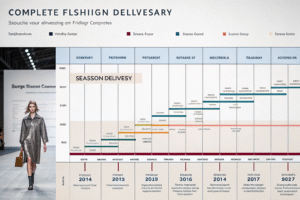
Breaking down the process into clear phases—it makes it manageable. The journey begins with Sourcing & Procurement. This involves securing the raw fibers or yarns—can take 1-3 weeks. Next is Yarn Production—where fibers are spun into yarn, typically 1-2 weeks. The core step—Fabric Formation—either weaving or knitting. This can be substantial—lasting 2-4 weeks depending on complexity and volume. Then comes Dyeing & Finishing—where fabric gets its color and functional properties. This stage—often 2-3 weeks. Finally, Quality Control & Inspection—crucial. Every meter of fabric must be checked for defects—against your standards. A process that ensures quality but requires 1-2 weeks. Understanding these phases—it helps you see where time is allocated, personally I think.
What Questions Should You Ask Your Supplier?
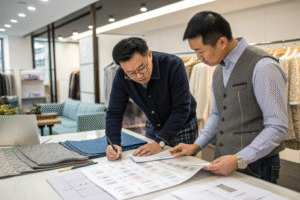
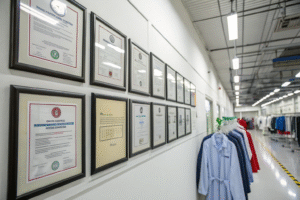
Getting a reliable estimate—it depends on asking the right questions. Don't just ask for a total time—ask for a breakdown. Key questions include: "Can you provide a detailed schedule for each production phase?" and "What is your current factory capacity—the workload?" You should also inquire about contingency plans: "What is your backup plan if a raw material is delayed?" and "How do you handle quality issues—the ones that might require re-production?" Furthermore, ask about their certifications in apparel manufacturing—they can indicate a structured process. A transparent supplier—they will have answers to these questions. Provide you with a realistic timeline, actually.
Can You Shorten Custom Fabric Manufacturing Lead Times?
Time is money—and in fashion, it's also relevance. While there is a physical limit to how fast fabric can be made—strategic partnerships and planning... they can optimize your timeline significantly.

How Does Integrated Manufacturing Save Time?
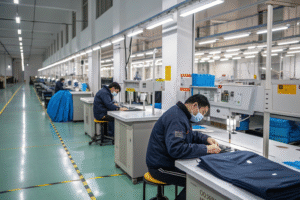
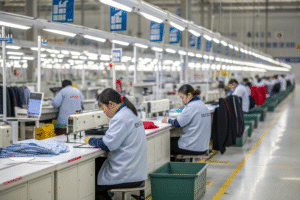
The biggest time-saver—working with a partner that controls the entire process. An integrated manufacturer—handling both fabric production and garment construction under one roof—it eliminates multiple handoffs. No need to ship fabric from a mill to a separate garment factory—that can save 1-2 weeks. Logistics and re-quality checks—they add up. This full-package production model—it means fabric goes directly from finishing line to cutting tables. This seamless transition—not only speeds up the overall timeline but improves communication too. Accountability as well. You have a single point of contact—managing the entire flow from raw material to finished apparel. Drastically reducing coordination delays, to be honest.
What Role Does Strategic Planning Play?
Your own preparedness—it's a critical factor. Finalizing your designs, tech packs, fabric specifications early—it avoids revisions. Revisions that can set the schedule back by weeks. Placing your order well in advance of your actual need—it provides the factory with more scheduling flexibility. Another powerful strategy—fabric standardization. If possible, using the same base fabric across multiple styles in a collection—it allows the factory to produce in larger batches. More efficient batches. For brands looking to be truly agile—exploring a pre-produced fabric inventory for core styles... that can be a game-changer. Allowing for near-instantaneous garment production upon order, actually.
What Are Common Delays in Fabric Sourcing?
Even with the best plans—delays happen. Being aware of the common pitfalls—it allows you to work with your supplier proactively. Prevent them rather than just reacting—when it's too late.

How Can You Avoid Logistics and Communication Bottlenecks?
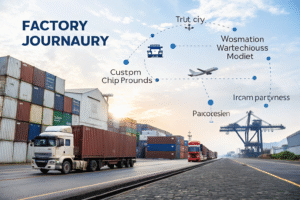
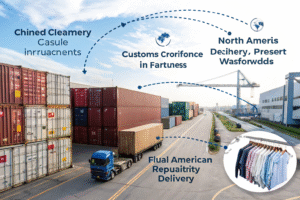
The journey of the fabric—it doesn't end at the factory gate. Shipping and customs—frequent delay points. A reliable partner—they will have expertise in international logistics for apparel—ensuring correct documentation. Efficient shipping routes too. Communication—another major bottleneck. Vague instructions, slow response times, time zone differences—they can cause significant setbacks. To avoid this—establish a clear communication protocol from the start. Defined single points of contact, scheduled weekly update calls, using shared digital platforms—for tracking progress and approvals. Personally I think that's essential.
How to Mitigate Quality and Compliance Issues?
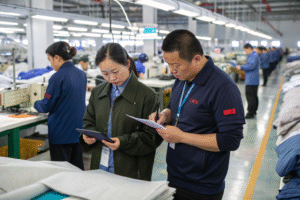
Nothing halts production faster—than a failed quality check. If a fabric batch doesn't meet the agreed-upon standards—the entire order may need to be re-made. Massive delays caused. To prevent this—insist on a comprehensive Quality Control process. Pre-production approvals and during-production inspections—they're crucial. Furthermore, compliance issues—they can be a hidden trap. If a supplier falsifies certificates or fails a social/compliance audit—it can stop your shipment indefinitely. Partner with a manufacturer that has verifiable certifications—a transparent operation. This due diligence at the partner selection stage—it saves immense time and stress later, to be honest.
Conclusion
Understanding the lead time for custom fabric manufacturing—it's fundamental to running a successful apparel brand. A profitable one too. It's a complex process—influenced by material choices, order details, production phases. However, this timeline—it's not set in stone. Through strategic planning, clear communication, partnering with an integrated manufacturer—you can gain significant control over your supply chain. Reduce risks too. Ensure your products hit the market on time, actually.
Don't let fabric delays be the bottleneck in your growth. If you're looking for a reliable partner—one who provides transparent timelines, rigorous quality control, seamless full-package production—we should talk. Let us help you bring your next collection to life efficiently. On schedule too. For a direct conversation—how we can manage your custom fabric and garment manufacturing needs—please contact our Business Director, Elaine. Her email is elaine@fumaoclothing.com, to be honest.