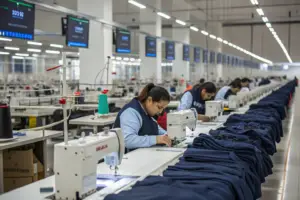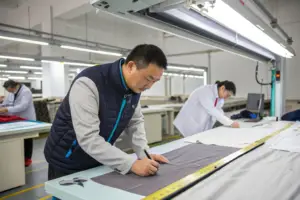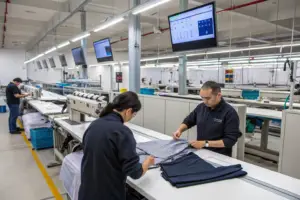
In today's competitive fashion landscape, improper garment fit can severely damage your brand's reputation and profitability. As American apparel brands increasingly source from overseas manufacturers, ensuring consistent fit becomes both a critical challenge and a significant opportunity. The solution lies in implementing a professional fit model process—a strategic approach that transforms how clothing fits your target market.
A professional fit model serves as the human standard for perfect garment fit, bridging the gap between technical designs and real-world customer wearability. This process ensures that samples approved for production translate into mass-manufactured items that consistently meet your sizing standards. For brands manufacturing in China and other overseas locations, a disciplined fit model system provides the first line of defense against costly sizing errors and customer dissatisfaction.
Why is a fit model fundamental for brand consistency and customer trust?
A fit model establishes the physical standard for your brand's sizing across all product categories. Without this living benchmark, your sizing chart remains merely theoretical numbers that lack real-world validation. Consequently, inconsistent sizing emerges as a primary driver of customer returns in e-commerce apparel sales.
Implementing a fit model process ensures that each size designation maintains consistent dimensions throughout your entire collection. This consistency becomes particularly crucial when working with various fabric types, since knit sweaters and woven blouses behave differently on the same body shape. By providing your manufacturer with precise fit model specifications, you eliminate guesswork and establish a reliable foundation for production.

How does a fit model directly reduce product return rates?
Product returns represent one of the most significant profit drains in the apparel industry. According to the National Retail Federation, size and fit issues rank among the top reasons for fashion returns. When customers receive garments that don't fit as expected, they lose confidence in your brand's sizing accuracy.
The fit model process addresses this problem proactively by validating garment fit during the sampling stage. By identifying fit issues before mass production, you prevent the manufacturing of thousands of ill-fitting units. This early intervention saves substantial costs associated with reverse logistics, inventory write-offs, and customer service handling. Moreover, improved fit accuracy leads to higher customer satisfaction, which subsequently generates positive reviews and repeat purchases.
What financial risks arise from omitting the fit model step?
Skipping the fit model process to save time or money often leads to severe financial consequences. The initial savings pale in comparison to potential losses from a failed production run. For instance, discovering that 10,000 units have incorrect sleeve lengths or torso proportions upon arrival creates a financial crisis.
The following comparison illustrates the risk differential:
| Action | Upfront Cost | Potential Downstream Cost |
|---|---|---|
| Using a Fit Model | Moderate (Model fee, time investment) | Low (Minor sampling adjustments) |
| Skipping a Fit Model | Low (Apparent time/money savings) | Very High (Returns, deadstock, brand damage) |
Additionally, you may face chargebacks from retailers, costly shipping for returns, and the expense of storing unsellable inventory. These financial impacts typically far exceed the initial investment in a professional fit model process, making it an essential risk management strategy.
How can you establish an effective fit model process with overseas manufacturers?
Creating a successful fit model process with international manufacturers requires systematic planning and clear communication protocols. Begin by developing comprehensive technical packages that include both design specifications and detailed fit model measurements. This foundation ensures all parties work from identical standards throughout production.
An efficient fit model process depends on three key elements: precise documentation, standardized workflows, and continuous feedback loops. Establishing clear procedures for fit sessions—including scheduling, sample requirements, and feedback formats—prevents misunderstandings and ensures consistent implementation of fit corrections. Consequently, this structured approach saves significant time during product development cycles.
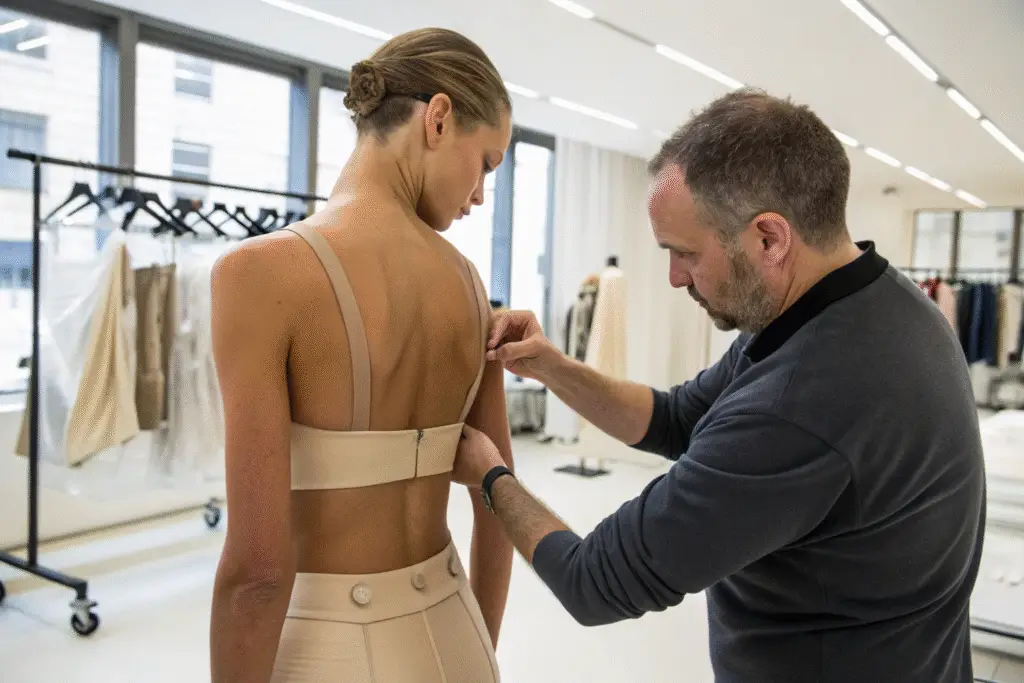
What specific measurements and data should manufacturers receive?
Providing exhaustive measurement data forms the cornerstone of successful fit collaboration. Beyond basic height, chest, waist, and hip measurements, include detailed specifications like shoulder slope, armhole depth, back width, and thigh circumference. These additional measurements vary in importance depending on garment type, but collectively they create a comprehensive fit profile.
Supplement these measurements with your graded size spec sheet to illustrate how base sizes scale across your range. Furthermore, include photographs of your fit model wearing samples from multiple angles (front, back, side). These visual references help factory pattern makers understand how fabrics drape and identify areas of pulling or excess fabric. This comprehensive data approach transforms subjective opinions into objective, data-driven improvements.
Which technological tools enhance cross-border fit collaboration?
Modern technology effectively bridges geographical gaps in fit development. Live video fit sessions enable real-time observation and discussion between your team and the manufacturer's technical staff. This immediate interaction replicates in-person sessions and facilitates instant clarification of fit issues.
Advanced solutions like 3D virtual sampling software, such as Browzwear, create digital twins of fit models for virtual garment testing. This technology significantly reduces the number of physical samples required, thereby accelerating development timelines and lowering costs. Implementing these tools demonstrates commitment to precision while substantially enhancing manufacturing partnership efficiency.
What are the most common fit challenges and their solutions?
Even with established fit model processes, specific challenges frequently emerge across apparel categories. Recognizing these common issues—such as drag lines across the back, collar gap, or poor sleeve pitch—enables proactive problem-solving. Each symptom indicates particular pattern-making deficiencies that require targeted corrections.
Systematic analysis of fit problems leads to precise pattern adjustments rather than generalized sizing changes. For example, horizontal drag lines across the upper back typically indicate insufficient back width, while collar gap often results from incorrect shoulder slope angles. Understanding these relationships enables effective communication with manufacturers about necessary pattern modifications.

How do you diagnose and resolve shoulder and sleeve fit issues?
The shoulder and sleeve area presents complex fitting challenges due to its multidimensional movement requirements. Begin diagnosis by having fit models perform various arm movements to identify restriction points. If sleeves feel tight or garments ride up during movement, the armhole likely requires adjustment in height or circumference.
Radiating wrinkles from the sleeve cap typically signal misalignment between the sleeve cap curve and armhole shape. Implementing a standardized fit comment sheet with body diagrams helps precisely document these observations. By marking specific areas of pulling, looseness, or wrinkling—combined with photographs and detailed descriptions—you provide manufacturers with exact information needed for pattern corrections.
What causes trouser fitting problems and how are they corrected?
Trouser fitting introduces unique challenges distinct from upper body garments. Common issues like drooping crotch, whiskering around the front hip, or baggy knees each stem from specific pattern flaws. A drooping crotch usually indicates an excessively long or low crotch curve, while whiskering near pockets suggests tightness across the high hip or thigh areas.
Correcting these problems requires targeted pattern alterations rather than overall sizing changes. For example, resolving a drooping crotch involves shortening the rise, while addressing thigh tightness requires letting out corresponding pattern areas. Accurate identification of these issues depends on having fit models with body proportions representing your target market, combined with manufacturer expertise in woven garment construction.
How does fit model investment impact overall business profitability?
The financial implications of fit model implementation extend throughout your business operations. While appearing as an additional cost initially, this investment delivers substantial returns across multiple business functions. A disciplined fit process directly reduces waste, prevents costly production errors, and enhances brand perception—all contributing to improved profitability.
Comprehensive fit model processes generate financial returns through multiple channels: reduced return rates, decreased deadstock, and strengthened customer loyalty. Well-fitting garments create satisfied customers who make repeat purchases and become brand advocates. This positive cycle drives sustainable growth while protecting brand reputation and market position.
Can fit model processes actually accelerate market delivery?
Despite perceptions of adding time to development, fit model processes ultimately accelerate time-to-market by preventing sampling iterations. Achieving correct fit in initial samples eliminates the protracted cycle of revisions and production delays. This efficiency enables earlier production scheduling and ensures timely market arrival for selling seasons.
This reliability proves particularly valuable for brands that have experienced delayed shipments from suppliers lacking robust fit processes. Predictable development timelines allow better marketing planning and inventory management, ultimately maximizing sales opportunities during peak demand periods.
How does fit consistency influence customer retention and lifetime value?
Fit consistency directly correlates with customer retention metrics. Customers experiencing reliable sizing across purchases develop trust in your brand, reducing hesitation in future buying decisions—especially important for e-commerce where fit uncertainty often prevents purchases.
Conversely, inconsistent fit typically results in permanent customer loss. Dissatisfied customers not only return items but also hesitate to purchase again and may share negative experiences online. Therefore, fit model investment represents strategic spending toward customer acquisition cost reduction and lifetime value enhancement rather than merely an operational expense.
Conclusion
Implementing a professional fit model process represents a strategic imperative rather than an operational luxury for apparel brands. This systematic approach to fit development serves as the foundation for quality control, brand consistency, and customer satisfaction across global supply chains. From reducing costly returns to ensuring shipment accuracy and timeliness, a rigorous fit process mitigates risks inherent in overseas production while protecting profitability.
The trust generated by consistent, reliable fit transforms first-time buyers into loyal brand advocates. If you seek a manufacturing partner who integrates fit model expertise into comprehensive production solutions, we invite collaboration. Let's discuss elevating your next collection through precision fit and quality craftsmanship. For detailed consultation on optimizing your production process, please contact our Business Director, Elaine, at elaine@fumaoclothing.com.