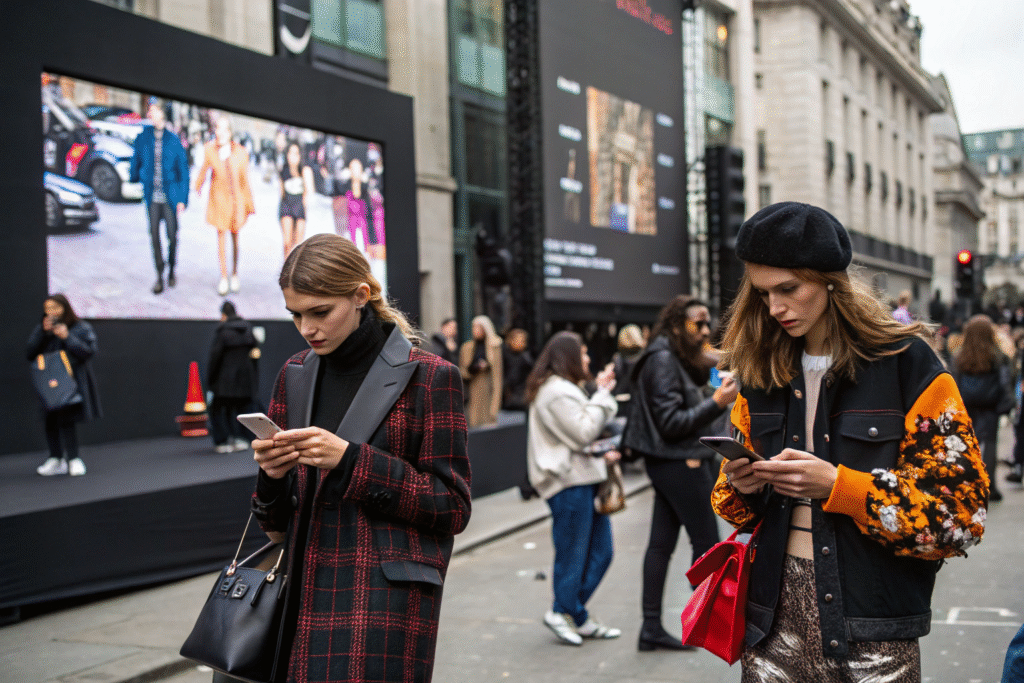
Social media has changed everything. For apparel brands and buyers like you, the old rules no longer apply. The fashion calendar has been compressed from seasons to seconds. This new speed creates both immense opportunity and significant risk. Are you struggling to keep up?
Social media has drastically accelerated fashion trend cycles, transforming how trends are born, spread, and fade. It has democratized influence, shortened product lifespans, and created a constant demand for newness, forcing brands to adapt their sourcing and production strategies for unprecedented speed.
The pace of change is relentless. A style can go viral on TikTok today and be forgotten next week. This puts immense pressure on your supply chain. You need a manufacturing partner who understands this new reality. A partner who can move as fast as the trends your customers are chasing. Let's explore how social media reshapes the industry and what it means for your business.
How Has Social Media Accelerated Trend Adoption?
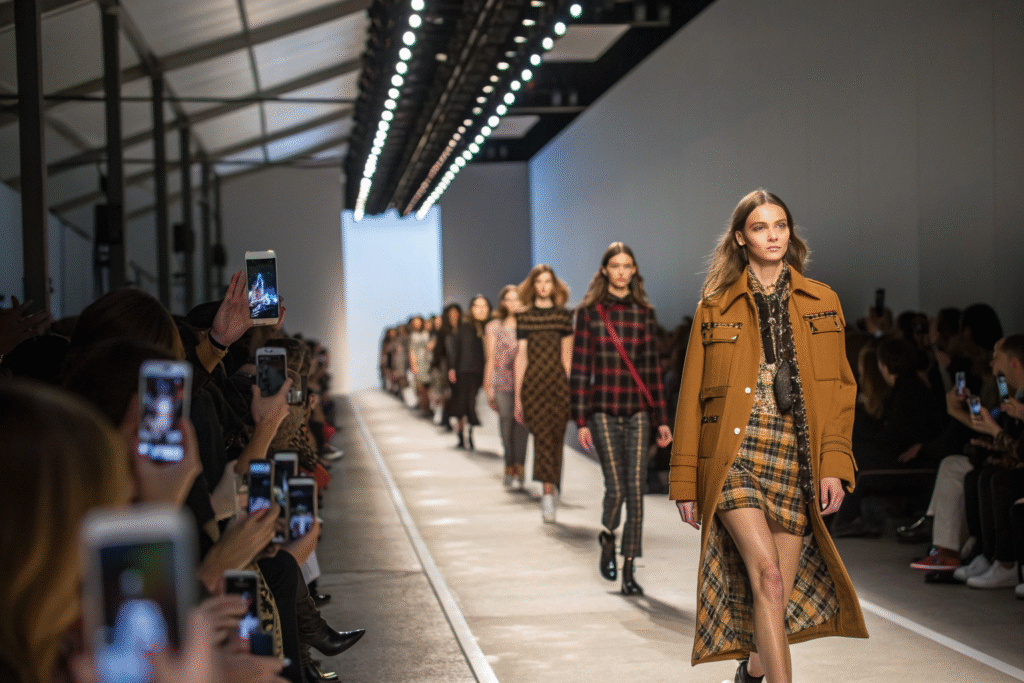
The journey from catwalk to consumer, which once took months, now happens in weeks or even days. Social media platforms act as global megaphones, instantly broadcasting new styles to millions. This instant visibility creates immediate demand, collapsing the traditional trend adoption curve.
What role do algorithms play in trend velocity?
Algorithms are the engines of modern trend cycles. Platforms like TikTok and Instagram use sophisticated algorithms to surface content. They identify emerging trends and push them to highly targeted audiences. This creates a powerful feedback loop. A style gains traction in a niche community. The algorithm then amplifies it to a broader, yet still relevant, audience. This process happens automatically and continuously. It means a trend can achieve global reach without any traditional marketing. For your brand, this means being prepared to source and produce hot items with incredible speed. Understanding these algorithms is now as important as understanding fashion itself.
How does user-generated content drive micro-trends?
User-generated content (UGC) is the fuel for micro-trends. In the past, trends were set by major designers and fashion magazines. Today, anyone with a smartphone can start a trend. A teen styling a thrifted shirt in a novel way can spark a global phenomenon. Platforms like Pinterest are full of DIY fashion ideas that gain massive followings. This democratization of influence leads to micro-trends. These are trends that peak and disappear very quickly. They often focus on a specific item or styling trick. For your business, this presents a challenge. You must decide which micro-trends are worth investing in. You need a flexible supply chain that can test small batches without high risk. Partnering with a manufacturer that offers low Minimum Order Quantity (MOQ) is crucial for capitalizing on these brief opportunities.
Why Is Agile Manufacturing Crucial in the Social Media Era?
In the age of social media, speed is a competitive advantage. Agile manufacturing is no longer a luxury; it's a necessity for survival. It refers to a production system that is fast, flexible, and responsive to sudden changes in market demand. When a product trends online, you have a narrow window to capitalize on it.
The traditional fashion calendar is obsolete. Brands can no longer rely on designing collections six months in advance. Social media creates immediate, unpredictable demand spikes. If your manufacturing partner is slow, you will miss the trend entirely. Your inventory will arrive too late, and you will lose sales to faster competitors. Agile manufacturing allows you to react in real-time. It involves streamlined communication, flexible production lines, and efficient logistics. This ensures you can get trending products to market while demand is still high.
What does a fast fashion supply chain look like?
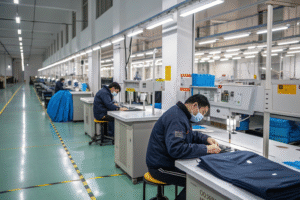
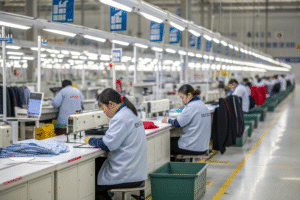
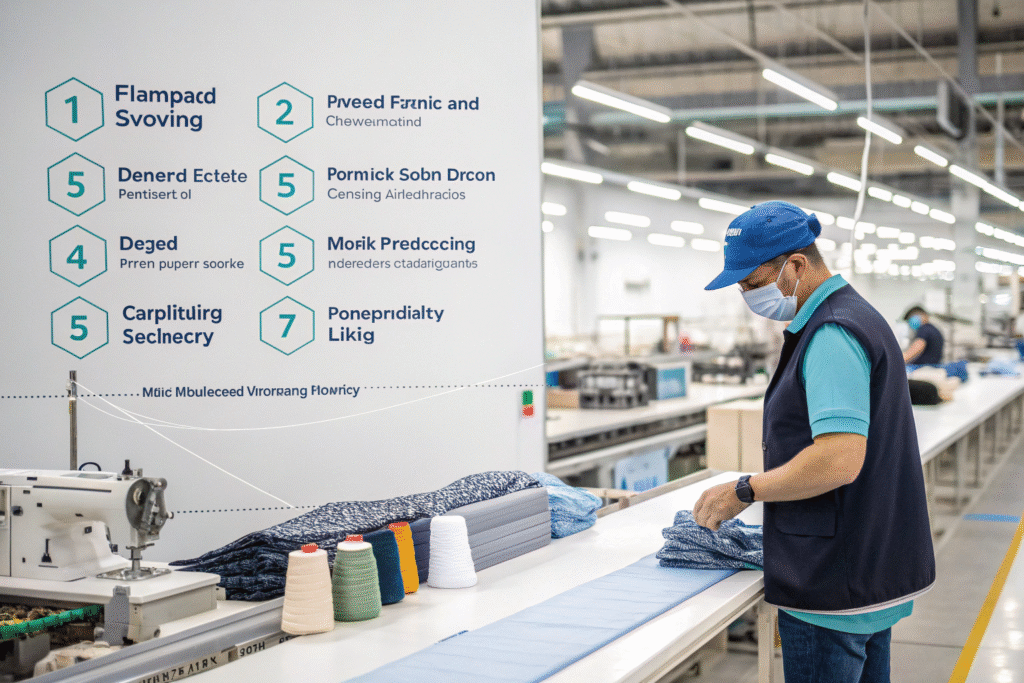
A modern, fast supply chain is integrated and transparent. It connects every step from material sourcing to final delivery. Key elements include on-demand fabric sourcing to avoid delays. It also requires multi-skilled production lines that can quickly switch between product types. For instance, our factory operates five dedicated production lines. This allows us to produce knitwear, woven garments, and activewear simultaneously without slowing down. Crucially, a fast supply chain has robust quality control checkpoints at every stage. This prevents errors that cause costly reworks and delays. Implementing a full-package production model is essential for this speed, as it gives you a single point of accountability.
How can you reduce time-to-market?
Reducing time-to-market requires optimizing every part of the process. Here are three key strategies:
- Localized Sourcing: Work with manufacturers who have established relationships with local fabric and trim suppliers. This cuts down material lead times significantly.
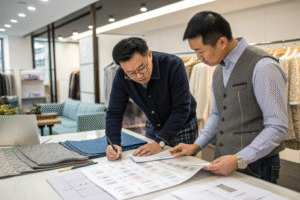
- Digital Prototyping: Use digital sampling and 3D design tools to approve designs remotely. This cuts the sampling stage from weeks to days.
- Pre-negotiated Logistics: Have shipping and freight options pre-arranged with your manufacturer. A reliable partner will handle export logistics seamlessly, often offering DDP (Delivered Duty Paid) services to simplify the process for you.
| Strategy | Traditional Timeline | Agile Timeline | Impact |
|---|---|---|---|
| Design Approval | 2-3 weeks (physical samples) | 2-3 days (digital samples) | Faster launch |
| Fabric Sourcing | 4-6 weeks | 1-2 weeks | Quicker production start |
| Production | 60-90 days | 30-45 days | Meet trend demand |
| Shipping | 30-45 days | 15-21 days (express options) | On-time delivery |
How Do Influencers Shape Consumer Demand?
Influencers have become the new gatekeepers of fashion. They bridge the gap between brands and consumers, providing authenticity and direct product validation. Their recommendations can make or break a product overnight, creating powerful, targeted demand that directly impacts your sales and sourcing plans.
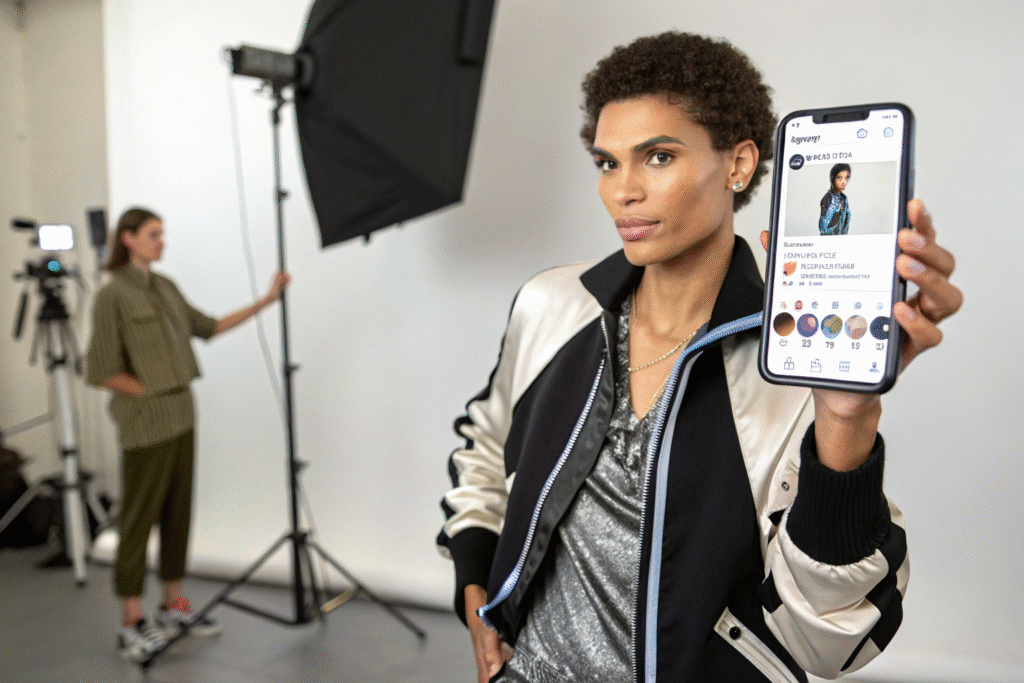
Gone are the days when consumers relied solely on celebrity endorsements. Today's micro and macro-influencers have highly engaged, niche audiences. When they feature a garment, their followers perceive it as a trusted recommendation from a peer. This drives immediate traffic and sales. For apparel brands, this means a single post can deplete inventory in hours. You must have a manufacturing partner capable of rapid replenishment. Furthermore, influencers often showcase the versatility of a product, inspiring multiple ways to wear an item and extending its lifecycle.
What is the difference between macro and micro-influencers?
The choice between influencer types depends on your campaign goals. Macro-influencers (1M+ followers) offer massive reach. They are ideal for building broad brand awareness quickly. However, their engagement rates can be lower, and their fees are high. Micro-influencers (10k-100k followers) offer higher engagement and niche targeting. Their audiences trust them deeply, leading to better conversion rates. For many of our brand partners, a strategy using several micro-influencers is more effective and cost-efficient than one macro-influencer. This approach allows for testing different styles and messages to see what resonates before scaling production.
How can you leverage influencer marketing for product development?
Influencers are a goldmine for product development insights. They are on the front lines, understanding exactly what their audience wants. You can collaborate with them in the early stages of design. They can provide feedback on prototypes, suggest colors or fits, and even co-design collections. This process de-risks your investment. You are essentially pre-selling the collection to the influencer's audience. By the time the garment goes into production, demand is already building. This data-driven approach to design is far superior to guessing what will sell. It ensures your production capacity is focused on items with proven appeal.
What Are the Sourcing Challenges in a Fast-Paced Cycle?
The speed of social media-driven trends creates significant sourcing challenges. The pressure to produce quickly can lead to compromises on quality, ethical standards, and logistics. Navigating these challenges is critical to protecting your brand's reputation and profitability.
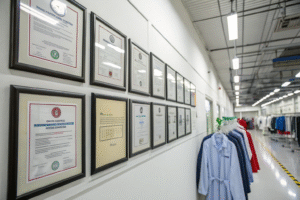
The biggest risk is supply chain failure. A delayed shipment can mean missing the entire selling season. Another major challenge is communication breakdown. When a trend is hot, you need immediate answers from your supplier on capacity, pricing, and timelines. Inefficient communication with a sales rep can waste precious days. Furthermore, the demand for speed can tempt some suppliers to cut corners, potentially falsifying quality certifications to secure orders. You need a partner whose reliability is as strong as their speed.
How can you ensure quality control with tight deadlines?
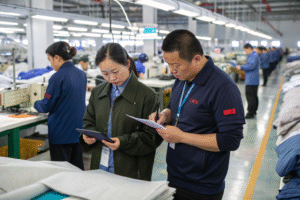
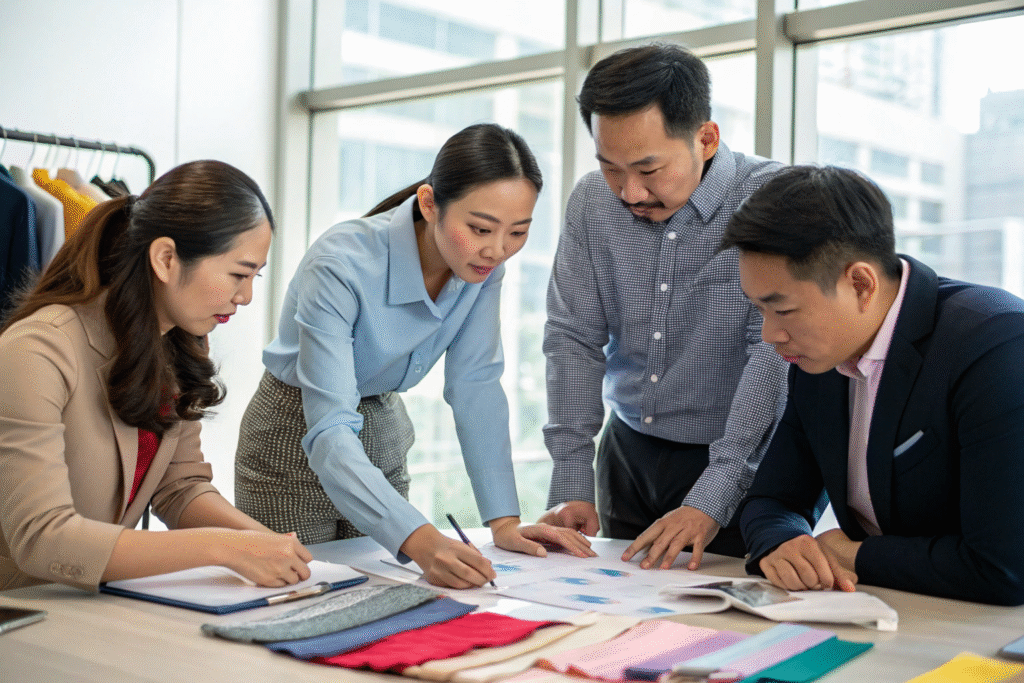
Rigorous quality control must be baked into the production timeline, not added at the end. This requires a proactive approach. First, implement in-process inspections. Our quality assurance team checks garments at every stage: after cutting, during sewing, and before finishing. This catches defects early, preventing a whole batch from being ruined. Second, use standardized checklists aligned with international standards. Finally, leverage technology. Share high-resolution photos and videos of production samples in real-time for instant approval. This transparent process eliminates surprises and ensures that the final products meet your exacting standards, even on a tight schedule.
What logistics solutions prevent delayed shipments?
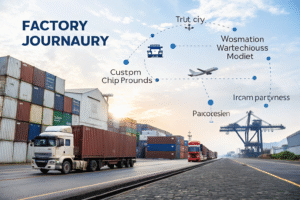
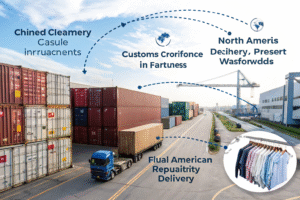
Preventing delays requires a strategic and diversified logistics plan. Building a strong relationship with a manufacturer that has its own export and logistics department is key. They can navigate customs and freight complexities more efficiently. You should also diversify your shipping methods. While sea freight is cost-effective for large orders, having an air freight option for urgent, trending items is essential. Many of our partners use a hybrid model. They produce a core collection via sea freight and use our express air logistics for fast-moving, trend-driven items. This ensures they always have stock to meet sudden demand spikes without incurring prohibitive costs on their entire inventory.
Conclusion
Social media has irrevocably transformed fashion trend cycles. It has created a world of unprecedented speed, democratized influence, and constant demand for newness. The ability to adapt to this new reality is what separates thriving brands from struggling ones. Success now hinges on a fast, flexible, and reliable supply chain. You need a manufacturing partner who understands the pressure you are under and can deliver both quality and speed.
Navigating this landscape alone is challenging. You need a partner who acts as an extension of your team, ensuring that when you identify a trend, you can capitalize on it fully and profitably. Let us help you build a supply chain that is as dynamic as the market you serve. For a reliable partnership that prioritizes your timeline and quality, reach out to our Business Director, Elaine, at elaine@fumaoclothing.com to discuss your next clothing order.