The way we create clothes is changing fast. For American apparel brand owners and buyers like you, the traditional garment development process can feel slow and full of surprises. Delays in sampling and miscommunication can push your timelines back, risking your valuable selling seasons. This is a real pain point we hear from our partners all the time. They need a faster, more reliable path from design to delivery.
The future of garment development meetings in 2026 is centered on hyper-efficient, digital-first collaboration. It moves beyond simple video calls to integrate 3D prototyping, AI-driven fabric selection, and cloud-based platforms that sync design, costing, and production in real-time. This evolution directly tackles the core industry pain points of delayed timelines and communication gaps, ensuring brands can bring products to market faster and with greater precision.
This shift is not just about new technology. It is about building a smarter partnership. As a factory owner, I have seen how outdated methods create friction. We are investing in the future to make your sourcing journey smoother. Let's explore the key trends that will define your product development experience in the near future.
How Can Digital Prototyping Speed Up The Sampling Process?
Waiting for physical samples is a major bottleneck. It eats up time and money. For a brand owner, a slow sampling process can mean missing a key trend window. This delay impacts your profit and market presence. You need a way to make decisions faster without sacrificing quality.
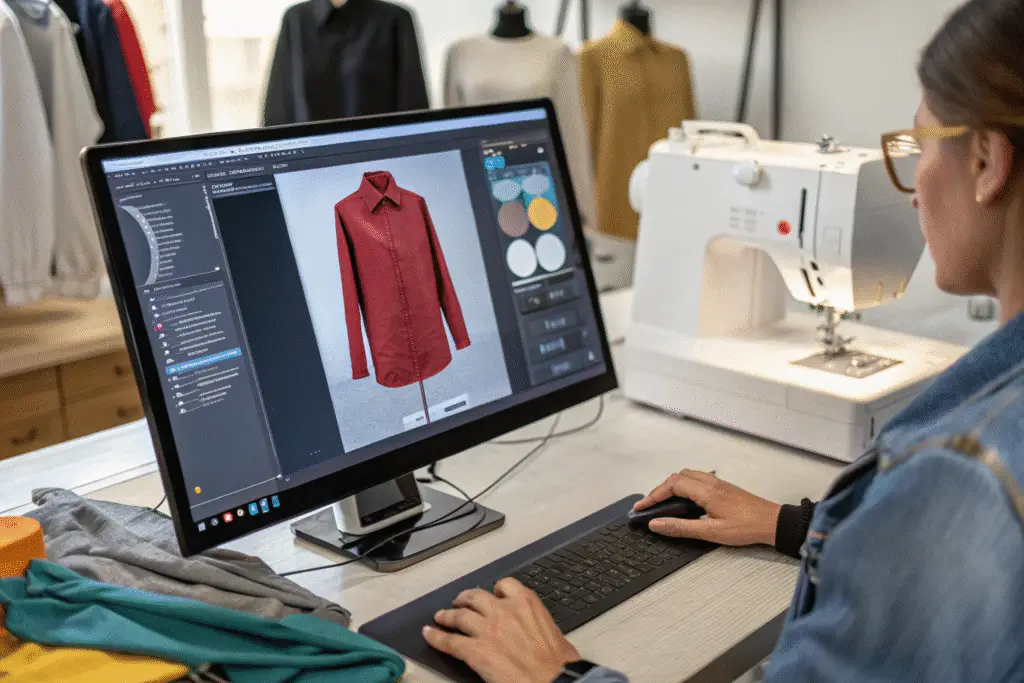
Digital prototyping is the game-changing solution. It uses 3D modeling software to create virtual samples of your garments. This allows you to see a realistic version of your design, make changes to the fit, and experiment with colors and fabrics—all before a single piece of physical material is cut. The core benefit is a drastic reduction in the number of physical samples needed, compressing weeks of back-and-forth shipping into days of online revisions.
What Are The Real Cost Savings Of 3D Sampling?
The financial benefits are clear. First, you save on the direct costs of fabric, trims, and shipping for multiple sample rounds. Second, you save valuable time. Time is money in the fashion business. A faster product development cycle means you can be more responsive to market trends. We implemented this with a partner in Los Angeles. They cut their sampling time by 70%. This allowed them to launch two extra collections that year. The speed also improved their inventory management. They could test designs with less financial risk.
How Does Virtual Fitting Improve Final Product Quality?
Virtual fitting leads to a better final garment. Advanced software can simulate how a fabric will drape and move on a digital avatar. This means fit issues can be identified and corrected early. You can see the tension on a seam or the bulk of a pocket before production. This proactive approach results in fewer errors in the mass production run. The final product that arrives at your warehouse will be closer to your original vision. This enhances your brand's reputation for quality.
Why Is Real-Time Collaboration Crucial For Brand-Factory Partnerships?
Inefficient communication is a top complaint from buyers. Endless email chains and confusing feedback loops lead to mistakes. When a factory sales rep is just a messenger, information gets lost. This creates frustration and can damage the partnership. You want a direct line to the production team.
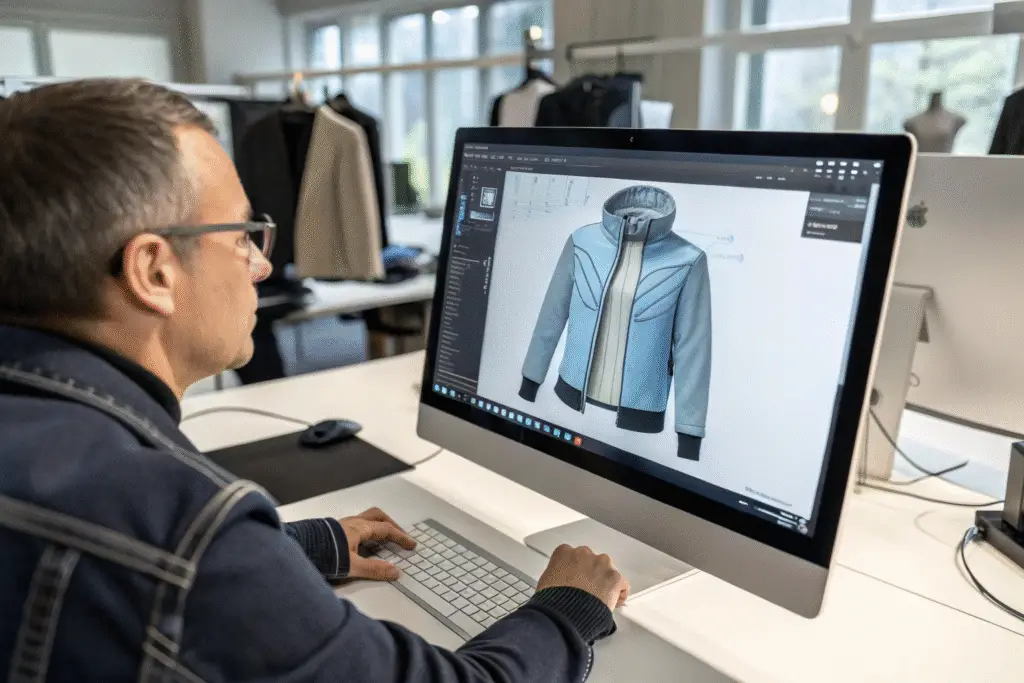
Real-time collaboration tools create a shared space for you and the factory. Imagine a secure online platform where your designs, comments, and the factory's technical feedback all live in one place. This transparency eliminates confusion. You can see the progress of your order anytime. It builds trust. This system makes the factory an extension of your own team, working towards the same goal.
What Features Should A Good Collaboration Platform Have?
A powerful platform is more than just a chat app. It should have:
- Centralized Commenting: Pin comments directly on tech packs or images.
- Version Control: Everyone always works on the latest file.
- Integrated Task Management: Track action items and deadlines.
- Cloud-Based Access: Review updates from any device, anywhere.
We use a platform that integrates these features. It has cut our email traffic with clients by half. The table below shows the impact.
| Communication Method | Average Issue Resolution Time | Error Rate |
|---|---|---|
| Traditional Email | 5-7 days | High |
| Real-Time Platform | 1-2 days | Low |
How Does Transparent Communication Prevent Shipping Delays?
Clear communication is the best way to prevent delays. When you can see each step, you can spot potential bottlenecks early. If a fabric is delayed, you know immediately. If there is a question about a stitch, it is resolved in hours, not days. This proactive problem-solving keeps the production schedule on track. It ensures your DDP shipping is booked on time. Your goods will arrive as planned, so you never miss your selling season again. This reliability is what makes a garment manufacturer a true partner.
What Role Will AI Play In Fabric Sourcing And Selection?
Choosing the right fabric is critical. It affects cost, quality, and performance. But sourcing can be a slow and manual process. You might have to wait for a sales rep to send you physical swatches. This slows down your decision-making. You need faster access to accurate information.
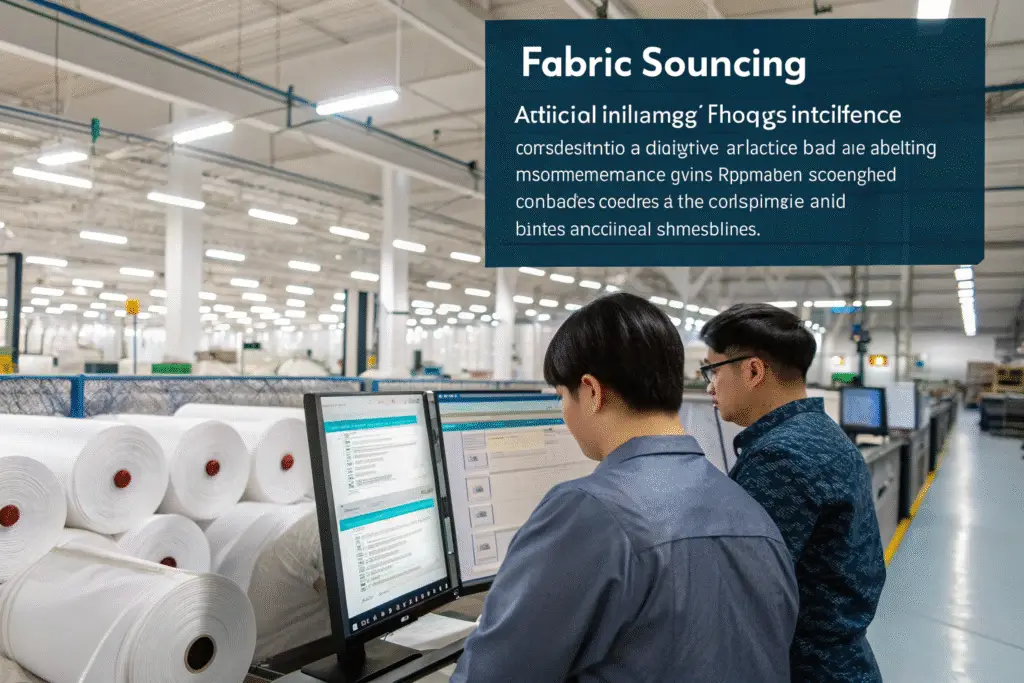
Artificial Intelligence is transforming fabric sourcing. AI tools can analyze your design specifications and recommend suitable materials from a vast global database. These systems can predict how a fabric will behave, its durability, and even its environmental impact. This gives you data-driven insights to make smarter, faster sourcing choices. It empowers you to find the best quality fabric at a competitive price point.
Can AI Help Ensure Fabric Quality And Authenticate Certifications?
Yes, this is a key benefit. One of your pain points is suppliers falsifying certificates. AI can help combat this. Some systems can cross-reference mill certifications with global databases to verify their authenticity. Furthermore, AI-powered quality control cameras in factories can detect fabric defects like weaving errors or color inconsistencies that the human eye might miss. This adds a powerful layer of verification, giving you peace of mind that the materials used meet your exact standards.
How Does AI-Driven Sourcing Impact Cost And Lead Times?
AI makes sourcing more efficient, which directly lowers costs and shortens lead times. By quickly identifying the best-fit suppliers and materials, AI eliminates weeks of manual research. It can also optimize the fabric utilization in marker making, reducing waste. This efficiency translates into a lower final cost for you. More importantly, it accelerates the entire pre-production phase. You get to the sampling and manufacturing stages faster, protecting your critical path to market.
How To Integrate Sustainable Practices Into Development Meetings?
Today's consumers demand sustainability. But integrating eco-friendly practices can seem complex. You might worry about higher costs or a lack of verifiable options. You need a manufacturing partner who can guide you through this process without compromising your budget or timeline.
Sustainable practices are now a core part of smart development meetings. This means discussing material choices, production waste, and social compliance from the very first call. It is about making informed decisions that are good for the planet and your brand. We proactively offer options like recycled fabrics and water-saving dyeing techniques. This allows you to build a responsible supply chain that resonates with your customers.
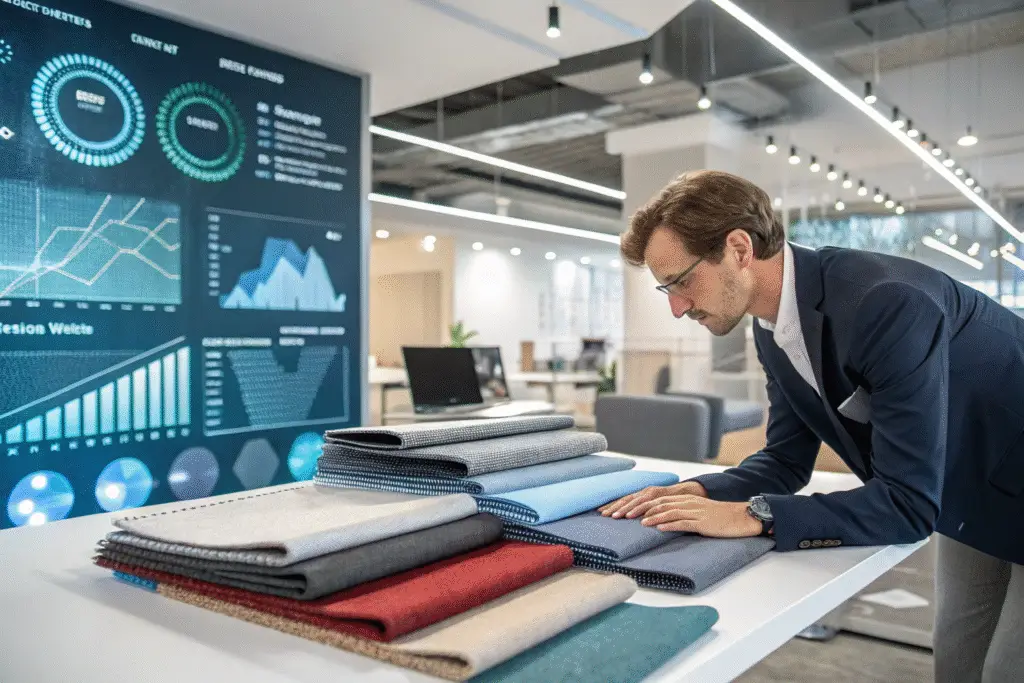
What Sustainable Material Options Are Available Now?
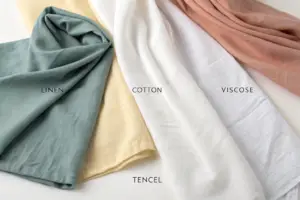
The range of sustainable materials is wider than ever. You are no longer limited to just a few choices. We regularly work with:
- Organic cotton
- Recycled polyester (from PET bottles)
- Tencel™ and other lyocells
- Linen and hemp blends
These materials are readily available and can be sourced competitively. During our meetings, we provide samples and full cost breakdowns. This makes it easy for you to choose an option that aligns with your brand values and price point.
How Can Transparency Build Trust In Your Supply Chain?
Transparency is the foundation of true sustainability. You need proof that your products are made responsibly. We address this by opening our doors virtually. We can share audit reports and sustainability certifications directly through our collaboration platform. We can even arrange live video tours of our production lines. This level of supply chain transparency builds deep trust. It gives you a powerful story to tell your customers, proving that your brand is committed to ethical and environmentally sound practices.
Conclusion
The future of garment development is bright, driven by digital tools and a partnership mindset. The shift to 3D prototyping, real-time collaboration, AI-aided sourcing, and integrated sustainability is not a distant dream. It is happening now. These advancements directly solve the old problems of delays, miscommunication, and quality concerns. They empower brand owners like you to be more agile, innovative, and competitive.
Adopting these future-ready practices requires a manufacturing partner who is already investing in this new way of working. We have built our infrastructure around these very principles to serve ambitious U.S. brands better. Let us help you streamline your development process and bring your apparel visions to market successfully and on time. To discuss how we can become your reliable manufacturing extension, please contact our Business Director, Elaine, at elaine@fumaoclothing.com.