A garment development meeting often feels like a high-stakes challenge. You arrive with creative ideas, detailed sketches, and a clear vision for your next collection. Yet sometimes, the final product fails to match your expectations. If you've experienced delays, miscommunication, or quality issues, you understand the frustration. These problems typically stem from unclear role definitions during the preparation phase.
Successful garment development meetings rely on collaboration, but the buyer carries the primary responsibility for delivering clear, comprehensive, and actionable information to the manufacturer. As the buyer, you must act as project leader, creative visionary, and chief communicator. When you enter these meetings fully prepared, you establish the foundation for smooth production, timely delivery, and products that accurately represent your brand identity. This clarity initiates a trusted partnership with your clothing manufacturer.
Let's examine how you can master these responsibilities and transform development meetings into powerful business growth opportunities.
What Should A Buyer Prepare Before A Garment Meeting?
Entering a garment development meeting without proper preparation guarantees delays and budget overruns. Your preparatory work establishes the foundation for the entire production process. It directly influences your quality control outcomes and your ability to meet crucial market deadlines. Thorough preparation demonstrates to your manufacturer that you operate as a professional and committed partner.
The essence of your preparation involves delivering a complete and detailed information package. This serves as your definitive reference point and ensures all parties begin with aligned understanding.

How Can a Tech Pack Streamline The Development Process?
A comprehensive tech pack represents your most vital tool, functioning as the garment's blueprint. Relying solely on verbal descriptions invites misunderstanding. An effective tech pack contains detailed flat sketches, construction specifications, a bill of materials (BOM), and precise garment specification documents. This package eliminates factory guesswork, enabling accurate cost calculations and early identification of potential production challenges. Consider your tech pack the master guide that directs every department from fabric sourcing through final stitching.
Why Are Reference Samples And Fabric Swatches Critical?
While tech packs provide technical data, physical samples and swatches deliver tangible references. Always bring reference samples from previous seasons or competitor products that demonstrate desired fit, finish, or specific design elements. Similarly, supplying exact fabric swatches remains non-negotiable. When you require specific materials like particular organic cotton varieties or performance blends, physical swatches establish quality benchmarks. This combination of digital specifications and physical examples gives manufacturers complete perspective on your expectations, significantly reducing sampling errors.
How To Communicate Your Vision Effectively To Your Manufacturer?
Clear communication builds the essential bridge between your creative vision and the manufactured product. Effectiveness depends not only on what you communicate but how you ensure your message gets understood. Inefficient communication causes expensive mistakes and reworks, consuming both time and financial resources. Strong communication practices build trust and transform your manufacturer into a genuine partner for realizing your designs.
This process extends beyond simple file sharing to creating shared understanding with your production team.

What Is The Role Of A Clear Design Vision And Brand Identity?
Articulating your design vision and brand identity with precision remains fundamental. Explain the strategic reasoning behind your collection. Define your target customer and convey your brand's narrative. This contextual information helps the manufacturer's team make informed decisions aligned with your objectives. For example, when your brand emphasizes sustainability, the factory can recommend eco-friendly fabrics and construction methods matching your values. Manufacturers who comprehend your brand ethos can proactively suggest solutions that enhance your products rather than simply executing orders.
How Can You Establish A Robust Feedback Loop?
Effective communication requires two-way interaction. Establishing a clear, efficient feedback mechanism from the initial meeting proves crucial. Determine primary communication channels—whether email for formal approvals or platforms like Asana for project management. Agree on response timeframes and key contacts. This prevents message loss and ensures the factory's technical team receives prompt answers to their questions. Structured feedback processes maintain project momentum and demonstrate your dedication to smooth collaboration.
What Are The Key Technical Details A Buyer Must Provide?
Technical specifications form the essential DNA of your garment. Neglecting or vagueness about these elements primary causes sample failures and quality standard violations. As the buyer, you serve as the source for this technical information. Providing accurate, standardized data represents your critical responsibility for successful apparel production.
These details establish the basis for cost negotiations and quality assurance processes. Ambiguity inevitably leads to cost variations and subsequent quality problems.

Why Is A Detailed Bill of Materials (BOM) Non-Negotiable?
The Bill of Materials (BOM) constitutes a comprehensive inventory of all raw materials, trims, and components required for your garment. This includes not only primary fabrics but also threads, zippers, buttons, labels, and interlinings. Each item demands detailed specification. For instance, avoid simply listing "zipper"—specify "YKK #5 vislon nylon zipper in charcoal grey." This precision enables accurate factory sourcing and provides transparent cost breakdowns. Vague BOMs encourage substitutions that may compromise your quality standards.
| Component | Detailed Specification | Importance |
|---|---|---|
| Main Fabric | 94% Organic Cotton, 6% Elastane, 240 GSM, Brushed Back | Defines hand feel, weight, and performance. |
| Thread | 100% Core-Spun Polyester, Color Matched to Pantone 19-4052 | Affects seam strength and aesthetic. |
| Zipper | YKK #3 Vislon Nylon, Separating, Color: Jet Black | Ensures functionality and durability. |
| Label | 100% Satin Wash Care Label, 2" x 1" | Provides consumer information and brand touch. |
How Do Fit And Quality Standards Define Your Product's Success?
Establishing fit and quality standards from the outset remains essential. Provide fit bases or graded spec sheets for factory reference. When you require specific quality standards like AATCC test methods for colorfastness or fabric performance, communicate these requirements during development meetings. Never assume factories automatically default to your quality level. Clearly state expected fit sample rounds and flaw tolerances for final inspection. Setting these benchmarks early prevents conflicts and ensures bulk shipments meet your precise standards.
How To Manage Timelines And Logistics With Your Supplier?
Perfect garments provide no value if they miss selling seasons. Managing timelines and understanding logistics processes represent critical buyer responsibilities. Shipping delays significantly impact profits, causing missed opportunities and forced discounting. Proactive timeline management demonstrates your organizational skills and respect for the production process.
This responsibility encompasses understanding the complete journey from initial ordering through warehouse delivery.
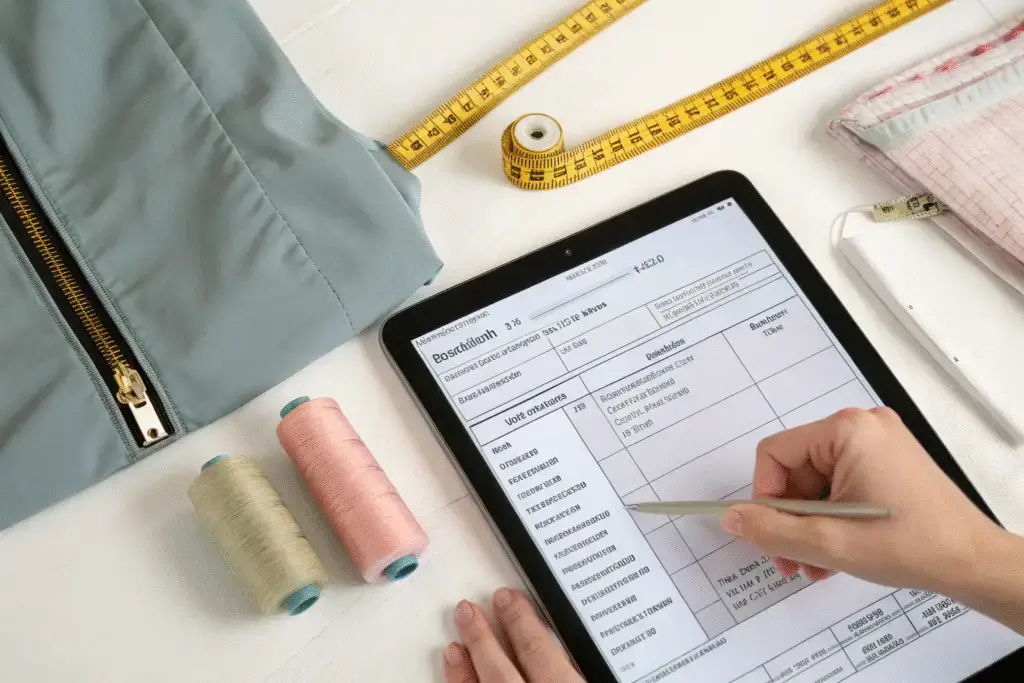
While factories provide production schedules, you bear responsibility for approving realistic timelines that include buffer periods for unexpected delays. You must also meet your own deadlines, particularly providing sample feedback within agreed timeframes. Two-day delays on your part can create week-long production setbacks. Utilize shared project timeline tools or simple Gantt charts to monitor progress. Collaborative calendar management maintains mutual accountability and provides the strongest protection against missed shipping dates.
What Logistics Terms Should Every Buyer Understand?
Comprehending logistics terms proves essential, particularly when using DDP (Delivered Duty Paid) Incoterms. Under DDP arrangements, suppliers manage all logistics and risks until goods reach your U.S. location. You must confirm these terms and supply necessary documentation for smooth customs clearance. Understand shipping lead times for both sea and air transport. Request your supplier's planned shipping routes and estimated arrival dates. Logistics awareness prevents costly surprises and enables proper inventory and marketing planning.
Conclusion
The buyer's function in garment development meetings combines leadership with meticulous preparation. You establish direction through clear tech packs, precise technical details, and compelling brand vision. You enable collaboration through effective communication and structured feedback systems. You protect your investment through active timeline and logistics management. By completely embracing these responsibilities, you convert development meetings from potential conflict sources into powerful strategic advantages. This approach builds reliable supply chains that consistently deliver quality products on schedule.
When you're prepared to partner with a manufacturer that respects your preparation and responds with exceptional execution, we should connect. Fumao Clothing specializes in guiding brands through seamless development and production processes. Contact our Business Director, Elaine, today to explore your next project at elaine@fumaoclothing.com.