When I first started printing T-shirts, choosing the wrong fabric cost me customers. Poor fabric choice resulted in prints fading quickly or cracking, leading to customer complaints and costly returns. So, what fabric is best for printing T-shirts?
Cotton is widely regarded as the best fabric for T-shirt printing, especially for screen printing and direct-to-garment (DTG) methods. It absorbs ink effectively, holds vibrant colors, offers superior comfort, and ensures durability. Cotton-poly blends are also popular, offering affordability and durability.
Clearly understanding which fabrics produce the best results, how printing methods affect durability, and choosing quality materials ensures my printed T-shirts consistently satisfy customers. Let's dive deeper into these topics clearly.
What Is the Best T-Shirt Material for Printing?
When I first began printing shirts, using poor-quality materials led to faded designs and unsatisfied customers. Misjudging fabric quality cost me time and reputation. What exactly is the best material for printing T-shirts?
The best T-shirt materials for printing are 100% cotton and cotton-polyester blends. Cotton offers excellent ink absorption, vibrant colors, and durability. Cotton-poly blends provide added durability, reduced shrinkage, and affordability, ideal for promotional shirts, bulk orders, and everyday wear.
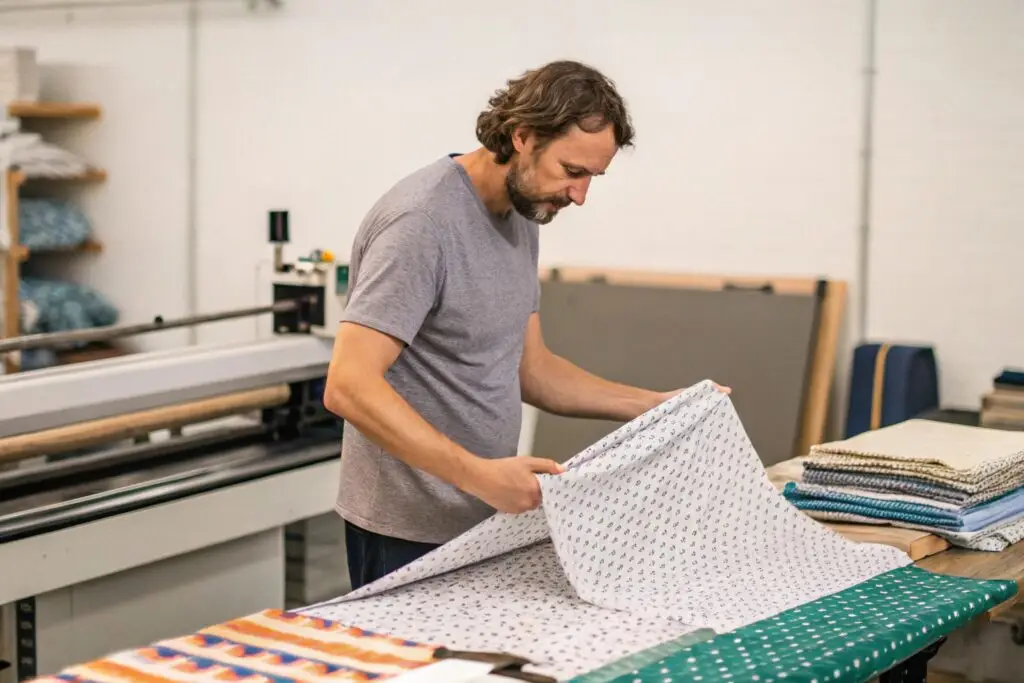
Comparison of Popular T-Shirt Materials:
Clear comparison to help select the best materials:
| Fabric Material | Ink Absorption | Comfort | Durability | Ideal Use |
|---|---|---|---|---|
| 100% Cotton | Excellent | High | Good | Premium, durable apparel |
| Cotton-Poly Blend (50/50) | Good | Good | Very Good | Promotional, bulk apparel |
| Polyester (100%) | Poor | Moderate | Excellent | Athletic wear, sublimation printing |
Advantages of 100% Cotton for T-Shirt Printing:
Clear reasons why I prefer cotton for my business:
- Ink Absorption: Superior ink penetration results in vibrant, lasting colors.
- Comfort: Soft, breathable fabric enhances wearer satisfaction.
- Durability: Better withstands frequent washing without cracking or fading.
Which Type of Fabric is Best for a T-Shirt?
When I first started sourcing fabrics, confusion over fabric types caused customer dissatisfaction due to shrinking or poor comfort. Understanding clearly the best fabric type is crucial. What type of fabric should I choose for making T-shirts?
100% cotton remains the most popular and best fabric choice for T-shirts, thanks to its softness, breathability, and comfort. It’s gentle on the skin, absorbs moisture effectively, and provides superior print quality. Cotton-poly blends also offer affordability, durability, and reduced shrinkage for everyday use.
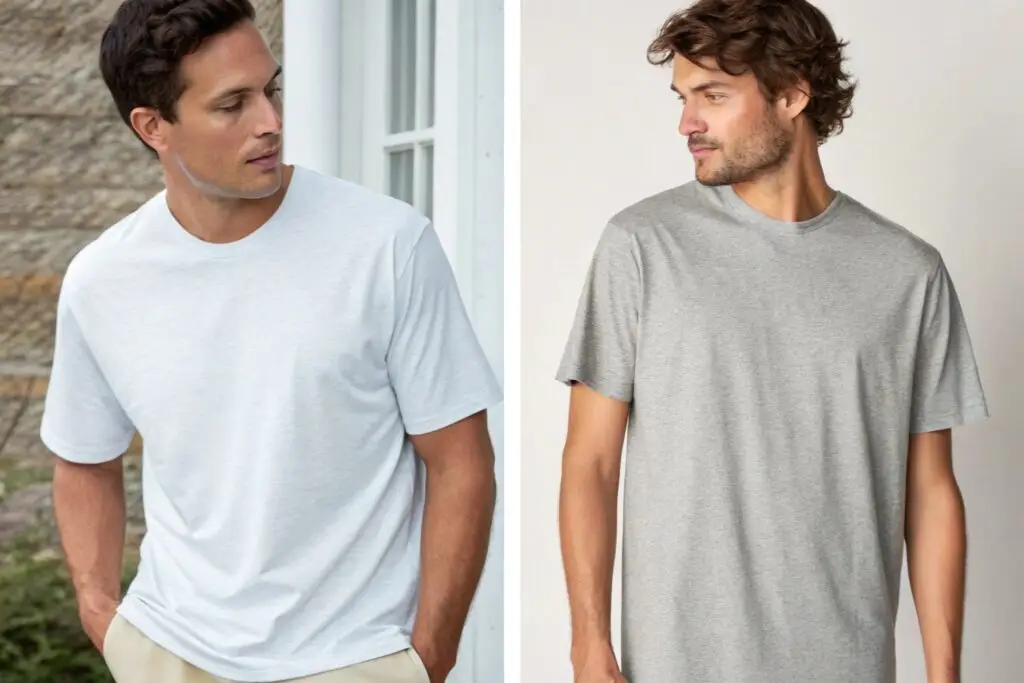
Comparison of Fabrics for T-Shirts:
Clear guidelines for choosing the right fabric:
| Fabric Type | Comfort | Durability | Breathability | Ideal Usage |
|---|---|---|---|---|
| 100% Cotton | High | Good | Excellent | Casual wear, premium products |
| Poly-Cotton Blend | Good | Very Good | Good | Everyday apparel, bulk printing |
| Tri-blend | Excellent | High | Good | Premium softness, stylish apparel |
| 100% Polyester | Moderate | Excellent | Limited | Sports apparel, sublimation printing |
Why Choose Cotton Over Synthetic Fabrics?
Clearly understanding the advantages of cotton over synthetic fibers:
- Comfort & Breathability: Cotton naturally feels softer and is breathable.
- Excellent Print Results: Prints clearly, brightly, and lasts longer.
- Hypoallergenic: Reduces skin irritation and improves customer comfort.
Choosing cotton improved customer satisfaction and reduced returns significantly.
What Type of T-Shirt Printing Lasts the Longest?
Initially, choosing the wrong printing method caused prints to fade or peel quickly. Customers complained about poor durability. Clearly knowing which printing methods last the longest is important. Which T-shirt printing method is the most durable?
Screen printing is the most durable T-shirt printing method, lasting 40–50+ washes without significant fading or peeling. High-quality plastisol inks used in screen printing create vibrant, permanent designs. Sublimation printing is also highly durable but suitable mainly for polyester fabrics, while DTG and vinyl offer moderate durability.
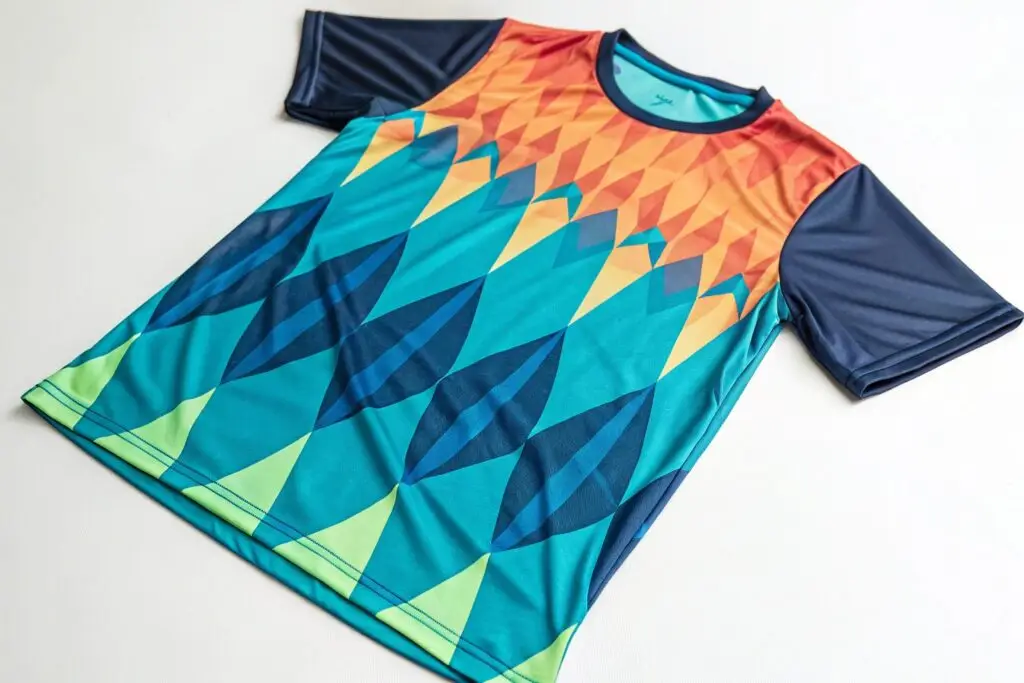
Durability Comparison of T-Shirt Printing Methods:
Clear breakdown based on my experience:
| Printing Method | Durability (Washes) | Ideal Fabric |
|---|---|---|
| Screen Printing | 40–50 washes | Cotton, blends |
| Sublimation Printing | 50+ washes | 100% Polyester |
| DTG Printing | 20–30 washes | Cotton, cotton blends |
| Heat Transfer Vinyl | 20–25 washes | Cotton, Poly blends |
How to Improve the Durability of Prints?
Simple tips for enhancing print durability clearly:
- Choose Quality Inks: High-quality inks greatly increase print life.
- Proper Curing: Proper curing ensures inks set permanently.
- Fabric Selection: Using high-quality cotton or appropriate blends significantly enhances print longevity.
What Is the Best Quality to Print on a T-Shirt?
Initially, unclear knowledge of quality indicators led me to select poor-quality prints. Customers were dissatisfied, negatively impacting my brand reputation. What clearly defines the best quality printing for T-shirts?
Screen printing with plastisol inks provides the best quality for printing on T-shirts. This method ensures vibrant colors, precise detail, and high durability, especially suitable for bulk production. DTG printing is ideal for highly detailed prints on smaller orders, while sublimation excels on polyester garments.
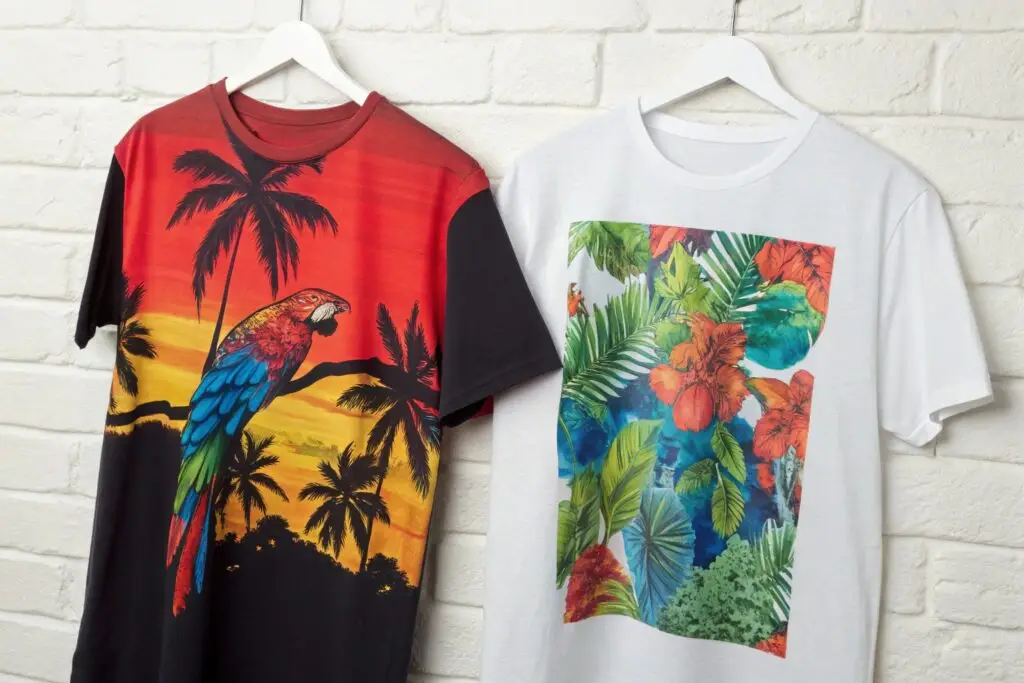
Comparing Best Quality Printing Methods:
| Method | Print Quality | Ideal Order Size | Recommended Fabric |
|---|---|---|---|
| Screen Printing | High Quality, Durable | Bulk (50+) | Cotton |
| DTG Printing | High Detail, Good Quality | Small batches | Cotton |
| Sublimation | Extremely Vibrant, High Durability | Small-Medium | Polyester |
Clearly understanding these differences helps me choose the best method for every customer.
How Does Fabric Choice Affect Print Quality?
Fabric significantly impacts print quality:
- Cotton: Excellent ink absorption, vibrant colors.
- Polyester: Best for sublimation prints but poor for traditional inks.
- Blended Fabrics: Balance affordability, durability, and print quality.
Conclusion
Clearly knowing which fabrics and printing methods yield the highest-quality, longest-lasting T-shirt prints significantly enhances customer satisfaction and reduces returns. Choosing cotton or blended fabrics and matching printing methods clearly with needs ensures profitability, brand trust, and long-term success.