Sustainable fashion manufacturing isn’t a trend—it’s the new industry baseline. As climate policies tighten, materials evolve, and consumers hold brands accountable, ethical production is no longer optional for U.S. apparel buyers. At Fumao Clothing, we’ve adapted our entire production ecosystem to meet new expectations in 2025.
In 2025, sustainable fashion manufacturing means using eco-certified materials, applying low-impact processes, managing waste responsibly, adopting transparent supply chains, and aligning with both environmental and social governance standards.
In this blog post, I’ll walk you through what sustainable manufacturing really looks like today—across fiber sourcing, dyeing, labor, emissions, and certifications—so your brand can stay compliant and competitive.
What Are the Key Materials Driving Sustainable Fashion?
Brands are shifting from traditional cotton and polyester to innovative and traceable fibers that minimize environmental damage.
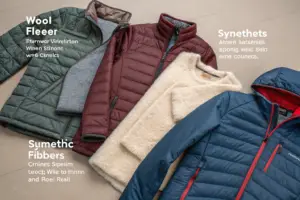
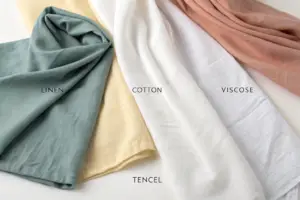
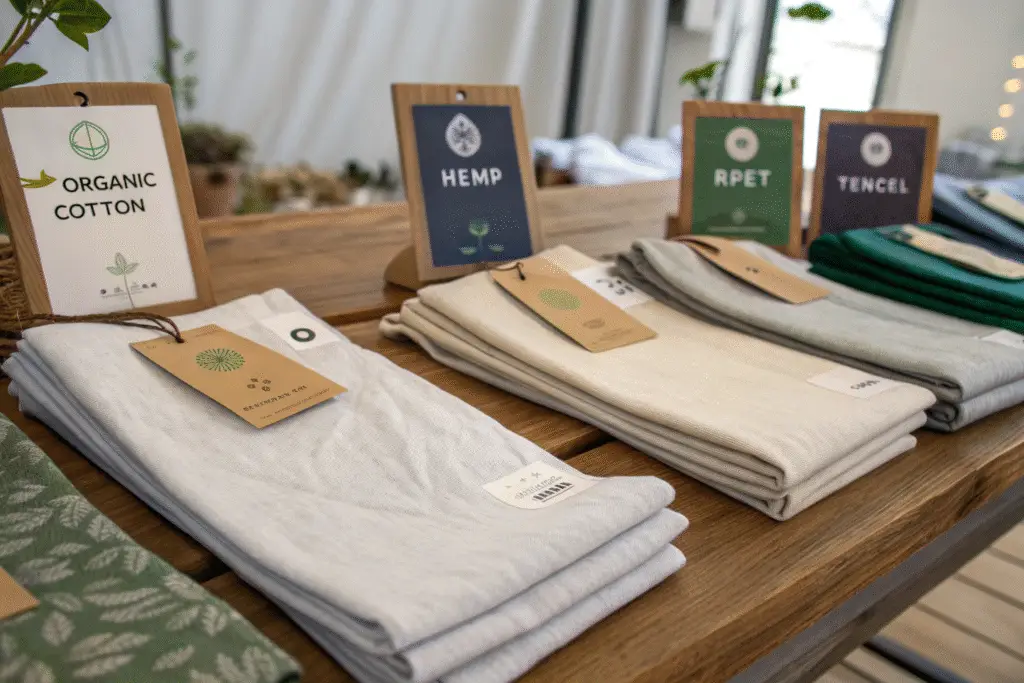
The most widely used sustainable materials in 2025 include GOTS-certified organic cotton, recycled polyester (rPET), TENCEL™ lyocell, hemp blends, and closed-loop viscose options like EcoVero™.
Why Is Organic Cotton Still a Core Sustainable Fiber?
Organic cotton is now mainstream because it reduces water use and eliminates pesticides. According to Textile Exchange, GOTS-certified organic cotton grew by over 45% globally in 2024. It’s biodegradable, breathable, and ideal for babywear, basics, and luxury blends.
Our factory sources from verified GOTS suppliers across China and India, ensuring every batch has chain-of-custody tracking.
What’s New in Recycled Polyester Sourcing?
rPET, made from post-consumer plastic bottles, remains a top choice for sportswear and outerwear. The 2025 version of GRS (Global Recycled Standard) now requires stricter chemical testing and energy transparency.
We support clients by providing traceable yarn certificates and real-time yarn inventory from our local spinner in Zhejiang.
How Are Manufacturing Processes Becoming More Eco-Friendly?
Sustainable manufacturing is not just about what goes into the product—but how it’s made.
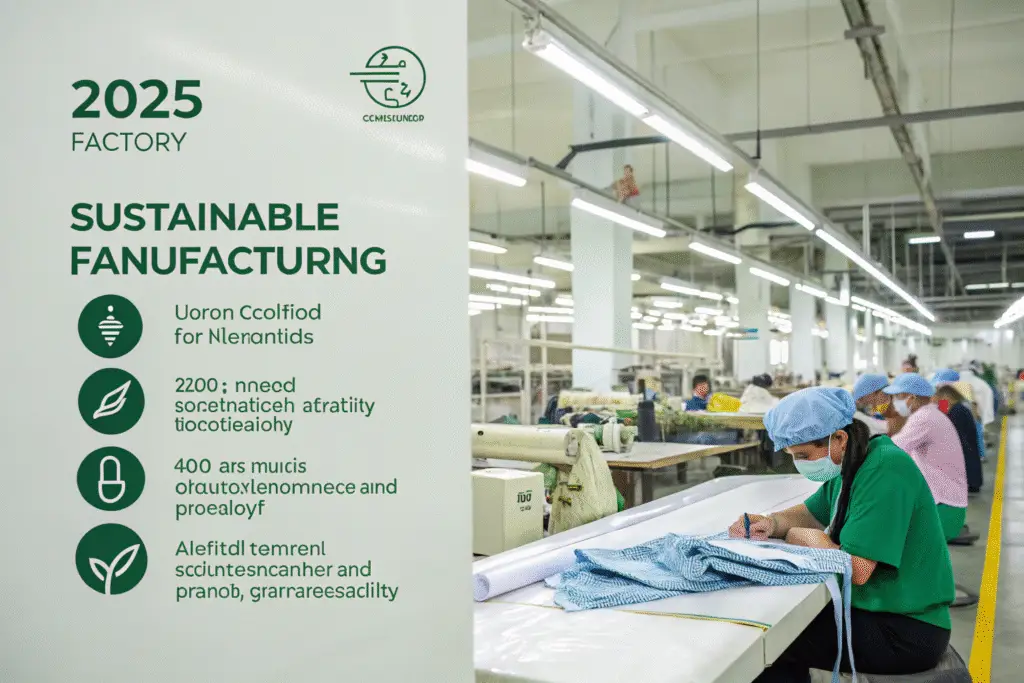
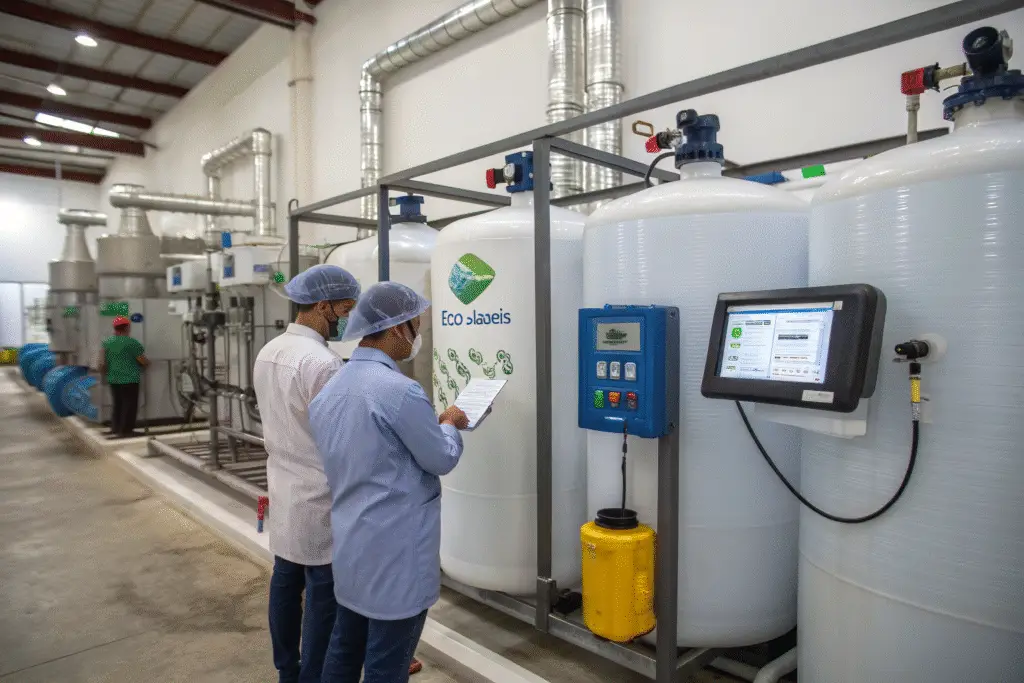
Key process improvements in 2025 include waterless dyeing, digital printing, solar-powered factories, chemical recycling, and advanced wastewater treatment systems.
What’s the Role of Digital Dyeing and Finishing?
Technologies like Dope Dyeing and Kornit’s pigment printing allow color to be added during yarn spinning or digitally applied with minimal waste. We’ve adopted low-liquor ratio dyeing machines that reduce water use by 80% and color variation by 95%.
Our clients get lab dips with water and energy consumption data attached—key for ESG reporting.
How Do Factories Manage Chemical Use and Waste?
We now follow ZDHC protocols that monitor and eliminate hazardous substances. Our dyeing partners use Bluesign®-approved input chemicals and track wastewater in real-time.
We also repurpose excess fabric as trims or samples, reducing end-of-line waste by 15% compared to 2022.
How Is Worker Welfare Integrated into Sustainability?
Sustainability in 2025 is also about people—not just the planet. Factories now need to meet global labor and health standards to be called ethical.
Worker-centric sustainability includes fair wages, clean working environments, social audits, and long-term upskilling for factory employees.
What Are the Standards Brands Look For?
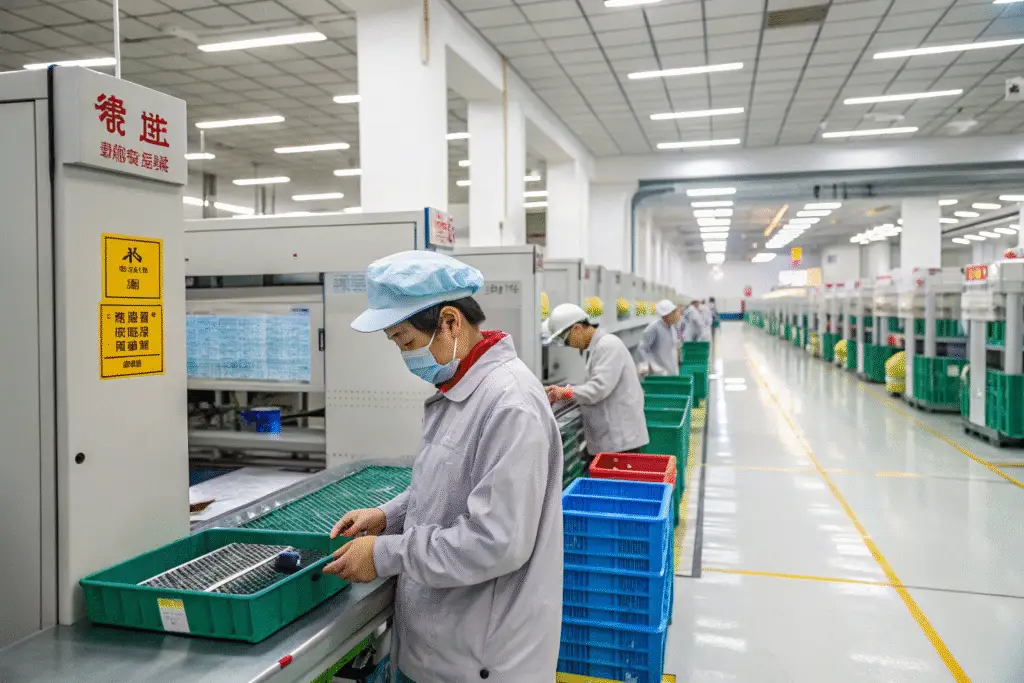
Brands now demand that factories pass social audits like amfori BSCI or SMETA (Sedex). We share audit scores, accident logs, and grievance handling reports with buyers before bulk PO confirmation.
In our own factory, we’ve added filtered air systems, LED task lighting, and an anonymous feedback platform via WeCom for all staff.
How Do We Support Gender & Family Welfare?
We hire and retain female sewing line leaders, offer on-site daycare during school holidays, and partner with Better Work China for gender safety audits.
Brands like Ron’s gain not just product value, but PR credibility when buyers see real change beyond certifications.
What Certifications and Traceability Tools Are Required in 2025?
Verbal claims of “eco-friendly” no longer fly. Buyers in 2025 require verified third-party proof across materials, labor, and logistics.
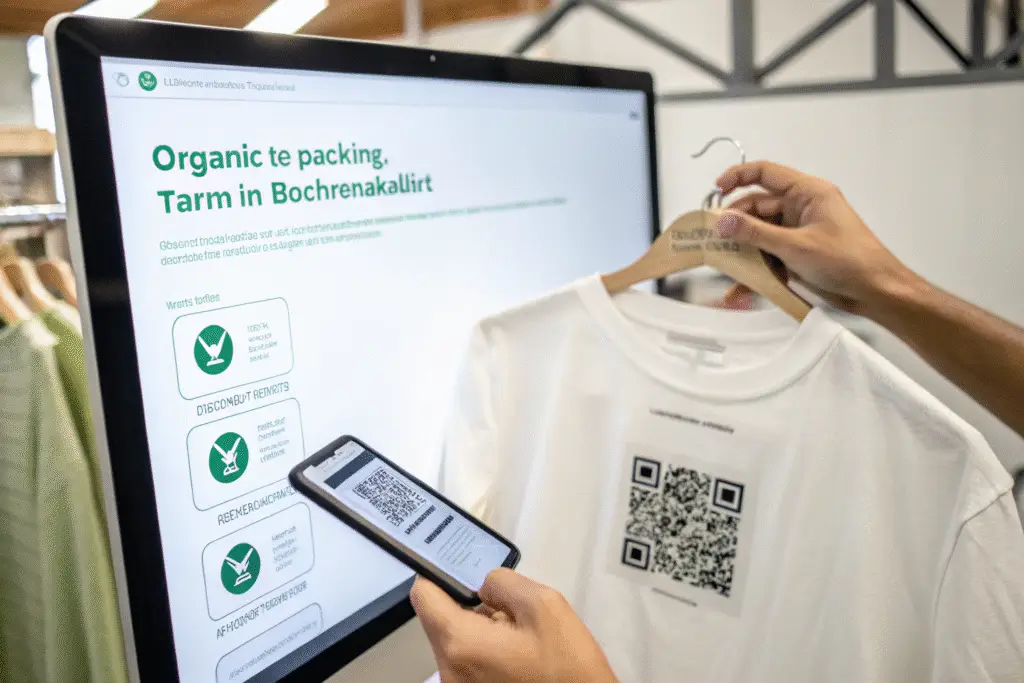
Top certifications now include GOTS, GRS, OEKO-TEX, FSC, ZDHC, and SLCP. Meanwhile, blockchain and QR-coded tags now verify sourcing and compliance in real-time.
How Do Brands Use Blockchain to Prove Ethics?
Using platforms like Provenance or TrusTrace, we help clients trace each production step. For example, a QR tag on the final T-shirt links to the origin of cotton, mill, dye house, sewing unit, and shipping partner—all timestamped.
We offer this service for PO quantities over 1000pcs.
What’s the Role of Eco Audits and ESG Reports?
European and U.S. buyers now ask us to submit ESG summaries as part of annual reviews. These include water use per kg, CO₂ per unit, social compliance updates, and logistics footprint.
We format these to match SASB and CDP report templates so they’re ready for corporate buyers or retailers like Target and Nordstrom.
Conclusion
Sustainable fashion manufacturing in 2025 means more than recycled fabric and solar panels—it’s about a fully accountable, traceable, and inclusive system. At Fumao Clothing, we’ve helped U.S. and EU brands transition from “sustainable-sounding” to truly certified production at scale.
If your brand wants to future-proof its supply chain and meet rising buyer expectations, contact our Business Director Elaine at elaine@fumaoclothing.com and let us co-create your next ethical collection.