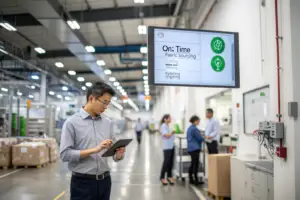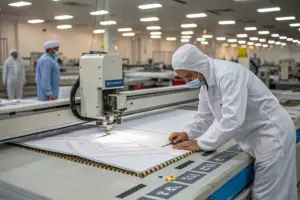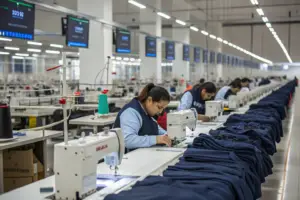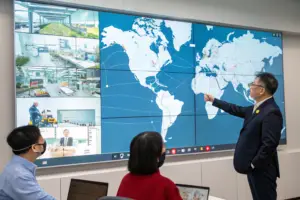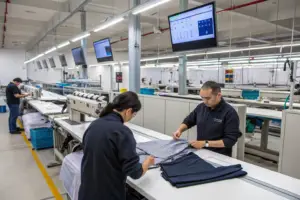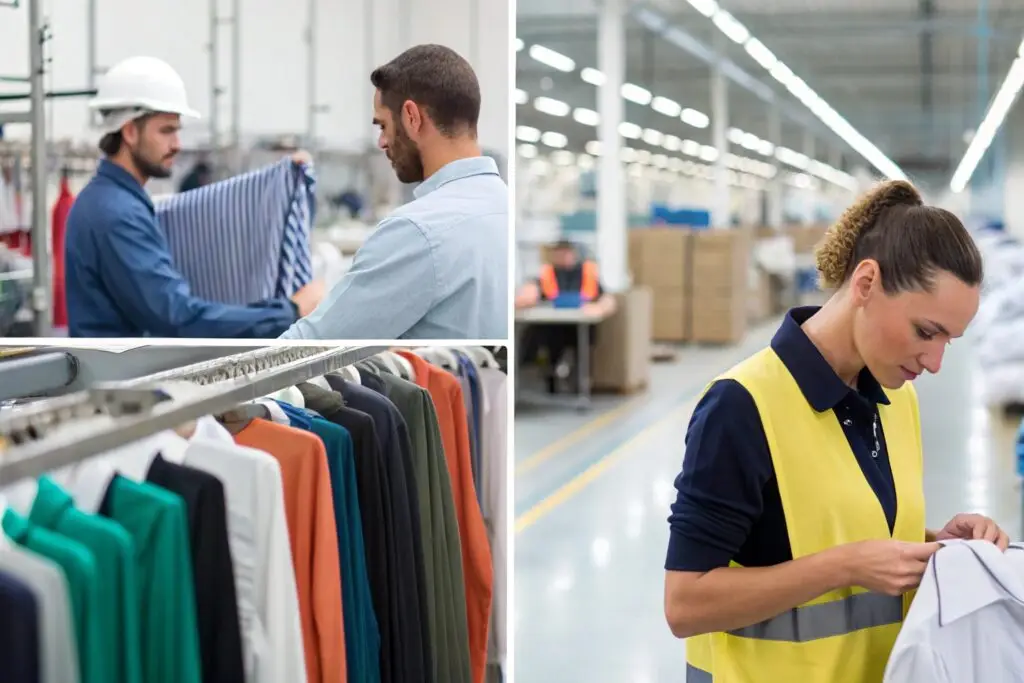
In economics, vertical control refers to a business strategy where a company manages multiple stages of its supply chain, from production to distribution and retail. This approach allows companies to streamline operations, reduce costs, and improve efficiency. But what exactly does vertical control entail, and how does it impact businesses? Let’s explore the concept of vertical control and its applications in economics.
Vertical control in economics involves a company managing multiple stages of its supply chain, such as manufacturing, distribution, and retail. This model improves efficiency, reduces costs, and ensures quality control. At Fumao Clothing, we recognize the value of vertical control and incorporate its principles to deliver high-quality garments efficiently.
Now, let’s dive deeper into what vertical control is, its meaning in economics, and how it compares to vertical integration.
What is Vertical Control?
Vertical control is a business strategy where a company manages multiple stages of its supply chain. But what does this involve?
Vertical control involves a company overseeing various stages of its supply chain, such as production, distribution, and retail. This allows the company to streamline operations, reduce costs, and maintain quality standards. Fumao Clothing adopts vertical control principles to enhance our manufacturing and delivery processes.
What Are the Key Components of Vertical Control?
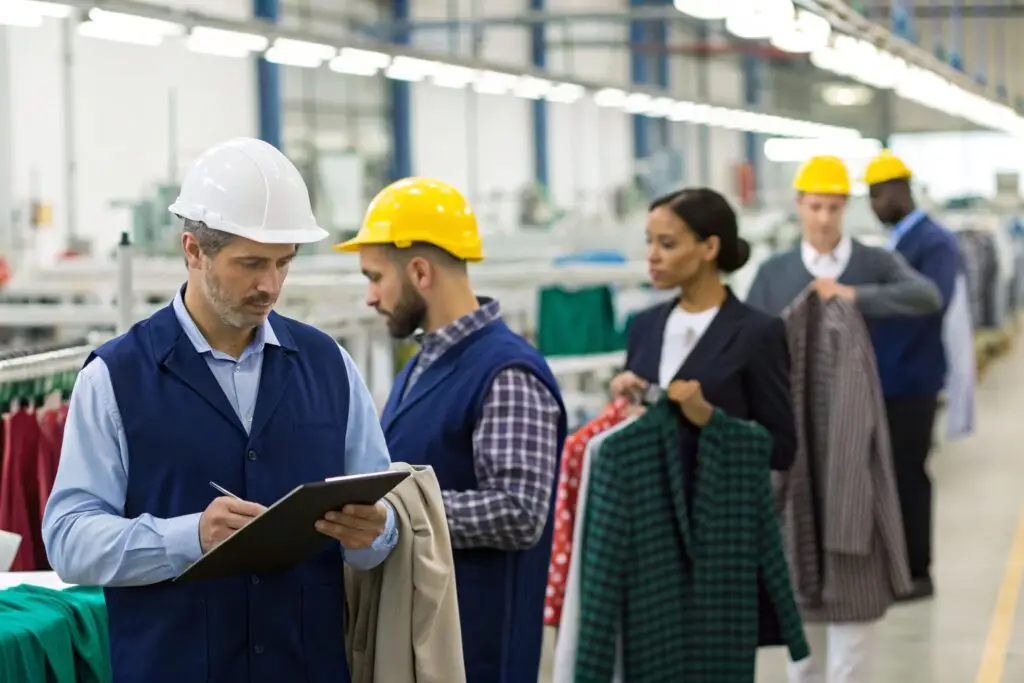
The key components of vertical control include:
- Production Control: Managing manufacturing processes to ensure quality and efficiency.
- Distribution Management: Overseeing logistics and delivery channels to reduce lead times.
- Retail Operations: Operating owned stores or e-commerce platforms to control the customer experience.
By controlling these components, a company can achieve greater efficiency and profitability.
How Does Vertical Control Benefit Companies?
Vertical control benefits companies by:
- Reducing Costs: Eliminating intermediaries lowers production and distribution costs.
- Improving Quality: Direct oversight of production ensures high-quality products.
- Increasing Efficiency: Streamlined processes reduce lead times and improve responsiveness.
These benefits make vertical control a powerful strategy for businesses.
What Does Vertical Mean in Economics?
In economics, the term "vertical" refers to the different stages of a supply chain. But what does it signify?
In economics, "vertical" refers to the various stages of a supply chain, from raw materials to finished products. Vertical control or integration involves managing multiple stages of this chain to improve efficiency and reduce costs. Fumao Clothing applies this concept to streamline our operations and deliver high-quality garments.
How is Vertical Control Applied in Economics?
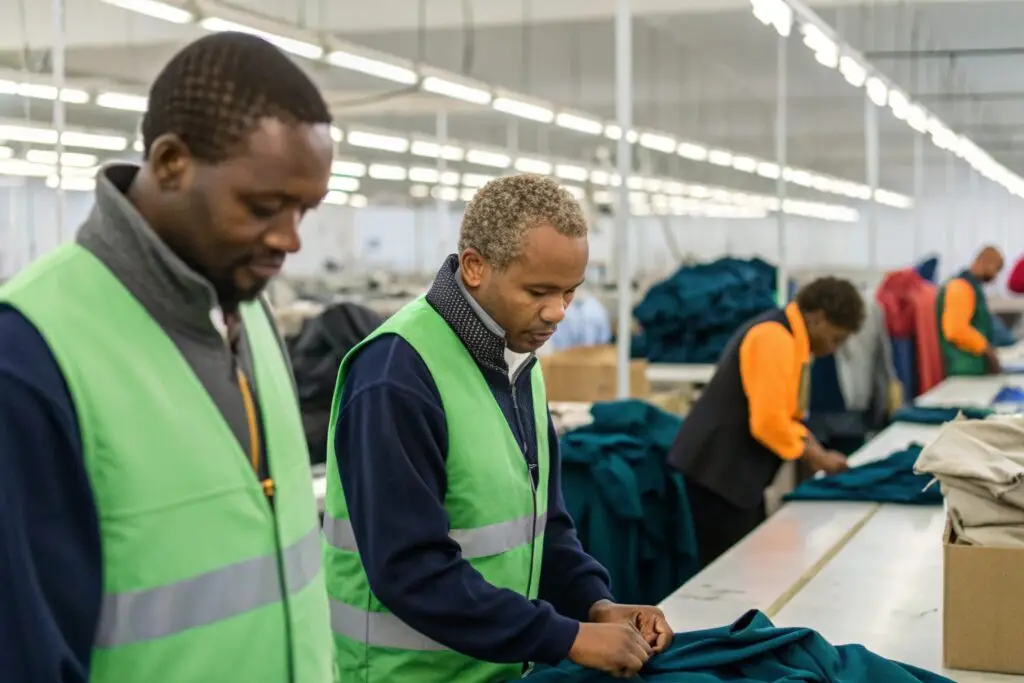
Vertical control is applied in economics by:
- Managing Production: Controlling manufacturing processes to ensure quality and efficiency.
- Overseeing Distribution: Managing logistics and delivery channels to reduce lead times.
- Operating Retail: Controlling retail operations to maintain a consistent brand experience.
By applying vertical control, companies can achieve greater efficiency and profitability.
What Are the Economic Implications of Vertical Control?
The economic implications of vertical control include:
- Cost Reduction: Lower production and distribution costs increase profitability.
- Market Efficiency: Streamlined processes improve market responsiveness and efficiency.
- Quality Assurance: Direct oversight of production ensures high-quality products.
These implications highlight the value of vertical control in economics.
What is Vertical Integration in Economics?
Vertical integration is a key concept in economics, but how does it relate to vertical control?
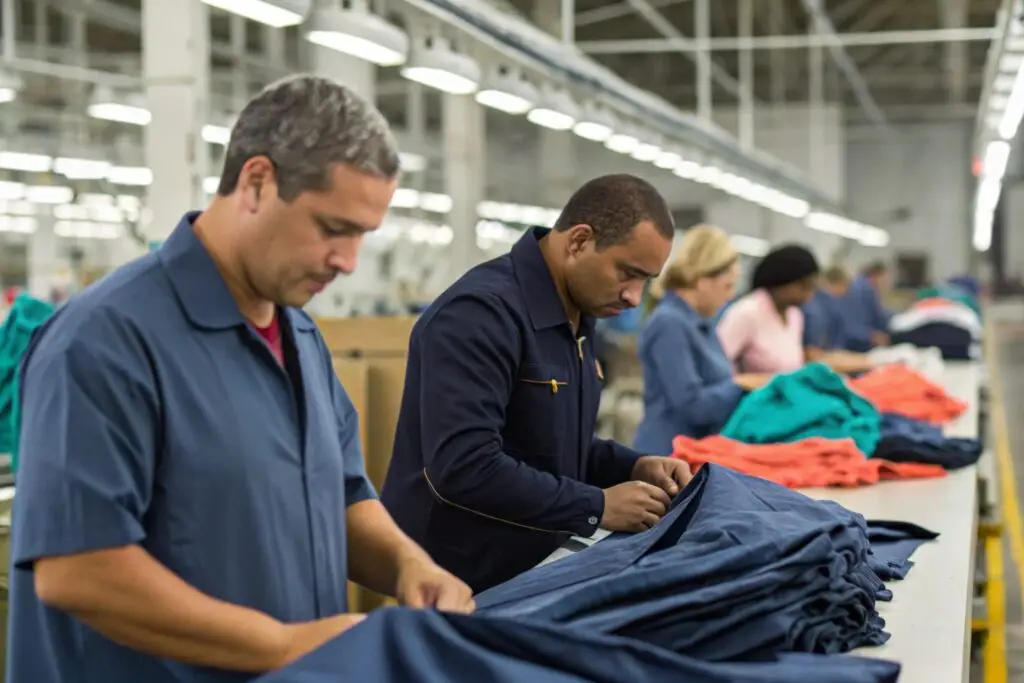
Vertical integration in economics involves a company controlling multiple stages of its supply chain, from production to distribution and retail. This model improves efficiency, reduces costs, and ensures quality control. Fumao Clothing leverages vertical integration to deliver efficient and high-quality manufacturing solutions.
What Are the Types of Vertical Integration?
The types of vertical integration include:
- Forward Integration: Controlling distribution and retail to ensure efficient delivery and a consistent brand experience.
- Backward Integration: Controlling production and raw materials to reduce costs and ensure supply.
By understanding these types, companies can choose the best approach for their needs.
How Does Vertical Integration Impact Businesses?
Vertical integration impacts businesses by:
- Reducing Costs: Eliminating intermediaries lowers production and distribution costs.
- Improving Quality: Direct oversight of manufacturing ensures high-quality products.
- Enhancing Flexibility: Quick adjustments to production and distribution meet changing demands.
These benefits make vertical integration a valuable strategy for businesses.
What is the Vertical Line in Economics?
In economics, the vertical line often represents supply or demand in graphical models. But what does it signify?
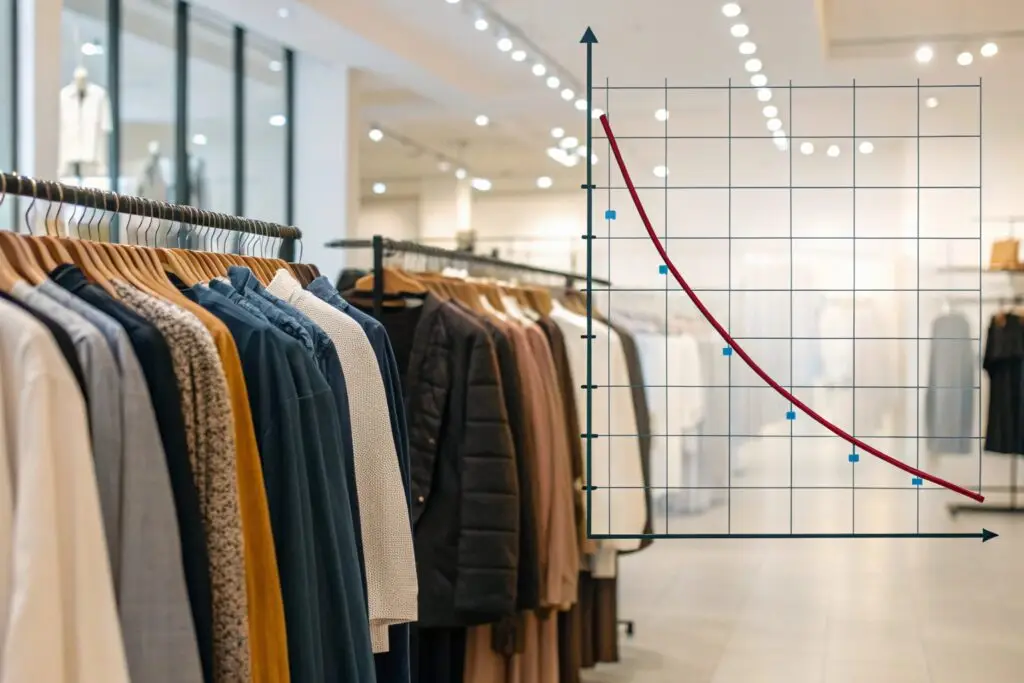
In economics, the vertical line typically represents a perfectly inelastic supply or demand curve, where quantity does not change regardless of price. This concept is used in various economic models to analyze market behavior. Fumao Clothing applies economic principles to optimize our supply chain and pricing strategies.
How is the Vertical Line Used in Economic Models?
The vertical line is used in economic models to represent:
- Perfectly Inelastic Supply: A situation where the quantity supplied remains constant regardless of price changes.
- Perfectly Inelastic Demand: A situation where the quantity demanded remains constant regardless of price changes.
By understanding these concepts, economists can analyze market behavior and make informed decisions.
What Are the Implications of a Vertical Line in Economics?
The implications of a vertical line in economics include:
- Market Stability: Perfectly inelastic supply or demand indicates a stable market with fixed quantities.
- Price Sensitivity: Changes in price do not affect quantity, highlighting unique market conditions.
- Policy Analysis: Economists use vertical lines to analyze the impact of policies on fixed quantities.
These implications help economists understand and predict market behavior.
Conclusion
Vertical control in economics involves managing multiple stages of the supply chain to improve efficiency, reduce costs, and ensure quality. By understanding the concepts of vertical control, vertical integration, and the vertical line in economics, companies can make informed decisions about their supply chain strategies. Fumao Clothing applies these principles to deliver high-quality, efficient manufacturing solutions. Contact us today to learn more about how we can help you achieve your business goals.