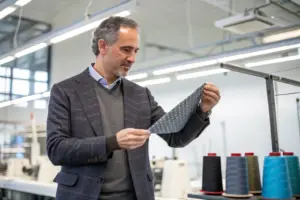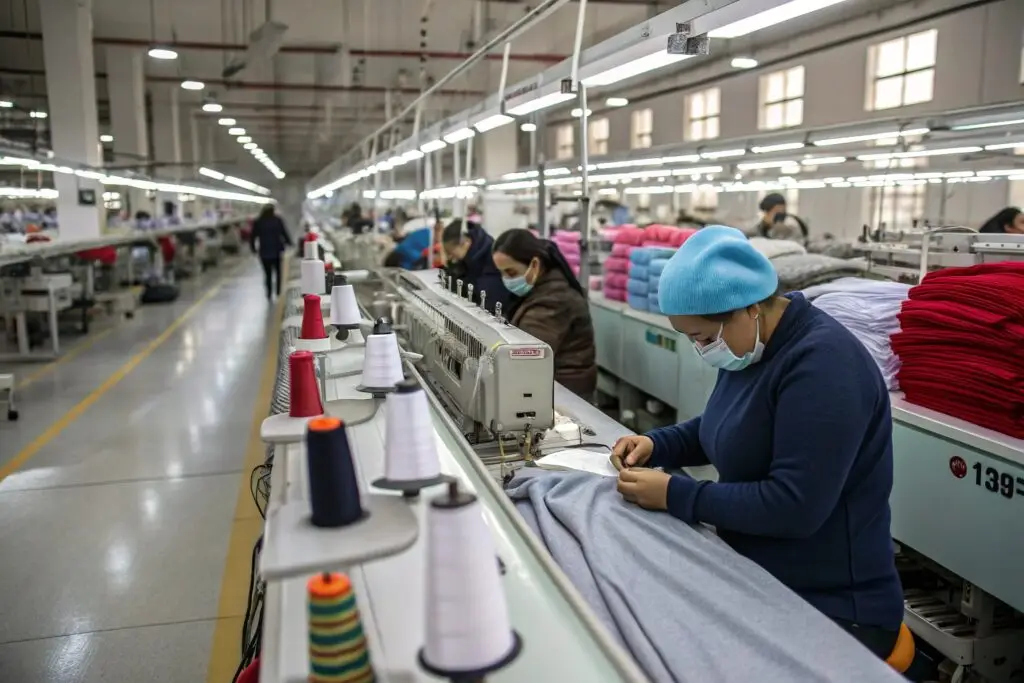
A knit garment manufacturer specializes in producing knitwear, which includes T-shirts, sweaters, sportswear, leggings, and undergarments. Unlike woven fabrics, knitted fabrics are made from loops of yarn, giving them elasticity, flexibility, and comfort.
But what exactly is knitting in the garment industry, and how does a knit garment manufacturer operate?
This guide explores knit garment manufacturing, the role of manufacturers, the characteristics of knit garments, and the meaning of knitwear.
What Is Knitting in the Garment Industry?
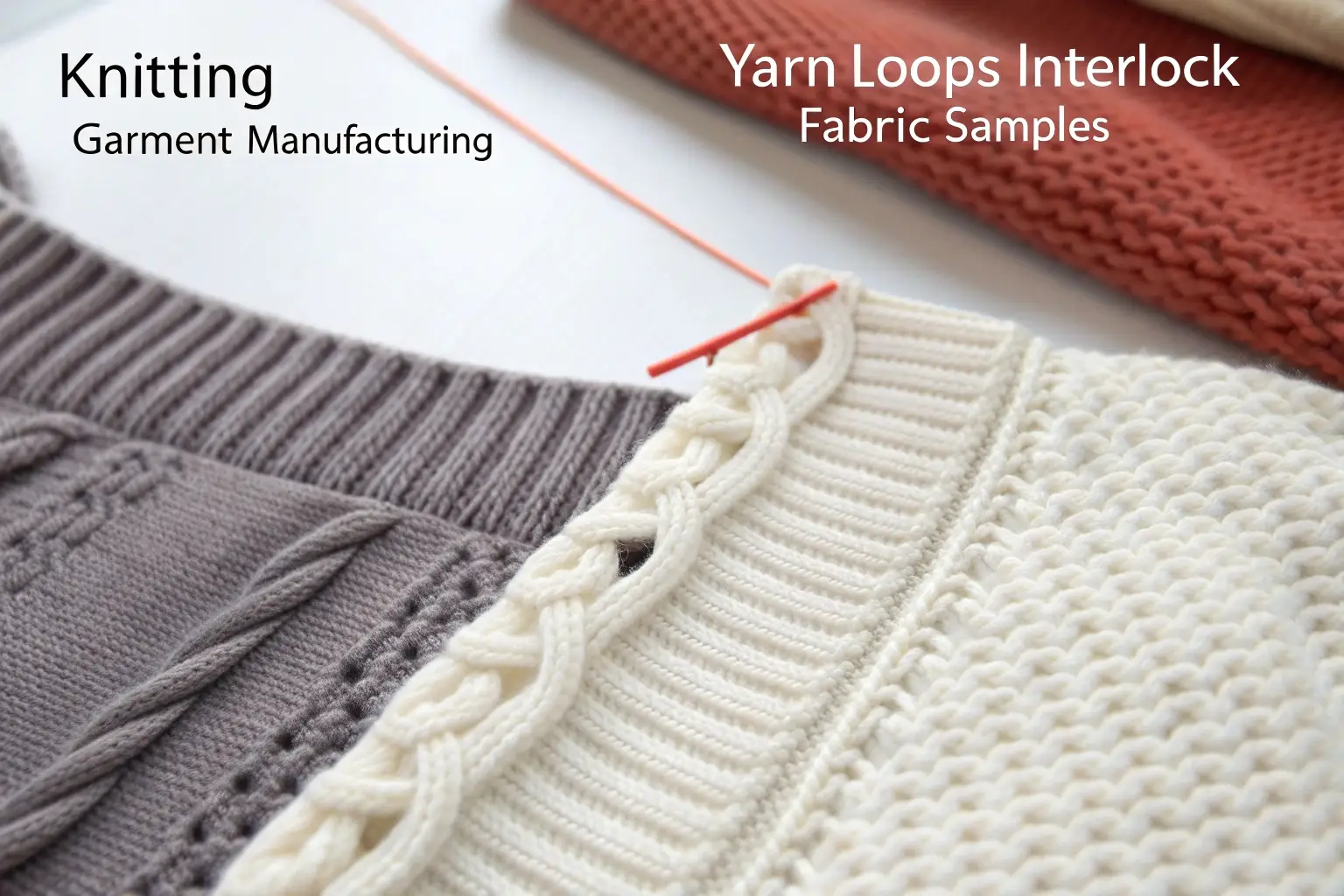
Knitting is a fabric construction method in which yarn is looped together to create a stretchable and breathable textile.
Types of Knitting in the Garment Industry
| Knitting Type | Description | Common Use |
|---|---|---|
| Weft Knitting1 | Yarn loops are interlocked horizontally across the fabric. | T-shirts, sweaters, leggings. |
| Warp Knitting2 | Yarn loops are interlocked vertically, making the fabric stronger. | Sportswear, swimwear, lingerie. |
| Circular Knitting3 | Produces fabric in tube form, often used for seamless garments. | Undergarments, activewear. |
| Flat Knitting | Produces fabric in panels, allowing for more customization. | Sweaters, cardigans. |
Key Benefits of Knitted Fabrics
✅ Soft & Comfortable – Ideal for everyday wear.
✅ Stretchable & Flexible – Provides better fit and movement.
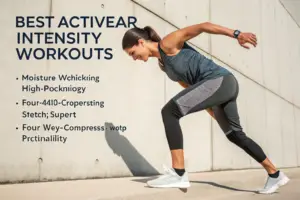
✅ Moisture-Wicking – Great for sportswear and activewear.
✅ Breathable & Lightweight – Suitable for warm-weather clothing.
💡 Knitting is essential in modern apparel manufacturing, offering comfort and functionality.
What Does a Garment Manufacturer Do?
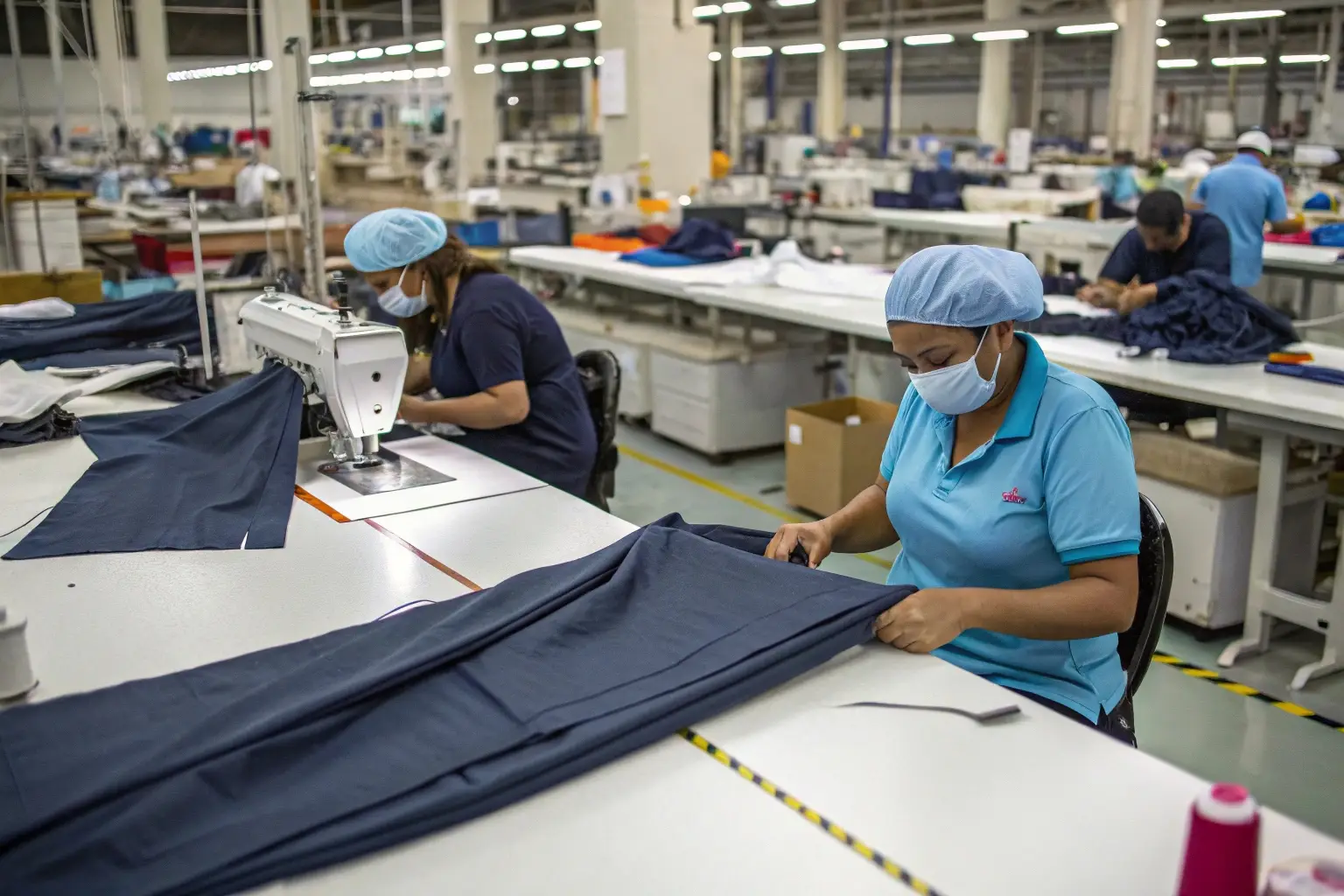
A garment manufacturer is responsible for turning fabric into finished clothing through a structured production process.
Roles of a Garment Manufacturer
| Function | Description |
|---|---|
| Fabric Sourcing & Preparation | Selects materials based on garment requirements. |
| Pattern Making & Cutting | Develops patterns and cuts fabric for production. |
| Sewing & Assembly | Uses industrial machines to stitch garment pieces together. |
| Quality Control & Finishing | Inspects garments, irons, and adds branding labels. |
| Packaging & Distribution | Prepares garments for shipping to retailers or customers. |
Key Responsibilities of Knit Garment Manufacturers
✅ Choosing high-quality yarns for knitting production4.
✅ Optimizing fabric stretch, durability, and softness5.
✅ Using modern knitting machines for faster production6.
✅ Ensuring consistency in color, fit, and finishing.
💡 A garment manufacturer oversees the entire clothing production process, from raw materials to finished apparel.
What Is a Knit Garment?
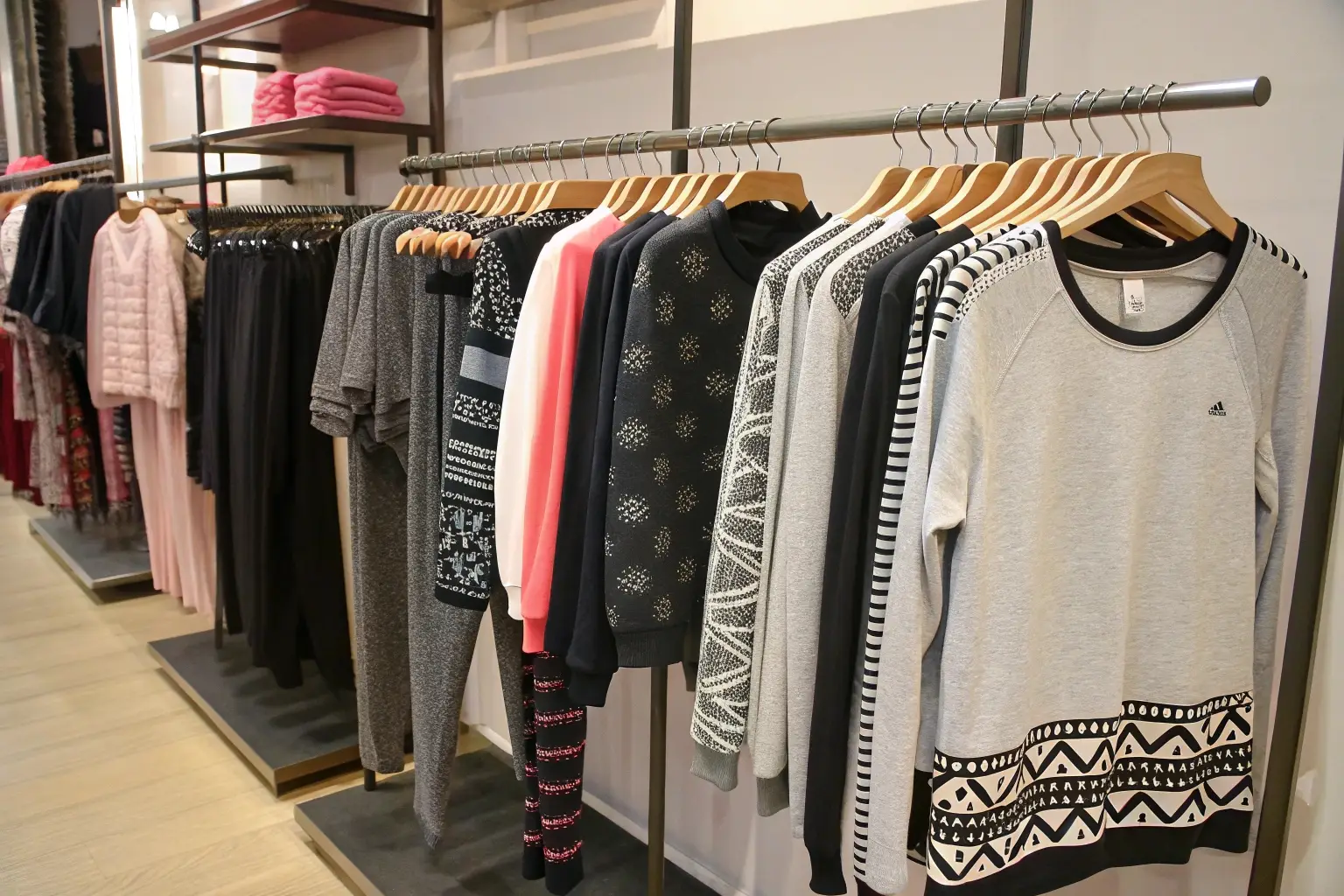
A knit garment is a clothing item made from knitted fabric rather than woven fabric.
Characteristics of Knit Garments
| Feature | Description |
|---|---|
| Stretchability7 | Allows for better movement and fit. |
| Softness | More comfortable compared to woven fabrics. |
| Wrinkle Resistance8 | Maintains shape with minimal ironing. |
| Moisture Control9 | Absorbs sweat, making it ideal for activewear. |
Examples of Knit Garments
✅ T-shirts & Polo Shirts – Soft, breathable everyday wear.
✅ Sweaters & Cardigans – Warm, stretchable winter clothing.
✅ Leggings & Yoga Pants – Flexible and form-fitting.
✅ Undergarments & Socks – Designed for comfort and elasticity.
💡 Knit garments are versatile and used in casual, sportswear, and luxury fashion.
What Is the Meaning of Knitwear Garments?
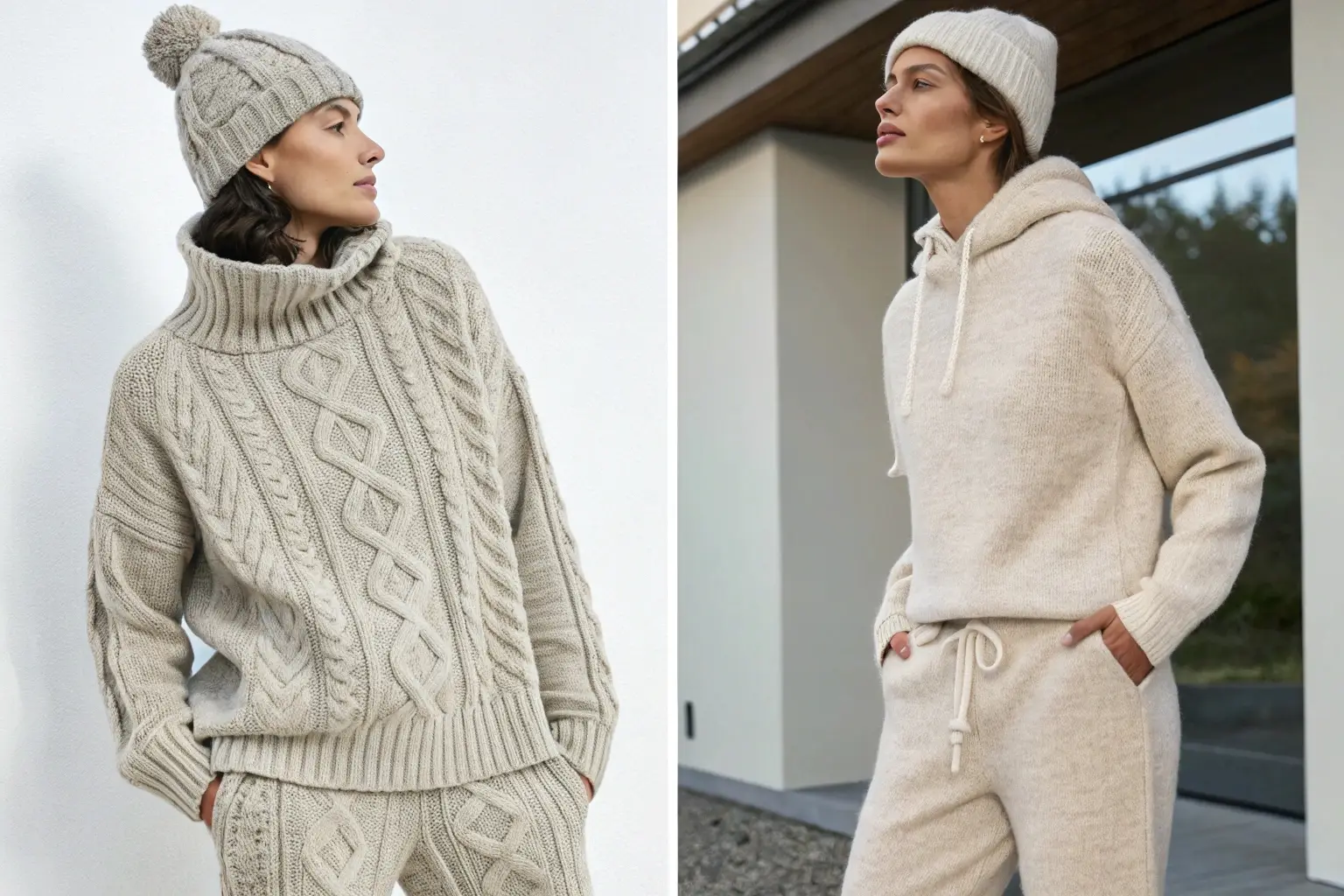
Knitwear garments refer to clothing made entirely from knitted fabrics, commonly associated with casualwear, activewear, and winter clothing.
Types of Knitwear Garments
| Knitwear Type | Description | Common Use |
|---|---|---|
| Lightweight Knitwear10 | Soft, breathable fabrics with fine knitting. | T-shirts, dresses, activewear. |
| Medium-Weight Knitwear11 | Slightly thicker, provides warmth but remains breathable. | Sweaters, cardigans. |
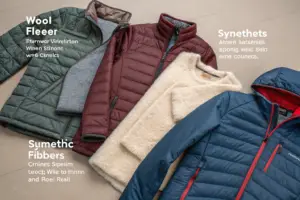
| Heavyweight Knitwear12 | Thick, insulated fabrics for cold weather. | Wool sweaters, thermal wear. |
Difference Between Knitwear & Woven Clothing
| Feature | Knitwear | Woven Clothing |
|---|---|---|
| Stretchability | Highly stretchable | Limited stretch, needs elastane for flexibility. |
| Comfort & Fit | Naturally flexible and body-fitting | More structured and rigid. |
| Fabric Construction | Looped yarn structure | Interlaced yarn structure. |
| Common Use | T-shirts, sweaters, leggings | Shirts, jeans, suits. |
💡 Knitwear garments are designed for comfort, stretch, and versatility, making them popular in modern fashion.
Conclusion
A knit garment manufacturer specializes in producing stretchable, breathable, and comfortable clothing using knitting techniques. From sportswear to winter fashion, knit fabrics offer versatility, flexibility, and durability in clothing production.
Key Takeaways
✅ Knitting in the garment industry involves creating fabric through looping yarn, making it stretchable and comfortable.
✅ Garment manufacturers oversee the entire production process, from fabric selection to final product finishing.
✅ Knit garments include T-shirts, sweaters, leggings, and activewear, offering flexibility and comfort.
✅ Knitwear garments are distinct from woven fabrics, providing a softer and more adaptable fit.
💡 Knit garments are a fundamental part of fashion, offering comfort, durability, and modern style.
-
Explore how Weft Knitting enhances the comfort and flexibility of everyday garments like T-shirts and sweaters. ↩
-
Discover the strength and durability Warp Knitting adds to sportswear and swimwear, making them more resilient. ↩
-
Learn why Circular Knitting is the go-to method for creating seamless, comfortable undergarments and activewear. ↩
-
Exploring this link can provide insights into selecting the best yarns, ensuring the durability and quality of knit garments. ↩
-
This resource can offer valuable techniques for enhancing fabric properties, crucial for producing high-quality garments. ↩
-
Discover how modern knitting machines can significantly increase production speed and efficiency, vital for meeting market demands. ↩
-
Understanding stretchability helps in choosing the right knit garments for better movement and fit, enhancing comfort and performance. ↩
-
Discovering the importance of wrinkle resistance can guide you in selecting low-maintenance knit garments that retain their shape and appearance over time. ↩
-
Exploring moisture control reveals how knit garments manage sweat, making them ideal for activewear and improving user comfort during physical activities. ↩
-
Discover how Lightweight Knitwear enhances modern fashion with its soft, breathable qualities, perfect for T-shirts, dresses, and activewear. ↩
-
Explore the balance of warmth and breathability in Medium-Weight Knitwear, ideal for sweaters and cardigans in transitional weather. ↩
-
Learn why Heavyweight Knitwear is a must-have for cold climates, offering thick, insulated fabrics for ultimate warmth and comfort. ↩