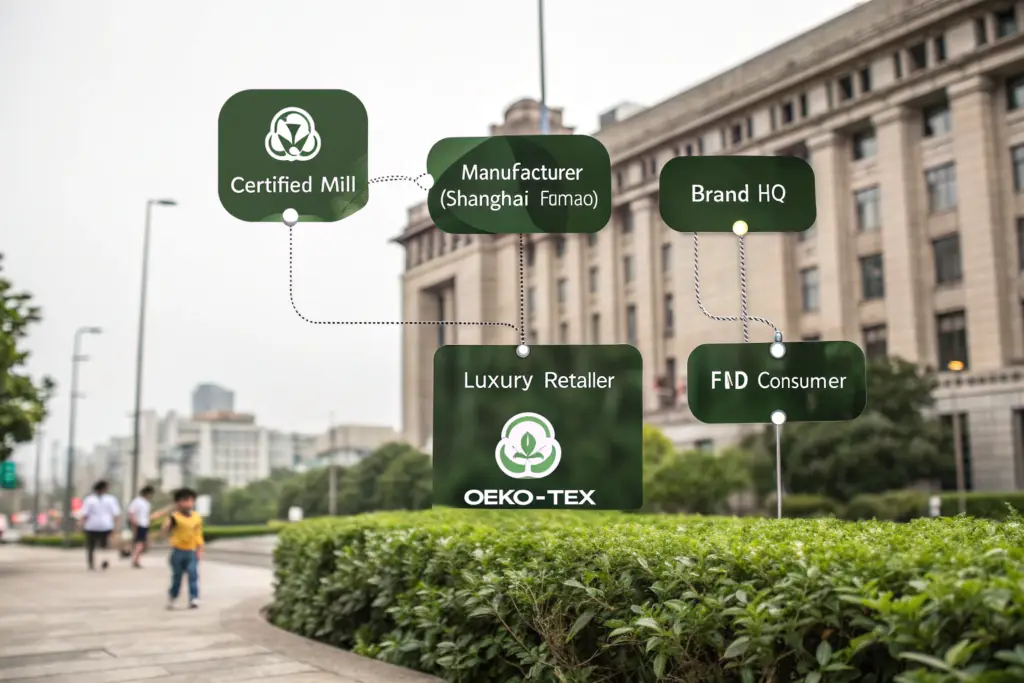
In the high-end children's clothing market, value is not merely a function of cost plus margin. It is a complex equation where material quality, craftsmanship, brand narrative, and—increasingly—verifiable safety intersect to justify premium pricing and consumer loyalty. The introduction of a rigorous, independent standard like OEKO-TEX STANDARD 100 does not just add a compliance step; it fundamentally reshapes this value chain. It acts as a transformative agent, altering dynamics from raw material sourcing all the way to the consumer's purchase decision and brand perception.
OEKO-TEX certification profoundly impacts the high-end children's clothing value chain by shifting the basis of competition from implied trust to verified safety. It injects scientific credibility into the chain, creating new requirements for transparency, elevating material and production standards, and ultimately allowing brands to articulate and defend a higher value proposition centered on guaranteed well-being.
This impact is felt at every node. Let's trace its influence from the spinner to the store shelf, examining how it redefines roles, relationships, and value creation in the luxury children's wear sector.
How Does It Transform Raw Material and Fabric Sourcing?
The first and most profound impact is upstream. For a high-end brand or its manufacturing partner to offer OEKO-TEX certified garments, the entire supply chain must be aligned from the very beginning. This moves the point of quality and safety assurance dramatically earlier in the process.
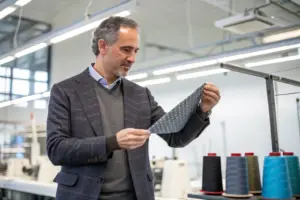
Fabric mills and yarn spinners are no longer selected solely on the basis of weight, hand-feel, or aesthetic. They must now demonstrate the ability to produce within the strict chemical parameters of the OEKO-TEX standard. This creates a tiered system of suppliers, where those with active certification or robust in-house testing protocols become preferred partners for luxury production.
What New Criteria Do Mills and Dyers Need to Meet?
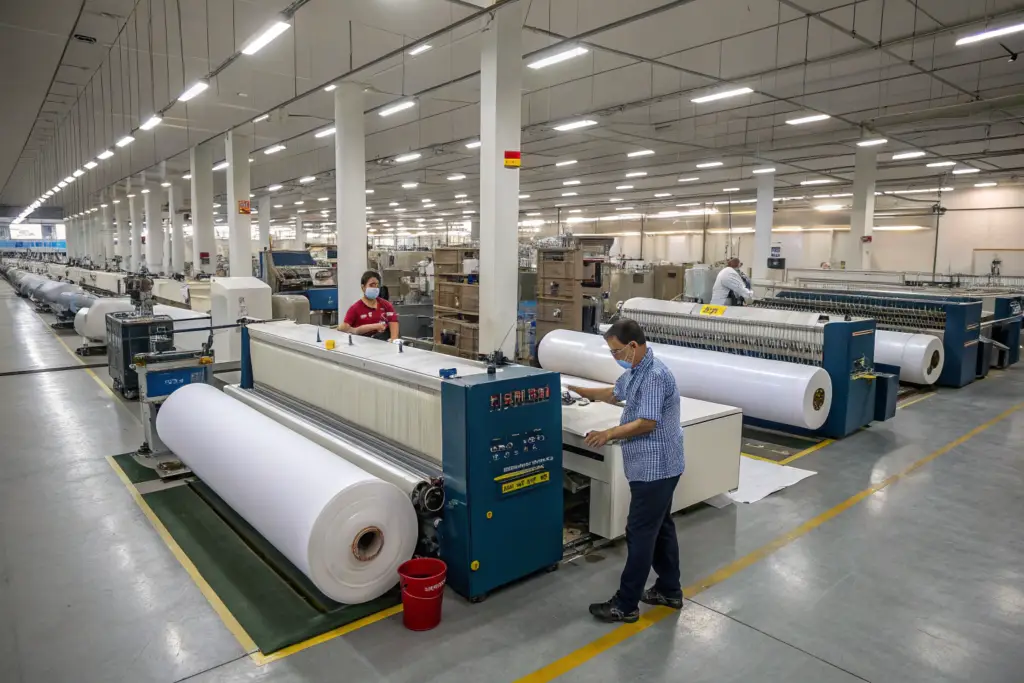
To serve the high-end OEKO-TEX market, suppliers must invest in:
- Chemical Management: Eliminating or strictly controlling the use of banned substances in spinning oils, dyes, auxiliaries, and finishing agents.
- Process Control: Implementing documented procedures to prevent cross-contamination between certified and non-certified production runs.
- Traceability: Maintaining robust systems to track batches of raw materials (e.g., cotton) through to the finished fabric, a practice known as due diligence.
- Independent Verification: Undergoing and maintaining their own OEKO-TEX certification or providing comprehensive test reports from accredited labs like SGS or Intertek.
This raises the bar for entry. A brand working with Shanghai Fumao benefits from our curated network of certified mills. For instance, our sourcing for premium baby velour or French Terry is limited to partners who can consistently deliver fabric that passes the stringent Product Class I tests, ensuring the foundation of the garment is luxury-grade in both feel and safety.
How Does This Affect Cost and Lead Time?
There is an undeniable cost impact, but it is a value-adding cost. Certified raw materials often carry a price premium of 5-15%. Furthermore, the testing and certification process itself adds time—typically 2-4 weeks for fabric and final garment certification. However, for the high-end chain, this is reframed not as a delay, but as a necessary and valuable step in "crafting safety." It becomes part of the story: "Our fabrics are not just selected; they are scientifically validated." This investment is fundamental to justifying the final retail price.
How Does It Reshape the Role of the Manufacturer?
The manufacturer becomes the crucial linchpin in this certified value chain. Their role evolves from a passive executor of designs to an active manager of a compliant, transparent, and auditable production ecosystem. They are the guarantor that the value promised at the sourcing stage is preserved and delivered in the finished product.
This elevates the manufacturer from a commodity service provider to a strategic full-package manufacturing partner integral to the brand's value proposition.
What New Capabilities Must a Luxury-Oriented Manufacturer Possess?
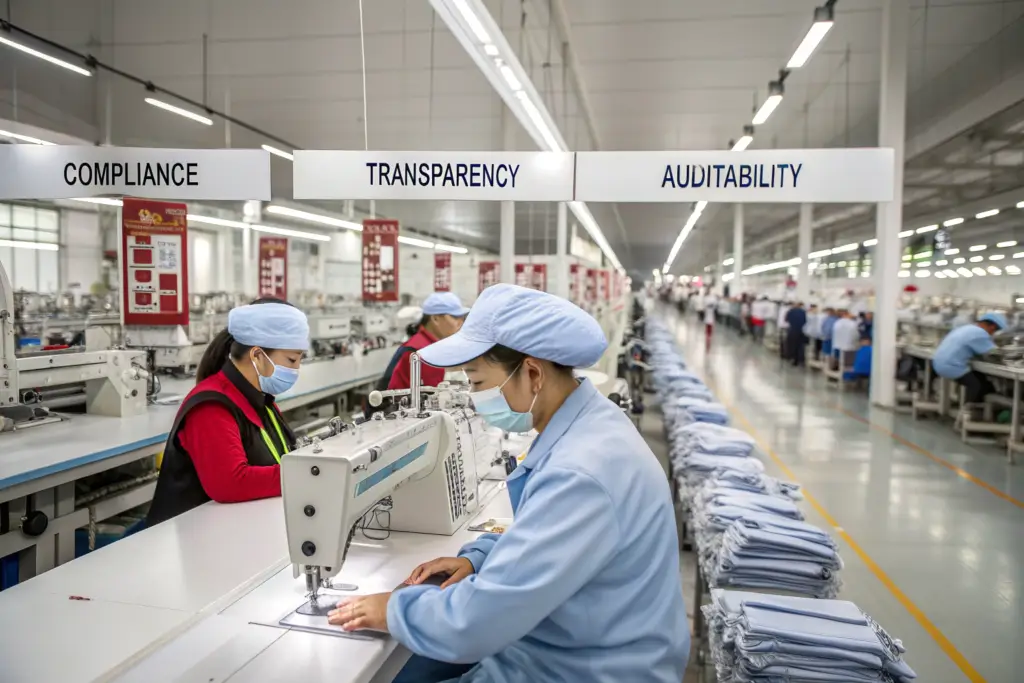
To be a true partner in the OEKO-TEX value chain, a factory like ours must develop core competencies beyond sewing:
- Technical Compliance Expertise: A deep understanding of RSLs (Restricted Substances Lists), test methods, and certification protocols.
- Supply Chain Stewardship: Vetting and managing trim suppliers (for thread, buttons, elastics) to ensure they also comply with the standard.
- In-House QC Labs: Preliminary testing capabilities (for pH, formaldehyde, colorfastness) to pre-screen materials and avoid costly failed third-party tests.
- Batch Isolation and Documentation: Operating dedicated production lines for certified orders and maintaining impeccable records for every component lot used.
At Shanghai Fumao, we have integrated these capabilities. Our quality assurance protocol includes creating a "Tech Pack for Compliance" for each OEKO-TEX order, which details every certified component and its source. This document becomes invaluable for our brand partners during their own retailer audits.
How Does This Change the Brand-Manufacturer Relationship?
The relationship deepens into a collaborative partnership. The conversation shifts from "Can you make this for $X?" to "How do we together ensure this design achieves OEKO-TEX Class I certification?" It involves joint problem-solving in product development, such as selecting alternative, certifiable dyes for a specific color or finding a compliant alternative to a problematic softening agent. This collaborative dynamic adds significant intangible value, reducing risk for the brand and fostering long-term loyalty.
What Value Does It Add for the Brand and Retailer?
For the brand and its retail partners, OEKO-TEX certification transitions from a cost center to a powerful value-creation tool. It provides tangible assets that directly address key commercial challenges in the high-end market: justifying price, building trust, and mitigating risk.
How Does It Justify Premium Pricing and Positioning?
In a crowded market, "super soft" or "high quality" are subjective claims. OEKO-TEX provides an objective, defensible differentiator. It allows a brand to articulate a value proposition that speaks directly to the affluent parent's core concern: "We invest in independent scientific verification to guarantee your child's safety." This is a powerful rationale for a price premium that goes beyond aesthetics. It transforms the garment from a discretionary purchase into a considered investment in well-being. Marketing can then focus on this "peace of mind" as a key luxury benefit.
How Does It De-risk Retail Partnerships and Build Trust?
For luxury boutiques and department stores, stocking a new brand is a reputational risk. A product recall or customer complaint over skin irritation can be devastating. By presenting a line backed by OEKO-TEX, a brand provides the retailer with a ready-made risk mitigation tool. The certification is an immediate answer to the retailer's (and the consumer's) most probing safety questions. It simplifies the retailer's due diligence process and builds trust in the brand's operational rigor. This makes the brand a safer, more attractive partner, facilitating entry into coveted sales channels.
How Does It Ultimately Influence the End Consumer’s Decision?
The final link in the chain is where all accumulated value is realized—or not. The modern high-end consumer, especially the millennial parent, is an informed researcher. They are the ultimate auditor of the value chain, often using their smartphone to scrutinize claims in real-time.
OEKO-TEX certification provides the conclusive piece of evidence that bridges the gap between brand promise and consumer belief.

What is the Psychological Impact of a Recognized Trust Mark?
The OEKO-TEX label serves as a cognitive shortcut. In a moment of purchase decision—whether online or in a store—it instantly communicates a complex set of values: safety, responsibility, and global standards. It reduces the consumer's perceived risk and cognitive load. They no longer need to dig through websites for safety policies; the trust mark provides immediate reassurance. This is invaluable in e-commerce, where tactile verification is impossible, and in physical retail, where it can be the decisive tie-breaker between two similarly priced items.
How Does It Foster Long-Term Brand Loyalty?
When a parent has a positive experience with a certified garment—no skin reactions, a feeling of exceptional safety—it builds deep, emotional loyalty. This loyalty is based on the delivery of a fundamental promise: care for their child. It transcends seasonal trends. The parent is likely to repurchase from the brand across categories and become a vocal advocate within their community. This transforms a transactional customer into a brand ambassador, creating long-term value that far outweighs the initial cost of certification. A client of ours in the premium organic space found that after highlighting their OEKO-TEX certification in marketing, their customer retention rate increased by 25%, as parents returned to the brand they trusted.
Conclusion
The impact of OEKO-TEX STANDARD 100 on the high-end children's clothing value chain is systemic and transformative. It is not an add-on but a re-engineering force. It elevates material standards, deepens manufacturing partnerships, provides brands with a compelling value narrative, de-risks retail relationships, and delivers the ultimate luxury to the consumer: verified trust.
This certification redefines luxury for the modern age, moving it from opaqueness and heritage to transparency and science. It allows every serious participant in the chain—from spinner to shop—to articulate and demonstrate a higher standard of care.
For brands aiming to build or elevate their position in this demanding market, partnering with a manufacturer that is fully integrated into this new value chain is critical. At Shanghai Fumao, we are not just producers; we are active managers of OEKO-TEX-compliant value creation. We ensure that the promise of safety and quality is diligently crafted and delivered at every step. Contact our Business Director, Elaine, to explore how we can integrate your brand into this value-adding ecosystem. Email her at: elaine@fumaoclothing.com.