A complete tech pack is the foundation of successful apparel production. Yet, many brands, especially those new to manufacturing, submit packs with critical gaps. These omissions lead to costly delays, sample revisions, and final products that don't meet expectations. So, what are the most common missing details that derail the process?
A comprehensive tech pack acts as the universal language between a brand and its clothing manufacturer. It must precisely communicate every design, construction, and logistical detail to prevent errors in sampling and bulk production. Missing information inevitably leads to communication breakdowns, incorrect samples, and delayed time to market.
This guide will explore the specific garment details that are frequently overlooked in tech packs. We will break down these omissions category by category, explaining why they matter and how their absence impacts the entire production cycle. By the end, you will have a clear checklist to ensure your next tech pack is complete, accurate, and ready for a seamless manufacturing journey.
Why Are Incomplete Tech Packs a Major Production Risk?
Incomplete tech packs are one of the biggest pain points in the apparel industry. They create a domino effect of problems that strain the brand-manufacturer relationship and eat into profits. The risk starts the moment the factory receives an unclear instruction set.
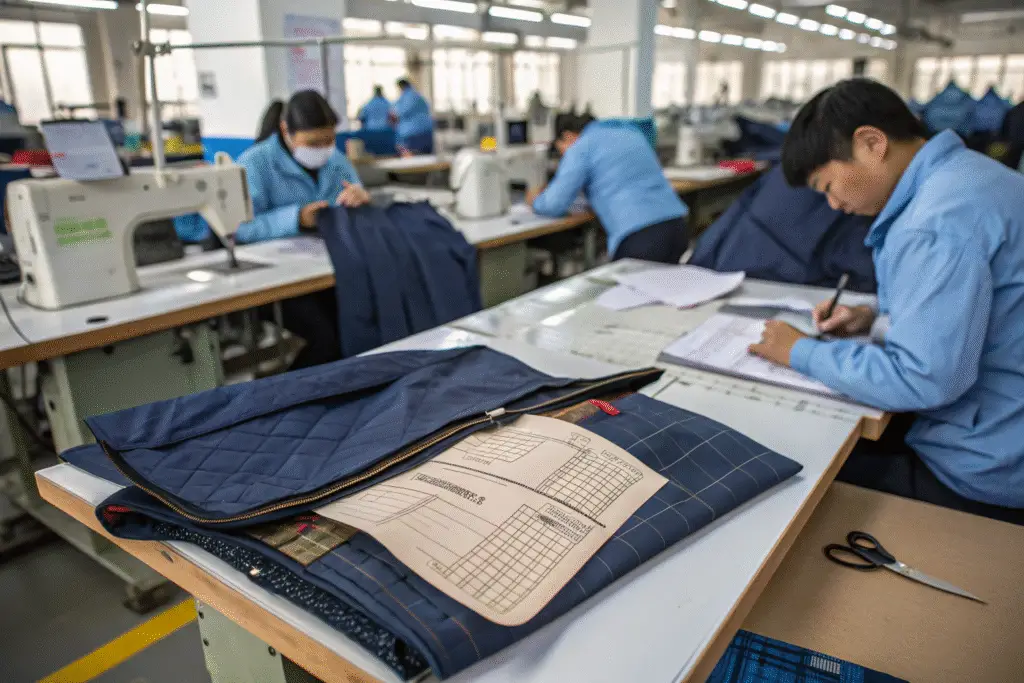
The core issue is that an incomplete pack forces the manufacturing team to make assumptions. Our factory follows a strict "no guesswork" policy. This means that whenever we encounter missing information, we must pause and contact the client for clarification. This single step can add days or even weeks to the development timeline. For a brand operating on a tight seasonal calendar, such delays can mean missing a crucial sales window entirely. A complete tech pack is your first line of defense against these delays.
How Do Missing Details Lead to Communication Breakdowns?
Inefficient communication is a common client complaint. Often, the root cause is an incomplete tech pack. When our technical team receives a pack lacking specific construction details, they have no choice but to send a long list of questions. This back-and-forth is frustrating for both sides and is entirely preventable. For instance, we recently worked with a startup brand on a line of woven shirts. Their tech pack specified the placket style but failed to mention the type of interfacing to be used. We had to halt fabric cutting until we received their decision, pushing the proto sample delivery back by a week. Clear, detailed tech packs eliminate this tedious question-and-answer phase, creating a smooth and efficient workflow.
What Are the Financial Impacts of Incorrect Samples?
The financial cost of an incomplete tech pack is direct and significant. Each sample iteration costs money and time. When a tech pack lacks details on grading rules or tolerance levels for measurements, the first samples are almost guaranteed to be incorrect. This leads to multiple, unnecessary sample rounds. We had a client last year who ordered activewear. Their tech pack did not specify the precise SPI (Stitches Per Inch) for the flatlock seams. The first sample used a standard SPI, but the client wanted a denser stitch for a premium feel. This required a second, corrected sample, costing the client extra in sampling fees and delaying their production start by two weeks. These costs add up quickly and can be avoided with a meticulously prepared tech pack from the outset.
What Construction Details Are Most Commonly Overlooked?
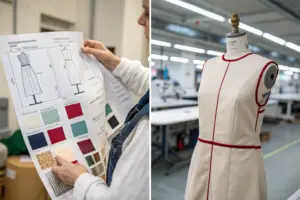
The construction section of a tech pack is where the garment truly comes to life. It's also where we find the most frequent and critical oversights. Brands often focus on the overall design but forget the tiny details that define quality and functionality.
These construction elements are the building blocks of your product. When they are missing, the factory must use its standard practices, which may not align with your vision. This can result in a garment that looks right on the surface but fails in durability, fit, or feel. Paying close attention to these details is what separates amateur designs from professional, market-ready products.
Are You Specifying Stitch Types and SPI Clearly?
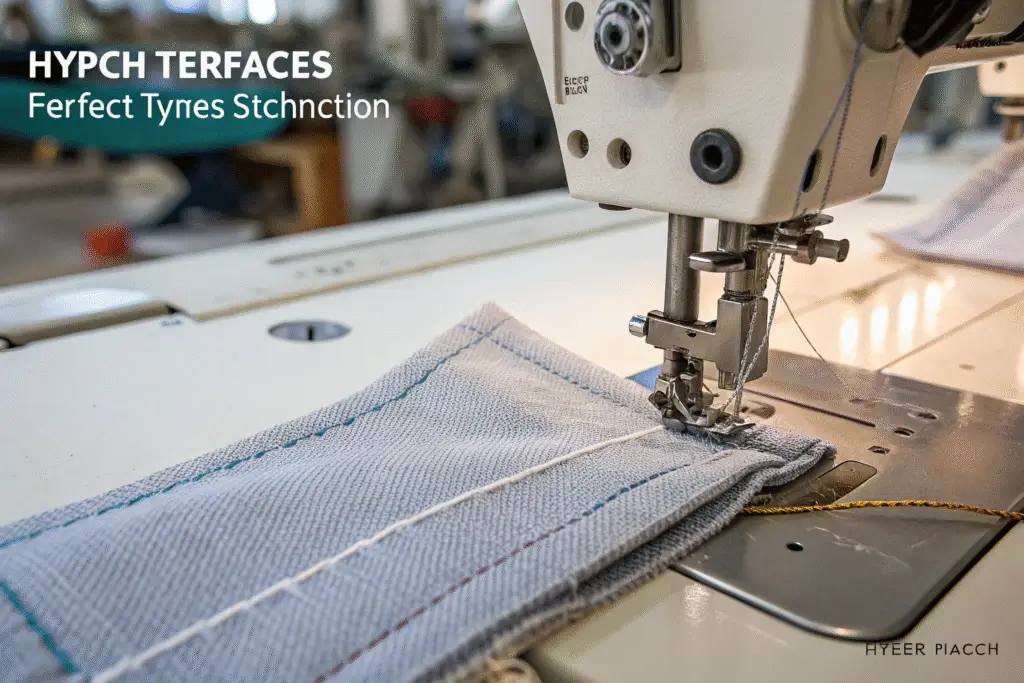
Many tech packs simply state "sew seam" without defining the type of stitch or the required SPI. This is a major oversight. A lockstitch, chainstitch, and overlock stitch have different applications, strengths, and appearances. For example, a chainstitch is used for hemming jeans because it creates a characteristic roping effect, while a lockstitch is common for most other seams. Similarly, SPI directly affects durability and aesthetics. A higher SPI (more stitches per inch) creates a stronger, finer-looking seam but costs more and takes longer to sew. A tech pack must call out every seam in the garment and specify the stitch type and SPI. We advise clients to include a stitch callout table in their tech packs for absolute clarity.
What About Seam Allowance and Seam Finishing?
Another pair of frequently forgotten details are seam allowance and seam finishing. Seam allowance is the fabric between the stitching and the raw edge. If not specified, factories will use their default, which is typically 1cm. However, if your design requires a larger allowance for future alterations or a specific construction method, you must state it. Likewise, seam finishing prevents fabric from fraying. Options include serging, binding, or flat felling. The wrong finish can lead to a garment that falls apart after a few washes or feels uncomfortable against the skin. Specifying the exact finish for each seam interior ensures the quality and longevity you expect.
How Can Fabric and Trims Specifications Be Improved?
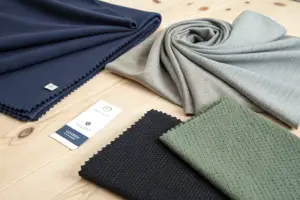
Ambiguity in material specifications is a primary source of quality issues. Simply writing "100% cotton" or "standard zipper" is not enough. This lack of detail opens the door for a factory to substitute a cheaper, inferior material that technically meets the vague description but falls short of your quality expectations.
Detailed fabric and trim specifications are your guarantee of consistency. They allow for precise cost calculation and ensure that every production run matches the quality of your approved sample. This is non-negotiable for maintaining brand integrity.
Is Your Fabric Description Detailed Enough?
A robust fabric description goes beyond fiber content. It should include the fabric weight (in GSM or OSY), construction (e.g., 2x2 rib, twill), and finish (e.g., enzyme wash, brushing). For performance fabrics, you must also specify physical properties like shrinkage rate, colorfastness, and pilling resistance based on standardized testing standards. Last season, a client provided a fabric description that only said "brushed polyester." We sourced a suitable fabric and made samples. The client was unhappy because the fabric didn't have the four-way stretch they envisioned. The tech pack never mentioned stretch. This could have been avoided by specifying "94% Polyester, 6% Spandex, Brushed, 4-Way Stretch" and including the required stretch and recovery test results.
Are All Your Trims and Labels Fully Defined?
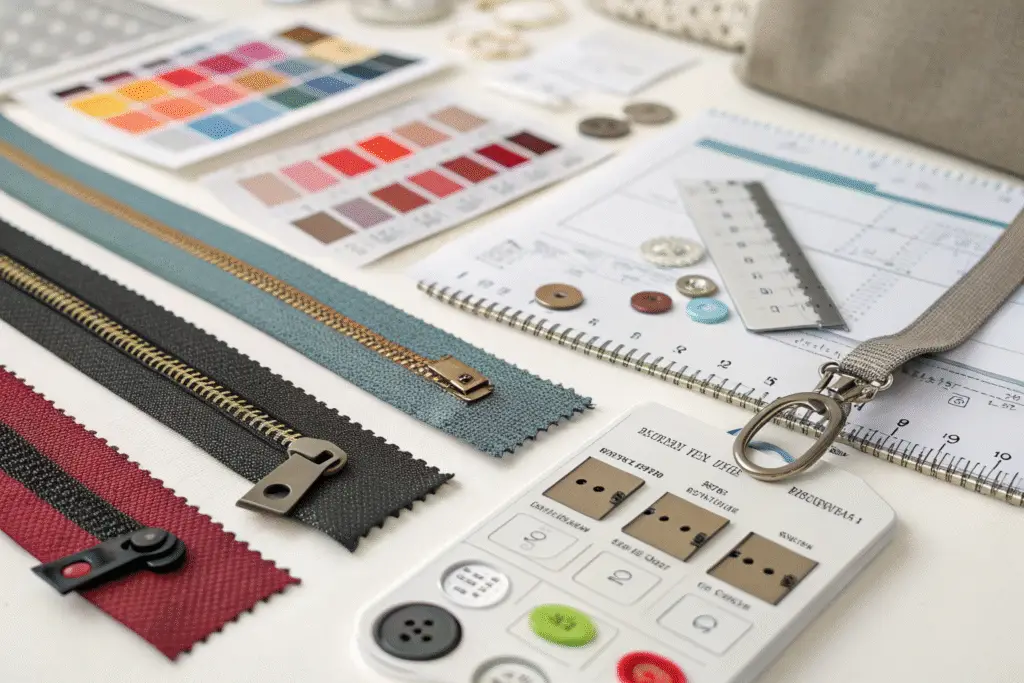
Trims seem small, but they have a huge impact. Every zipper, button, drawcord, and label needs its own specification. For a zipper, this means listing the type (e.g., separating), material (e.g., metal, plastic), size (e.g., #5), and color. For labels, you must provide the exact material (e.g, satin, cotton), size, and printing method. A common mistake is forgetting to specify the care label content. We often receive tech packs with the main label artwork but no instructions for the wash care symbols and text. This causes a last-minute scramble and risks non-compliance with regional regulations, such as those from the Federal Trade Commission.
What Pre-Production Requirements Are Often Forgotten?
The final stage of tech pack preparation involves the logistical and compliance details that govern bulk production. These requirements ensure your product is not only well-made but also legally compliant and delivered correctly.
Overlooking these elements can lead to rejected shipments, customs delays, and products that are unsellable in your target market. A truly complete tech pack covers the entire journey from factory floor to final destination.
Have You Defined Packaging and Labelling Instructions?
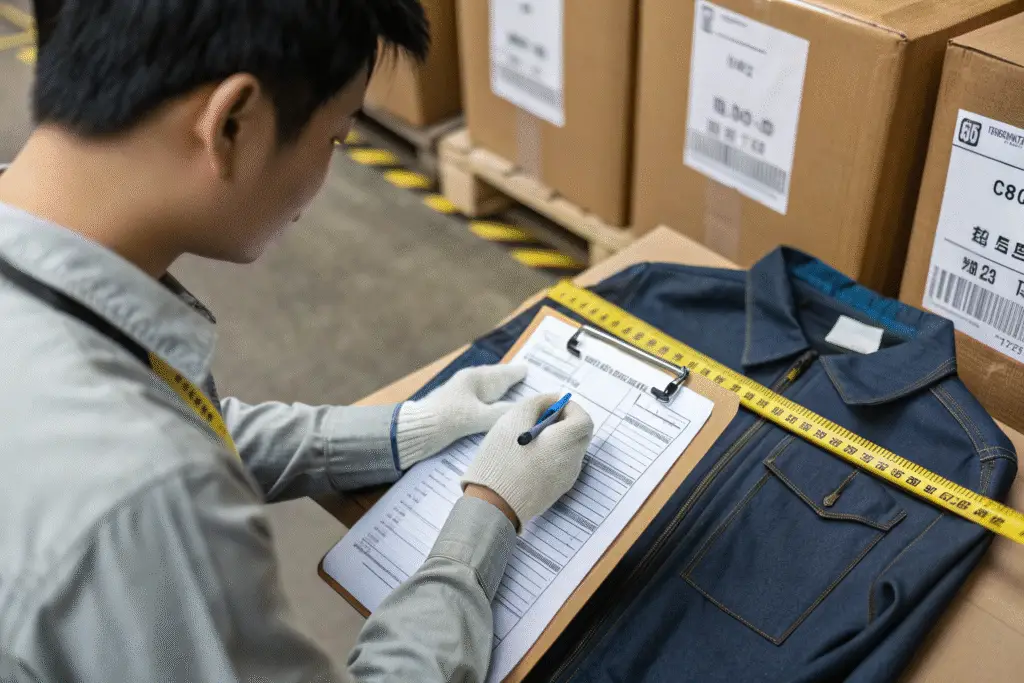
Packaging is part of the brand experience, yet its instructions are often vague or absent. Your tech pack must detail every component: poly bags, hangtags, cartons, and tissue paper. Specify the material, thickness, and size for each. For poly bags, include any required warning stickers. For cartons, provide the exact carton markings, shipping marks, and how they should be assembled. We worked with a brand that failed to specify the placement of a price ticket on the hangtag. The factory attached it in their standard way, which the brand disliked. Correcting this for 10,000 units was a manual and expensive process. Clear packaging specs prevent such wasteful errors.
What About Quality Control and Compliance Standards?
Clearly stated quality control standards are essential for consistency. You should define your AQL (Acceptable Quality Level) for inspection, including the acceptable defect levels for major and minor issues. Furthermore, compliance is critical. You must list all required certifications for your market and product type. For the U.S. market, this often includes CPSC compliance for flammability and lead content. If you require a specific third-party inspection company to audit the production, this must also be stated in the tech pack. Assuming the factory knows your preferred AQL level or compliance needs is a risk you cannot afford to take.
Conclusion
A meticulously prepared tech pack is more than just a document; it is the most powerful tool for ensuring a smooth, efficient, and successful apparel production run. By investing the time upfront to specify every construction detail, material property, trim, and logistical requirement, you eliminate ambiguity and build a strong, professional partnership with your manufacturer. This diligence directly translates to saved time, reduced costs, and a final product that truly reflects your brand's vision and quality standards.
We hope this guide empowers you to create tech packs that leave no room for error. If you are looking for a manufacturing partner who values clarity and precision and can help you bring your apparel visions to market successfully, we are here to help. For a consultation on your next project, please contact our Business Director Elaine at elaine@fumaoclothing.com.