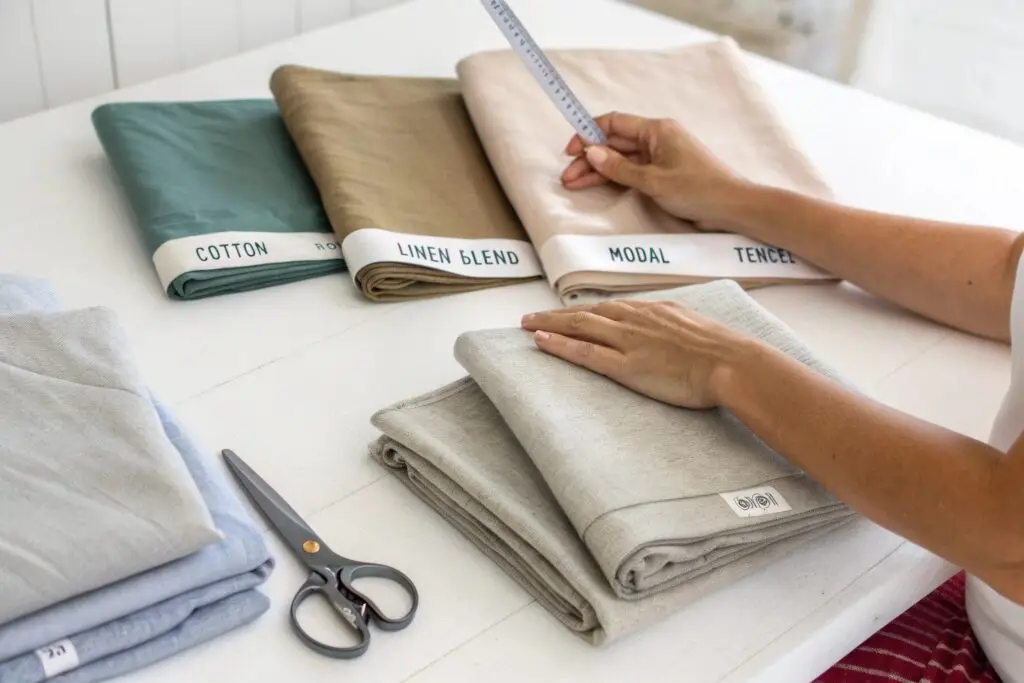
Choosing fabrics for a capsule collection isn’t just about aesthetics—it’s about ensuring every piece feels good, lasts long, and moves effortlessly between occasions and seasons.
The best capsule fabrics are breathable, durable, and low-maintenance—think cotton, linen blends, modal, TENCEL™, and select knits for year-round comfort.
I’ve helped many capsule-focused clients source textiles that tick all the boxes: timeless appeal, easy care, and consistent reorder quality. Let’s break down what truly works.
How to Choose Fabrics for Longevity and Comfort?
Capsule pieces live on repeat. If the fabric pills, loses shape, or causes discomfort, your entire drop falls apart—literally and figuratively.
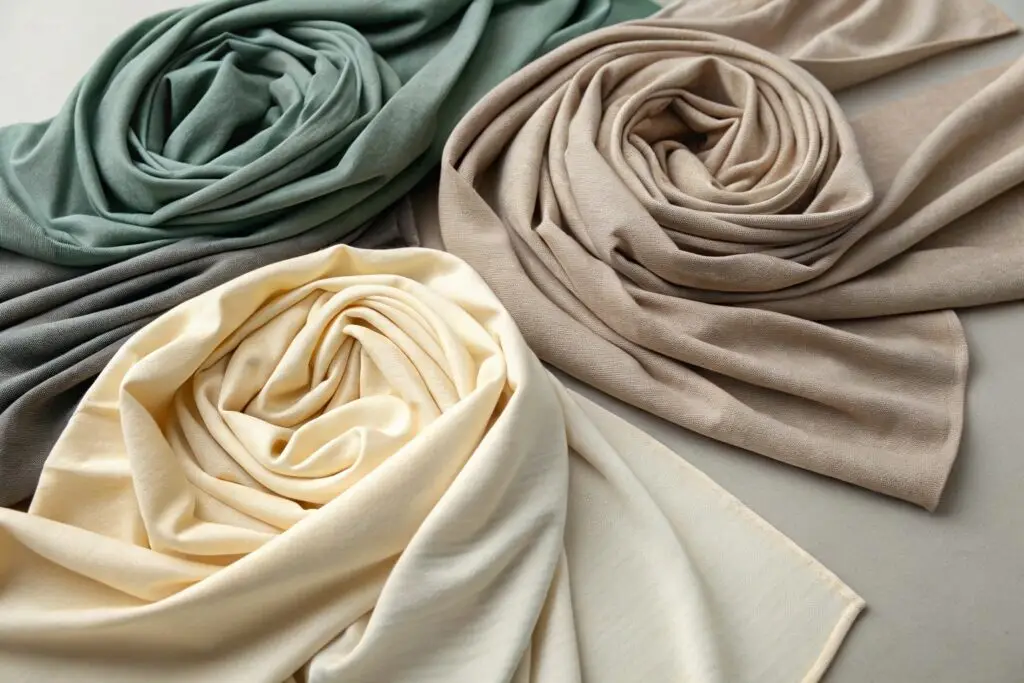
The most reliable capsule fabrics are those that combine softness with resilience—cotton-spandex blends, bamboo viscose, and modal knits consistently perform well.
Why do comfort and longevity need to coexist?
Capsule garments are worn often. That means:
- The fabric must withstand frequent washing
- It must retain its shape, color, and drape
- It must feel pleasant against the skin across temperatures
In my experience, buyers who reorder consistently focus less on trends and more on how pieces perform over time. Here's a quick table comparing some common options:
| Fabric | Comfort Score | Longevity Score | Ideal Capsule Use |
|---|---|---|---|
| Cotton Modal | ★★★★★ | ★★★★☆ | T-shirts, tanks, soft dresses |
| Linen Blends | ★★★★☆ | ★★★★★ | Blouses, shirts, shorts |
| French Terry | ★★★★☆ | ★★★★☆ | Joggers, relaxed tops, hoodies |
| Ponte Knit | ★★★★☆ | ★★★★★ | Pants, blazers, skirt suits |
Comfort builds buyer loyalty. Longevity builds brand trust. In capsules, you simply can’t afford to ignore either.
Do Natural Fibers Perform Better in Capsules?
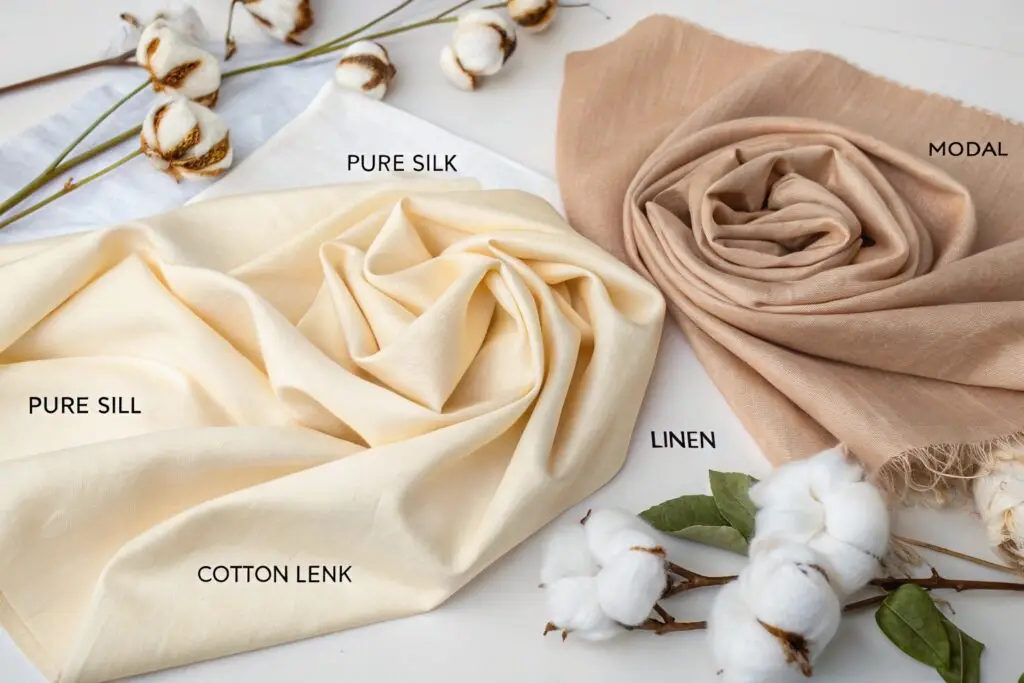
We often assume “natural equals better,” but that’s not always the case in capsule wear. Capsules demand reliability, and some natural fibers—like pure silk—just don’t hold up in daily wear.
Blended natural fibers like cotton-modal or linen-rayon offer the best mix of softness, structure, and easy care for capsules.
When do natural fibers shine—and when don’t they?
Pros:
- Breathable and skin-friendly
- Aesthetic drape and matte texture
- Sustainably sourced in many cases
Cons:
- May wrinkle (linen) or shrink (cotton)
- Higher cost per unit
- Often less colorfast than synthetics
I’ve worked with several brands using OEKO-TEX certified cotton blends. When paired with spandex (5–8%), the garments gained stretch retention without losing their natural hand-feel.
Where synthetics make sense in capsules:
| Synthetic or Blend | Reason to Use | Common Capsule Use |
|---|---|---|
| Polyester Blend | Wrinkle resistance | Workwear capsules |
| Rayon/Viscose | Soft drape, cost efficiency | Wrap dresses, flowy pieces |
| Spandex Mix | Shape retention, comfort stretch | Leggings, tanks, form-fit |
| Nylon | Abrasion resistance | Sportswear capsules |
Ultimately, I recommend testing lab-dyed fabric swatches before full production. It’s not about choosing only natural—it’s about choosing what performs naturally for the capsule format.
Balancing Durability, Drape, and Everyday Wear
Some fabrics are tough, but stiff. Others drape beautifully but fall apart in the wash. Finding the right balance is key to winning over capsule buyers who expect both structure and softness.
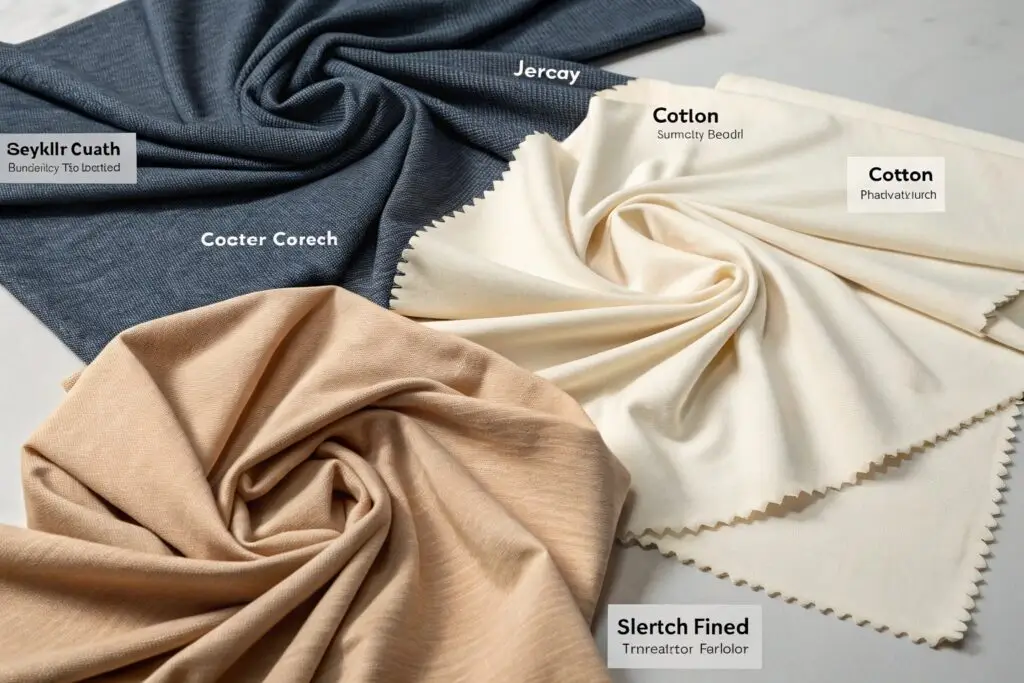
Go for double-knit jerseys, twill blends, and stretch-infused naturals—they offer both resilience and fluid movement for all-day wear.
What fabric traits are non-negotiable in capsule wear?
- Durability: survives weekly machine washes
- Shape retention: doesn’t sag or bag out
- Drape: moves with the body, flattering fits
- Fade resistance: holds dye after 20+ washes
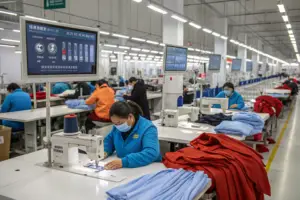
Here’s how I evaluate potential capsule textiles in the factory:
| Test Type | What I Look For | Outcome |
|---|---|---|
| Wash test (5x) | Colorfastness, shrinkage | Less than 3% shrink ideal |
| Rub test | Pilling, fiber shedding | No visible fiber fuzzing |
| Wearability mockup | Movement range, wrinkling | 4-hour wear without creasing |
| Stretch recovery | Knees/elbows after wear | Snaps back to form quickly |
We often recommend French terry for casual capsules and twill-blend ponte for tailored basics. These fabrics perform year after year across drops—just ask our return buyers.
What Textiles Support Year-Round Versatility?
Capsule items don’t belong to one season. They must breathe in summer, layer in winter, and maintain comfort all year. The textile must do the same.
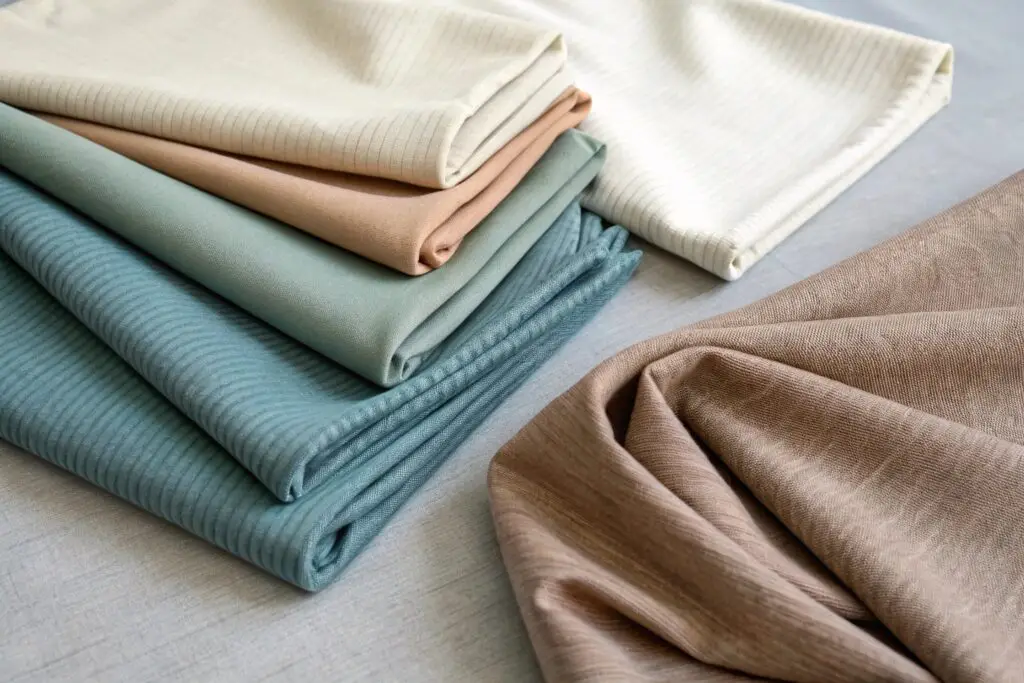
Choose mid-weight knits, trans-seasonal weaves, and moisture-regulating fibers like TENCEL™ for true all-season wear.
What’s the perfect year-round fabric weight?
| Season | Ideal GSM (Grams/Sq. Meter) | Suggested Fabrics |
|---|---|---|
| Spring | 150–180 | Cotton jersey, rayon blends |
| Summer | 120–150 | Modal, bamboo, linen blends |
| Fall | 180–230 | Ponte, French terry, wool blends |
| Winter | 230–280 | Fleece back knits, brushed cotton |
Rather than chasing seasonal fabrics, I always propose base fabric + modular styling. A 160 GSM cotton tee, layered under a 240 GSM cotton-knit cardigan, works nearly year-round in most temperate climates.
Thermo-adaptive and smart textiles for capsules?
We’re seeing more capsule buyers ask about:
- Phase-change fabrics (adjust to temperature)
- Anti-odor treatments (especially for travel capsules)
- Moisture-wicking knits (poly-cotton blends)
If your brand is targeting outdoor, urban commuter, or athleisure markets, these textile choices can add real utility without design compromise.
And if you're sourcing with us, we can help you access lab-tested fabric libraries across Guangdong, Jiangsu, and Zhejiang—even for MOQ as low as 500 yards.
Conclusion
Fabric is the foundation of capsule success. Choose textiles that last, drape, breathe, and age gracefully. The right fabric turns basics into bestsellers—and keeps buyers coming back.