Traditional bulk production no longer works the same way. Rental fashion is changing how, what, and how often we manufacture.
The growth of rental fashion demands durable garments, flexible production schedules, and tighter quality control—reshaping manufacturer-client relationships.
As a clothing manufacturer working with both rental startups and traditional retailers, I’ve seen this shift firsthand. It’s not just about making clothes anymore—it’s about keeping them alive for multiple users, multiple cycles.
How Rental Fashion Changes Production Cycles?
Rental brands don’t work on spring/fall seasons alone. They need flexibility, faster restocks, and tighter alignment between sales and manufacturing.
Rental fashion shortens and multiplies production cycles—brands need smaller, recurring orders with faster turnarounds instead of massive seasonal drops.
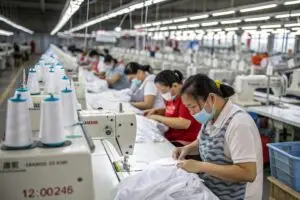
Why do rental-focused brands need more dynamic production timelines compared to traditional brands?
Traditional retailers typically place bulk orders 6–9 months before launch. But rental brands don’t want to sit on deadstock. Instead, they:
- Launch micro-collections monthly or quarterly
- Reorder based on usage and demand
- Adjust SKUs seasonally or even bi-weekly
As a manufacturer, this means:
- Smaller batch sizes (200–500 pcs per style)
- Flexible planning with quick restarts
- Capacity reserved for short runs
For instance, one of our European clients runs a toddlerwear rental platform. Instead of ordering 5,000 pcs at once, they order:
- 300 pcs in March
- 200 pcs refill in April
- 500 pcs top-up in June
Each order reflects real-time usage data. The old “order-and-hope” model no longer applies.
How can manufacturers adapt their workflow to handle non-traditional, on-demand ordering?
We’ve changed how we work:
- Allocate “floating capacity” for repeat clients
- Use flexible labor shifts for quick production sprints
- Keep shared fabrics stocked to avoid sourcing delays
Also, communication frequency has increased. Rental clients check in weekly, not seasonally. They expect agility, not just accuracy.
| Factor | Traditional Retail | Rental Fashion |
|---|---|---|
| Production Frequency | 2–4 times/year | Monthly/Quarterly |
| Order Size | Large (5k–20k pcs) | Small (100–1k pcs) |
| Forecast Window | 6–12 months | 1–3 months |
| Lead Time Expectation | 60–90 days | 15–30 days |
| Fabric Planning | Predefined | On-demand |
Manufacturing for Durability in Rental-Ready Apparel?
Rental garments face far more stress than retail ones. They’re worn, washed, and shipped many times.
Manufacturing for rental requires materials, stitching, and finishes designed to withstand 15+ usage cycles—without sacrificing comfort or design.
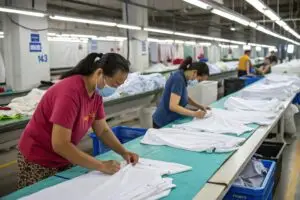
What garment features do rental brands prioritize that retail brands often overlook?
In rental fashion, durability equals profitability. If an item breaks after 3 uses, it’s a financial loss.
Top durability demands include:
- Stronger stitching (triple bar-tack at stress points)
- Colorfast fabrics that don’t fade after repeated washing
- Pre-shrunk material to prevent customer complaints
- Stain-resistant coatings (especially on toddlerwear)
- Reinforced seams on elbows, knees, and underarms
We’ve had rental clients ask us to:
- Replace plastic buttons with metal snaps
- Switch elastic waistbands to adjustable versions
- Use double-layer cotton in high-friction zones
In contrast, retail brands often optimize for initial appearance—not long-term survival.
How do material choices change when producing for rental versus resale?
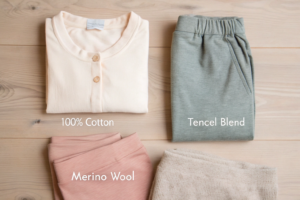
Rental brands favor:
- Midweight jersey knits over thin cotton
- Woven blends with stretch and memory
- Fade-resistant dyes (often deeper or neutral tones)
Here’s a quick breakdown:
| Material Feature | Retail Preference | Rental Preference |
|---|---|---|
| Visual Trendiness | High | Medium |
| Fabric Softness | Priority | Balanced with strength |
| Shrink Resistance | Optional | Required |
| Wash Durability | Nice to Have | Mandatory |
| Reinforced Features | Minimal | Required in all key areas |
It’s a mindset shift. You’re no longer manufacturing for one buyer—you’re manufacturing for ten.
Smaller Batches and Faster Turnarounds for Rentals?
The rental model doesn't scale on bulk alone. It thrives on speed and flexibility.
Rental clients need small-batch production runs that can be restocked quickly, often mid-season, based on user data and garment rotation rates.
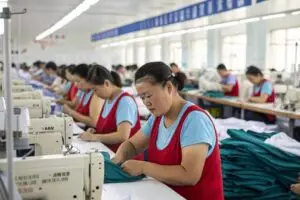
Why do rental clients demand low MOQ and rapid response manufacturing from suppliers?
Two main reasons:
- Garment lifespan is tracked. If 20% of a SKU gets retired, they must replace just those pieces—not reorder 1000 more.
- Customer fit data matters. If one size sells more than others, brands reorder only that size.
This leads to:
- MOQ requests as low as 100 pcs/style
- Reorders every 2–3 weeks
- Split shipments across warehouses
Traditional bulk suppliers often say no. But we’ve learned to say yes—by batching orders across clients and using pre-booked fabric yards.
What production strategies help manufacturers stay lean while serving high-frequency rental orders?
Some methods we use:
- Fabric pooling: Multiple brands share fabric to meet MOQs.
- Modular cutting: We cut different patterns from the same fabric bolt.
- Blank base: Use a common base style (e.g., tee) with changing prints.
| Strategy | Description | Benefit |
|---|---|---|
| Pre-dyed Fabric Stock | Keep base colors ready | 50% faster turnaround |
| Shared MOQ Models | Multiple clients share material runs | Meet low MOQ demand |
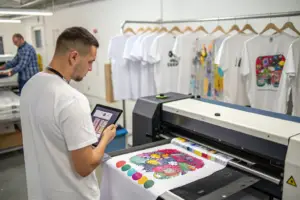
| Digital Print Fabrics | Small runs of designs on same base fabric | Custom looks, low waste |
| Float Labor Schedules | Flexible sewing team for peak periods | Scale up quickly |
We’ve also integrated semi-automated cutting to increase speed without huge investment.
Rental orders are rarely static. To win rental clients, we have to move with them—week to week.
Why Clothing Rentals Demand Higher Quality Control?
With returns come inspections. With rentals come standards. Brands can't afford even one garment failure.
Rental businesses require intense quality control processes because each garment represents recurring revenue—and even minor defects lead to costly returns or cancellations.
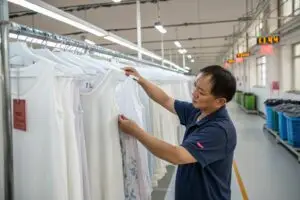
How does quality control in rental apparel differ from traditional manufacturing?
In retail, QC happens once:
- Final garment inspection
- Spot-checks on shipments
- Packaging checks
But for rental:
- Items are inspected after every use
- Factories may be asked to pre-certify garment durability
- Small flaws (thread fray, loose button) = immediate service problem
We’ve had rental clients require:
- Tensile tests on seams
- Machine wash cycle simulations
- Wash shrinkage documentation
They also request QC data dashboards, showing:
- % of garments passing first inspection
- Repair rates per SKU
- Customer return complaints by cause
| QC Metric | Traditional Retail | Rental Clients |
|---|---|---|
| Pre-shipment Inspection | 1x per style | 1x per batch |
| Wear Test Expectation | Optional | Required (10+ cycles) |
| Label Wash Resistance | Not tested | Mandatory |
| Stitch Integrity Rate | 90% acceptable | 98% required |
What QC improvements can manufacturers implement to meet rental clients' expectations?
Simple upgrades that help:
- Switch to computerized stitching audits
- Offer return-and-repair programs
- Maintain post-shipping support for fixes or feedback
We also encourage brands to send us damaged returns to analyze common failures. This feedback loop strengthens future batches and boosts retention.
Rental apparel isn’t about avoiding returns—it’s about mastering them.
Conclusion
The rental boom is transforming manufacturing—from bulk orders to small-batch agility, from trend-first to durability-focused. For factories like ours, adapting to this shift means more partnerships, smarter workflows, and higher standards—but it also means opportunity in a fast-evolving market.