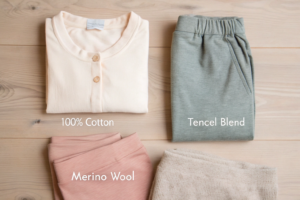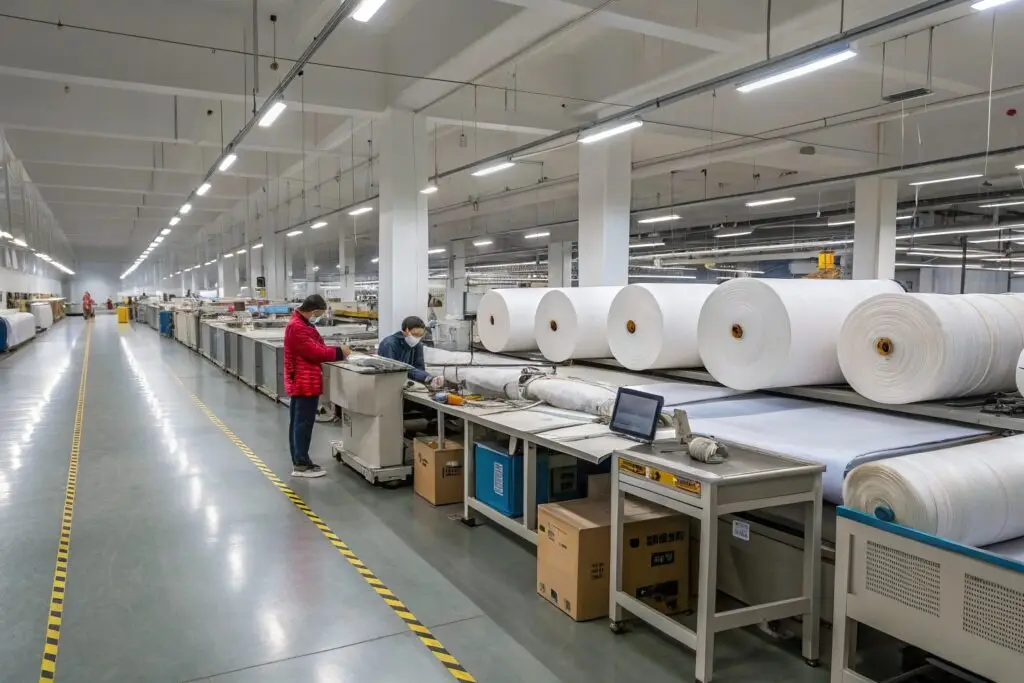
When I first noticed my US clients ordering smaller batches in 2020, I didn’t realize we were witnessing the early tremors of the DTC (Direct-To-Consumer) earthquake. As owner of Fumao Clothing—a Chinese manufacturer supplying brands for 12 years—I’ve since adapted our five production lines to serve both traditional wholesalers and digitally-native DTC players. This shift isn’t just about order sizes; it’s rewriting the rules of apparel sourcing.
Featured Snippet Answer:
The DTC boom means B2B clothing suppliers must adapt to smaller MOQs (minimum order quantities), faster turnaround times, and custom packaging as brands bypass retailers to sell directly to consumers. Savvy manufacturers like Fumao now offer hybrid services combining bulk production efficiency with DTC-friendly flexibility.
The lines between B2B and DTC are blurring. Let’s dissect what this means for suppliers and buyers alike.
What Does DTC Mean in B2B?
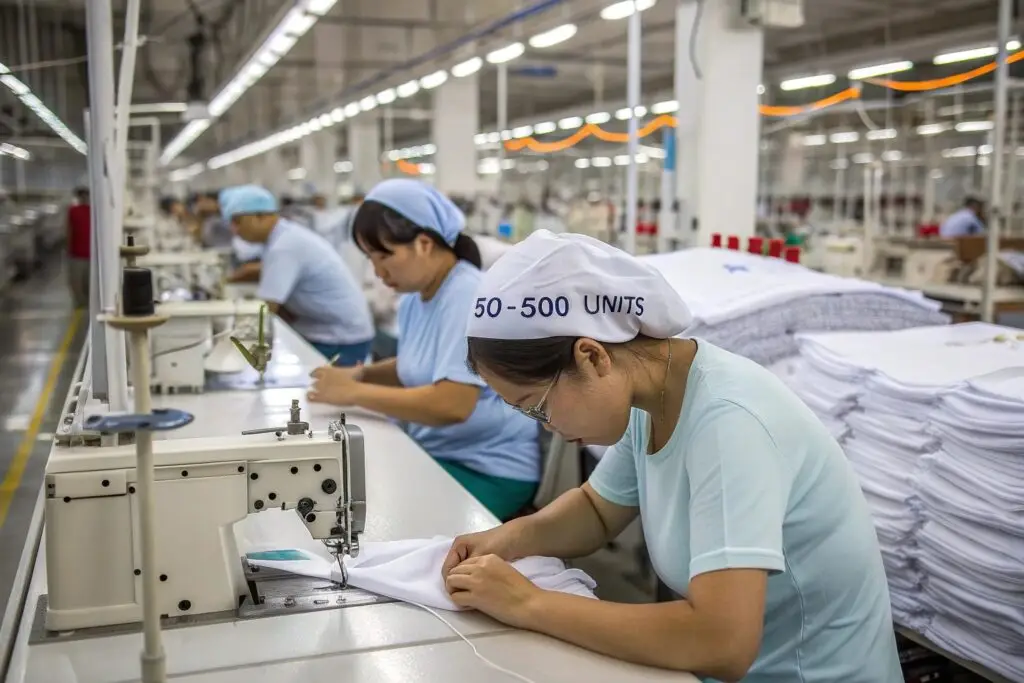
Last quarter, a Denver-based startup ordered just 200 units of our organic cotton tees—with custom neck labels and branded tissue paper—instead of the traditional 1,000-piece MOQ. That’s DTC’s influence: B2B transactions mimicking consumer-level customization. For manufacturers, this demands:
- Micro-production capabilities (our Line 4 handles 50-500 unit runs)
- Branding add-ons (woven labels start at 100 units)
- E-commerce-ready packaging (individual polybags with barcodes)
Key Change:
DTC brands expect the polish of Warby Parker with the supply chain agility of Shein—a challenge we meet through modular production.
Dive Deeper: The New B2B-DTC Hybrid Model
How Are Payment Terms Evolving?
Traditional NET-30 terms strain cash-strapped DTC startups1. We now offer:
| Order Size | Payment Plan | DTC Adoption Rate |
|---|---|---|
| 50-300 units | 50% deposit, 50% on delivery | 78% |
| 301-1,000 units | 30/70 split | 62% |
| 1,000+ units | NET-15 (instead of NET-30) | 41% |
What Packaging Innovations Matter Most?
DTC brands prioritize unboxing experiences2. Our top-requested upgrades:
- Custom sticker sheets (min. 500 units)
- Recyclable mailers (15% cost premium)
- QR code hangtags linking to care instructions
What Is DTC in Clothing?
When a Los Angeles client sells $2M annually via Instagram checkout without any wholesale accounts, that’s DTC in action. These brands:
- Control margins (avoiding 50%+ retailer markups)
- Own customer data (crucial for repeat sales)
- Demand manufacturer flexibility (our fastest client went from design to delivery in 18 days)
Manufacturing Impact:
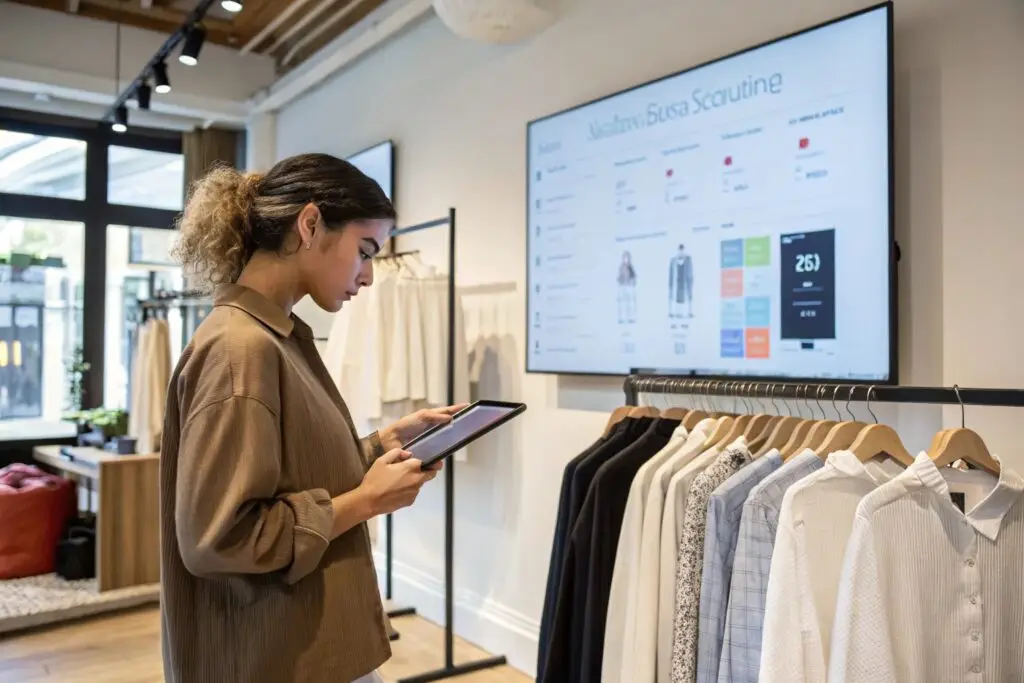
We’ve reduced sampling time from 14 to 7 days by 3D prototyping—a game-changer for DTC brands testing viral trends.
Dive Deeper: The DTC Supply Chain Revolution
Why Do DTC Brands Favor Chinese Manufacturers?
Our 2023 client survey revealed:
| Factor | Importance (1-10) | Fumao’s Solution |
|---|---|---|
| Speed | 9.1 | Express 15-day production slots3 |
| Transparency | 8.7 | Live factory camera access |
| Small MOQs | 8.5 | No-fee 50-unit starter packs |
How Does Fabric Sourcing Differ?
DTC brands4 prioritize story-driven materials:
| Fabric | Marketing Angle | Cost Impact |
|---|---|---|
| Recycled PET5 | "6 plastic bottles per tee" | +12% |
| Organic Cotton | "GOTS-certified safety" | +18% |
| Bamboo Viscose | "Antimicrobial properties" | +23% |
What Does B2B Stand For in Business to Boom?
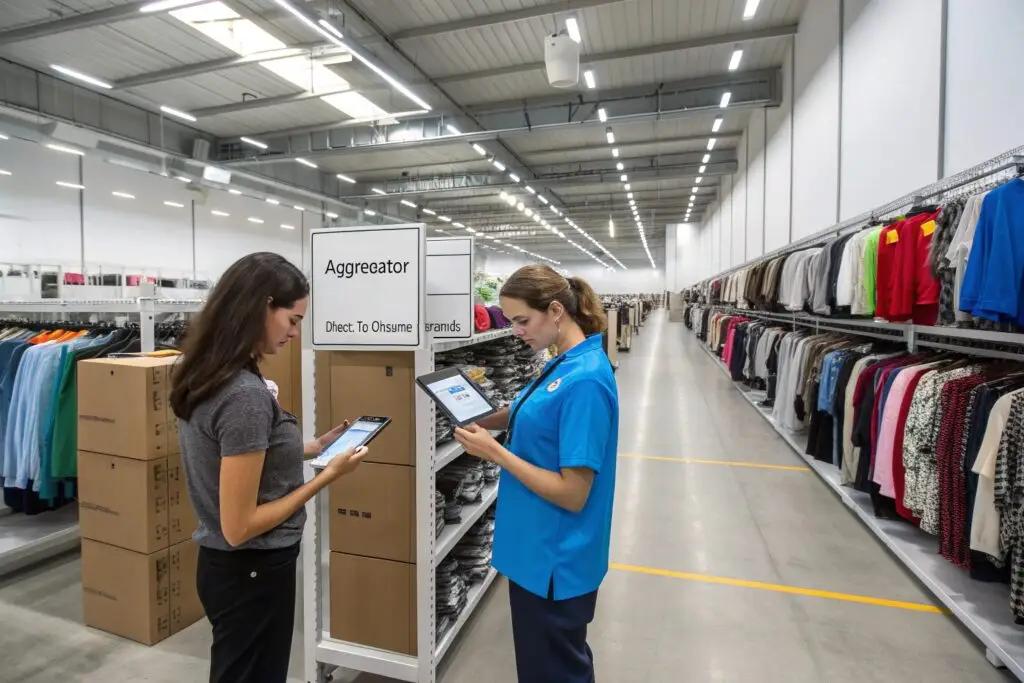
The "Boom" reflects how traditional Business-to-Business models are evolving beyond bulk orders. We now serve:
- Aggregators buying generic stock for multiple DTC brands
- Platforms like Faire where boutiques order pre-branded goods
- Influencer collectives pooling orders for limited editions
Case Study:
A Chicago-based influencer group ordered 800 units of our linen dresses with five different label designs—essentially five micro-brands sharing production.
Dive Deeper: Modern B2B Strategies
What’s Driving the "Business to Boom" Shift?
| Trend | Supplier Requirement | Our Adaptation |
|---|---|---|
| Flash sales6 | Pre-positioned blank inventory | 10,000+ white-label tees in stock |
| Crowdfunding7 | Production aligned with campaign results | Pledge-based manufacturing |
| AI forecasting8 | Dynamic capacity planning | 30% buffer capacity |
How Are MOQs Changing?
| Year | Standard MOQ (Units) | DTC-Friendly Option |
|---|---|---|
| 2018 | 1,000 | Not available |
| 2020 | 500 | 300 (+20% fee) |
| 2024 | 100 | 50 (+15% fee) |
What Is B2B and How Does It Differ From B2C and DTC?
When I explain this to new buyers, I use a coffee analogy:
- B2B (Us → Brands): Selling beans to Starbucks
- B2C (Brands → Shoppers): Starbucks selling lattes
- DTC (Us → Shoppers): Rare, like selling beans at farmers' markets
Key Distinctions:
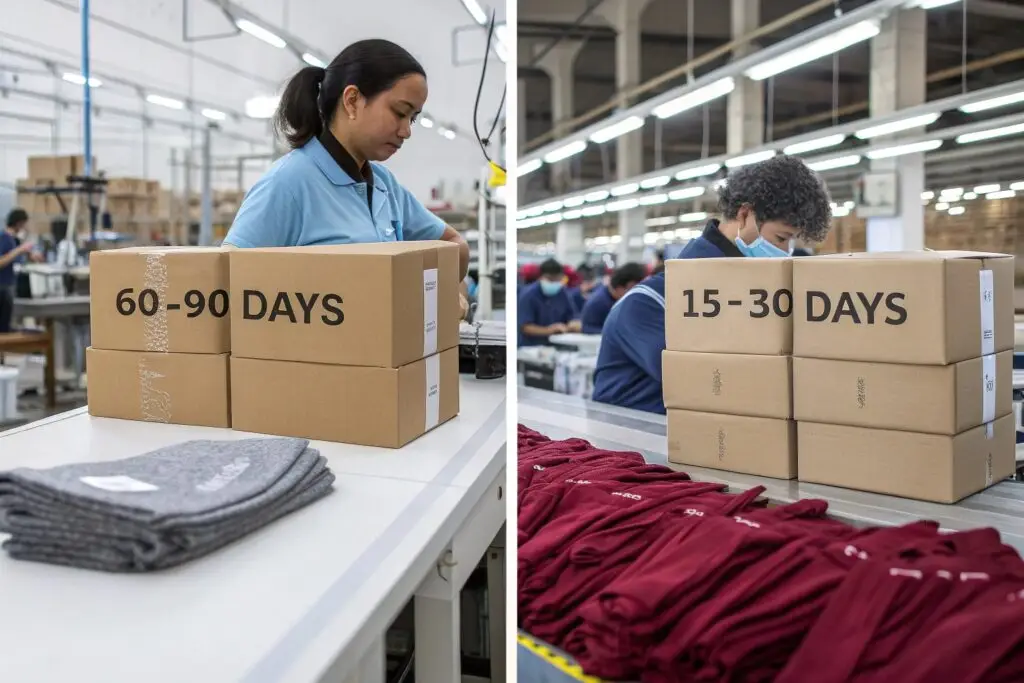
| Factor | Traditional B2B | DTC | B2C |
|---|---|---|---|
| Order Size | 1,000+ units | 50-500 units | N/A |
| Branding | Private label | Full customization | Pre-branded |
| Lead Time | 60-90 days | 15-30 days | N/A |
Exception: Some hybrids like our "DTC-in-a-Box" program help startups launch with just 50 pre-labeled units.
Dive Deeper: Choosing Your Model
When Should Brands Use B2B vs. DTC Sourcing?
| Scenario | Ideal Model | Why |
|---|---|---|
| Testing product-market fit | DTC micro-orders9 | Lower risk |
| Scaling proven designs | B2B bulk10 | Cost efficiency |
| Seasonal collections | Hybrid11 | Balance speed/volume |
How Do Profit Margins Compare?
| Model | Typical Margin | Fumao’s Value Add |
|---|---|---|
| Traditional Wholesale | 30-40% | Economies of scale |
| DTC | 55-70% | Speed-to-market |
| Retail B2C | 40-50% | Consistent volume |
Conclusion
The DTC revolution isn’t killing B2B apparel manufacturing—it’s forcing it to evolve. At Fumao, we’ve transformed from a bulk-only factory into a "DTC enabler" by:
- Modularizing production lines to handle 50-unit orders profitably
- Investing in digital prototyping to slash development time
- Creating transparent partnerships with live production tracking
For buyers, this means unprecedented flexibility. That Texas boutique needing 200 exclusive sundresses? Done. The influencer collective wanting seven colorways at 75 units each? No problem.
The future belongs to suppliers who recognize that "B2B" now stands for "Business to Both"—serving traditional wholesale while empowering DTC innovation. As one of our LA clients put it: "You give us the quality of Ralph Lauren’s factory with the agility of a Printful." That’s the sweet spot where boom meets business.
-
Understanding the challenges DTC startups face can provide insights into the evolving payment landscape and help businesses adapt. ↩
-
Exploring the significance of unboxing experiences can enhance your brand's customer engagement and retention strategies. ↩
-
Exploring the advantages of express production can help businesses optimize their supply chain and meet customer demands faster. ↩
-
Understanding the preferences of DTC brands can provide insights into market trends and consumer behavior. ↩
-
Discovering the advantages of recycled PET can enhance sustainability efforts and appeal to eco-conscious consumers. ↩
-
Discover the benefits of flash sales in boosting sales and creating urgency in B2B marketing. ↩
-
Learn about the transformative effects of crowdfunding on B2B models and how it can drive innovation. ↩
-
Explore how AI forecasting can enhance your business strategies and improve decision-making processes. ↩
-
Explore this link to understand how DTC micro-orders can minimize risk while testing product-market fit. ↩
-
Learn about the cost efficiency of B2B bulk sourcing and how it can help scale proven designs effectively. ↩
-
Discover the advantages of a hybrid model for seasonal collections, balancing speed and volume effectively. ↩