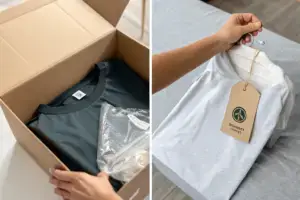
You've sent your design to multiple factories, but the quotes you receive vary wildly. Some are suspiciously low, others surprisingly high, and none seem to be based on the same information. This frustrating scenario usually happens for one simple reason: factories are making assumptions to fill in the gaps in your initial inquiry. The precision of your quote depends entirely on the quality and completeness of the information you provide.
A precise production quote requires comprehensive technical documentation that eliminates guesswork. Factories need detailed tech packs with precise measurements, clearly specified materials and trims, defined quality standards, and confirmed order quantities to calculate an accurate price. Providing vague descriptions like "good quality fabric" or "standard packaging" forces manufacturers to estimate, leading to quotes that will inevitably change later.
Think of your initial inquiry as a blueprint. The more detailed the blueprint, the more accurate the construction bid. Let's break down the essential information that transforms a rough estimate into a firm, reliable production quote.
Why Is a Complete Tech Pack Your Most Important Document?
A comprehensive tech pack serves as the universal language between your design vision and factory execution. This document eliminates ambiguity by providing precise specifications that every department - from pattern making to production - can follow exactly. Without it, you're relying on verbal descriptions that can be misinterpreted.
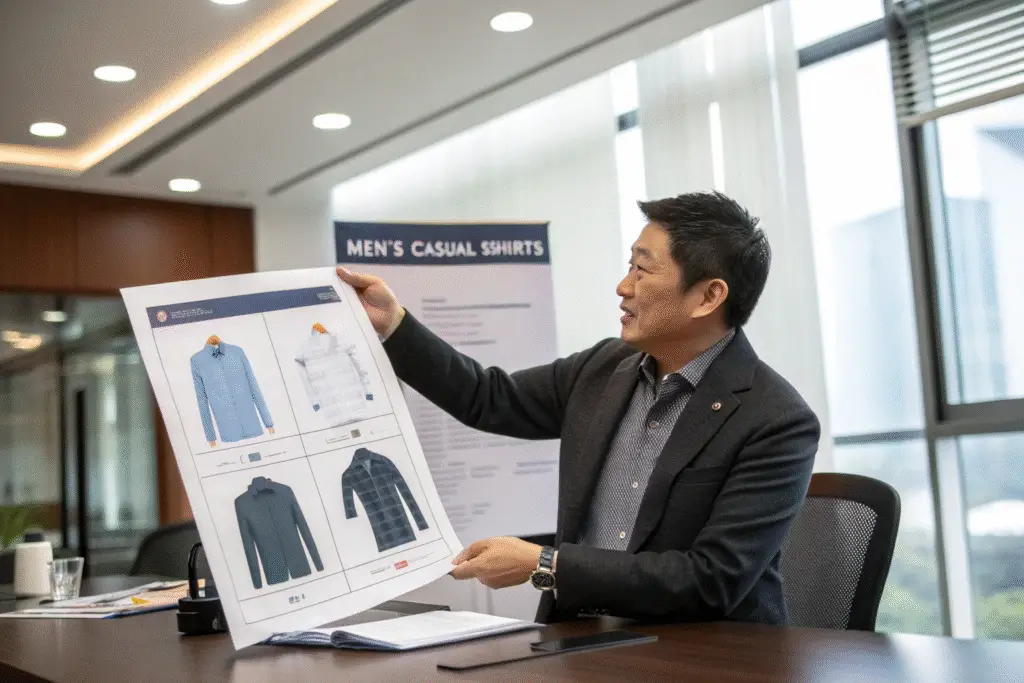
We recently received an inquiry for "men's casual shirts" with only front and back images. The quote we provided had a 25% potential variance because we had to assume critical details. When the client shared their complete tech pack, we could immediately lock in a firm price. This is why at Shanghai Fumao we offer tech pack development support to ensure nothing gets lost in translation.
What Technical Specifications Are Non-Negotiable?
Precise technical specifications form the foundation of accurate costing. Missing just one measurement can significantly impact both fit and production efficiency. Essential specifications include:
- Detailed Garment Measurements: Not just base sizes but complete grade rules for your entire size range
- Construction Details: Stitch types (lockstitch, overlock), SPI (stitches per inch), and seam types
- Tolerance Levels: Acceptable variances in measurements (e.g., ±0.5cm)
- Point of Measurement: Clear diagrams showing where each measurement should be taken
A sportswear brand learned this lesson when their initial quote didn't include specific elastic tension requirements for waistbands. The first sample failed their fit test, requiring additional development rounds that increased costs by 18%. The revised tech pack with tension specifications allowed us to provide a fixed price.
How Do Construction Details Directly Impact Cost?
Construction complexity directly determines labor time and skill requirements. A simple t-shirt might use basic overlook seams throughout, while a performance jacket could require flatlock stitching, taped seams, and specialized reinforcements. Consider this comparison:
| Construction Element | Simple Implementation | Complex Implementation |
|---|---|---|
| Seams | Basic overlook seams | French seams or flat-felled seams |
| Closures | Standard plastic zipper | Waterproof, custom-dyed metal zipper |
| Finishing | Basic edge stitching | Binding, piping, or topstitching |
Each construction choice affects the final price. Being specific in your tech pack ensures the quote reflects your actual quality expectations rather than factory assumptions.
How Do Material Specifications Determine Your Base Cost?
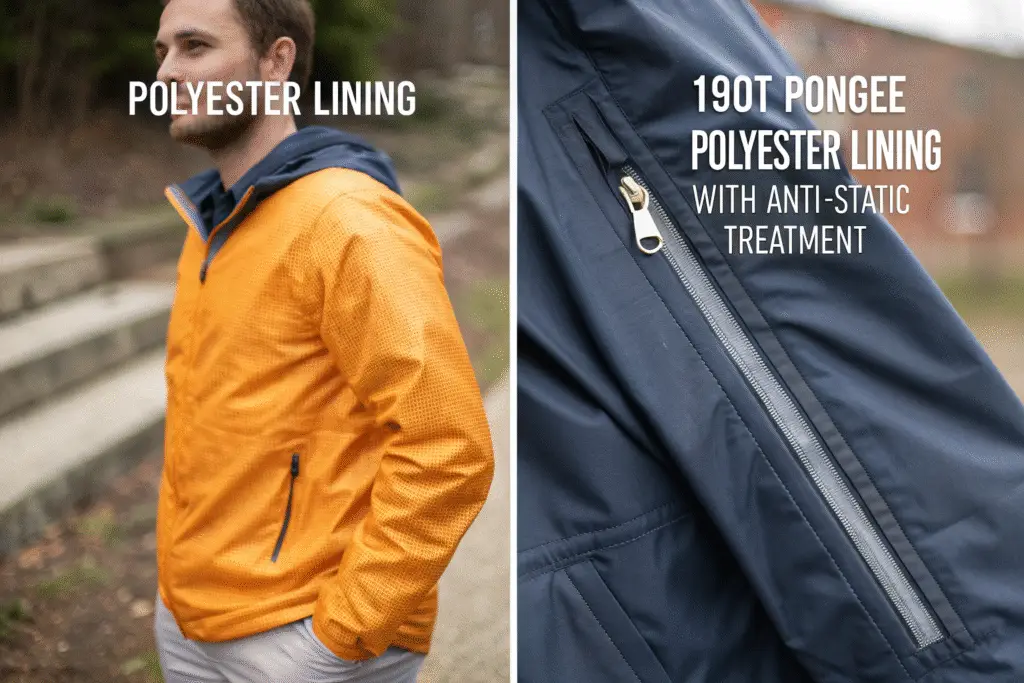
Materials typically represent 50-70% of your garment's cost, making precise specification essential. Vague descriptions like "premium cotton" or "good quality zipper" create pricing uncertainty and quality risks. Factories need exact technical details to source correctly and cost accurately.
The difference between "polyester lining" and "190T pongee polyester lining with anti-static treatment" is significant in both cost and performance. Detailed specifications prevent substitution and ensure consistency across production runs.
What Fabric Information Is Essential for Accurate Pricing?
Complete fabric specifications must go beyond basic composition. For accurate costing, provide:
- Full Composition: Exact fiber percentages (e.g., 98% cotton, 2% elastane)
- Fabric Weight: In GSM (grams per square meter) or OSY (ounces per square yard)
- Construction Type: Knit (single jersey, interlock) or woven (twill, poplin)
- Finish Requirements: Brushing, enzyme wash, waterproof coating
- Testing Standards: Any specific fabric testing requirements like colorfastness or shrinkage
A denim brand we work with provides exact wash specifications for each style, including chemical treatments, stone wash duration, and finishing processes. This allows us to quote their complex washes accurately rather than providing estimates that would change during production.
Why Must Trim Specifications Be Equally Detailed?
Trims may seem minor but collectively impact cost, lead time, and quality. Specify:
- Buttons: Material (plastic, metal, natural), size, color, and attachment method
- Zippers: Type (coil, vislon, metal), size, tape composition, and slider style
- Labels: Woven vs. printed, size, attachment method, and content
- Thread: Composition and weight matching fabric properties
One client discovered their "standard plastic buttons" were suddenly unavailable, and the replacement cost was 300% higher. By specifying exact button supplier and product codes in their tech pack, they now avoid such surprises and receive consistent pricing.
What Production Parameters Affect the Final Quote?
Beyond the garment itself, production variables significantly impact your per-unit cost. Order quantity, timeline, and quality requirements all influence factory efficiency and resource allocation. Being transparent about these parameters from the beginning ensures your quote reflects the actual production scenario.
Factories calculate costs based on efficiency. Larger orders spread fixed costs like pattern making and machine setup across more units, reducing the per-piece price. Similarly, realistic timelines allow for optimal production scheduling versus rush fees for expedited service.
How Do Order Quantities and Sizes Impact Pricing?
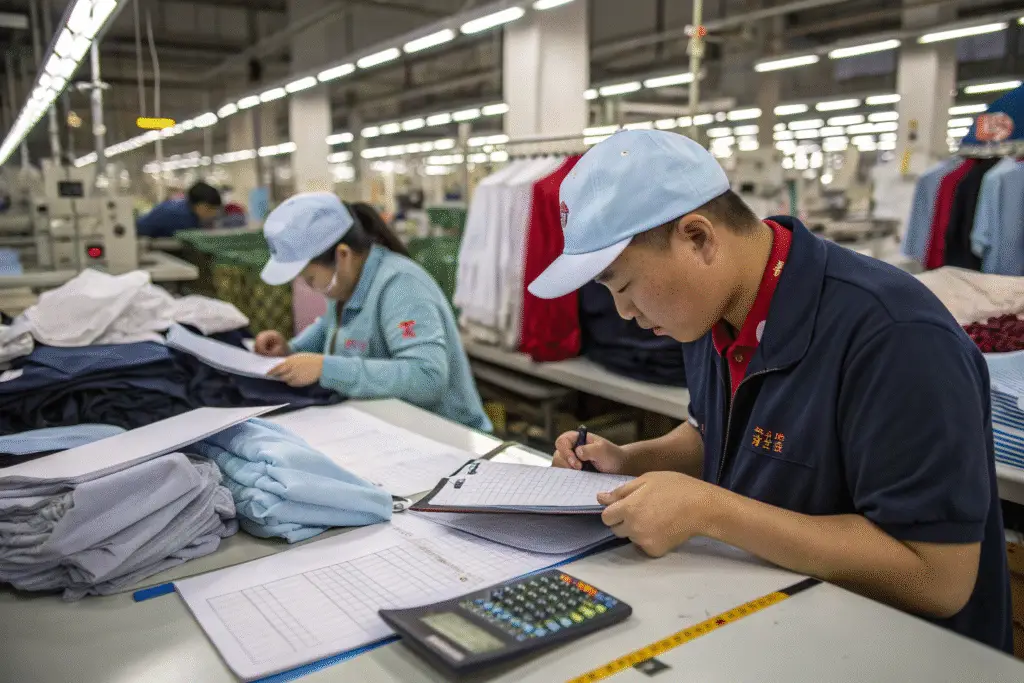
Provide detailed size breakdowns rather than just total quantity. Producing 1,000 pieces of one size is more efficient than 100 pieces across 10 sizes. Essential information includes:
- Size Breakdown: Exact quantities for each size in your range
- Color Breakdown: Quantities per colorway if producing multiple colors
- Minimums: Your acceptable minimum order quantity per style/color
A emerging brand wanted to produce 500 units across 5 sizes and 4 colors. The initial quotes were high because factories assumed equal distribution. When they provided their actual sales forecast (showing 40% of units in medium, and 60% in just 2 colors), we optimized production and reduced their cost by 22%.
What Quality and Logistics Requirements Add Cost?
Clearly communicate your expectations for quality control and shipping terms. These elements directly impact cost but are often overlooked in initial quotes. Specify:
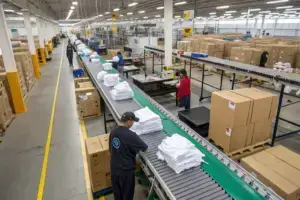
- Inspection Level: AQL 1.0, 2.5, or 4.0 standard and who conducts inspection
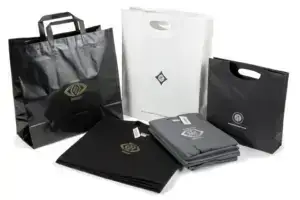
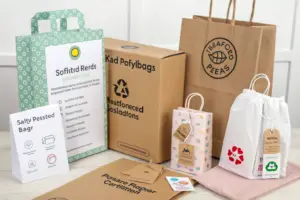
- Packaging: Polybags, hangers, carton markings, and inner packaging
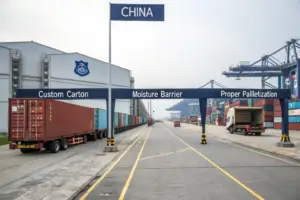
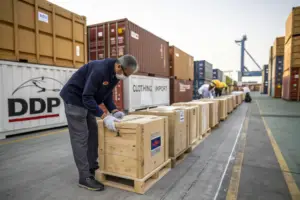
- Shipping Terms: FOB, EXW, or DDP - this significantly affects the final price
- Documentation: Specific compliance or customs documentation required
At Shanghai Fumao, we include our standard AQL 2.5 inspection in all quotes but provide upgrade options for stricter quality requirements. This transparency prevents unexpected quality control charges later.
Conclusion
A precise production quote requires treating your initial inquiry as a comprehensive business brief rather than a simple price request. By providing detailed tech packs, exact material specifications, and clear production parameters, you enable factories to calculate accurate costs rather than educated guesses.
This detailed approach saves time, prevents cost increases later, and establishes a foundation of transparency with your manufacturing partner. Ready to get a precise quote for your next production order? Send your complete specifications to our Business Director Elaine at elaine@fumaoclothing.com and experience the difference that detailed planning makes.