Many fashion entrepreneurs assume that small-batch manufacturers don't need the same level of certification as large-scale factories. This misconception can lead to serious business risks, from production problems to legal issues and reputational damage. The truth is, certification standards are equally important regardless of order quantity—and in some cases, even more critical for low MOQ production.
Your low MOQ supplier should hold essential certifications covering quality management, social compliance, environmental standards, and material authenticity. These certifications provide assurance that your small-batch production meets international standards for ethical manufacturing, quality consistency, and environmental responsibility.
Certifications serve as independent verification that your supplier operates professionally and responsibly, protecting your brand while ensuring product integrity.
What Quality Management Certifications Are Essential?
Quality management certifications demonstrate that your supplier has systematic processes for maintaining consistent quality, which is particularly crucial for small batches where each garment represents a significant percentage of your total order.
We recently helped a Seattle brand avoid a potential quality disaster when our ISO 9001-certified quality systems identified a fabric shrinkage issue during pre-production testing. The early detection saved their 120-unit order from massive sizing problems and customer returns.
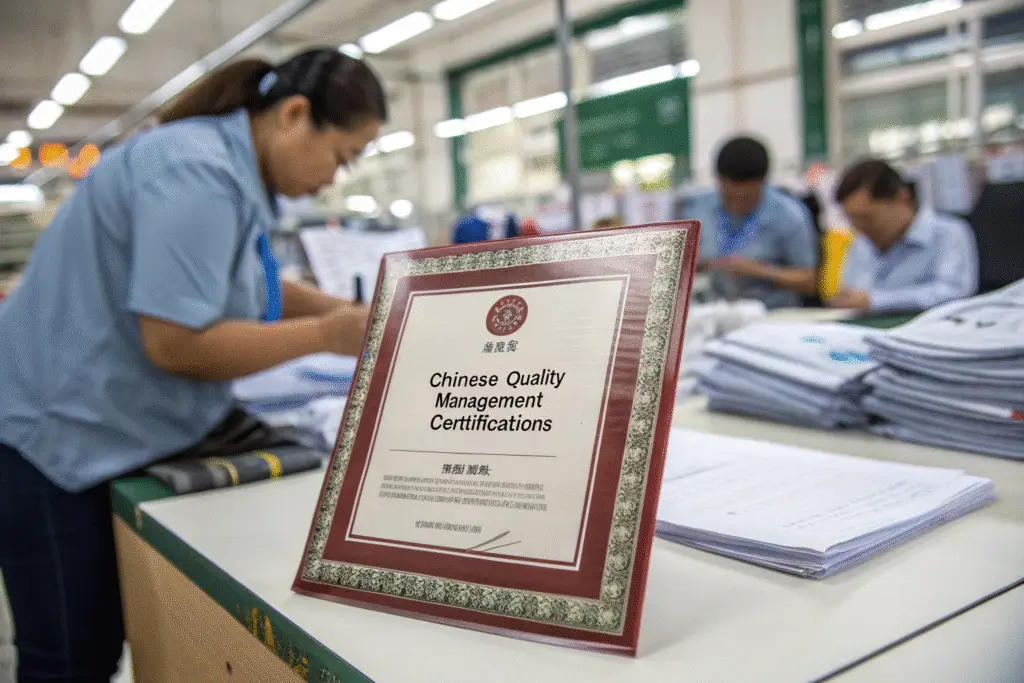
Why is ISO 9001 important for low MOQ production?
ISO 9001 certification ensures that manufacturers have documented quality management systems covering design, production, and service. For low MOQ orders, this systematic approach is vital because small batches don't allow for mid-production corrections. A Portland brand learned this when their previous non-certified supplier produced 150 dresses with inconsistent stitching—a problem that would have been caught by proper quality systems. The certification provides assurance that processes are consistently applied, regardless of order size.
What role do product-specific certifications play?
Product-specific certifications like OEKO-TEX Standard 100 guarantee that textiles are free from harmful substances. For a children's wear brand producing 100-unit batches, this certification provided the safety assurance their customers demanded. The certification also helped them command premium pricing by verifying their commitment to product safety, ultimately making their low MOQ production more profitable despite higher material costs.
What Social Compliance Certifications Matter Most?
Social compliance certifications verify that manufacturers operate ethically, treating workers fairly and providing safe working conditions. These certifications protect your brand from reputational damage and ensure you're partnering with socially responsible manufacturers.
A Los Angeles brand faced significant backlash when their previous supplier was exposed for poor labor practices. After switching to our WRAP-certified facility, they've built their ethical manufacturing story into their brand identity, actually increasing sales by 25% among their socially-conscious target market.
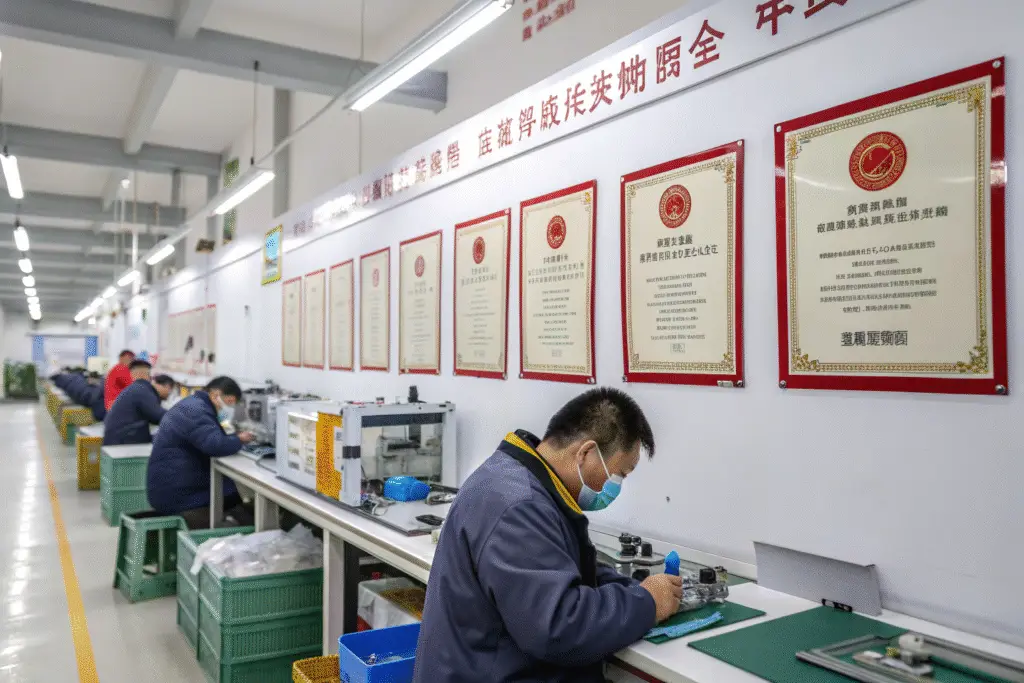
Why is WRAP certification crucial for ethical manufacturing?
WRAP certification provides comprehensive social compliance verification, covering labor practices, workplace conditions, and environmental compliance. For a Chicago brand producing 200-unit collections, this certification provided the ethical assurance they needed to confidently share their manufacturing story with customers. The certification process includes regular unannounced audits, ensuring ongoing compliance rather than one-time assessments.
How does BSCI certification benefit small batch brands?
The BSCI audit system monitors social performance across global supply chains. A New York contemporary brand uses our BSCI certification to demonstrate their commitment to ethical production in their marketing materials. This transparency has helped them build trust with retailers and consumers, supporting their premium positioning despite producing in smaller quantities. The certification provides documented evidence of fair labor practices that aligns with their brand values.
What Environmental Certifications Should You Look For?
Environmental certifications demonstrate a manufacturer's commitment to sustainable practices, which is increasingly important to modern consumers. For low MOQ production, these certifications ensure that your small batches are produced responsibly, minimizing environmental impact.
A sustainable brand from Austin increased their customer loyalty by highlighting our GOTS and GRS certifications in their product storytelling. Their 150-unit productions now achieve 30% higher sell-through rates thanks to their verified sustainability credentials.
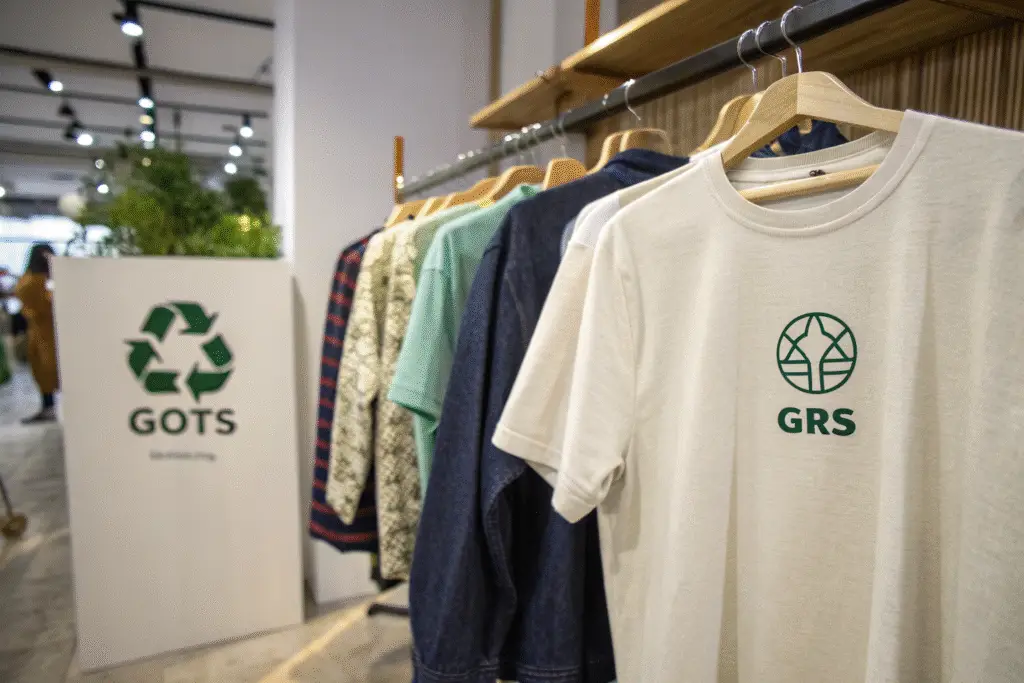
Why is GOTS certification valuable for organic claims?
Global Organic Textile Standard certification verifies organic fiber content and environmentally responsible manufacturing. For a Denver brand using organic cotton in their 180-unit productions, this certification provided the credibility needed to justify their premium pricing. The certification covers the entire supply chain, ensuring that their organic claims are verified from field to finished product, which is particularly important for brands making specific environmental claims.
How does GRS certification support recycled content claims?
The Global Recycled Standard verifies recycled content in products and tracks it through the supply chain. A San Francisco activewear brand uses our GRS certification to validate their use of recycled polyester from plastic bottles. This certification has become a key part of their brand story, helping them stand out in a crowded market despite their small production volumes. The independent verification adds credibility that resonates with environmentally conscious consumers.
What Material-Specific Certifications Ensure Product Integrity?
Material-specific certifications verify the authenticity and quality of fabrics and components, which is especially important for low MOQ orders where material consistency can be challenging.
We helped a Miami luxury brand navigate material verification for their 120-unit cashmere collection. Our supplier's cashmere certification provided the assurance they needed to confidently market their products as genuine, supporting their premium pricing strategy.
Why are fiber content certifications important?
Certifications like the Woolmark label guarantee fiber authenticity and quality. A Boston brand producing 100-unit wool sweater collections uses this certification to differentiate their products from competitors using blended materials. The certification has helped them build a reputation for quality that supports repeat business and allows them to maintain healthy margins on their small-batch productions.
How do performance certifications add value?
Performance certifications like Blue-sign verify that materials meet specific performance and environmental standards. A technical apparel brand from Colorado uses our Blue-sign certification to validate the performance claims of their 150-unit outerwear collections. This third-party verification has been crucial for building trust with their outdoor enthusiast customer base and justifying their technical product pricing.
How Do Certifications Impact Low MOQ Cost Structure?
While certifications often involve additional costs, they typically deliver significant value that justifies the investment, particularly for brands using low MOQ manufacturing to support premium positioning.
A Phoenix brand calculated that the premium they pay for certified manufacturing represents only 3% of their product cost but enables them to command 25% higher retail prices through verified quality and sustainability stories.
What is the true cost of uncertified manufacturing?
The hidden costs of uncertified manufacturing often exceed the premiums for certified production. A Dallas brand learned this when quality issues with their non-certified supplier resulted in 40% defect rates on a 200-unit order. The costs of returns, replacements, and damaged brand reputation far exceeded what they would have paid for certified manufacturing from the beginning. Proper certifications provide insurance against these risks.
Verified certifications enable value-based pricing by providing tangible evidence of quality and responsibility. A Nashville brand uses our certification portfolio to justify prices 40% above competitors. Their customers appreciate the transparency and are willing to pay premium prices for products with verified attributes. This pricing power makes their low MOQ business model significantly more profitable.
Conclusion
Certifications are not optional extras for low MOQ suppliers—they're essential safeguards that protect your brand, ensure product quality, and support your business values. The right certifications provide independent verification of your supplier's commitment to quality, ethics, and sustainability, giving you confidence in your manufacturing partnerships regardless of order quantity. For brands using low MOQ production to build distinctive, value-driven businesses, certified manufacturing partners are not just preferable—they're necessary for long-term success.
If you're evaluating low MOQ suppliers and want to ensure they meet the highest standards for quality and responsibility, our comprehensive certification portfolio provides the assurance your brand needs. Contact our Business Director Elaine today at elaine@fumaoclothing.com to discuss how our certified manufacturing processes can support your brand integrity and business growth.