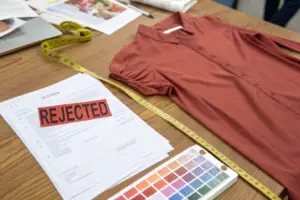
When renters send items back after just one try-on, it’s more than disappointing—it’s a warning sign that something went wrong.
Rental clothing is returned early when it fails to meet expectations in fit, quality, comfort, or style match. These failures cost brands money, hurt trust, and disrupt inventory flow.
If your return rate feels higher than it should be, the problem isn’t always your logistics. Often, it’s rooted in the garment itself—and what the customer expected but didn’t get.
Why do customers return clothes?
A return isn't just a lost order—it's feedback in disguise.
Customers return rental clothes early due to poor fit, misleading photos, fabric feel, or a mismatch between the garment and its intended use.
Why does improper sizing and inaccurate product representation lead to early returns in rental?
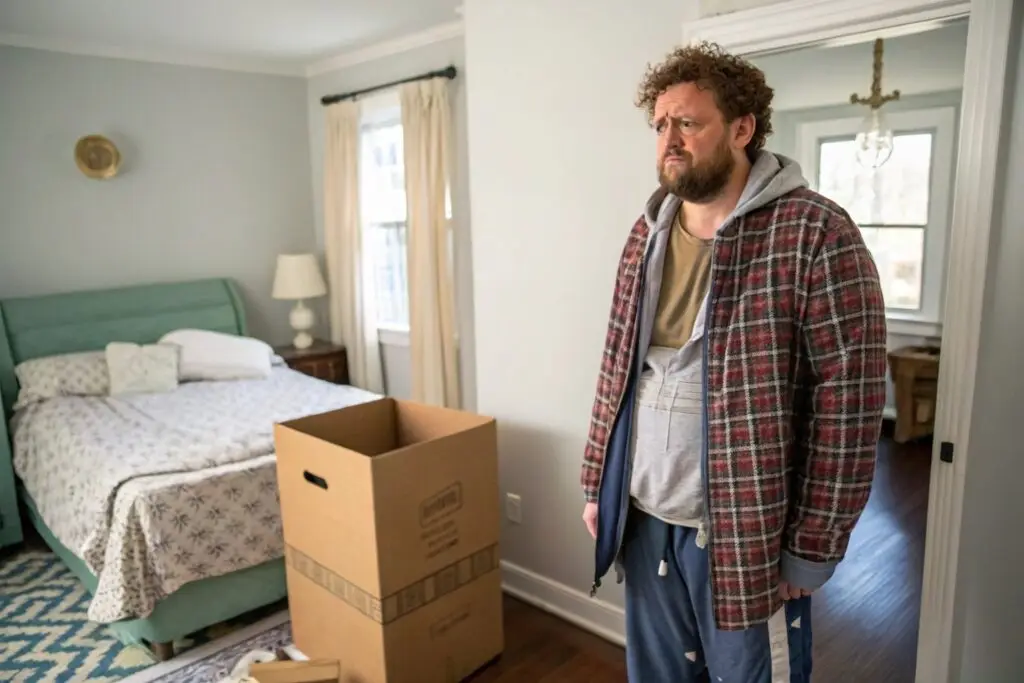
We’ve all seen it. A customer rents a size medium based on a chart—and the item fits like a small. They send it back the next day. That’s not their fault; that’s a failure in communication.
Many brands still rely on static sizing charts that don’t consider body shapes. One of our clients in the U.S. introduced fit models of various body types1 and updated their photos to match. Returns dropped 25% within two months.
At Fumao Clothing, we support sizing strategies2 that go beyond chest-waist-hip numbers. We adjust proportions in cut, sleeve length, and stretch zones to hit real-world body variation. Fewer surprises = fewer returns.
How does unmet emotional expectation drive a renter to send clothes back quickly?
Sometimes the garment fits and functions fine—but the renter just doesn’t feel right in it. Maybe the color’s duller than expected, or the fabric doesn’t drape as it looked online.
That feeling of letdown is hard to measure, but it shows up fast in returns. Emotional mismatches stem from over-styled photos, lack of model diversity, or unclear use-case suggestions. That’s why we recommend adding lifestyle context: who is this garment for? When and where will they wear it?
A client of ours began including “best for” badges like “summer weddings” or “office-ready” in their listings. Their early return rate fell, and renters commented more on satisfaction.
Does Rent the Runway ever come early?
Shipping speed can surprise—but it’s not always a good surprise if the item isn’t needed yet.
Yes, Rent the Runway and similar services sometimes deliver early. This may delight customers—or cause confusion and increase early returns if timing or garment purpose isn’t aligned.
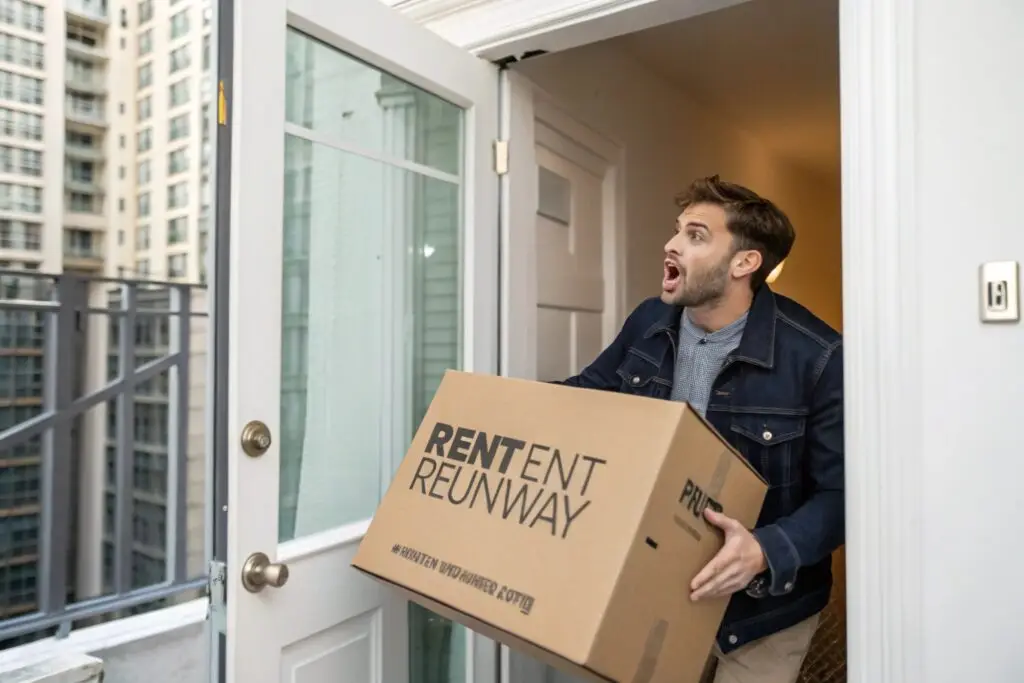
Why might receiving rental garments too early cause users to return them before using?
Some renters order for a specific event. If the garment arrives a week early and they try it on, there’s more time to second-guess it. Or worse—change their mind.
I’ve heard customers say, “I didn’t feel like saving it until the event,” and returned it unused. Early arrivals aren’t always beneficial unless your UX reminds them when to wear it.
A better approach is what we helped implement for one client: adjustable delivery windows3. Let customers pick a 2-day buffer. That way, timing matches purpose—and return risk drops.
How can rental brands manage customer expectations around shipping4 and arrival to reduce idle returns?
It’s all about communication. If customers know what to expect, they plan better—and panic less.
Send confirmation emails with arrival estimates5 tied to their event date. Add reminders like, “Try on 2 days before your big day!” to frame the timing. Some platforms even sync with calendars.
We’ve helped clients implement these customer-facing systems and backend buffers. The result? A smoother user experience and lower rates of “unused but returned” items.
What happens to clothes that are returned?
Returns aren’t the end—they’re just the next stop in a garment’s cycle.
Returned rental clothes go through cleaning, quality checks, repairs if needed, and then re-enter inventory or are retired if damaged or outdated.
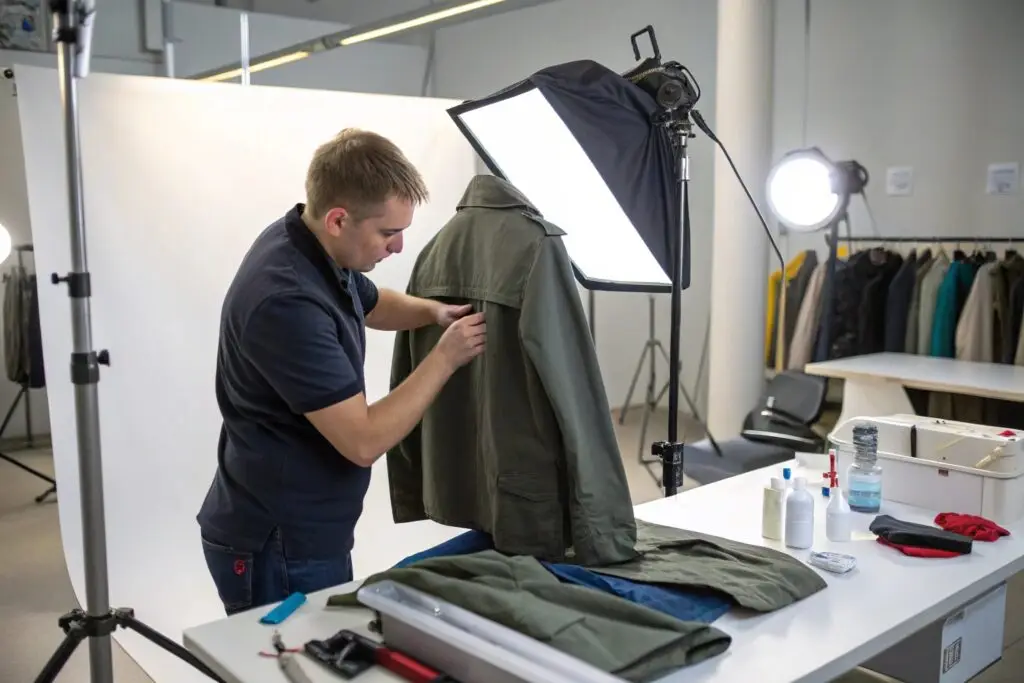
What processes ensure returned clothes are safe, clean, and rentable again?
Returned items go through a full sanitation cycle6. This usually includes industrial washing or dry cleaning, steam pressing, and visual QC. At Fumao Clothing, we design with this in mind—using materials that survive high-temperature cleaning and repeated wear.
One of our clients uses RFID tagging7 to track how many cycles an item has completed. After 15–20 turns, it’s pulled, inspected, and graded: re-rent, downgrade to clearance, or retire.
Here's what a return cycle8 might look like:
| Step | Action Taken |
|---|---|
| Intake | Scanned and tagged |
| Inspection | Checked for stains, tears, odor, pilling |
| Cleaning | Industrial laundering or dry cleaning |
| Repair | Minor fixes—buttons, stitches, zippers |
| Regrading | Re-entered as premium, standard, or outlet |
| Restocking | Ready for next rental |
What factors cause some returned items to be permanently removed from rotation?
High return frequency often signals a problem. If an item consistently gets sent back after one wear, it’s flagged. Reasons might include:
- Material aging (loss of stretch, color fading)
- Style no longer relevant
- Too many minor defects adding up
- Negative review trends
We help brands set thresholds—like “remove after 3 complaints” or “retire after 10 cleans.” Data guides these decisions. That way, users aren’t stuck with “worn-out” inventory disguised as premium.
How long can you rent clothes?
It depends on the platform—but customer behavior tells us more than the calendar does.
Rental durations vary from 4-day event loans to monthly subscriptions, but the right rental period balances garment performance, user satisfaction, and brand cost control.
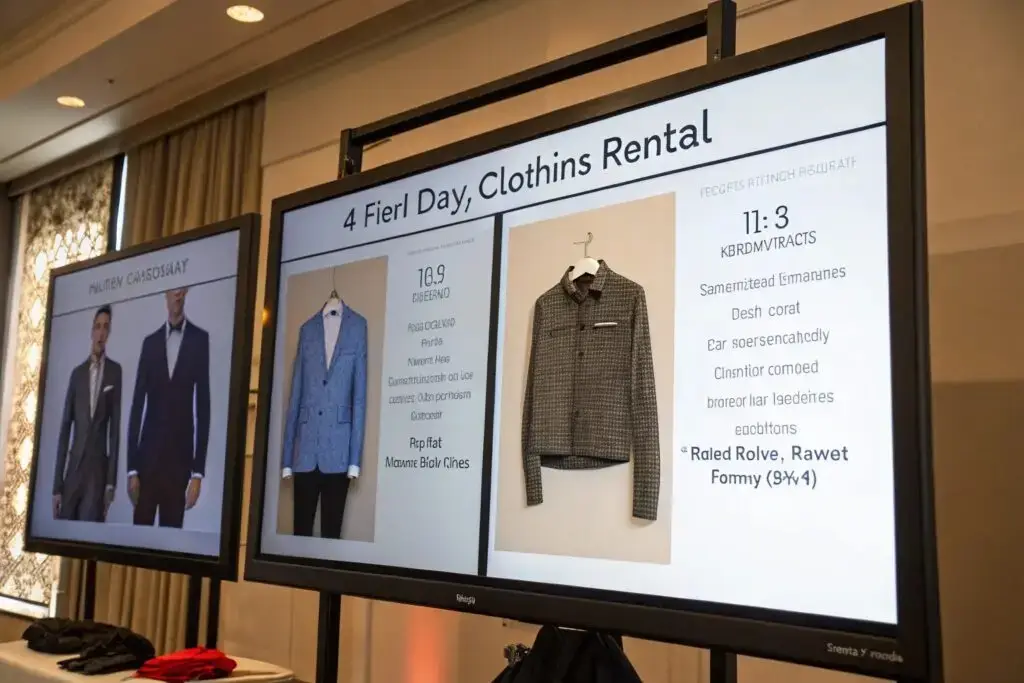
What rental duration works best for different garment types and occasions?
Short-term rentals work best for high-impact garments: cocktail dresses, suits, and statement jackets. Long-term rentals are better for basics—pants, sweaters, or maternity wear.
Here’s a quick breakdown of what we typically advise based on garment category:
| Garment Type | Ideal Rental Duration | Notes |
|---|---|---|
| Evening Dresses | 4–6 days | For one-time events |
| Officewear | 2–4 weeks | Allows full week cycles |
| Seasonal Jackets | 30 days | Useful across temperature shifts |
| Maternity Wear | 1–3 months | Matches user needs per trimester |
Some brands also let customers extend with one click. We help clients include wash-durability testing so they know how long an item can really last before looking tired.
Why do flexible rental periods9 reduce early returns and improve user satisfaction?
When users control the timeline, pressure drops. They’re more likely to keep the garment and use it fully.
One brand we support introduced auto-renew options10 for key categories. Instead of forcing a return at day 5, they ask: “Need more time?” That single feature cut early returns by 32% in one quarter.
Rental isn’t about ownership—it’s about timing. Flex that, and you win.
Conclusion
Early returns are a warning—not just a hassle. Brands that understand why customers send items back can fix the system, improve satisfaction, and boost retention.
-
Discover how diverse fit models can lead to better sizing accuracy and lower return rates in the rental market. ↩
-
Explore innovative sizing strategies that can significantly reduce return rates and enhance customer satisfaction. ↩
-
Explore how adjustable delivery windows can enhance customer satisfaction and reduce returns in rental services. ↩
-
Learn effective strategies for managing customer expectations to improve satisfaction and reduce idle returns. ↩
-
Discover how confirmation emails can improve customer experience and reduce return rates in rental services. ↩
-
Understanding the sanitation cycle is crucial for ensuring the safety and cleanliness of rented clothes. Explore this link to learn more about best practices. ↩
-
RFID tagging enhances tracking and management of clothing items, ensuring quality control. Discover its benefits in the rental industry. ↩
-
A clear understanding of the return cycle helps in maintaining quality and efficiency in clothing rentals. Check out this resource for detailed insights. ↩
-
Discover the impact of flexible rental periods on customer satisfaction and retention in the fashion rental industry. ↩
-
Learn how auto-renew options can reduce early returns and enhance the rental experience for users. ↩