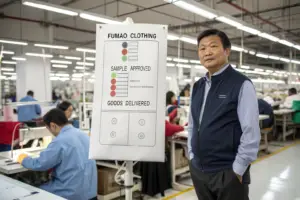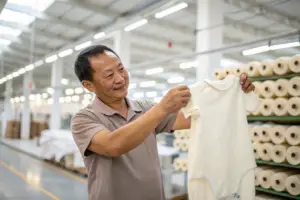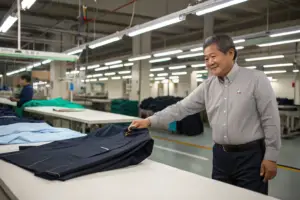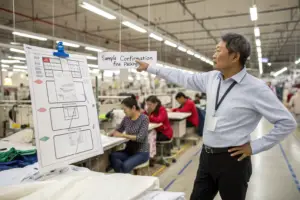
Many consumers are overwhelmed by cluttered closets and fast fashion regrets. They chase trends, buy impulsively, then realize the items don’t last or match anything. As a clothing manufacturer working with American brands, I’ve seen how capsule collections shift that behavior. They educate shoppers to think in terms of versatility, durability, and total wardrobe performance—not just low price tags.
Capsule collections teach value by focusing on utility, quality over quantity, timeless design, and longer garment lifespan—all of which reshape the way consumers perceive worth.
From my experience supplying U.S. apparel businesses, once customers experience the function and simplicity of a well-made capsule item, they rarely go back to impulse-driven buying. This shift builds brand trust and long-term loyalty.
Why Do Capsules Encourage Quality-Over-Quantity Thinking?
Capsule collections force buyers to slow down and consider each item’s real contribution to their wardrobe.
By limiting choice and emphasizing functionality, capsules guide consumers to favor long-lasting quality over short-lived volume.
How Does Fewer Options Refocus the Shopper’s Priorities?
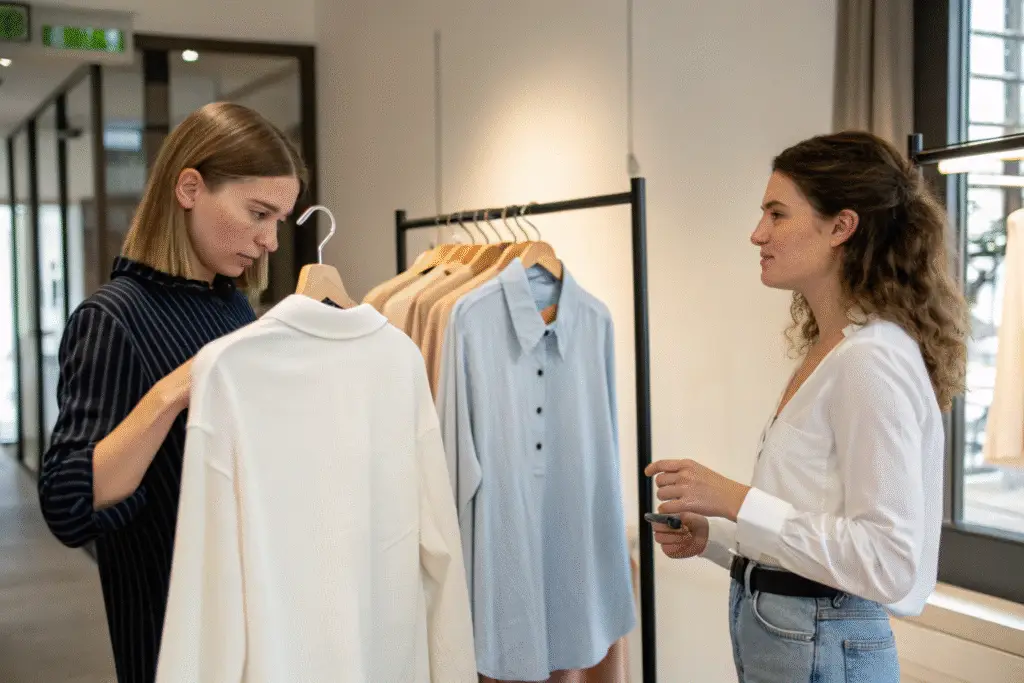
When there are only 20–30 curated pieces, shoppers take more time to evaluate. They ask, “Can I wear this three different ways?” or “Will this last two years?” This behavior shift leads to intentional purchasing.
Brands like VETTA Capsule and Tradlands design their websites and stores to promote this mindset. It’s about wardrobe-building, not just buying. Fewer choices reduce decision fatigue and encourage deliberate consumption.
What Makes Capsule Pieces Worth Their Price?
Each item in a capsule collection is meant to be a multi-purpose staple—made with durable stitching, high-grade fabric, and a fit that remains stylish across seasons. The consumer begins to understand that a $60 shirt worn 40 times is better than a $15 one worn twice.
This is where value-per-wear becomes a key metric. Capsule pieces often outperform fast fashion in this regard, teaching buyers the importance of cost longevity over upfront savings.
How Do Capsules Redefine Style Through Function?
Capsule wardrobes aren’t just about less—they’re about more function with fewer items.
By offering mix-and-match potential, capsules help consumers understand that a well-planned wardrobe delivers more variety than larger, uncoordinated collections.
How Does Versatility Improve Perceived Value?
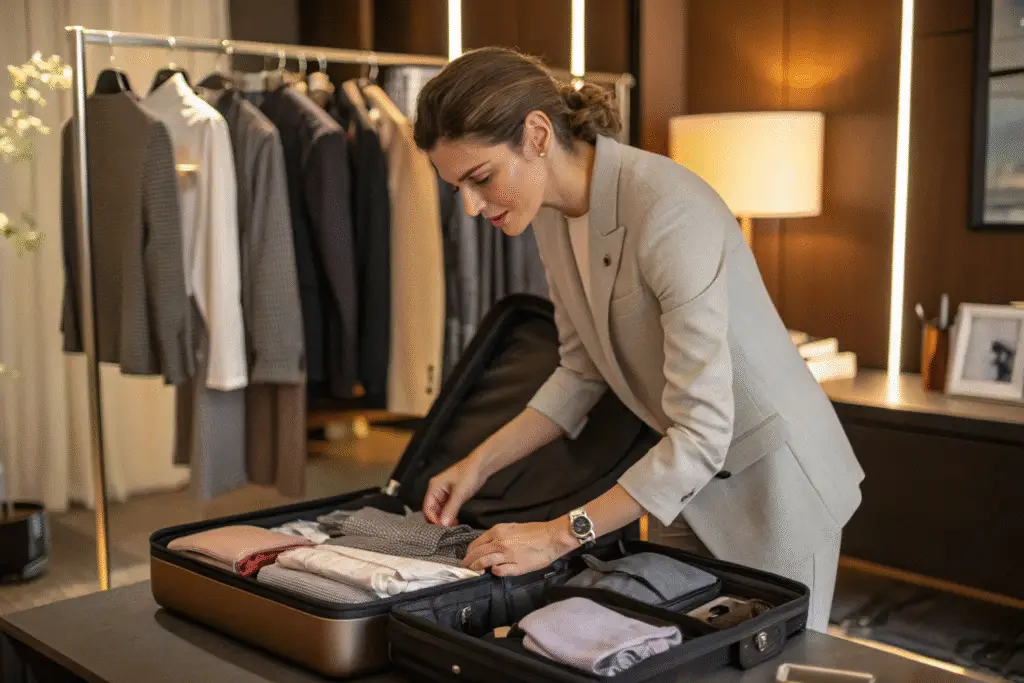
A black dress in a capsule isn’t just for dinner—it works with a blazer for work or sneakers for errands. Consumers quickly realize that capsule pieces are wardrobe multipliers. Three tops, two bottoms, and one jacket can create over ten looks.
This is often illustrated through product imagery on platforms like Cuyana and Encircled. The styling guides and packing tips educate buyers to stretch their wardrobe without adding more.
What Role Does Fabric Choice Play in Multi-Use?
Capsule collections often use fabrics like organic cotton, TENCEL™, or ponte knit that balance comfort, structure, and durability. These materials resist wrinkling, layer well, and hold their shape. That increases utility across settings.
Shoppers who experience the adaptability of one good blazer—from travel to meetings to casual Fridays—start redefining what makes a garment valuable. It’s not how flashy it is; it’s how useful and consistent it is.
How Do Capsules Foster Emotional Investment in Clothing?
Capsules push buyers to build relationships with what they wear, not just consume and discard.
When consumers wear the same high-quality items often, they attach meaning, memories, and identity to their wardrobe—building emotional value.
Why Do Fewer Pieces Deepen Attachment?
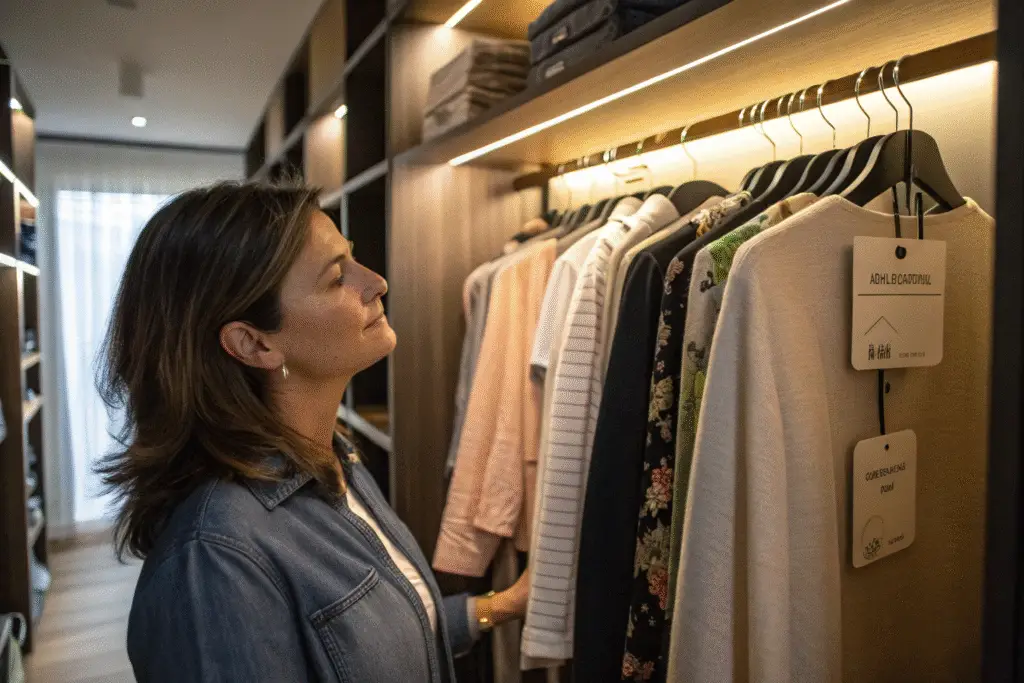
Wearing a single pair of well-made trousers regularly, for work and weekends, builds familiarity. Buyers know how it fits, how it performs, and how it makes them feel. This familiarity forms what some call a "wardrobe identity."
Minimalist influencers and capsule advocates like Project 333 promote this approach. The fewer the items, the more value each carries. Capsule shoppers often talk about “my favorite shirt” rather than “just another shirt.”
How Does Repeated Use Build Appreciation?
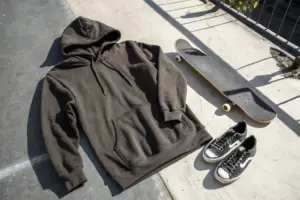
Using something often—and watching it last—generates trust. If a hoodie holds up after 30 washes and still looks sharp, that garment becomes a go-to. Buyers begin to prefer quality experiences over frequent novelty.
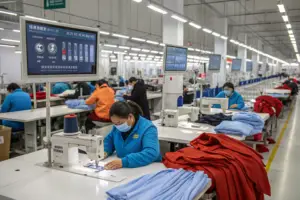
Manufacturers like us help make this happen by focusing on finishing techniques, pre-shrunk fabric, and long-lasting trims. When the product works long-term, it teaches the buyer what lasting value feels like. They return seeking that same standard.
How Do Capsules Align Price With Performance?
Capsule items may seem expensive upfront—but they often cost less in the long run.
Through performance, durability, and utility, capsule pieces prove that true value isn’t just about initial cost, but long-term service.
Can Consumers Learn Cost-Per-Wear Thinking?
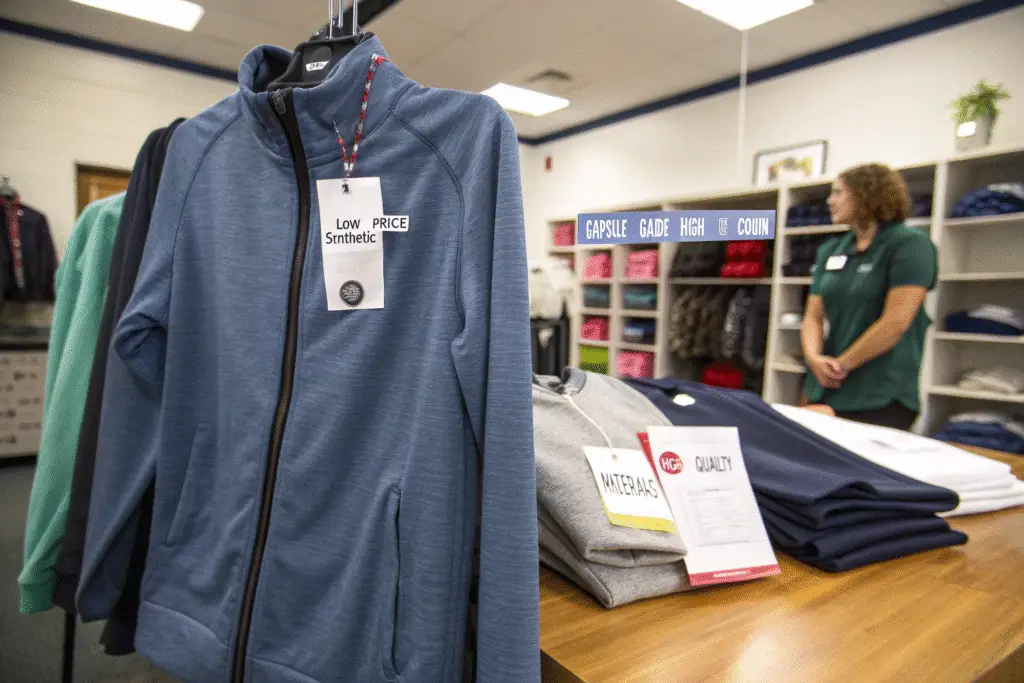
Absolutely. Many capsule brands offer cost-per-wear calculators or styling videos. A $90 cardigan worn 45 times = $2 per wear. A $15 blouse worn once = $15 per wear. This shift in mindset transforms how buyers evaluate a garment.
Sezane and ABLE are two brands that embed this logic into their storytelling. They make it easy for the shopper to see the long-term value.
How Does Supplier Transparency Help the Equation?
When we explain what goes into a garment—the quality thread, the certified dye, the skilled construction—brands can pass that story on. The consumer begins to understand why this tee is worth more than a throwaway version.
Our clients use behind-the-scenes videos, fabric certifications, and production transparency pages to prove performance value. Consumers educated this way become loyalists, not just bargain hunters.
Conclusion
Capsule collections are more than a wardrobe strategy—they’re a lesson in value. They guide consumers to prioritize quality, function, and meaning over impulse, clutter, and short-term cost. As a Chinese manufacturer supporting capsule-first American brands, I’ve seen how this philosophy reshapes both brand operations and consumer habits. When buyers learn that fewer, better garments deliver more satisfaction, they begin to shop smarter, live lighter, and stay loyal longer.