Sustainability is no longer optional in today’s fashion world. Buyers demand it, competitors flaunt it, and regulators are tightening the screws. But knowing where to start—especially with streamlined capsule collections—can be overwhelming.
Green capsule production combines minimalism and sustainability by limiting SKU count, waste, and overconsumption. Brands that adopt it reduce inventory risk and boost their eco-friendly profile.
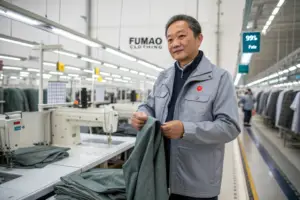
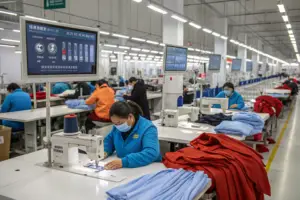
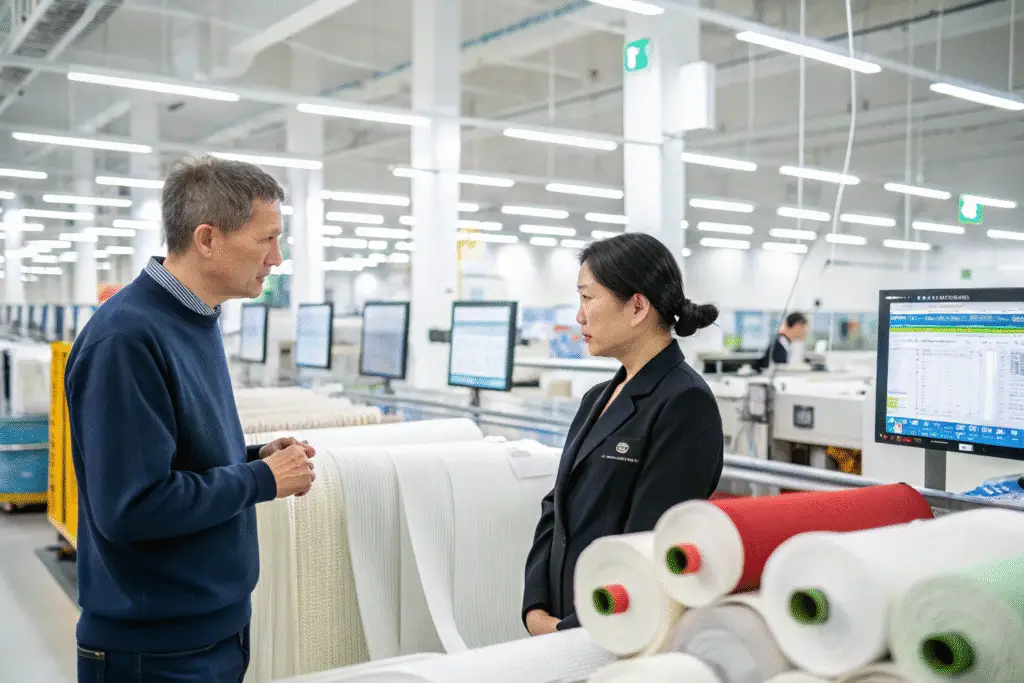
As a Chinese apparel manufacturer serving major U.S. brands, I’ve helped clients transition to more responsible capsule production. In this article, I’ll explain what you need to know to make the shift, what to avoid, and how to gain a competitive edge.
How Do Sustainable Materials Influence Capsule Planning?
Sustainable materials are the foundation of any green collection. They determine not just environmental impact—but also durability, aesthetics, and customer perception.
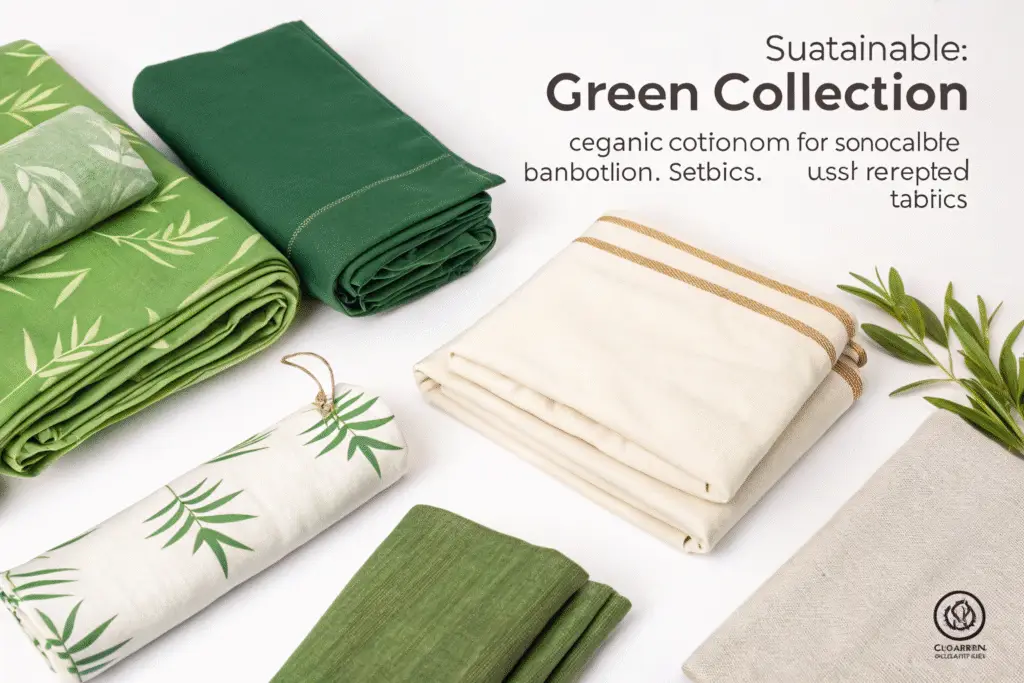
Using sustainable fabrics like organic cotton, bamboo viscose, or TENCEL™ in capsule collections strengthens a brand’s environmental credibility and functional performance.
What Are the Best Fabric Choices for Sustainability?
Natural and certified fibers are key. Organic cotton uses less water and no pesticides. Bamboo is fast-growing and renewable. TENCEL™ comes from wood pulp with closed-loop processing.
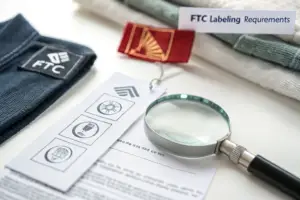
When we help brands source fabrics, we always recommend verified OEKO-TEX® or GOTS-certified suppliers. This reassures both regulators and conscious consumers. For U.S. retailers, these labels build trust and justify premium pricing.
We also recommend avoiding conventional polyester or low-grade blends. Not only are they unsustainable—they often don’t hold up to repeat wear, which defeats the purpose of a capsule.
How Do Fabric Certifications Help with Marketing?
Certifications are powerful storytelling tools. With them, you can highlight your commitment on product tags, brand pages, and digital marketing. For example, Textile Exchange reports that over 60% of Gen Z consumers check for environmental labels before buying.
Capsule collections thrive on quality and longevity. Certifications validate your effort. They also protect your supply chain from false claims—something many buyers have been burned by.
Why Design Efficiency Is Key to Eco Capsules?
Capsules rely on fewer pieces doing more work. Every garment must be versatile, timeless, and durable.
Efficient design strategies reduce development time, waste, and styling confusion—making green capsules commercially strong and sustainable.

How Can You Design for Mix-and-Match Utility?
We always tell clients to think in terms of function blocks. Tops should pair with multiple bottoms. Jackets should layer over dresses and tees. Everything should travel well and adapt across seasons.
Use muted base tones with 1–2 accent colors. Consider convertible garments—like wrap skirts that become shawls. You can explore templates from Fashionary or The Concept Wardrobe to start.
This isn’t just aesthetic advice. The more uses a garment has, the lower the cost-per-wear and environmental footprint.
What Are Common Mistakes in Capsule Design?
One of the biggest issues is over-designing. Capsule logic is about restraint. When brands try to add too many trendy elements or complex cuts, they lose the cohesion and slow down production.
Another mistake is neglecting fit. Since these pieces get worn more often, comfort is critical. We recommend starting with 1–2 hero silhouettes that work across multiple sizes, then fine-tuning.
We use CLO 3D software with clients to simulate styling outcomes before sample cutting. This saves both fabric and development time.
How Can You Reduce Waste in Green Production?
Waste is the silent cost in fashion. From fabric scraps to unused samples, poor planning adds up fast.
Smart capsule production minimizes waste through digital design, batch cutting, and just-in-time inventory strategies.
What Role Does Digital Sampling Play?
Digital tools like Browzwear or CLO 3D let you preview fit, color, and drape without creating physical samples. That reduces trial-and-error waste and saves shipping emissions too.
We’ve helped several U.S. brands eliminate over 60% of their sample iterations. The client sends us tech packs, we run virtual fittings, and only cut when approved.
This also solves a key problem: sample delays. Virtual samples reach buyers faster and look professional in presentations.
How Does Fabric Cutting Contribute to Waste?
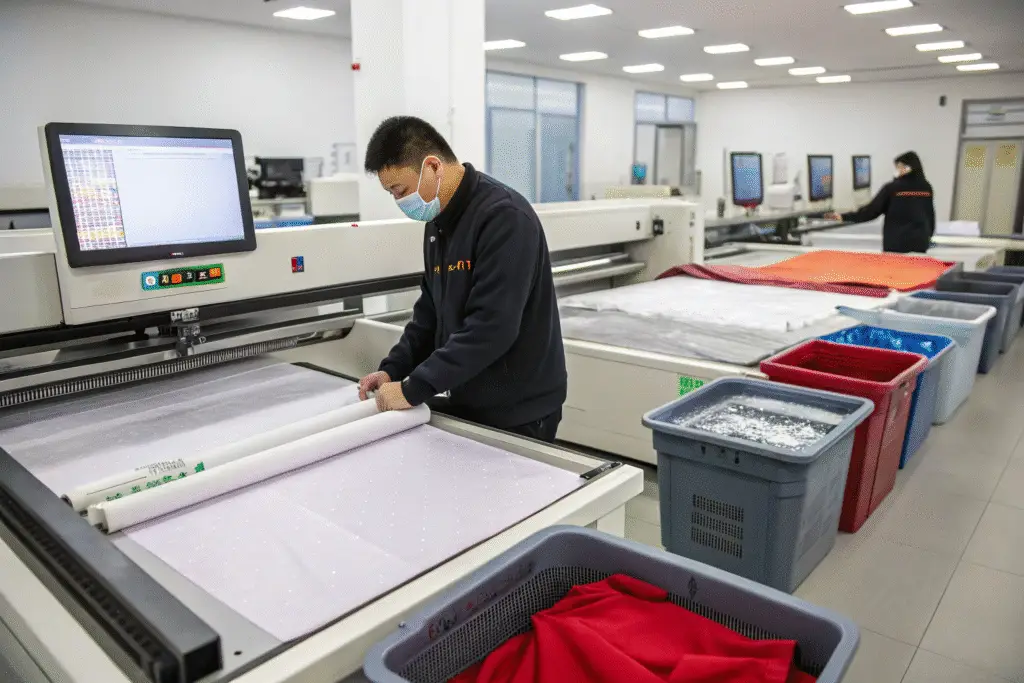
Most waste happens at the cutting table. Bad markers waste meters of fabric per roll. For capsule items, where margins are tighter, that’s a big loss.
We use automated CAD software linked to our Gerber and Lectra machines. We arrange patterns to minimize offcuts and bundle sizes for consistent batching.
For brands that want to go even further, we offer offcut recycling through local textile repurposing vendors.
What Are the Best Practices for Green Production Logistics?
Shipping and packaging play a major role in sustainability. Capsules make it easier—but only if executed right.
Optimizing cartons, using eco-packaging, and scheduling low-emission shipping options help brands meet ESG goals.
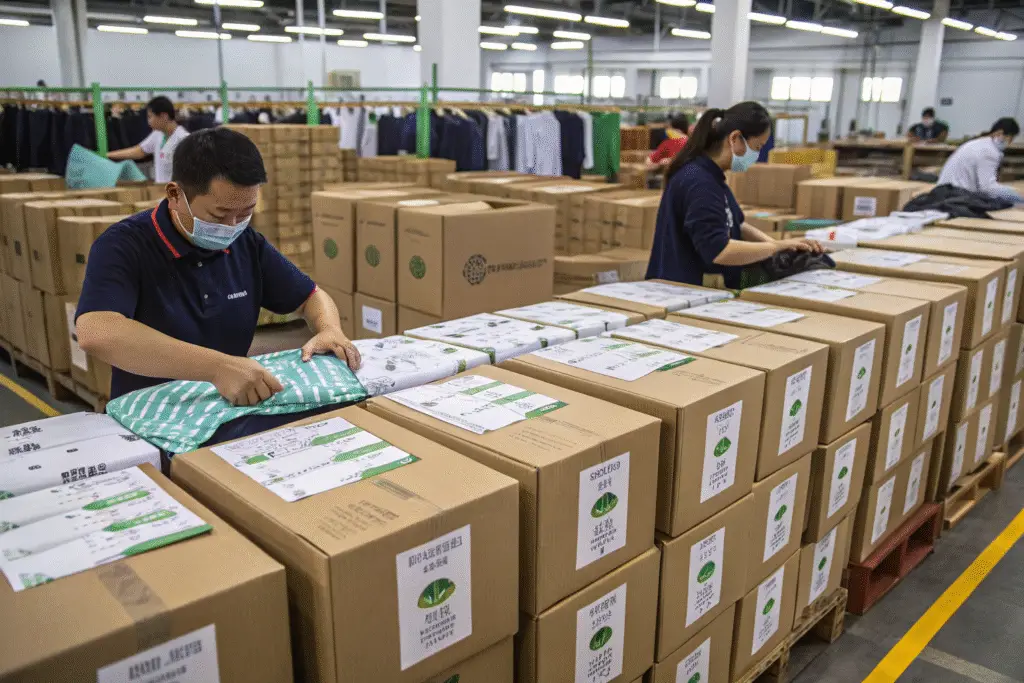
How Should You Package Capsules for Lower Footprint?
Instead of individual poly bags, we suggest bulk-packing per SKU or using biodegradable garment bags. Branded paper belly bands also save space.
For clients selling DTC or in boutiques, we help design FSC-certified recyclable packaging with logos and garment care guides.
Most importantly, avoid over-packaging. The fewer layers, the better. And if you use hangers—make them reusable.
What Are Green Shipping Options for US-bound Capsules?
Sea freight is naturally lower carbon, but can be slow. For launches or seasonal capsules, we often use hybrid modes: sea to LA + ground freight east.
Some of our U.S. clients also ask for DDP shipping (Delivered Duty Paid), which we handle fully from our side—no customs hassles for them.
We work with freight providers like Flexport and Maersk that offer carbon offset programs for shipments. This helps brands back up their green claims with actual logistics data.
Conclusion
Green capsule production is not just a trend—it’s a long-term win for brand clarity, environmental responsibility, and profit margins. By choosing certified fabrics, designing intentionally, minimizing waste, and optimizing logistics, brands can confidently market sustainability without greenwashing.
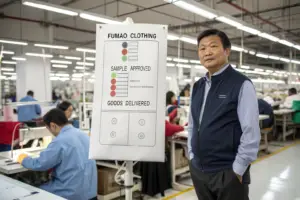
If you’re an American fashion business looking to build or scale your green capsule line, we’re ready to be your trusted production partner. At Fumao Clothing, we turn sustainability goals into real garments, delivered on time—with no shortcuts on quality or ethics.