Clothing trends shift fast. Big buyers can't afford delays or miscommunication. They need reliability, speed, and flexibility—all at once.
Big buyers today demand fast, flexible, and transparent clothing manufacturing that balances customization with scale, quality with affordability, and delivery with real-time updates.
If you're sourcing apparel to resell under your brand, this article will show you exactly what major players expect—and how we at Fumao Clothing meet those expectations.
Who are the biggest consumers of clothing?
I’ve worked with clients from Europe, the U.S., and the Middle East. But no one moves inventory like American and European retailers. They're always chasing the next wave—seasonal, stylish, and social-media-ready.
The biggest consumers of clothing are shoppers in the United States and Europe, driven by fast fashion, frequent wardrobe updates, and lifestyle-focused purchases.
Why do U.S. and European consumers buy clothes more frequently than others?
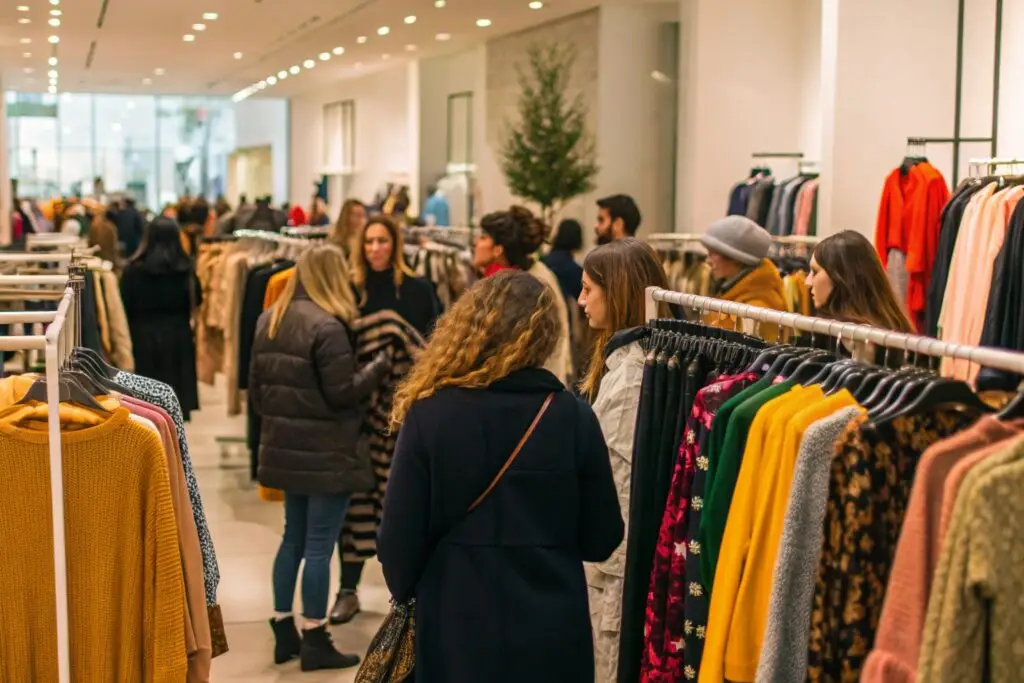
These shoppers live in trend-driven economies1. They don’t just buy for need—they buy for self-expression, comfort, and social engagement. The average American buys over 60 new clothing items per year. That’s not a typo.
In Europe, influencers and TikTok hauls2 create urgency. Young consumers in Paris or Berlin often order weekly. Retailers like Ron’s company source aggressively to keep up. This fuels a cycle where speed is everything.
What impact does this behavior have on clothing buyers?
If you're sourcing for these markets, your supplier must respond fast. That’s why we offer:
- Rapid sampling3 (3–7 days)
- Flexible MOQ to test markets
- Custom packaging for local appeal
Failing to deliver in time means missing a trend—and missing profits.
What is the most important thing when buying clothes?
I once asked a client in New York, “Why did you stop working with your last supplier?” He replied, “They didn’t deliver what I approved.” That says everything.
The most important thing when buying clothes is consistent product quality—buyers must receive what they approved in samples, without surprises.
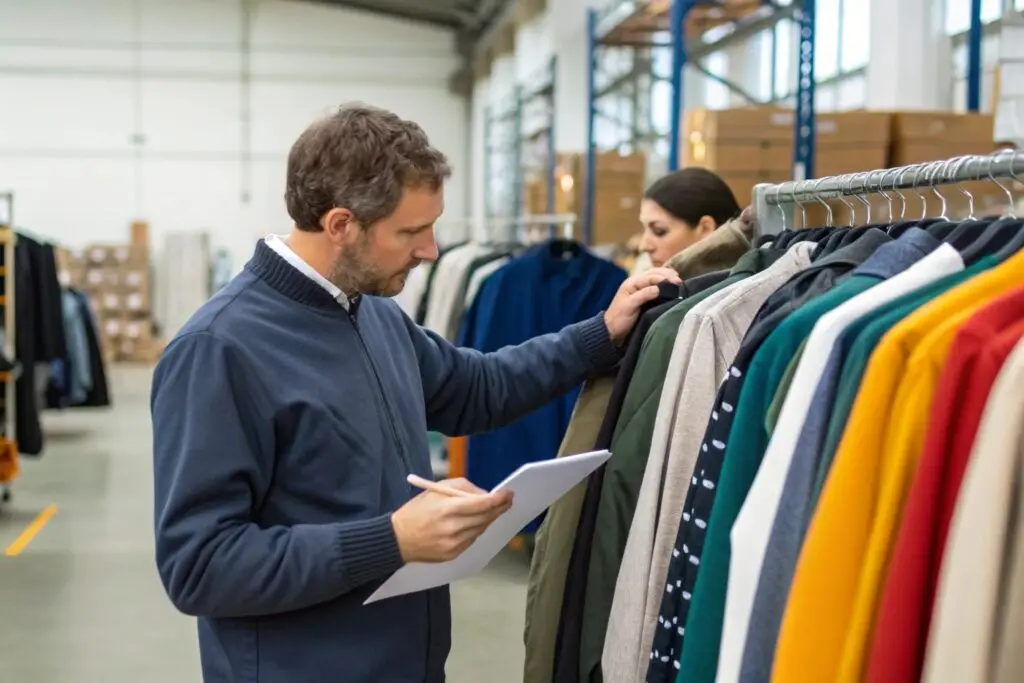
How do big buyers define 'quality' beyond fabric and stitching?
Quality isn't just material. It includes:
- Fit consistency4 across sizes
- Accurate prints and embroidery
- Stitch alignment and finish
- No shrinkage or fading after wash
- Certifications for exports (like OEKO-TEX, GOTS5)
Buyers like Ron know their customers return clothes if sizing is off or stitching is loose. That means refunds, loss, and negative reviews.
What systems can a factory use to ensure quality every time?
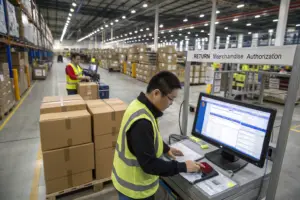
At Fumao, our team follows a 3-stage inspection protocol6:
- Pre-production approval of samples and fabrics
- In-line inspection during sewing and printing
- Final audit before packing and shipping
We also send video/photo updates, which clients love. This transparency builds trust.
Here’s a quick view of our process:
| Stage | Checkpoints |
|---|---|
| Sampling | Fit, print position, fabric texture |
| In-line | Stitch density, thread tension, seam type |
| Final | Label accuracy, packaging, quantity |
Who are the biggest buyers of fast fashion?
When I first visited a clothing trade show in Guangzhou, I met reps from Zara, Shein, and Boohoo. Their orders were huge—but their timelines were tiny.
The biggest buyers of fast fashion are global retailers like Shein, Zara, H&M, and Boohoo, who order large quantities with rapid turnarounds and high trend sensitivity.
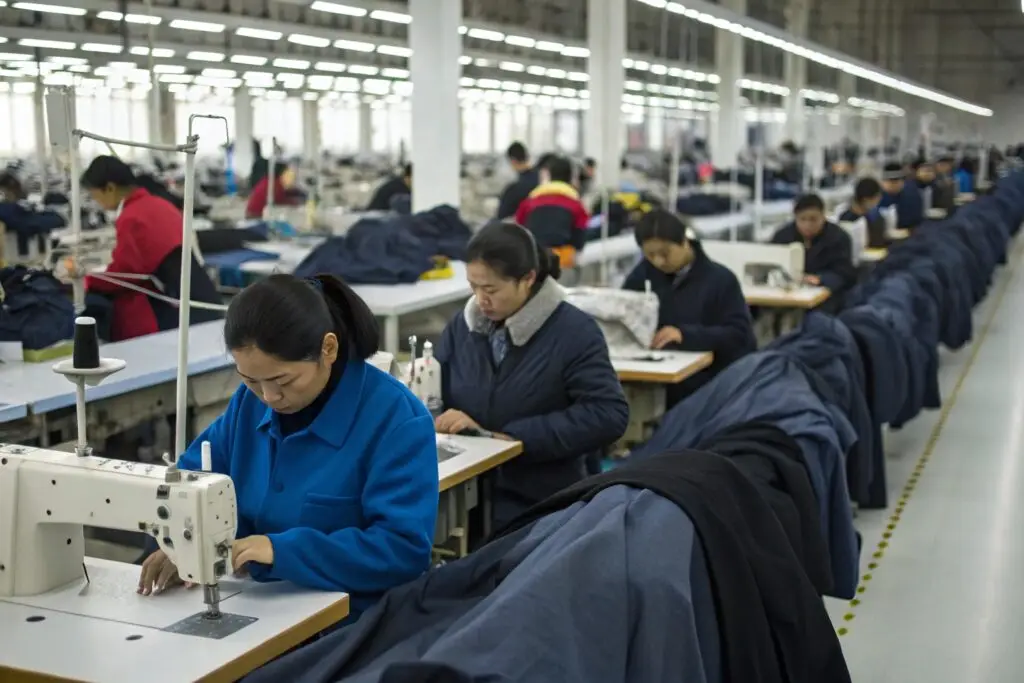
How do these buyers manage constant style changes and huge volumes?
They work with multiple suppliers across Asia. Their goal: find factories that can switch designs fast, run multiple SKUs, and deliver in under 30 days.
This means the factory must:
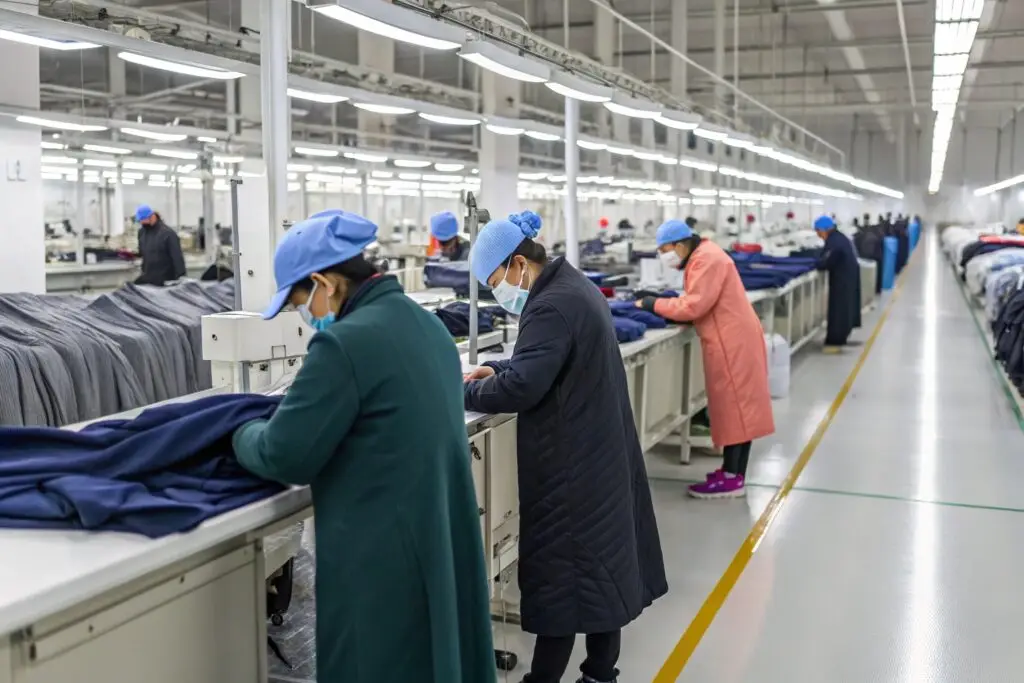
- Have large production capacity7
- Offer digital printing or automated cutting8
- Maintain up-to-date trend libraries
At Fumao, we produce up to 50,000 units per month across five lines. Each line handles a different collection, and our digital print partners allow same-week mockup turnaround.
What do smaller brands learn from fast fashion giants?
You don’t need to be Shein to work smart. Buyers like Ron can adopt the same speed principles:
- Work with flexible factories9
- Break big orders into smaller seasonal drops
- Use mockups and AI designs to test markets before production
If you plan right, you can look like a fast fashion giant without the overhead.
What motivates consumers to buy clothes?
When I ask our buyers about their end customers, most say it’s not just price or brand. It’s the feeling a product gives. That makes sense.
Consumers are motivated to buy clothes by emotional appeal, perceived value, fit, and how the product aligns with their personal identity or current lifestyle.
Why do emotional triggers10 matter more than discounts or ads?
Because emotions drive behavior. A mom buys a cute baby romper not because it’s cheap, but because it feels safe and soft. A teen buys a hoodie that says “Limitless” because it reflects their mindset.
We help our clients build that emotion into the product through:
- Brand messages in labels
- Custom hangtags with quotes
- Color psychology in design choices
How can clothing brands tap into these motivations without raising costs?
Smart sourcing. You can customize small things—like embroidery, tags, or packaging—without raising base prices. These upgrades feel personal to buyers.
Here’s how one U.S. buyer increased average order value:
| Upgrade Type | Cost Increase | Impact |
|---|---|---|
| Woven Label | $0.08/item | Boosted brand recognition |
| Hangtag Message | $0.05/item | Increased gift purchases |
| Zip-pouch Packing | $0.12/item | Improved unboxing experience |
These are minor investments—but customers feel the difference.
Conclusion
Big buyers want more than products. They want speed, quality, trust, and emotion—at scale. At Fumao Clothing, that’s exactly what we deliver.
-
Understanding trend-driven economies can help you grasp why consumers prioritize fashion and self-expression, influencing your sourcing strategies. ↩
-
Exploring the impact of TikTok hauls can provide insights into modern marketing strategies and consumer engagement in the fashion industry. ↩
-
Learning about rapid sampling can enhance your understanding of supply chain efficiency and its role in meeting consumer demands quickly. ↩
-
Understanding fit consistency is crucial for ensuring customer satisfaction and reducing returns. Explore this link to learn more about its importance. ↩
-
These certifications are vital for sustainable and safe textiles. Learn about their significance and how they impact quality in the fashion industry. ↩
-
A 3-stage inspection protocol can significantly enhance product quality. Discover how this method ensures consistent quality in manufacturing processes. ↩
-
Understanding the significance of large production capacity can help brands scale efficiently and meet market demands. ↩
-
Exploring this topic reveals how technology enhances efficiency and creativity in fashion manufacturing. ↩
-
Learning about flexible factories can provide insights into adapting to market changes and improving supply chain agility. ↩
-
Understanding emotional triggers can enhance your marketing strategy, making it more effective in connecting with customers. ↩