To be honest, I see more and more American buyers asking the same thing: can insulation get lighter, warmer, and smarter all at once? That’s the pain point. The old thick waddings are heavy. Shipments run late. Costs rise. And customers still complain about bulk.
Actually, AI-optimized insulation is a way out—it blends data and materials to push CLO per gram higher, keep garments soft, and reduce bulk. We use algorithms to predict heat loss, suggest quilting maps, and even dose phase change microcapsules. Quality and logistics get linked too, so buyers receive goods in season, not months later.
Rarely do we get a chance to shift the whole workflow—from design to shipping—but with AI in the loop, that is what’s happening. So, in this article, I want to share where the real trends are and what I, as a manufacturer, see on the factory floor every day.
AI-Driven Insulation Materials for Apparel
Every brand wants the same: higher warmth with less weight. And, you know, the garments should not feel stiff or noisy. Old-style waddings give you bulk, but not elegance. That’s why recycled PET microfibers, aerogel films, and even graphene coatings are showing up. Personally I think the real shift is not in one single material but in combinations.
The trend, right now, is hybrid stacks. AI guides how we layer fibers, thin films, and coatings. It weighs comfort, drape, noise, and sewing strength all at once—something no human could optimize so fast. The outcome: reproducible warmth with soft handfeel.
We start small: test swatches, record CLO, check wash durability. Then we feed results into a simple model. That model points to the best mix of fiber ratios and layer order. Not perfect, but better than guessing. Inverted is the process: first comes data, then comes fabric.
How do aerogel and microfiber blends reach higher CLO?
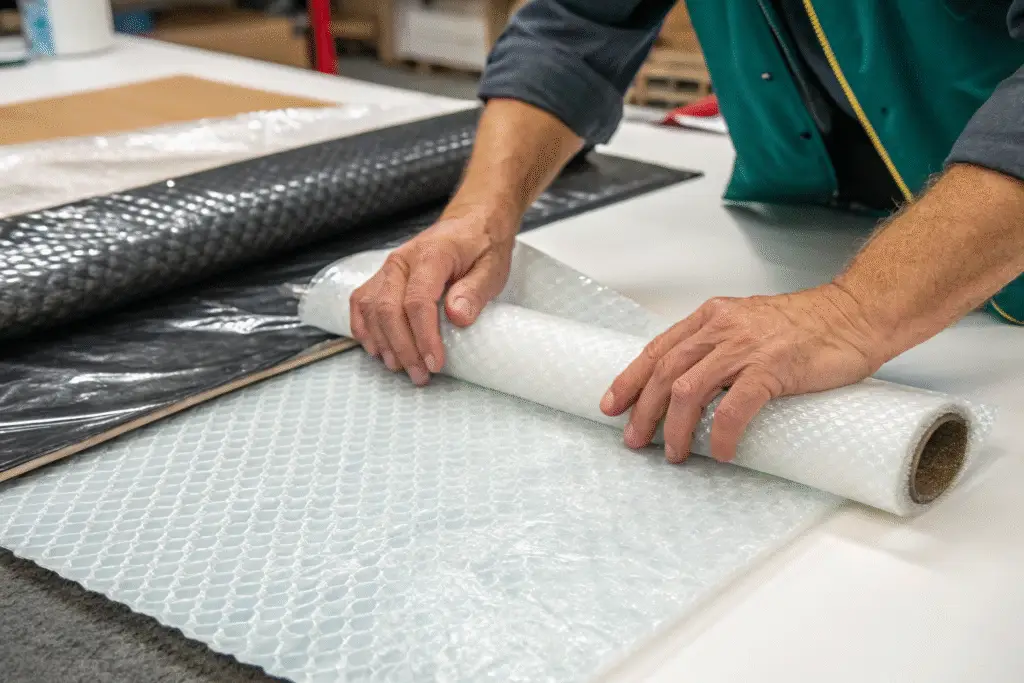
Aerogel—light as smoke, solid as glass—blocks conduction. Put it between microfiber layers and, actually, you get more warmth at the same weight. But dusting and sewing are tricky. We test seam stability, then use AI to tune stitch length. If you want a primer, see aerogel basics and insulation notes at the Department of Energy. It’s not magic; it’s engineering with data.
Can graphene coatings really help with thermal comfort?
Graphene, thin as a single atom sheet, spreads heat sideways. No more hotspots. Coating density, binders, and curing matter. We model which combo evens comfort best. A good start is this graphene overview and textile work in the Textile Research Journal. In the end, AI suggests print weight, so garments feel even, not patchy.
How Does Machine Learning Improve Thermal Testing?
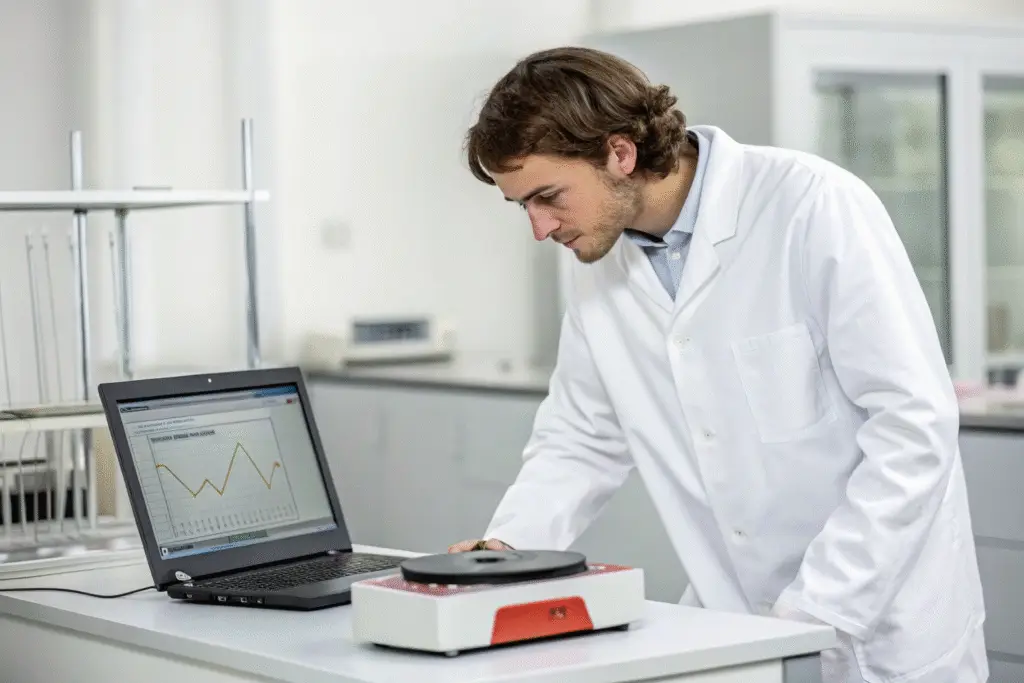
Testing… that’s where most projects get delayed. Old way: cut samples, ship to lab, wait weeks. Meanwhile, season passes. New way: I plug results from sweating hotplates, wind tunnels, and motion rigs into a model. To be honest, it feels like cheating—predicting tests before running them. But it works.
The direction is predictive testing. We still honor ISO and ASTM standards. Yet, ML models built on legacy data forecast how a new fabric will perform. We even use infrared images to catch seam cold spots. This shortens the cycle and keeps your shelves stocked when it matters.
The loop is simple: test, record, model, sample again. Data lakes hold fiber type, quilt spacing, wash cycles. Dashboards show progress. You, the buyer, see what’s happening—not months later but now. Transparency builds trust. And yes, speed too.
Which standards matter most for heat and moisture tests?
ISO 11092 is the big one—it uses a sweating guarded hotplate. More details on ISO 11092. ASTM methods cover guarded hot plates too; see Thermtest knowledge base. We set bands by garment class: jackets, trousers, kids’ wear. Add motion pumping tests, and the comfort picture is fuller.
How do we use cameras and simple AI to find cold bridges?
Cold bridges show at seams, zippers, bartacks. We scan garments with infrared while flexing them. Then overlay stitch maps. You can learn about IR imaging at FLIR applications and wind chill effects at NOAA wind chill chart. Our AI flags stitch lines that bleed heat, so we tape or adjust. Small fix, big gain.
Smart Linings with PCM and Aerogel—What Works?
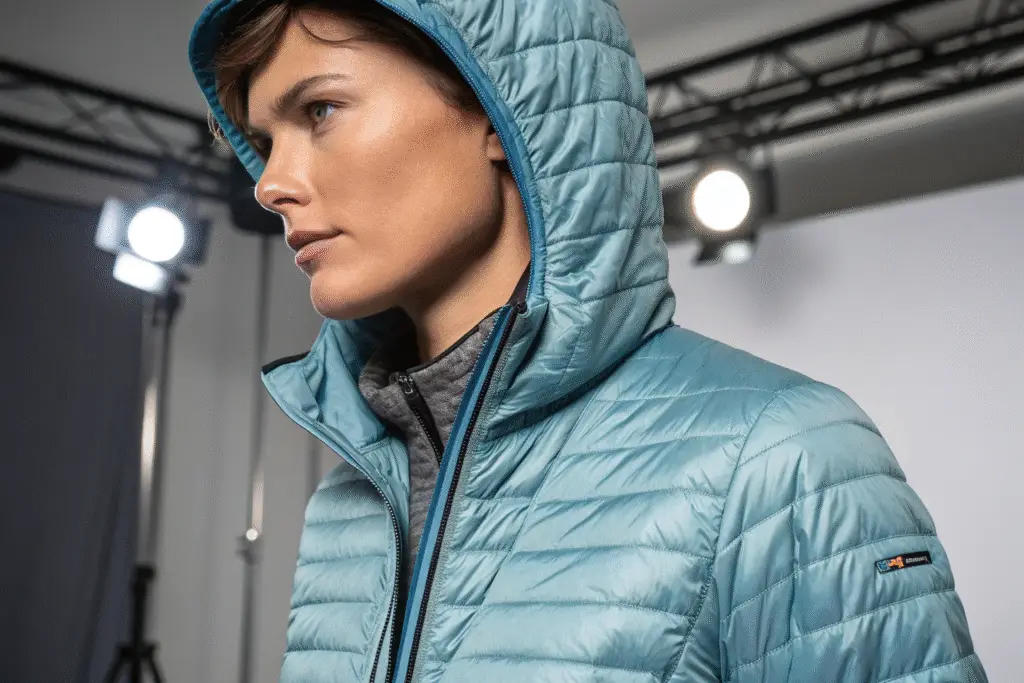
Many buyers ask: does PCM really work? My answer—yes, but only with the right dose and the right zone. PCMs absorb heat when you warm up, release when you cool down. Aerogel adds a stillness, blocking conduction. Together, if tuned right, the microclimate feels steady. Honestly, that’s what comfort means.
The leading trend is targeted PCM print and zoned aerogel panels. AI decides where to place each, so you get balance: not too heavy, not too noisy. Wash durability matters too, and we model that.
Wear trials confirm. Sensors record skin temp and humidity. AI checks dose per size, per motion. Iterations run fast. And again, data, not just guesswork, drives design.
How do PCMs stabilize the microclimate in motion?
PCMs melt near skin temp, absorbing excess heat. Later, they solidify, releasing warmth. Learn more at phase-change material and NASA spinoff archive. We dot-print PCMs to keep stretch and breathability. AI tunes dot density for climate zones. A balance—not too much, not too little.
Where should we zone aerogel films to cut wind chill?
Chest, shoulders, neck—these zones hit wind first. We avoid full coverage to keep garments soft. For basics, see convective heat transfer and aerogel textile info at Aspen Aerogels. AI compares maps against wear logs, suggesting panel shapes. Small panels, big warmth.
Sustainable Insulation and DDP Logistics with AI
Nowadays, U.S. buyers want two things: sustainability and certainty. They want recycled content, certified chemistry, and—equally—shipments on time. To be honest, I see this every week. So, what do we do? We tie recycled fibers with AI logistics. That way, you get both story and delivery.
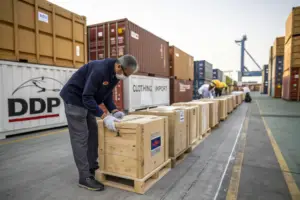
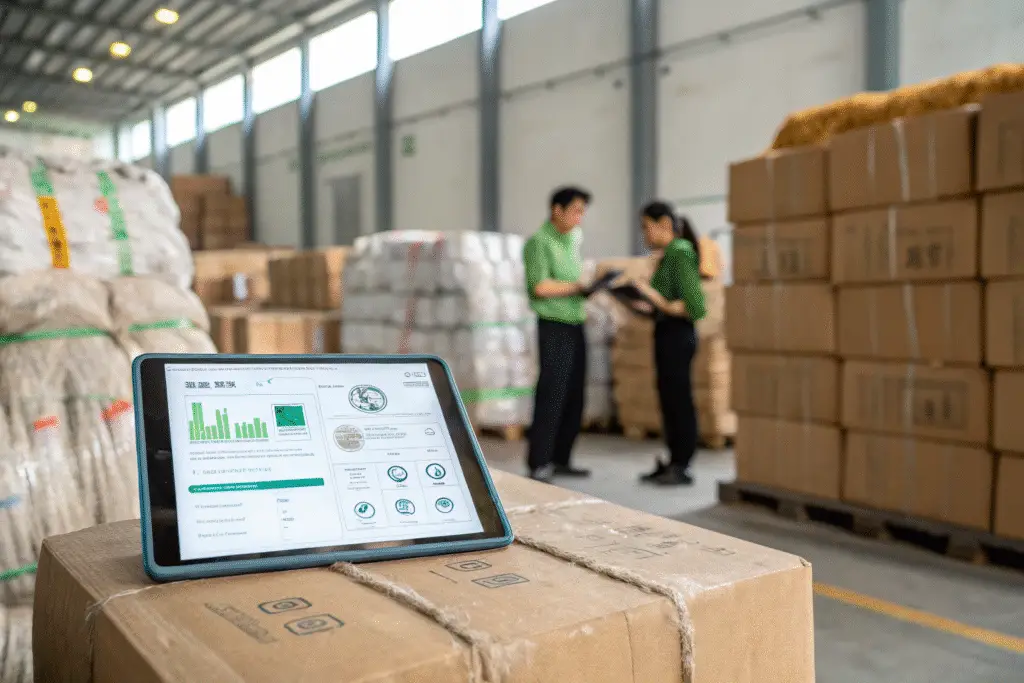
The trend is clear: traceable recycled inputs plus predictive shipping. We work with GRS, bluesign, ZDHC. We plan shipments DDP, modeling port data and holiday calendars. Alerts flag risks early. We reroute, repack, or reschedule before trouble starts.
It may sound redundant, but I’ll say it again: sustainability only works if delivery works too. Otherwise, brand stories fall flat. AI helps us connect these dots.
Which certifications build trust with U.S. buyers?
We rely on the GRS standard for recycled fibers, bluesign® and ZDHC for chemistry, Responsible Wool Standard for wool, Responsible Down Standard for down. Audits pass, claims hold, buyers trust.
How does DDP with AI lower delivery risk?
DDP—duties delivered paid—means we handle customs and duty. More at Incoterms rules. AI forecasts port delays using past lead times and holiday data. Guidance from CBP ensures compliance. Predict early, ship steady. Buyers relax. Shelves fill.
Conclusion
Actually, what I’ve seen in the past five years is a shift. Insulation design is no longer about thicker or thinner. It’s about smarter. AI helps us pick fibers, layer aerogels, print PCMs, test faster, and even ship on time. To be honest, that’s a rare full-chain improvement.
At Shanghai Fumao Clothing, we work with American brands who need both performance and reliability. Personally I think the future belongs to those who merge data with craft. If you want to explore your own AI-optimized insulation line, email our Business Director Elaine: elaine@fumaoclothing.com. Or visit our site shanghaigarment.com. Together, we’ll build garments that stay warm, light, and on schedule.